

Ever wonder if each club does exactly what its name suggests? Some golfers think one club can handle everything, but really, every club brings its own special strength. In this article, we break down the usual distances for seven key clubs. A driver sends the ball soaring, while wedges help you keep things tight and controlled. And don’t forget, weather and your swing style can make a big difference. Trying out your own range might just boost your play and give your drive that extra punch.
7 golf club distances: Powering Your Drive
Check out this simple table that shows the typical yards you can expect from each club. It lists average distances for most amateurs. For instance, drivers often go 180 to 200 meters, while top amateurs might hit about 220 meters. You'll see that swapping clubs, like moving from a 3-Wood to a 5-Wood, usually changes the yardage by around 10 meters. Drivers are built to go long, while irons and wedges are made for precision and control. Every little detail counts. As one golfer put it, "I used to think all clubs were the same until I saw how each one boosts my game."
| Club Type | Average Distance (meters) |
|---|---|
| Driver | 180–200 (220 for low-handicappers) |
| 3-Wood | 170–190 |
| 5-Wood | 160–180 |
| 3-Hybrid | 150–170 |
| 5-Iron | 140–160 |
| 7-Iron | 130–150 |
| Pitching Wedge | 110–130 |
| Sand Wedge | 90–110 |
Remember, your numbers might change. Factors like swing speed, weather, and club maintenance all affect how far you hit. Use these figures as a rough guide to help plan your shots. Spend some time at the range testing your own distances and write them down. Every golfer swings a bit differently, so adjust your club choices to match your personal style and what the day brings.
Factors Influencing Golf Club Distances

Every swing on the course is a mix of your club’s design and the day’s conditions. Your club's loft, your swing style, and even the weather all team up to shape how far your ball flies. Knowing how these factors work can help you guess where your ball might go and make smart changes to your play.
- Loft Angle – The club’s loft sets the ball’s starting angle. A higher loft means a higher, softer launch.
- Clubhead Speed & Smash Factor – A quick swing, paired with good energy transfer (that’s what we call smash factor), pushes the ball faster and farther.
- Spin Rate & Ball Type – How much spin you add, plus the type of ball you use, can change its flight, sometimes shortening or boosting the distance.
- Wind & Weather – A gust of wind or a change in temperature can either help your ball soar or hold it back.
- Terrain Elevation & Slope – Hitting uphill or on a sloping fairway alters the ball’s path and can affect how far it rolls.
- Player Attributes (age, strength, flexibility) – Your physical abilities, like strength and flexibility, play a big role in your swing speed and overall distance.
Amateur vs Professional Golf Club Distances Comparison
When you watch a pro tee off, their driver sends the ball soaring farther than most amateurs can manage. Generally, high-handicap golfers hit their drivers less than 180 meters, while better amateurs push it to about 220 meters. Pros, on the other hand, often clear the 230-meter mark thanks to a mix of smooth, powerful swings and top-notch gear.
A big part of this gap is down to the clubs, practice routines, and fitness. Tour players get clubs that are custom-fitted to their swings and stick to intense training schedules. This helps them build speed and precision, letting them hit the ball even farther than amateur players typically do.
For those just starting out or looking to improve, these numbers can serve as handy benchmarks. Knowing that top pros can hit their drives 10 to 20 meters longer than elite amateurs can help you set realistic goals. So, keep an eye on your own distances, tweak your swing, and enjoy every moment on the course.
Age and Handicap Impacts on Golf Club Distances

Young and older golfers often see shorter ball carries than those in their prime. Kids might still be building strength and a smooth swing, while seniors can lose around 5–15 meters on their driver shots as their strength and swing speed change over time. This means a middle-aged golfer may enjoy a big, powerful drive, while the younger and older ones tend to have a softer hit. For instance, a senior's drive can fall well short of what a mid-aged player gets, even when they use similar clubs, highlighting how age really affects distance.
High-handicap players face their own challenges too. On average, these golfers can drop 10–30 meters in iron shots compared to low-handicap players who take full advantage of their club design. Even though detailed yardage tables break down these numbers further, the trend is clear: as skill and consistency improve, so does the carry distance.
Keep an eye on your own stats by age and skill level; it can really help you choose the right clubs and tweak your practice routine.
Strategic Golf Club Selection Based on Distances
Knowing how far your clubs hit is like having a secret weapon on the course. When you figure out your own distances, say your 7-iron goes about 140 meters, it becomes easier to plan each shot. That clear insight cuts out the guessing and helps you choose the right club every time, boosting your confidence and your score.
Before every shot, try glancing at a yardage chart or a note on your scorecard. This quick check turns a routine decision into a smart, strategic move. It fits right into your warm-up and sets a clear game plan, helping you handle course distances with ease.
And when the weather or slopes throw you a curve, stick to your data. For a fierce headwind, you might pick a club that doesn’t quite reach as far. Or if you’re playing uphill, adjusting your club might give you that extra push. Using your own yardage info means you can tailor every shot and play smarter on the course.
Tools for Measuring and Improving Golf Club Distances
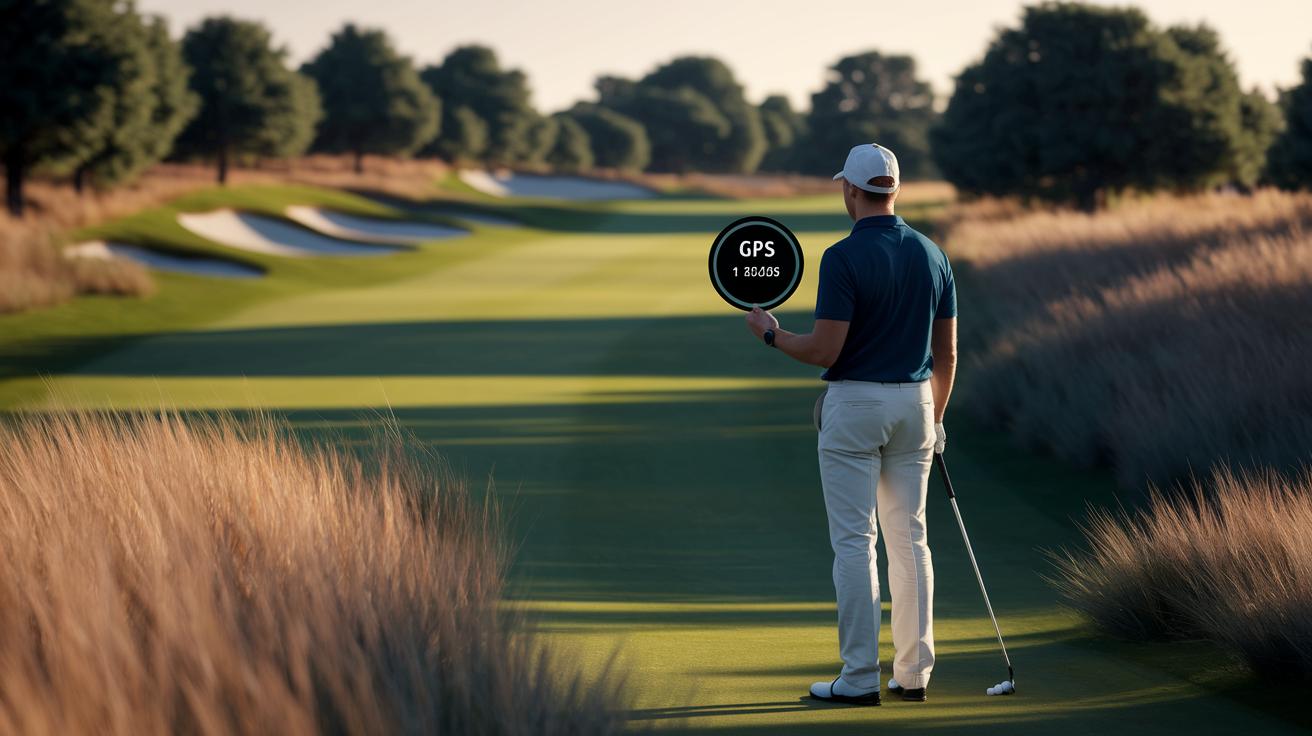
These days, many golfers rely on handy GPS yardage devices and smartwatches on the course. A quick look can show you the distance to the pin and even suggest the best route to hit your shot. It’s like having a little coach with you, making every swing count.
At both indoor and outdoor ranges, tools like launch monitors and swing analyzers are absolute game changers. They capture key details like clubhead speed, ball speed, launch angle, and spin rate. This clear info helps you see which parts of your swing add distance and where you might need a tweak.
Swing monitor tech and distance calculator apps dig a little deeper. They spot tiny changes in your grip, posture, and swing path that may be slicing off extra yards. Tweak your form based on these insights, and you’ll find your shots packing more power.
Simulation software and real-time tracking systems let you practice in a controlled setting. Indoor bays with these tools let you repeat your shots, build confidence, and hone consistency. Take what you learn back to the course, and you will quickly notice improved performance and smart club choices.
Calibration and Maintenance for Reliable Golf Club Distances
Ever noticed how a fresh grip can make all the difference? Your club’s performance really kicks off with its grip and shaft. A tired grip or a weak shaft can sap energy from your swing, costing you extra meters. Keeping them in top shape with a regular check makes sure you feel that crisp connection every time you hit the ball.
Next, think about your club’s loft and lie angles. These settings work like a roadmap for your ball, ensuring it flies along the right route. A little tweak here and there during a custom fitting can really boost your yardage, so every shot feels just right.
Finally, do yourself a favor with an annual club check-up. A quick look at the grips, shafts, and angles will keep your clubs performing at their best, letting you enjoy a more confident, fun round every time.
Final Words
In the action, we broke down average carry yardages across club types, explained key factors like loft and swing speed, and compared amateur and pro performance. We also looked at how age and handicap shape play and shared tips on choosing the right club for every shot.
Using handy tools and proper calibration can boost confidence on the course. Keep an eye on your golf club distances and enjoy every swing while improving your game.
FAQ
What are typical distances for golf clubs?
The typical distances for golf clubs vary by club type, with drivers averaging 180–200 meters for amateurs and irons and wedges following a steady decrease in distance, all of which depend on individual swing factors.
How can I use a golf club distance chart or calculator?
The golf club distance chart or calculator shows average carry ranges for each club, helping you compare yardages and plan shot strategies based on your swing speed, skill, and playing conditions.
What is a typical 3 wood distance?
The typical distance for a 3 wood is around 170–190 meters, making it a great option for long fairway shots that balance distance and accuracy when setting up your approach.
How do handicap, age, and gender affect golf club distances?
Handicap, age, and gender influence club distances by altering swing speed and power. Players with higher handicaps, seniors, and many women often hit shorter distances compared to younger or lower-handicap players.
How far should an average golfer hit a 7 iron or 9 iron?
The typical carry for a 7 iron is about 150–170 meters for an average man, while a 9 iron generally travels 120–140 meters, based on individual technique, strength, and consistency.
Is hitting a 5 iron 200 yards good?
Hitting a 5 iron 200 yards indicates strong power and technique; this performance is above average for many golfers, though results may vary with individual swing dynamics and overall physical condition.