

Ever thought about golf and green living working together? A new study shows that 73% of golfers pick courses that care for the earth. Picture this: cutting water use by 30%, it hits you like a perfect, crisp drive. Many courses are now making smart moves that conserve energy, save money, and shrink their carbon footprint. In short, these eco-friendly changes are reshaping golf so every round feels a little kinder to nature and a lot more exciting.
Critical Sustainable Golf Course Trends Transforming Course Management
A new 2024 report shows that nearly three out of four golfers (73%) favor golf courses that take care of the environment. This isn’t just good for nature, eco-friendly moves can cut water use by about 30% and trim pesticide and energy costs by 20% to 40%. Even carbon emissions drop thanks to low-carbon setups. It’s pretty clear: going green is a game-changer for golf today.
Courses are changing fast, adding green practices into everyday play. In fact, experts predict that by 2026, 60% of courses will have at least one eco-friendly change in place. Imagine cutting water waste by 30%, that’s like having enough water saved to irrigate a small town each season! This trend matches global efforts to protect our resources, and it shows how serious the golf world is about sustainability.
For more details, check out the sustainability report on emerging golf trends 2024. It dives into the numbers on water savings, energy use, and lowering carbon footprints.
Ever seen how a single smart irrigation system can cut water waste by 30%? That fact alone really shows the promise for golf course managers who want to keep play areas pristine while caring for the environment.
This approach not only boosts efficiency but also fits with what today’s environmentally conscious fans expect. In short, these trends highlight how sustainability is changing the way we manage and enjoy golf.
Eco-Friendly Course Design in Sustainable Golf Course Trends
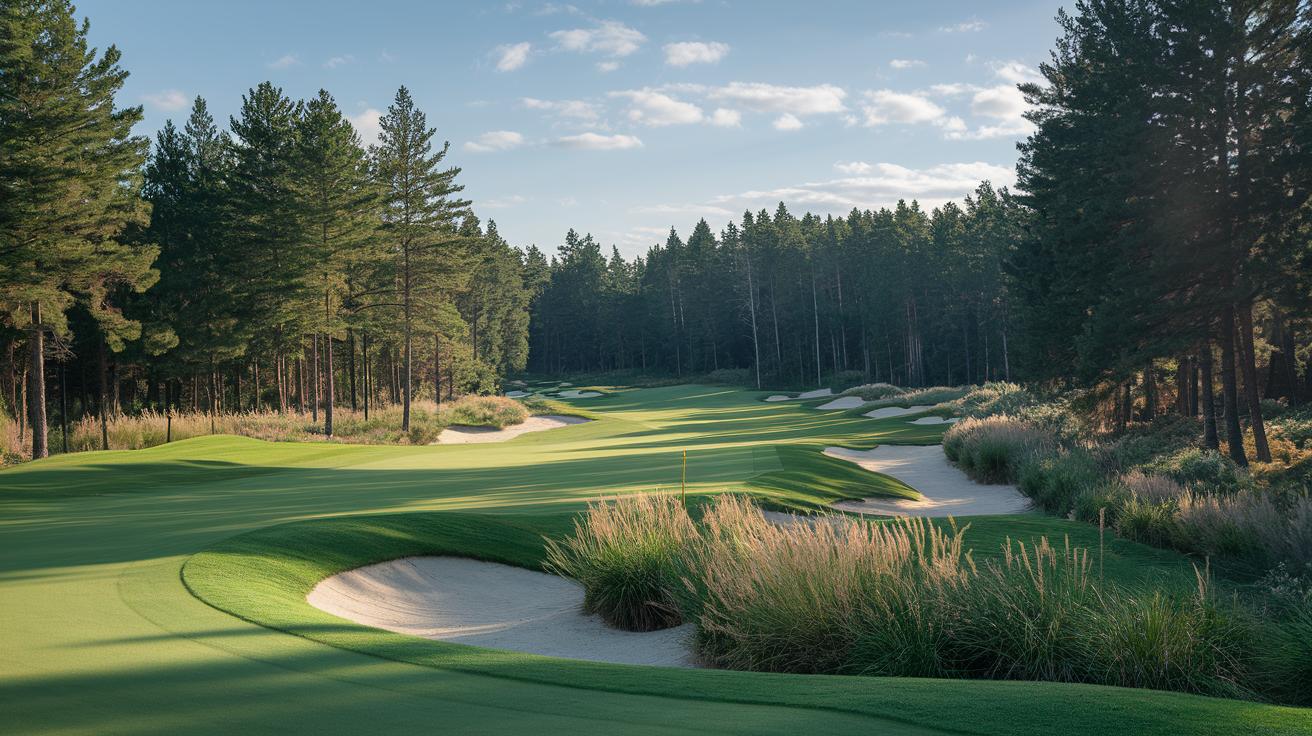
Course designers are coming up with clever new ideas to make golf courses greener. They aim to use less water and fewer chemicals by favoring local plants that naturally fit the landscape and help local wildlife. Imagine walking onto a fairway where nature itself does a bit of the work by keeping the water needs low. Some designers even create corridors of native plants that save water, turning every hole into a mini eco-friendly masterpiece.
They also plan hazards and contours that protect the turf from weather changes. This smart approach means the grass stays healthier with less upkeep. Features like rain gardens and bioswale corridors help manage water runoff while inviting a little biodiversity right onto the course.
Here are the top five innovations fueling this eco-friendly shift:
| Innovation |
|---|
| Native plant corridors |
| Smart bunker placement |
| Contoured fairways for drainage |
| Bioswales and rain garden integration |
| Climate-adaptive grass selection |
These forward-thinking designs turn golf courses into places that are great to play on and also work hard to protect our natural resources.
Water Conservation Strategies in Sustainable Golf Course Trends
Golf courses today are getting smart with how they use water. Course managers now use systems like high-efficiency irrigation that waters only when needed. These smart tools, including soil-moisture sensors (that check how wet the soil is) and weather trackers, help cut water waste by up to 30%. It’s like having a trusted caddy guiding each drop exactly where it’s needed.
Next, rainwater harvesting is making a big splash. Teams capture rain from rooftops and parking lots to water greens and tees. This clever method reduces the need for treated water by 20–25%. And then there’s low-water landscaping, where drought-tolerant plants and smart design work together to limit extra watering.
With these innovations, golf clubs can save money and keep their courses in top shape. Every bit of water counts when technology and thoughtful design join forces for sustainability.
| Technology | Water Savings | Implementation Example |
|---|---|---|
| Smart Irrigation Systems | Up to 30% | Soil-moisture sensors and weather data |
| Rainwater Harvesting | 20–25% | Runoff capture for greens and tees |
| Low-Water Landscaping | Varies | Drought-tolerant plants and strategic design |
Renewable Energy Integration in Sustainable Golf Course Trends
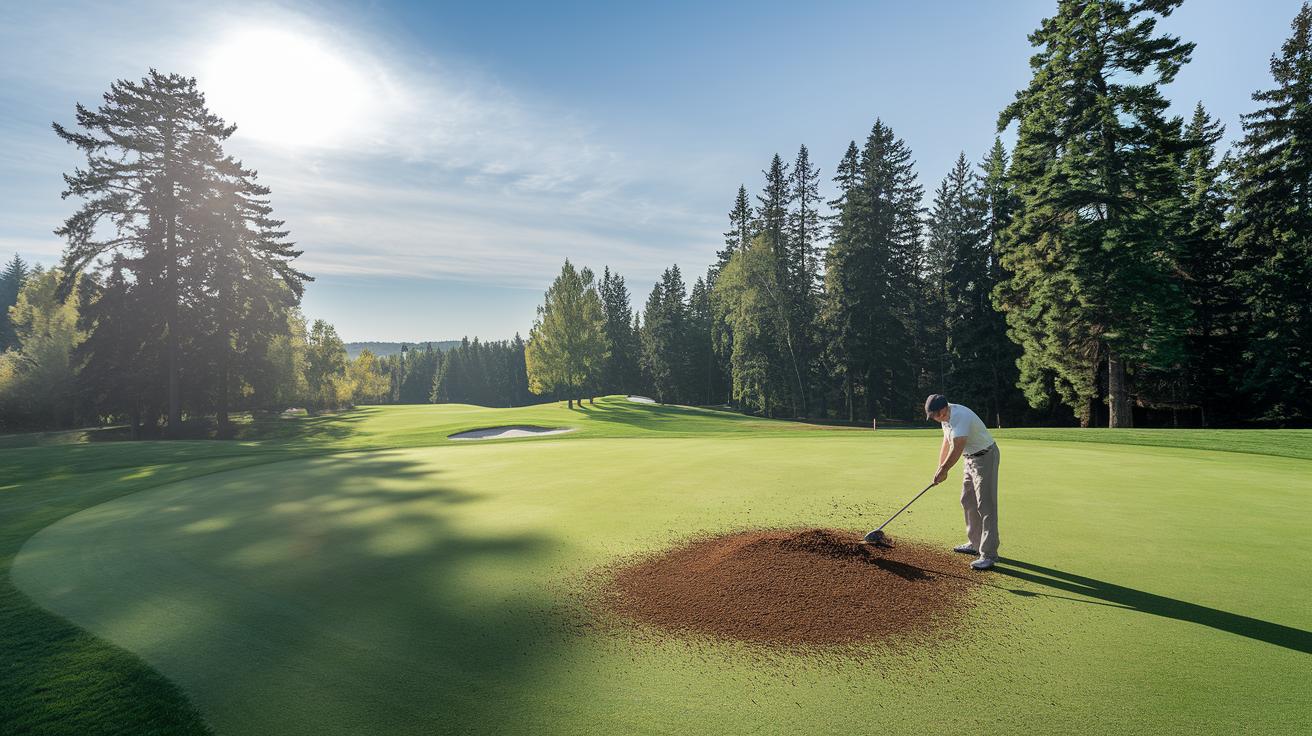
Golf courses are getting smarter by adding solar panels and energy-saving upgrades. They’re switching to solar-powered golf carts that can cut energy use by about 50% on sunny days. Clubhouses and irrigation pumps now sport photovoltaic arrays to lower electricity bills while keeping essential services running smoothly. Even LED lights with motion sensors help reduce electrical loads by around 30–40%. These changes let course managers save money and care for the environment at the same time.
Imagine a solar golf cart cruising across a sunlit fairway, using half the energy, it’s as thrilling as a perfect drive. These clean energy upgrades boost the overall performance of the course like a well-executed shot that lands right on target. With renewable energy, courses cut down on carbon emissions and raise the bar for efficiency. Energy-saving outdoor lighting also keeps play areas safe while trimming costs.
In short, switching to solar power and other green upgrades is a smart move that benefits both the course operators and golf lovers alike.
Organic Turf Management and Chemical Reduction in Sustainable Golf Course Trends
Golf courses are turning to eco-friendly methods to keep their greens looking great without heavy chemical use. Many now rely on organic nutrient management with all-natural fertilizers that help feed the turf and cut runoff pollution by 40%, that’s according to USGA numbers. This approach means fewer synthetic chemicals and healthier soil.
Another smart move is using integrated pest management. Instead of broad pesticides, courses are opting for natural pest controls, like helpful insects and precise biocontrol measures. It’s a win-win: fewer chemicals and a balanced ecosystem on the course.
Drought-tolerant grass varieties are also a game changer. These hardy grasses mean courses can water less often, up to 20% less, which saves water and lightens the work. By mixing organic feeding and smart pest solutions, golf courses keep their turf top-notch while cutting back on harmful treatments.
These sustainable practices are setting the stage for greener, safer fairways that every golfer can appreciate.
Biodiversity Enhancement in Sustainable Golf Course Trends
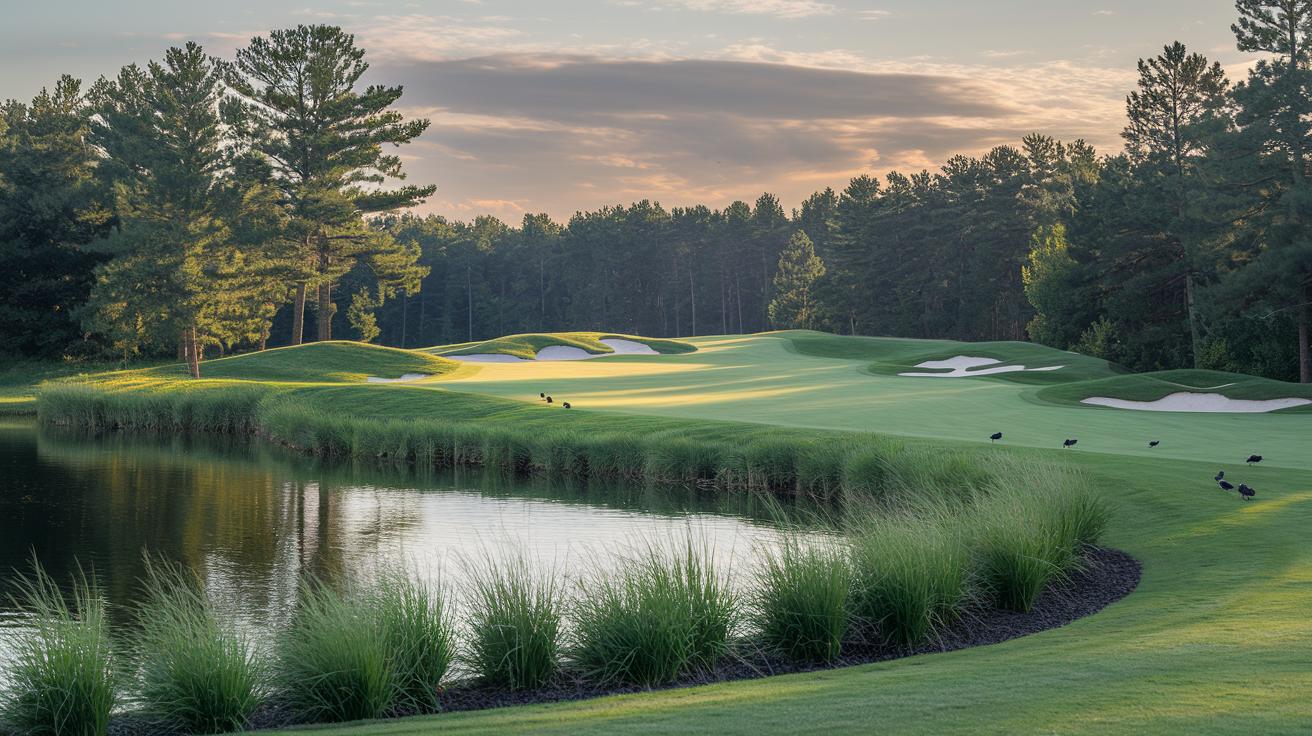
Golf courses are turning into mini wildlife spots by planting native plants that attract birds, bees, and other critters. Adding these local plants gives the course a fresh, natural look and helps support the local ecosystem. Many courses now include bioswales and rain gardens to manage runoff and create small habitats. Picture a space where every drop of water helps both the green and nearby wildlife, like a tiny oasis right on the fairway.
Next, courses are restoring wetlands and buffer zones along streams and lakes. These areas offer safe havens for frogs, butterflies, and fish. With smart planning and a dash of nature, golf courses are transforming play areas into living exhibits. This mix of sports and nature makes the course welcoming not just for golfers, but also for the lively critters that bring every round to life.
Certification & Performance Metrics for Sustainable Golf Course Trends
Golf courses today are taking big steps to be greener. They follow USGA rules that watch water use, energy, and chemicals. Managers check clear numbers to see if courses are truly eco-friendly. One course even said that tracking every drop of water and each watt of power feels like counting strokes on a tough hole.
Certification programs like Audubon Cooperative Sanctuary and GEO Certified offer simple standards for lowering waste, protecting habitats, and working with the community. These programs give managers solid goals to hit, and they let golfers know every shot is played on a responsibly cared-for course.
Key evaluation metrics include:
- Water used per area maintained
- Energy used for everyday building operations
- Levels of chemicals like fertilizers and pesticides
- How well waste is managed and recycled
Courses often have regular check-ups to see how they are doing against these targets. These checks help clubs find ways to do better while also celebrating big wins. By following these guidelines and earning certifications, golf courses raise the bar for green play, proving that eco-friendly golf is all about performance and care for the environment.
Future Outlook for Sustainable Golf Course Trends
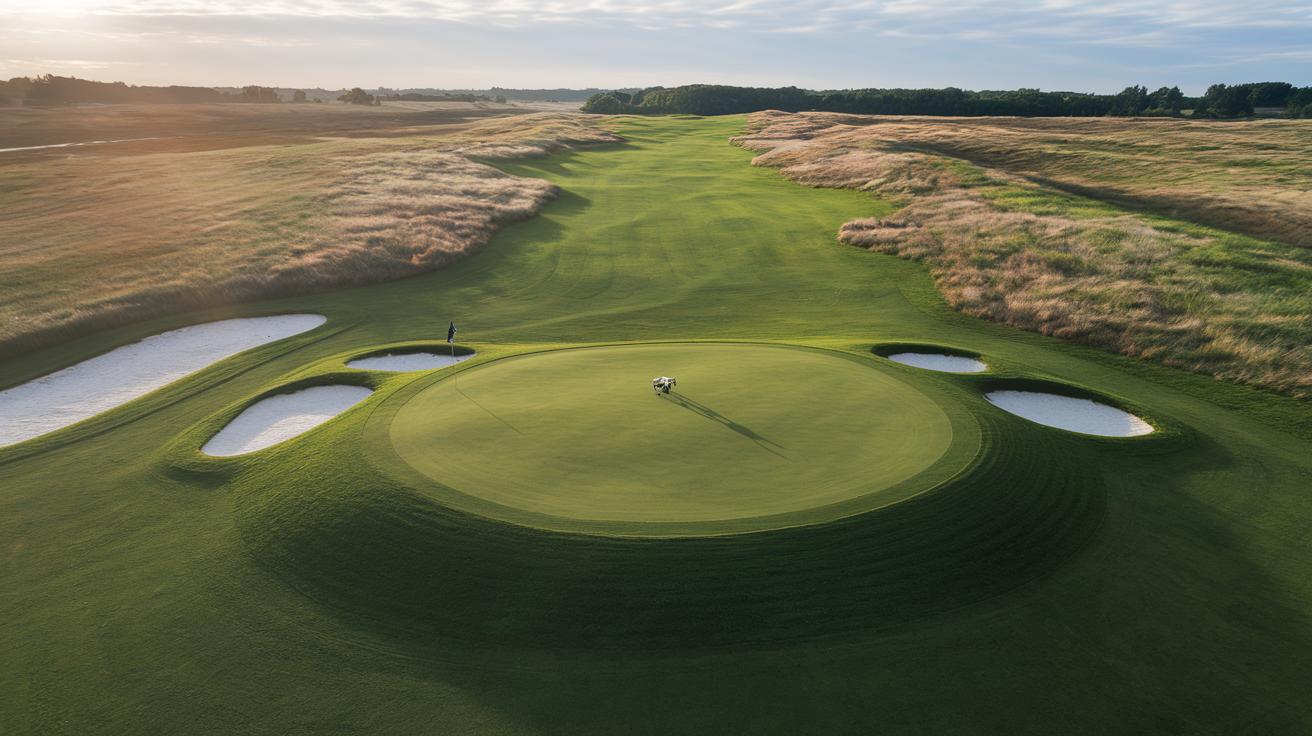
By 2026, more than half of golf courses will embrace eco-friendly practices. Course planners are excited about fresh ideas like algae-based fertilizers, natural treatments that boost the greens without harsh chemicals. Imagine a course manager saying, "Switching to algae-based biofertilizers is like giving the greens a nutritious boost straight from nature!"
Next, new tech is changing the game. Golf courses are trying out drone-assisted turf monitoring to check soil and grass health in real time. This smart system cuts the guesswork, using water and other resources only where needed. It’s like having a team that ensures every inch of the course gets just the right care.
Then there are carbon-neutral clubhouses. These modern buildings run on renewable energy and use energy-saving systems to reduce their carbon footprint. Together, these trends build a future where golf courses are not only kind to the earth but also run more smartly and efficiently.
With these innovations rolling out, golf clubs are setting the stage for a game where tech and nature work side by side for a greener tomorrow.
Final Words
In the action on the green, we explored how new eco-friendly course designs, smart water conservation, and renewable energy setups are reshaping the game. We looked at organic turf management and essential certification steps that keep an eye on resource use. Tackling biodiversity enhancements and future outlooks, the article offered fresh insights with clear performance metrics. These sustainable golf course trends are paving the way for greener, smarter courses that benefit both players and nature. What an exciting time for golf!
FAQ
What are the key sustainable golf course trends transforming course management?
The trends in golf course management show that eco practices, such as lower water use and reduced chemicals, not only help the environment but also cut costs and boost golfer appeal.
How does eco-friendly course design reduce environmental impact?
Eco-friendly design uses native plants, smart bunker placements, contoured fairways, bioswales, and climate-adaptive grasses to lessen water use and chemical inputs while supporting local ecosystems.
What water conservation strategies are popular in modern golf courses?
Modern courses use smart irrigation systems, rainwater harvesting, and low-water landscaping to reduce water waste by up to 30% and cut potable water use by around 20-25%.
How does renewable energy integration benefit golf courses?
Renewable energy tools like solar-powered carts and photovoltaic arrays on clubhouses help lower energy use and cut carbon footprints, saving operational costs with solar and efficient lighting solutions.
How are courses using organic turf management practices to cut chemical inputs?
Organic turf care uses natural fertilizers and pest controls along with drought-tolerant grasses, which lower chemical use and reduce runoff pollution while keeping turf quality high.
How do golf courses enhance biodiversity on their grounds?
Biodiversity efforts include native plantings, bioswales, rain gardens, and restored wetlands, which create habitats for local wildlife and improve ecosystem resilience on the course.
What certifications and performance metrics validate sustainable golf courses?
Certifications like Audubon Cooperative Sanctuary and GEO Certified use metrics such as water, energy, and chemical use to verify that a course meets stringent eco-friendly guidelines.
What is the future outlook for sustainable practices in golf course management?
Experts predict that by 2026, most courses will adopt at least one green initiative, using technologies like algae-based fertilizers, carbon-neutral clubhouses, and drone-assisted turf monitoring.