

Are you still swinging with your old clubs? Today’s gear is packed with cool tech that makes every swing feel fresh and on point. Instead of relying on plain wood and metal, modern clubs use lightweight titanium and carbon fiber. This upgrade gives you extra distance and control on every shot, like adding that perfect step to your game routine.
In this piece, we chat about how these new trends in golf equipment can boost your performance and change the way you play on the course.
A Comprehensive Look at Evolving Golf Equipment Trends

Golf technology has come a long way in the past 30 years. Back in the day, drivers were made from persimmon wood or simple metal alloys, giving off modest distance and a less forgiving feel. Now, clubs are built from light titanium and carbon fiber with extra-large club heads. Imagine being able to fine-tune every swing for more distance and accuracy thanks to these advances.
Club makers are pushing innovation across the board. They shape club heads aerodynamically to reduce drag and boost speed. Plus, adjustable parts like movable weight systems let you try out different launch angles and spin rates that match your swing. It’s like a small tweak that can add yards on an important drive, something golfers from the 1990s could only dream of.
Golf ball technology has also seen big changes. Early balls were simple, single-layer designs, but today’s multi-layer balls mix densities to give you better spin control, a softer feel, and longer flights. These upgrades help you hit longer drives with more predictable shots. Overall, this gear evolution not only changes the equipment but also shapes how players perform and how courses are designed.
Historical Evolution of Golf Clubs and Materials
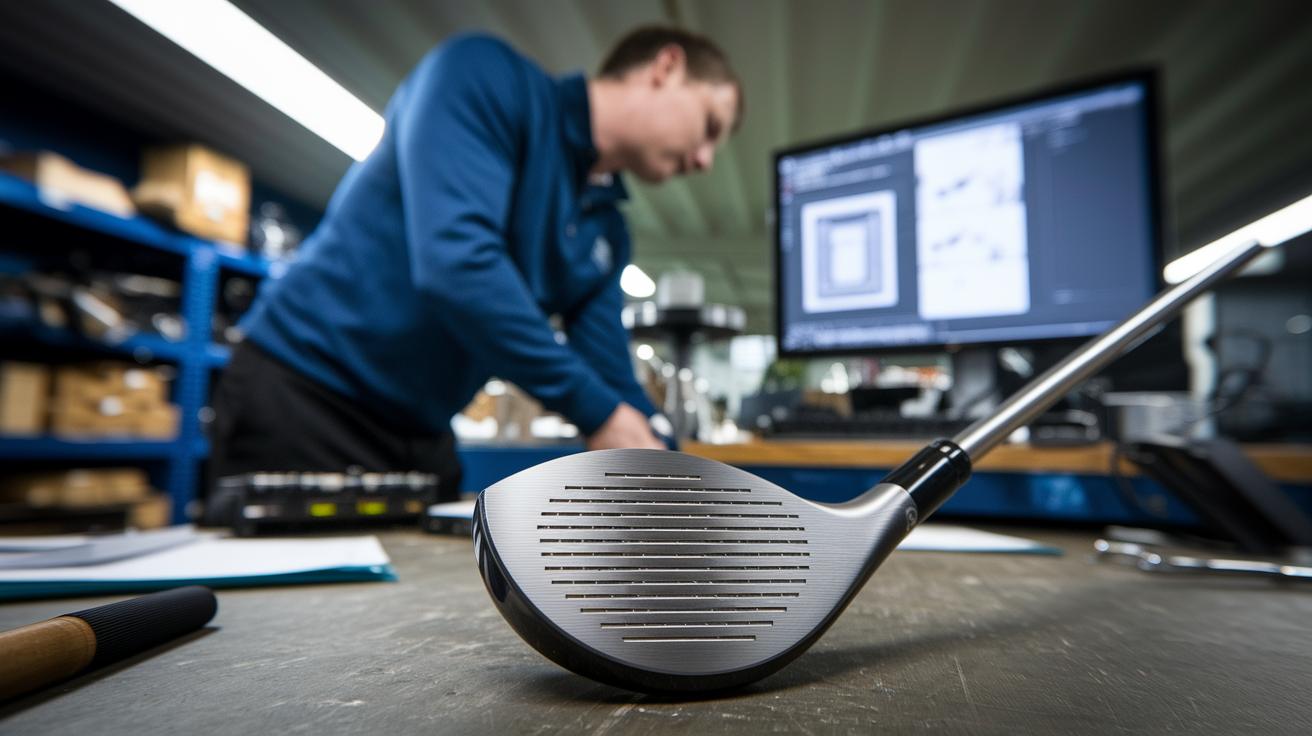
Golf clubs have come a long way from being made of persimmon wood and simple metal alloys to being built with digital tools. Today, engineers use computer models and laser mapping to perfectly set the club face angles and balance the weight. It’s a bit like tuning a race car engine for peak performance.
New advances like 3D printing let makers create club heads and shafts with tiny, precise tweaks that boost energy transfer. These innovations give you clubs that are more forgiving and stable, offering better control over every swing.
Driver Design Breakthroughs Driving Distance
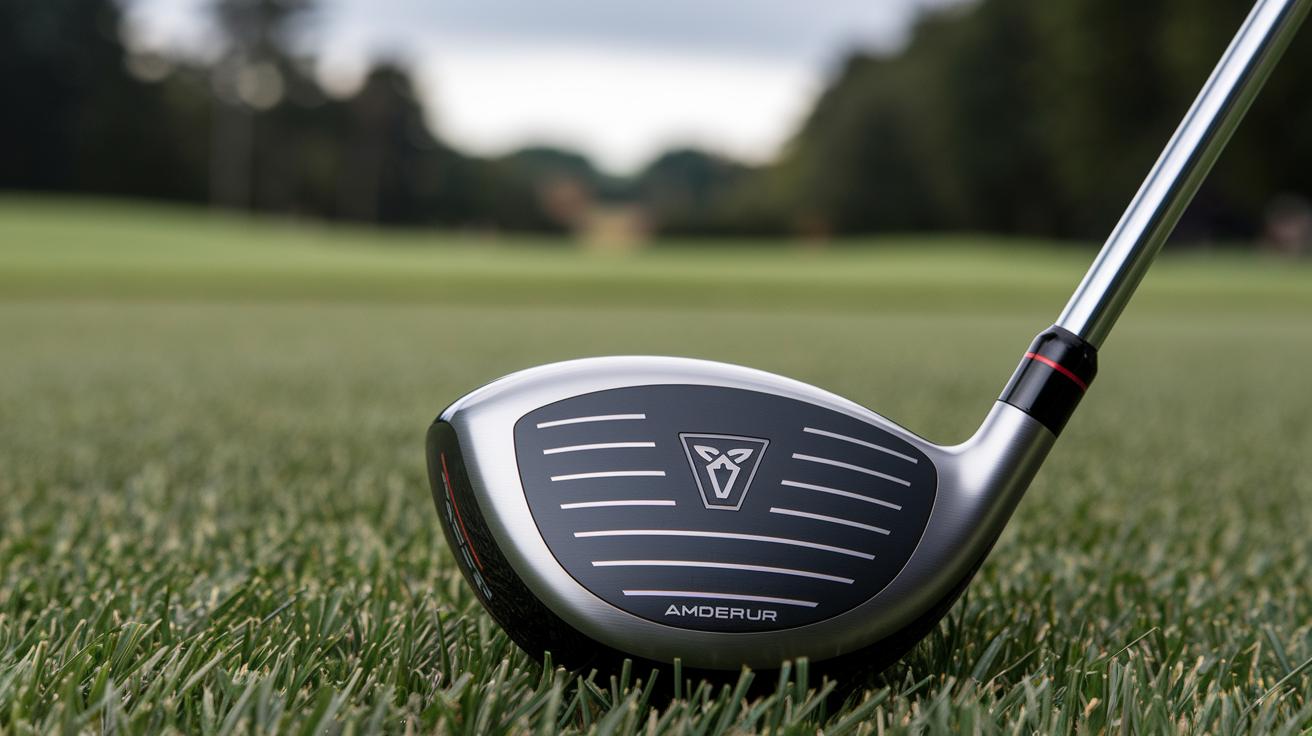
Modern drivers mix lightweight titanium and carbon composites to create a club that's light yet tough. They come with adjustable parts and a smooth, aerodynamic shape that cuts through the air, pressing the limits of distance.
Adjustable hosels let you change the loft (the angle at which the clubface meets the ball) easily. Movable sole weights help you shape each shot to your liking, while the sleek head design shrinks drag so energy transfers better from club to ball.
This fresh design boosts ball speed with a high-impact face that sends the ball flying faster and more accurately. It’s like hearing that crisp, satisfying thwack on a perfect drive!
Key driver features include:
- Lightweight titanium and carbon composite crowns
- Moveable sole weights for shot shape control
- Adjustable hosel systems for tweaking loft and lie
- Aerodynamic head profiles to reduce drag
- High-impact face engineering for faster ball speeds
Modern Iron, Fairway Wood, and Hybrid Advancements

Today's irons have seen a big change. Companies now add perimeter weighting and tungsten inserts to help smooth out off-center hits. This means that even if you miss the sweet spot, the ball still flies straight.
Fairway woods and mini drivers got a boost too. They now sport high-lofted designs that help fill in yardage gaps. In simple terms, it’s easier to go from tee shot to green with these new shapes.
Hybrids are quickly becoming the stars. Many players are switching from long irons because hybrids launch the ball more easily and with better control. They feature a lower center of gravity, so even if you struggled with long irons, you’ll feel more confident with the hybrid.
Club fitting has also improved a lot. Modern launch monitors check every detail of your swing to find the perfect shaft flex and lie angle. Imagine a club that feels like it was made just for you – it turns mis-hits into solid shots and boosts your confidence every time you swing.
Advanced Ball Technology and Spin Control Trends

Modern golf balls are built with three to five layers that work together to give you just the right mix of distance, spin, and a soft feel. Each layer has its own core density, so every shot feels balanced. Designers even adjust the dimple patterns and core chemistry to cut down on drag. As one example says, "The new ball is built with 5 layers, adjusting to your swing for unmatched distance and precision."
Urethane covers are a game changer when it comes to greenside control, especially on those tricky approach shots. These covers help the ball handle better, giving you more control and a tailored flight that fits your game. Plus, ball makers work on the outer texture to set up the perfect launch angle, which means your drives fly longer and straighter.
Every tweak in the design comes from careful scientific work. The whole idea is to create a ball that not only goes farther but also reacts predictably around the greens, so you get that extra boost in your game with just one swing.
Practice and Performance Devices Shaping Equipment Trends

Home-based launch monitors and simulators are changing the game for golfers. Now you can set up an 18-hole simulation in your own backyard with just a net and a hitting mat. Imagine this: playing a full round right in your living room while each shot is analyzed in real time! This clear, hands-on feedback is a big help for improving your swing and even guides club tweaks.
Rangefinders add another handy tool to your practice session. These devices use laser beams (straight and precise lights) to measure distance so you can pick the right club for every shot. And with sensor-based tools like wearable devices and smart balls, every twist of your swing is tracked. They measure ball speed, spin rate, and flight path so that equipment makers can fine-tune clubs and balls to match your natural swing.
Golf fans are really getting behind these sensor-driven gadgets, similar to those in popular golf swing analysis collections. And home launch monitor setups, often highlighted in the golf simulator industry, now bring you insights that once only the pros could enjoy. It’s like having a personal coach break down each move.
With these next-gen tech devices, it's not just about your game, it’s also about shaping future equipment. As these tools become more budget-friendly, every golfer gets a chance to make each swing smarter and more efficient. Simply put, the future of practice is here, and it's exciting!
Fit and Customization: From Static Specs to AR-Powered Solutions

Today’s golfers are saying goodbye to one-size-fits-all clubs. They’re choosing custom clubs that fit every nuance of their swing, from how flexible the shaft is to the size of the grip. Imagine slipping on some AR glasses and watching your club’s loft and face align in real time. One golfer even tweaked his whole swing after seeing his club’s precise alignment through augmented reality!
Now, high-tech launch monitors gather data that, combined with expert craftsmanship, leads to clubs made just for you. This smart mix of sensor readings and traditional skill means your club works perfectly with your unique way of swinging.
| Feature | Benefit |
|---|---|
| Shaft Flex | Matches the club to your swing strength |
| Loft and Lie | Optimizes angle settings for each shot |
| Real-Time AR | Visualizes club alignment instantly during fitting |
These smart fitting systems help fine-tune every shot, making even small changes add up to big improvements on the course. With clubs built just for you, you’re set to enjoy more precise, confident swings every time you step up.
Eco-Friendly and Inclusive Equipment Innovations

Golf gear is going green. Companies are now crafting clubs and accessories from recycled or biodegradable materials, which means less waste without losing performance. Imagine taking a swing with a club made from recycled composites that still gives you that crisp crack off the tee. Incredible, right?
Youth programs are also reaping the benefits. Junior sets come in lighter designs with flexible graphite shafts (graphite is a strong, lightweight material) that help young players learn the right swing mechanics. These sets are made to fit small hands and boost confidence on the course. One coach even said, "When kids use gear that fits right, they hit the ball better!"
And senior players aren’t left behind either. Today’s clubs for mature golfers feature low-impact shafts and high-MOI heads (high-MOI means the club resists twisting), which make launching the ball easier while reducing strain. This lets experienced players still enjoy those long, satisfying drives.
Simply put, these innovations prove that eco-friendly materials and smart design can work together to make the game better for both players and the planet.
Market Forecast and Futuristic Prototypes in Golf Equipment

By 2025, golf clubs and gadgets are set to get exceptionally smart. Imagine a club that tells you, as you swing, how fast your swing is and if your club is lined up just right. It’s like having a tiny coach in your bag! Even the driver might offer instant swing details so you can adjust on the fly.
And there’s more: AR glasses are coming into play. These glasses will show you helpful visuals right on the course, guiding your club alignment whether you're trying on new clubs or playing a round. You may soon see smart golf balls that know every twist and turn you make. They’ll send info straight to your phone or smartwatch for a quick review of your play.
The game isn’t stopping there. Advanced simulations will mix real-world data with new tech. Think VR and LED-lit setups that let you practice even at night. These cool innovations mean your gear will learn along with you, offering feedback that feels as clear as that satisfying thwack of a perfect drive.
Prototype clubs are already being tested with cutting-edge designs. They combine sensor data with super-light materials to give you real control over every shot. In a nutshell, soon you might have clubs and gear that adapt perfectly to your swing, giving you extra insight and control with every hit.
Final Words
In the action, we followed golf’s shift from classic persimmon clubs to sleek, modern gear built with smart tech. We spotted cuts in club design and fittings powered by AR that let players maximize their distance and accuracy, while high-tech monitoring improved every swing. Our walkthrough showed how every upgrade brings more precision and fun to the game. With evolving golf equipment trends propelling play forward, the course looks inviting, and the future of golf feels bright.
FAQ
What key changes in materials have driven the evolution of golf clubs and drivers?
The evolution of golf clubs is driven by shifts from persimmon wood and early metals to modern titanium and carbon fiber, which offer lighter weight, added durability, and improved performance at impact.
How have driver designs been improved to achieve longer distances?
Improved driver designs incorporate oversized heads made from titanium and carbon composites, adjustable features for fine-tuning launch angles, and aerodynamic shapes that reduce drag, resulting in longer and more accurate drives.
What developments have improved iron, fairway wood, and hybrid performance?
Iron advancements include perimeter weighting and tungsten inserts, while fairway woods now offer high loft options and hybrids feature lower centers of gravity, making it easier for golfers to launch the ball with consistency.
How has ball technology advanced in modern golf equipment?
Modern golf balls use multi-layer constructions with varying core densities and urethane covers, alongside refined dimple designs, to offer better spin control and a balanced mix of distance and feel.
How do modern practice devices offer valuable feedback for golfers?
Practice devices like launch monitors, simulators, and sensor-based systems provide real-time swing metrics and ball flight data, helping golfers adjust their technique and optimize equipment settings effectively.
What role do custom fitting and AR-based solutions play in today’s golf equipment?
Custom fitting and AR tools help match club specifications to a golfer’s unique swing profile, ensuring precise adjustments in shaft flex, loft, and grip size to enhance on-course performance.
How are manufacturers addressing eco-friendly and inclusive trends in golf equipment?
Manufacturers are creating clubs from recycled or biodegradable materials while designing equipment specifically for youth and seniors, offering tailored features that cater to different skill levels and physical needs.
What future trends are expected to shape golf equipment innovation?
Future trends include micro-sensor integration, AR-guided alignment tools, smart ball technology, and VR-enhanced practice setups that provide real-time feedback and drive further improvements in equipment design.