Previews
Golf Tournament Field Analysis: Winning Edge
By harrycolson
October 8, 2025
Field Notes

Ever wondered what hidden factors give a golfer the winning edge? A close look at the numbers shows how past scores and key stats shape each tournament. We mix player history, detailed score breakdowns, and handy tools like DFS Golf Pro and Solver Golf Sims (they help simplify complex stats) to spotlight real talent and spot weak spots in a lineup. In our post, we break down the figures and share insights that help fans see why some players spark on the course while others fall short.
Executing a Comprehensive Golf Tournament Field Analysis
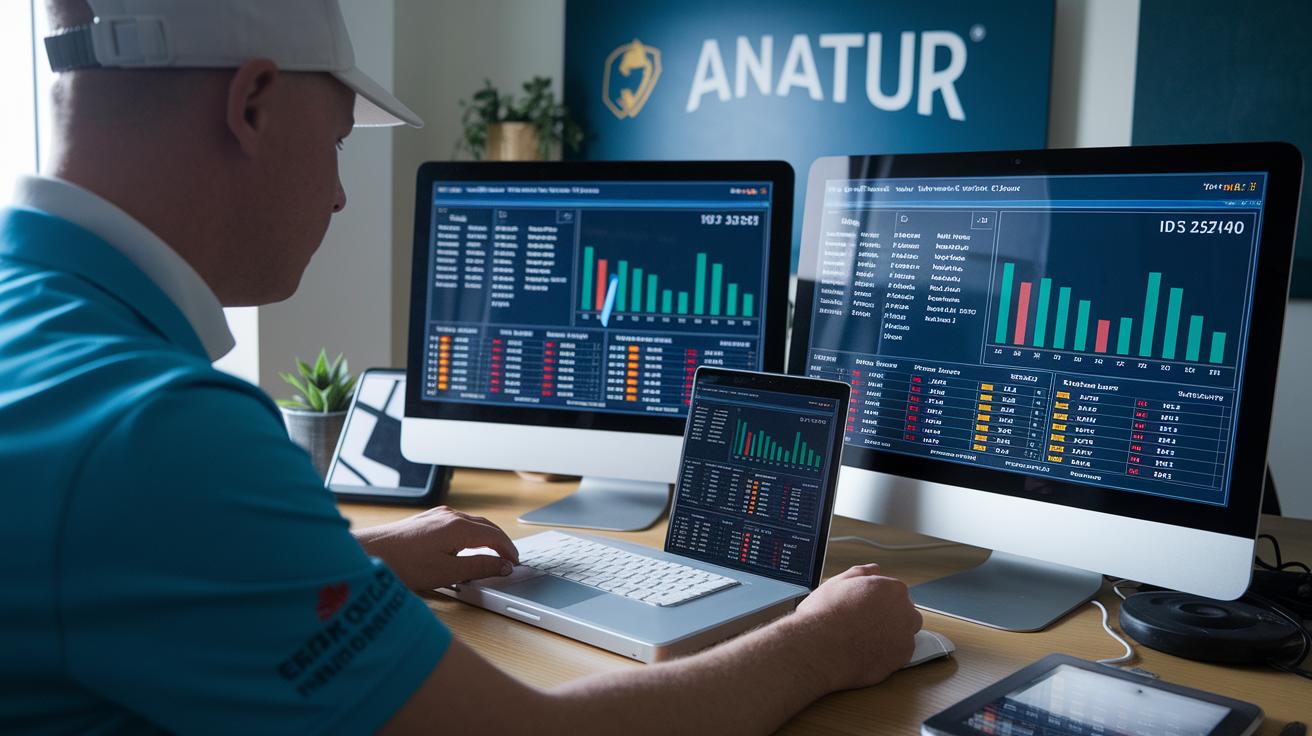
Golf tournament field analysis is like checking out the lineup before a big game. It helps you see which players have a strong history and which might have room to improve. We look at past scores and stats to spot strengths and weaknesses. Tools such as DFS Golf Pro’s course fit analytics, Solver Golf Sims, and DFS Top Plays break down each player's record into easy-to-read details. For example, Data Golf shows that The Players Championship field is the deepest on Tour, even when the PGA Championship has a tougher road to victory. You can find the full tournament lineup on the PGA Tour schedule.
This method focuses on two main numbers. The field depth score tells you how deep and talented the group is, while the win difficulty score shows how hard it is for one player to shine. When we review how a player's past results match up with the course layout and weather conditions, it's like finding just the right mix for a winning recipe.
| Tournament | Field Depth Score | Win Difficulty Score |
|---|---|---|
| The Players Championship | 9.5 | 7.8 |
| PGA Championship | 8.7 | 8.2 |
| Masters | 8.0 | 7.9 |
| US Open | 7.8 | 7.5 |
| The Open Championship | 7.5 | 7.3 |
Using this kind of analysis, both fans and organizers can dig into every detail. It makes the game even more exciting while giving everyone a clearer picture of the competition.
Player Performance Metrics in Golf Tournament Field Analysis

Strokes Gained Categories
We start with strokes gained numbers, which split into four parts: off-the-tee, approach, around the green, and putting. These figures show where a player shines and where they might need a little work. Experts use tools like DFS Top Plays and Solver Golf Sims to weigh the value of each stroke. For example, a top player once boosted their strokes gained off-the-tee by almost two strokes in a single round, making a huge difference on a tricky course. This kind of insight turns raw stats into clear, useful advice for improving play.
Scoring & Recent Form
Next, we check out scoring averages and top-10 finish rates. The scoring average tells us how steady a player is under pressure, while the top-10 finish rate shows their knack for competing with the best. These numbers give both fans and organizers a peek at which golfers are gaining momentum before big tournaments. Think of a player whose scoring average drops during tough rounds and who lands more top-10 spots, that’s a sign they’ve got the fire to compete at any level.
Mixing strokes gained data with scoring averages gives us a full picture of a player’s skill and current form. Looking at both helps us see where a player might cruise smoothly or hit a few rough patches on the green. This layered approach ensures every detail of performance is captured in a solid tournament field analysis.
Historical Depth and Course Compatibility in Golf Tournament Field Analysis

Take a look at five-year depth scores from Data Golf and you'll see some clear trends in top tournaments. For instance, The Players Championship, when compared to the majors, consistently shows a deeper field. This historical snapshot gives us a real sense of how tough the competition has been over the seasons.
Now, when we talk about course compatibility, TPC Sawgrass is a whole different story. Its unique layout, along with changing weather like wind and moisture, means golfers often have to switch up their game. With DFS subscriptions, you get handy tools like course fit analytics and weather splits that highlight these shifts. It makes spotting who thrives here and who struggles pretty straightforward.
Looking at past field-depth trends, you quickly notice which players stand out under pressure and which ones don't. Season after season, the records point to recurring patterns that hint at a breakthrough performance. This long-term view really helps in understanding how matchups evolve over time.
Simply put, blending historical trends with course compatibility data gives field evaluations a winning edge. Experts combine depth scores with current weather details to see how each golfer's skills match up with the course conditions. This thoughtful review not only shapes DFS projections but also fine-tunes tournament strategies, setting the stage for exciting matchups.
Key Matchup Evaluations and Head-to-Head Insights in Golf Tournament Field Analysis

When you line up the players for a golf tournament, head-to-head matchups tell you who’s likely to come out on top. These comparisons turn tough stats into clear insights that can even boost your DFS picks. Imagine two top golfers with similar recent play, sometimes a tiny edge in one detail can decide the whole game.
It’s also a smart move to watch for upset signs. A low-priced, underdog golfer might just outplay a heavy favorite. These potential surprises make the matchups even more exciting and help you spot the duels that might offer a big payoff if you’re placing bets.
Odds for duel wins put a number on each player’s chance when they face off one-on-one. In neck-and-neck contests, these odds break down the players’ strengths, letting fans and pros plan their moves round by round. This clear look at the numbers makes it easier to see where the real battle happens.
Statistical Forecast Models and Outcome Predictions in Golf Tournament Field Analysis

At DFS Golf, we mix several key elements to predict tournament outcomes. We use a consistency index (a tool that shows how steadily a player performs), market trends (which reveal player popularity and betting shifts), and risk factors like weather or course difficulty. By looking at past results, current performance, and the on-course setting, these models work like a tuned instrument, guiding our predictions with both numbers and real-life conditions.
Key predictive factors include:
- Consistency Index: Tracks how steady a player's game has been over time.
- Market Trend Overview: Shows which players are gathering buzz and attracting bets.
- Risk Appraisal Factor: Considers issues like weather, course challenges, and injury reports.
- Scenario Simulation Output: Lays out different outcomes based on changing conditions.
- Automated Win-Probability: Gives a current percentage showing a player's chance to win.
We put all these pieces together in forecast models that simulate how the tournament might play out before it even starts. By crunching lots of performance stats and market signals, these systems simplify outcome predictions for fans and teams alike. And if you want more background, checking out the upcoming golf tournament preview can add extra context to these numbers.
As the event unfolds, the models update with new data. For example, if a player's performance shifts during a round, the system promptly recalculates his win probability. This real-time adjustment makes sure everyone gets the freshest, most accurate picture, giving both bettors and fans a solid, data-driven edge.
Expert Opinions and Betting Insights for Golf Tournament Field Analysis

DFS Golf live Q&A sessions give experts a chance to share their picks with a friendly, firsthand take that blends real insights with digital reputation data. Experts say that a strong social media buzz can often reflect a player's on-course confidence. One expert explained, "When a golfer pops up frequently online, it hints at a mental edge that might not show through in the usual stats." This kind of feedback not only sharpens field analysis but also nudges bettors toward players whose online followings suggest they might be about to shine on the course.
Betting strategies now mix expert opinions with social media signals to pick up on real momentum. Experts track online chatter to find players who show genuine focus and competitive spirit. In simple terms, bettors are looking at more than just historical stats, they're also tuning into today’s media buzz that could sway in-game behavior. By combining expert advice with digital cues, bettors get a clearer sense of which players might have the edge when the tournament heats up.
Final Words
In the action, the article explored every aspect of a golf tournament field analysis, from comparing competition rosters to forecasting player dynamics using advanced metrics and historical trends. It covered head-to-head matchups, expert insights, and predictive models that reveal key strengths and potential upset indicators.
The study tapped into innovative tools that make course and performance evaluations crystal clear. The outlook is upbeat, paving the way for thrilling contests ahead.
FAQ
What do free golf data analytics and statistics tools offer?
The free golf data tools offer tournament field analysis, cut line insights, rankings, and strokes gained metrics to help you gauge performance and predict outcomes.
What is the 70 yard rule in golf?
The 70 yard rule in golf refers to the idea that shots taken from within 70 yards require a softer, more controlled approach rather than a full swing to improve accuracy around the green.
What is the 40 second rule in golf?
The 40 second rule in golf means that a player should take their shot within 40 seconds to keep the pace of play steady and the round flowing smoothly.
What is considered the strongest field in golf?
The strongest field in golf usually features a deep talent pool and high-ranked players, making major tournaments especially challenging and competitive.
How can I analyze my golf game?
Analyzing your golf game means reviewing metrics like strokes gained, scoring averages, and recent form to spot strengths and areas for improvement, helping you fine-tune your strategy.