

Ever thought about sharpening your golf game with a bit of science? Imagine every swing backed by a huge record of shots. Data-driven analysis turns cold numbers into smart, real-time advice that matters.
Instead of relying on your gut, you get clear stats that show your weak spots. This lets you tweak your swing and focus your practice on what really counts. Soon, you might notice fewer strokes and a boost in confidence on every hole.
Give it a shot and see how data can truly transform your game.
How Data-Driven Golf Performance Analysis Improves Your Score

Arccos Golf has tracked over a billion shots on the course. That's the largest collection of golf data around. Michael Hutchinson, the Senior Director of Data Science, says this huge stash makes every stat accurate and trustworthy. With a real-time loop, golfers see shot details and get tips they can use right away. For example, the analysis doesn't just log your drive, it also shows little details like swing speed and the ball's arc (the path the ball takes). Here's an interesting tidbit: before big data came along, experts had very few tools to predict a golfer's success.
One 12-handicap golfer dug into this treasure trove by reviewing ten rounds of play. It helped her spot issues with her driver. Instead of swinging blindly, she figured out exactly where her gear was holding her back. Thanks to clear data, every round turns into a chance to work on a weak spot. This approach replaces endless, generic practice with focused drills that cut strokes and boost confidence on each hole.
Using data in practice is changing the game when it comes to lowering scores. When you mix loads of shot data with smart stats, you can fine-tune every part of your game. You don't have to rely on feel alone; you now have solid proof to adjust your swing and plan your play. And with real-time feedback linking every tweak to better performance, golfers can sharpen their skills with each round. This modern, evidence-based practice really helps shave strokes off your score.
Evaluating Core Performance Metrics in Data-Driven Golf Analysis

When you dig into data-driven golf performance, it's not just about hitting the fairways. We look at things like strokes gained (how many strokes you save), shot dispersion (how far your shots spread), ball speed (how fast the ball goes), spin rate (how much the ball spins), and green-in-regulation percentage (how often you land on the green in the right number of strokes). All these stats come together to give you a clearer picture of your game.
There are also some hidden numbers, such as club motion dynamics and outcome consistency, that show how small changes can boost your score. With careful data collection and well-calibrated tools, every sensor reading offers a clue to understanding your swing and on-course performance.
Some of the key metrics we track include:
- Strokes gained per club
- Shot dispersion radius
- Ball speed at impact
- Spin rate and launch angle
- Green-in-regulation percentage
- Clubhead path consistency
When you check out these figures, you can spot little differences that might change your score. A small shift in ball speed or a tiny tweak in the clubhead path might be the difference between a great shot and a missed chance. By zeroing in on these details, golfers can adjust their practice, fix weak spots, and get more confident on the course. In short, these numbers turn raw data into tips that really help your game.
Leveraging Swing Biomechanics in Data-Driven Performance Analysis

Launch monitors such as TrackMan, Rapsodo, and FlightScope are shaking up how golfers fine-tune their swings. These tools capture details like club speed, swing angle, and the path of your club face in real time, giving you instant clues about your mechanics. For instance, you might notice that a tiny clubface misalignment can change your shot pattern, something you might otherwise miss.
Then there are 3D motion-capture systems that dive even deeper. They keep an eye on your joint angles, swing path, and how you shift your weight, key elements that old methods often overlook. With this tech, you can spot exactly where your swing veers off course or where your weight transfer during the downswing (the moment you move your body down) is off timing.
New biomechanical sensors now show how power moves from your body to your club by tracking energy transfer and measuring efficiency. Seeing these numbers lets you adjust your technique with pinpoint accuracy, and even small tweaks can lead to smoother, more powerful swings that really lift your game.
Implementing Shot Tracking Technology for Data-Driven Golf Analysis

Arccos shot-tracking sensors clip right onto your club grips and hook up with an app to record every shot you hit. They capture the full path of your ball, from start to finish, with clear, easy-to-read details. It’s like having a friendly coach watching every swing, giving you quick tips on how to improve.
Radar systems jump in by measuring key stats like launch angle, spin (the spin on your ball that affects its flight), carry distance, and total distance. They deliver readings so precise you can tell how a tiny change in your swing alters the ball’s journey. A small tweak here can mean a big difference on a tricky hole.
Mixing different sensor types gives you a full picture of how your ball flies during your round. When the systems work together, you see every detail from tee to green. This combined view helps you understand and fine-tune every part of your shot. Tracking each club’s performance means you can focus on making smart adjustments, which can really boost your game and lower your scores.
Designing Improvement Strategies with Data-Driven Coaching Tools
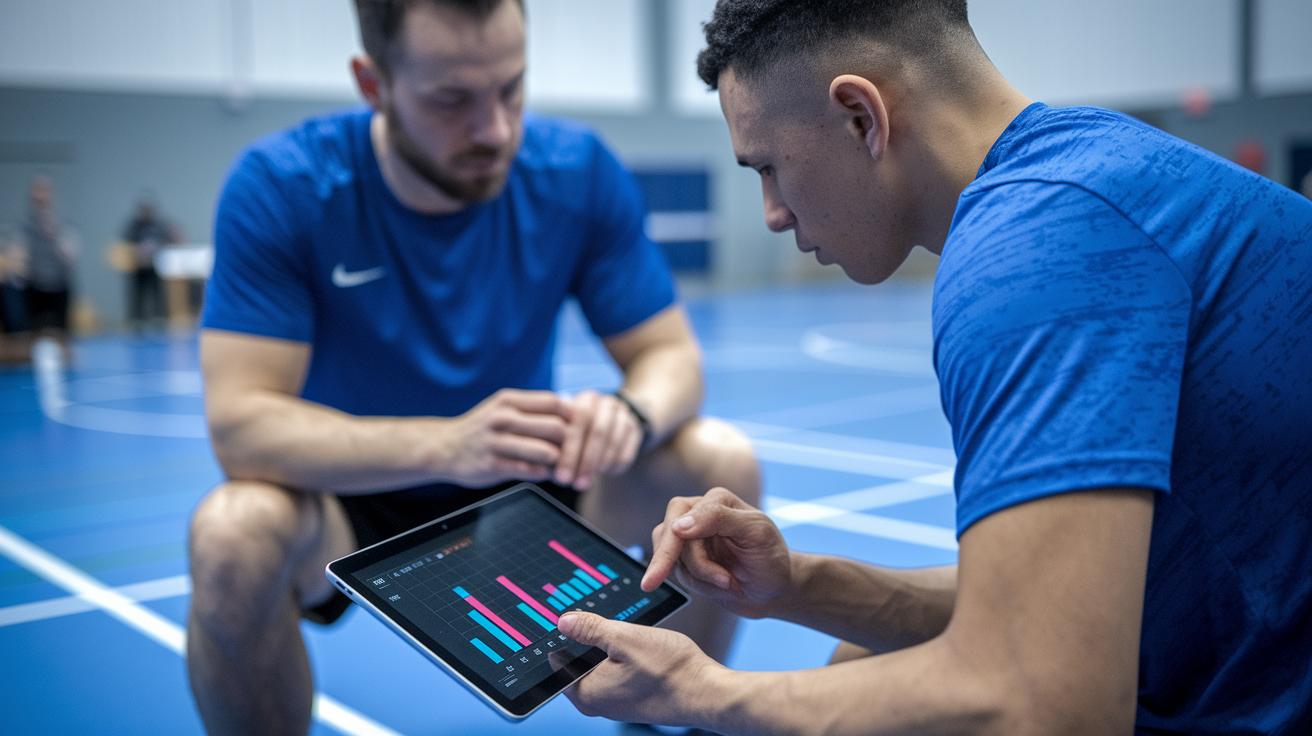
Predictive modeling uses past performance data to give players a good idea of where their shots might end up. This means players can set realistic goals for their game. Coaches use this info to build training routines that really target weak spots. For instance, a small change in stance on approach shots can lead to clear improvements.
Machine learning now plays a big role in shaping practice sessions. It looks at past rounds, figuring out what works and what doesn't. The result is a customized set of drills that help players work on exactly what they need, making each training session more effective.
Coaching tools now combine clear analytics dashboards, video reviews, and smart alerts to guide training. When hard data meets coach expertise, every on-course habit gets a fine-tuning. This mix of automated feedback and personal insight helps players improve steadily, making every swing matter.
Final Words
In the action, this post broke down how data and tech can sharpen your game. From real-time feedback to swing biomechanics and shot tracking, every piece of detail plays a role in lowering your score.
We talked about using data-driven golf performance analysis to pinpoint strengths and fix problems. The blend of hard data and coaching tools shows that improvement is just a swing away. Keep pushing forward and enjoy every shot on the green!
FAQ
What does data driven golf performance analysis PDF capture?
The data driven golf performance analysis PDF outlines key metrics from on-course shot data and real-time feedback. It explains how using this information can help golfers pinpoint weaknesses and lower their scores.
What do golf data analytics jobs involve?
The golf data analytics jobs involve examining large-scale shot and swing data to help players improve. Professionals use this data to uncover trends and guide targeted training strategies that refine overall performance.
What does the term data golf mean?
The term data golf means using numbers and sensor readings from shot tracking and swing biomechanics to assess performance. It helps highlight a player’s strengths and weaknesses for smarter improvement.
How does data science in golf work?
Data science in golf uses advanced analysis, like machine learning, to study metrics such as shot dispersion and club dynamics. It turns raw data into actionable advice that can enhance a golfer’s game.
What role does analytics in golf play?
Analytics in golf gathers information from shot tracking, swing sensors, and predictive models. It gives golfers clear insights into their performance, guiding practice routines and helping lower scores on the course.