

Have you ever thought about how golf commentary changed from soft radio chats to lively live broadcasts? Back in the day, broadcasters made every swing, chip, and putt sound fresh and friendly, painting a clear picture of the action for fans.
Then, as classic radio shows gave way to smart on-screen storytelling, the way we enjoyed the game shifted completely. Each era added its own flavor, connecting generations of fans to the heart-pounding thrills on the green.
Evolution of Golf Commentary: A Comprehensive Overview
Golf started long ago in 15th-century Scotland, but the lively chat we know today only came with broadcast media. In the 1920s, radio brought the game to life with clear play-by-play, letting fans imagine the crisp crack of the club and the soft murmur of the crowd. Want more details? Check out the history of golf commentary here. Those early voices set the stage and inspired the style we enjoy now.
Then came television, and golf commentary really stepped up its game. The 1958 Masters on CBS marked the start of live TV coverage, adding colorful visuals that brought the course to your living room. With real-time scoreboards and detailed analysis, announcers mixed sound and picture to capture every swing and putt. It was like being right there on the fairway with them.
Today, digital innovation shines bright with projects like The Open For The Ages. This show blends 50 years of archive footage with modern graphics and fresh storytelling. With over 300 digitally treated clips and 1,000 hours of editing spread across locations like St Andrews, London, and Las Vegas, the experience feels as live as it gets, despite being miles apart. It’s a perfect mix of historic charm and today's tech, showing just how far golf commentary has come.
Radio Announcer Origins in Golf Commentary

Back in the 1920s and 1930s, radio was the heartbeat of golf commentary. Broadcasters used friendly, warm voices that made you feel like you were right there on the green. They described every swing and putt so clearly that you could almost see the ball soaring.
They had a few special tricks up their sleeve:
- Vivid imagery: Their words painted a clear picture of every twist and turn on the course.
- Steady pacing: Each shot and sound got its perfect moment.
- Signature catchphrases: Memorable lines that captured the thrill of the game.
These talents set the stage for all future golf commentators. Even today, you can hear echoes of their style in every engaging call. Their storytelling turned simple updates into an immersive experience that still captivates us.
Television Golf Commentary: From Black-and-White to Color
Back in the day, golf commentary made a big leap from radio play-by-play to live TV storytelling. Early TV shows, like the 1958 Masters, moved away from distant voices and instead showed every swing, every putt's crunch, and every detail of the course. This change from black-and-white to color brought the game to life at home, imagine hearing the call and then watching the ball sail against a lush green backdrop, almost like a scene from an old favorite film.
By the 1960s, new on-screen tricks completely changed how fans watched golf. Live video combined with simple graphics and tools like telestration (drawing over the video to explain a play) helped viewers follow the game's strategy much better. Some of the big changes were:
- Color telecasts
- On-screen scoreboards
- Telestration
- Slow-motion replay
Technological Influence on Golf Commentary Play-by-Play Delivery
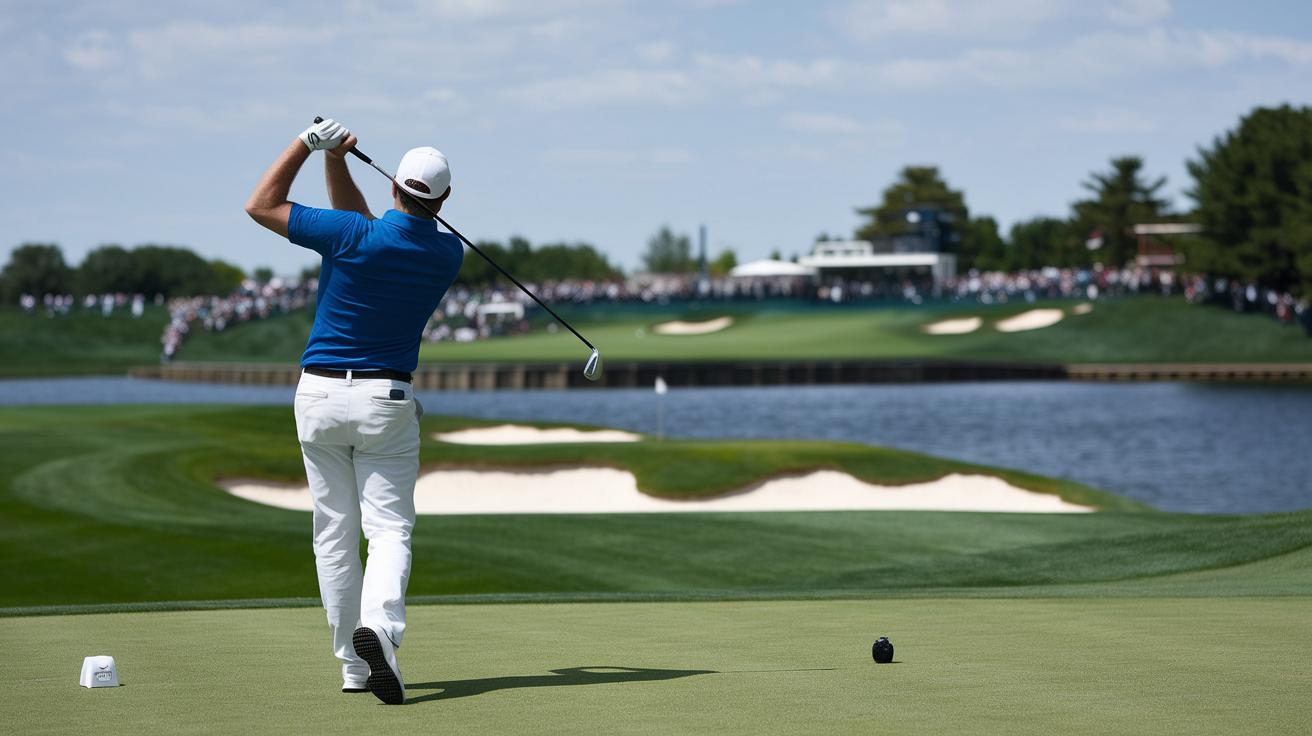
Today’s commentary mixes crisp sound and clear visuals with smart digital tricks. Wireless mics and high-def cameras bring sharp audio and lively pictures, while new digital tools mix old highlights with fresh on-screen graphics. Imagine watching a slow-motion replay where player stats pop up as soon as the swing happens.
| Technology | Date Introduced | Impact |
|---|---|---|
| Wireless mics | Early 2000s | Clear sound and easy movement |
| High-def cameras | Mid 2000s | Bright, sharp visuals |
| GPS shot-tracking | Late 2000s | Exact play analysis |
| On-screen stats | 2010 | Quick look at player performance |
| Augmented reality overlays | Modern era | Interactive and immersive visuals |
Real-time data adds a new layer to the viewing experience. By mixing live stats with clear visuals, commentators share technical insights that make each moment feel extra exciting. This modern twist sets today’s play-by-play apart from the old ways.
Iconic Golf Commentators and Historical Announcer Milestones
Peter Alliss set the bar high for golf commentary. He was known as “The Voice of Golf” for his clear game analysis and his well-loved catchphrases that many fans grew up with. Imagine him describing a big putt with, "That shot is poetry in motion!" His words may have been predictable, but they brought comfort and a timeless feel to the game. His decades of experience still shine through, leaving a lasting mark on how we enjoy golf on TV.
David Feherty brought a fun twist to golf commentary. He mixed humor with personal stories and made you feel like you were chatting with an old friend on the course. Picture him sharing a quirky memory just when tension was high, it always lightened the mood and made the game feel more relaxed. Feherty broke away from the usual style, paving the way for broadcasts that are both entertaining and easy to connect with.
| Commentator | Notable Style |
|---|---|
| Ken Venturi | Sharp insights and calm delivery during key moments |
| Gary McCord | Expert analysis mixed with unexpected, humorous asides |
| Nick Faldo | Technical know-how paired with contagious enthusiasm |
Digital Era Golf Commentary: Streaming, Social Media, and Interactivity

Live-streaming has changed the way we watch golf. Now, you don’t just watch the game, you experience it right on your device. Broadcasters can connect from all over the world, making each tournament feel close and real. And with social media in the mix, fans share live tweets and posts that add their own voice to the action.
Today’s golf broadcasts mix sharp insights with a friendly, playful vibe. They invite viewers to join in on the fun by letting them comment on every swing. You can get in on the action with cool features like live polls, multi-angle replays, chat Q&A, fan-curated highlights, and even integration with wearable stats.
This blend of classic commentary with digital interactivity is reshaping the way we enjoy golf. By combining streaming tech, social media buzz, and engaging tools, every key moment comes to life. It’s a new era where fans can connect, share, and cheer on the game from anywhere in the world.
Future Trends in the Evolution of Golf Commentary
Golf voices are changing, and it feels like you’re part of the game. Commentators are trying out smart new tech to make every match feel personal and fun. They blend easy-to-understand analysis with cool visuals so you never miss a part of the swing. Imagine watching a game with live stats popping up on the screen and insights shared as the action unfolds. These fresh ideas promise to bring a whole new level of excitement and depth to every round.
| Key Innovation | What It Does |
|---|---|
| AI-driven play analysis overlays | Smart tools that break down each shot in real time |
| Augmented reality viewer personalization | Personalized info shows that make you feel part of the action |
| Virtual-reality immersive call-along experiences | A VR setup that lets you join the commentary and feel like you’re on the course |
Final Words
In the action, we traced the journey from lively radio play-by-play to vivid TV broadcasts and now, dynamic digital experiences. We highlighted classic voices, modern tech, and fresh interactive moments that have reshaped the way we enjoy golf. The evolution of golf commentary shows how every chapter adds flair and excitement. The story continues to bring fresh twists and innovative insights, keeping fans eagerly connected to their favorite sport. It's a thrilling ride filled with memorable calls and constant innovation.
FAQ
Q: Who said golf is 90% mental?
A: The quote “golf is 90% mental” is tied to legendary figures like Bobby Jones, stressing that mental focus and strategy greatly influence performance on the course.
Q: Why is the golf commentary so quiet?
A: The golf commentary is quiet to let the natural sounds of the course shine through, allowing fans to catch every subtle detail and feel immersed in the game’s atmosphere.
Q: Who was the famous golf commentator?
A: The famous golf commentator is Peter Alliss, celebrated for his traditional style and memorable phrases that have long enriched golf broadcasts.
Q: How did golf evolve over time?
A: Golf evolved from early radio play-by-plays to modern live broadcasts with visuals, digital enhancements, and real-time data that capture both the excitement and rich history of the game.