

Have you ever wondered why some golf calls let you feel every moment of the game? A great call isn't just about sharing stats, it hides three key ideas: Precision, Pace, and Personality.
When a commentator chooses just the right words at just the right time, every shot comes alive. With perfect timing and a warm, friendly tone, the call turns a simple play into a vivid story you can almost see.
In this post, we're diving into how a smart blend of clear ideas and real passion creates calls that truly shine.
Building Blocks of Effective Golf Commentary
Great golf commentary starts with three key ideas: Precision, Pace, and Personality. Commentators share smart ideas instead of obvious facts, using clear words to capture those game-changing moments without drowning you in extra details. For example, one commentator practiced by watching every televised swing, honing his timing and tone before he even stepped into the booth. That kind of prep sharpens his delivery and makes the call memorable.
Looking back, the way we talk about golf has changed a lot. In the 1920s, commentators used dramatic language to set the scene. By the 1980s, on-course mics picked up natural sounds like the crisp thwack of a drive, mixing game sounds with storytelling. And since the 2010s, our calls have blended cool stats with animated tales, turning an average shot into something truly artistic. Imagine hearing, "The ball soared like a well-timed arrow, carving its way through a sea of competitors." It really brings the moment to life.
Today’s broadcasters mix technical details with a lively story feel. They use precise words to mirror the game’s nuances and connect with both seasoned fans and newcomers. By weaving in real-time stats and expert views, every word helps lift your viewing experience. When you add in these building blocks, you get commentary that’s clear, dynamic, and filled with the infectious thrill of live golf.
Vocal Delivery and Pacing for Golf Commentary

Golf commentary is more than just words, it's a craft where every call is delivered with heart and precision. Commentators often drop their volume to a soft whisper as a player lines up their shot, keeping the focus sharp and the tension palpable. One might even hear a gentle murmur like, "The silence is almost as powerful as the shot itself," perfectly capturing the build-up before a critical swing.
Clear speech is a must so that every detail reaches you, even when the call is muted. A smooth, varied tone keeps things interesting; a calm call can quickly turn lively when a dramatic putt unfolds. Simple cues like "steady swing" or "nice follow-through" highlight key moments without crowding the listener’s attention.
By focusing on the game’s most crucial moments and using thoughtful voice shifts, every soft-spoken word builds excitement while respecting the quiet concentration needed on the course. This careful mix of tone and timing pulls fans into every score and play.
In short, each well-placed note and gentle inflection turns a standard call into a truly memorable broadcast moment.
Precision Play-By-Play and Strategic Shot Calling
Calling a golf game live is like telling a great story on the course. Commentators pick out the key moments, painting the scene with details like club choice, wind, and the ball’s lie. You can almost hear, "He grabs his pitching wedge, lets a gentle wind carry the ball, and it lands softly on the green." It’s these little details that bring every thrilling moment to life.
Timing is key. A well-timed call captures every swing, every ball’s flight, and that perfect landing. When a golfer makes a tough shot, the announcer points out exactly what made it special. One moment, you might hear, "A powerful drive cuts through the calm, setting up a crucial shot." It’s like listening to the crisp click of a club hitting the ball.
Every comment blends smart analysis with the excitement of a great story. Breakdowns of each play turn ordinary moments into highlights that feel as fresh as a perfect day on the course. Fans get pulled into the action, noticing every bit of strategy and skill that makes the game so special.
Integrating Technical Analysis in Golf Commentary

When you're watching live golf, clear technical analysis turns every call into an engaging story. Commentators often zoom in on that special 20 percent of plays, like a perfectly timed drive or a smart approach shot, that truly make the difference. They know that even though about 70 percent of a player's performance is built on solid technique, those standout moments steal the spotlight.
Before a big event like the Rolex Grand Final 2025, experts gather the latest info. They'll dig into player stats, think of numbers like Tommy Fleetwood's recent performance, to reveal the strategy behind each brilliant shot. It’s like getting a behind-the-scenes peek at what makes a great play.
During the game, you might hear a commentator say, "Watch how his club choice fits the wind and the lie," which helps you see the smart tactics in action. They blend fresh data with field observations to show what counts on the course. These technical insights, mixed with real-time commentary, truly bring the game alive. Here’s a quick snapshot:
| Player | Recent Stats |
|---|---|
| Tommy Fleetwood | 85% fairways hit, 78% greens in regulation |
By pairing crisp data with on-the-ground insights, every moment feels more impactful, and the game's story comes alive just like the satisfying crack of a well-hit ball.
Crafting On-Course Narratives and Storytelling
On-course commentary can turn a usual update into a real treat. Imagine hearing a call that mixes the thrill of a sudden Ryder Cup comeback with the steady focus of each swing. Commentators share little stories, like a favorite memory of a game-changing shot, that make each moment pop. One call might go, "He lines up his putt, and you can almost hear the cheers of history," linking the present play with legends of the past.
Then there are segments like "What's in the bag," where insights about a player's gear come to life. Picture a moment when someone remarks, "Junghwan Lee’s club choice reminds me of when tradition met fresh ideas on the green." It feels like chatting with a friend who loves the game just as much as you do, mixing humor with solid insights. Each word draws you into the drama of the course and highlights the unique journey of every player.
Engaging Audience Through Interactive Commentary

Interactive commentary pulls fans right into the live action. Commentators often pause to ask fun questions like, "Which shot do you think will change the game?" This makes the broadcast feel like a chat with friends.
They also spark social-media polls with prompts like "Vote now: Best drive of the day!" to keep the conversation buzzing and the crowd engaged. It's all about inviting viewers to join in and feel like part of the action.
Right after a big moment, you might hear a call such as, "After that stunning bunker save, the crowd roars as one!" This kind of cheering turns every pivotal shot into a mini celebration. Commentators tune their style to suit everyone from first-timers to long-time fans, sharing fun facts and easy comparisons to bring the play to life.
These lively, interactive touches help each fan feel connected to every play, making the whole event experience warm, real, and truly unforgettable.
Pre-Event Preparation and Post-Round Analysis
Top commentators spend lots of time getting ready before an event. They study the course layout, check the weather reports, and look at how players have been doing lately. One expert mentioned, "Before the Maybank Championship 2025, I dug into past results and player backgrounds to spot trends." This shows that a little extra research makes a big difference.
Before a tournament, every little detail counts. Commentators review recent weather changes and think about how the course might challenge different shots. They study the course map to find spots where players could struggle or really shine. Then, during the live call, they use these insights to make each swing feel part of a well-built story.
After the round, the focus shifts to looking back at what happened. Data and quick reviews help wrap up the day’s action. Commentators point out what worked well and compare today's play to past tournaments, like the Maybank Championship 2025. You might even hear someone say, "Today’s game echoed last season’s brave play." Suddenly, dry stats turn into a lively recap.
This mix of careful planning and honest review adds real depth to every call, making it clear that every word comes from a true love for the game.
Innovating Broadcast Strategy for Modern Golf Commentary
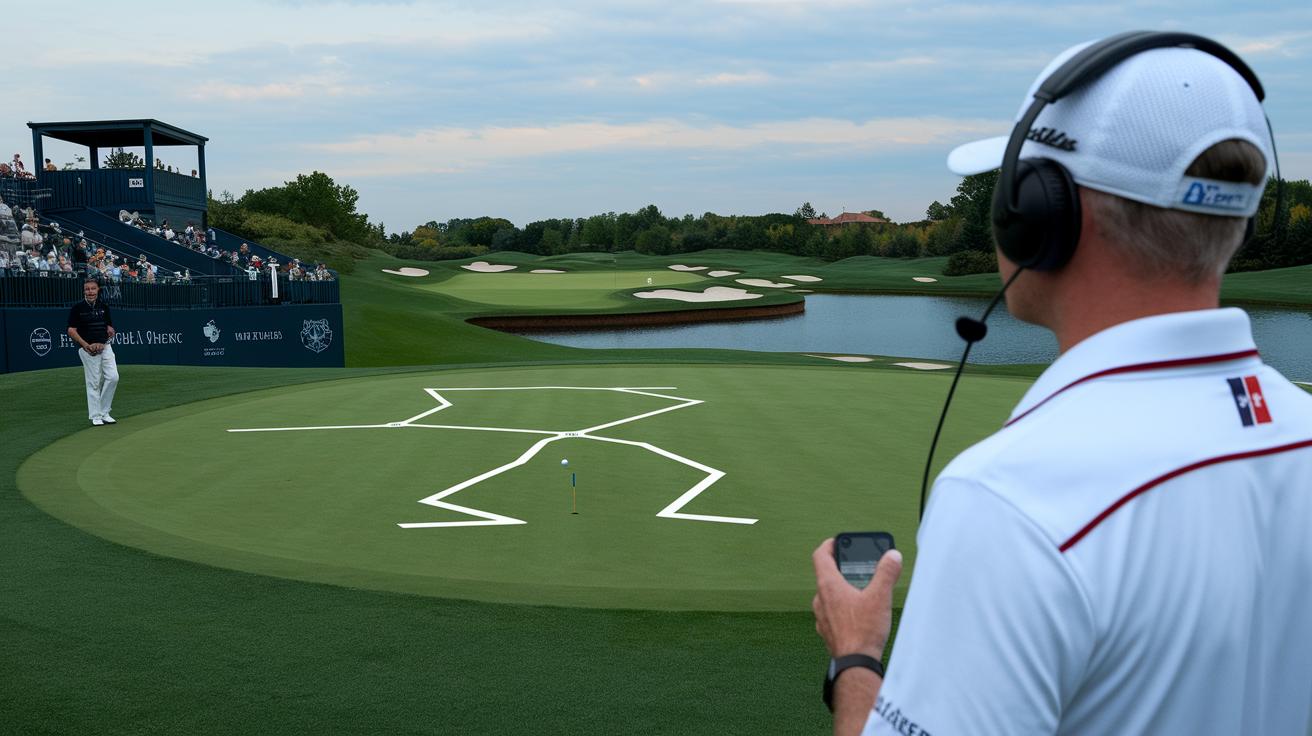
Technology is changing how we watch golf on TV. Broadcasters mix planned commentary with off-the-cuff calls to keep things lively. Picture a commentator who has his lines ready but suddenly changes his call as a golfer lines up a big shot. That blend of scripted words and real-time reactions makes the game feel both exciting and genuine.
New tools like live graphics and mixed-reality overlays are part of the game now. They show cool details like ball speed or where the ball might go during a swing. Imagine a clear chart popping up right when the golfer impacts the ball, it helps fans see the shot’s impact instantly.
On-course microphones add even more realism. You can hear the crowd’s gentle hum and the sharp sound of a club striking the ball, making you feel like you’re right there on the course.
Plus, interactive viewer prompts are now a thing. They invite fans to share their thoughts during live play. For example, a prompt might pop up asking, "What do you think the best shot of the day is?" This fresh twist not only informs but also pulls the audience deeper into the game, making every moment unforgettable.
Final Words
In the action, we broke down how each component brings commentary to life. We explored the core building blocks, from dynamic vocal delivery and precise play-by-play to smart technical analysis and engaging narratives. The article highlighted key elements of effective golf commentary with insights into industry best practices and professional broadcast techniques. It’s clear that mixing clear, timely calls with thoughtful storytelling keeps every listener hooked. Positive energy and expert precision drive the sport's narrative, building a real connection with everyone on the course.
FAQ
Q: What are the 3 C’s of golf?
A: The 3 C’s of golf represent skills like control, commitment, and consistency. They highlight the need for steady swing mechanics and smart play throughout a round.
Q: What is the 70/30 rule in golf?
A: The 70/30 rule in golf means that 70 percent of your success comes from strategy and mindset, while 30 percent relies on the technical skill and execution seen in each shot.
Q: Did Amanda Balionis quit golf?
A: The claim about Amanda Balionis quitting golf isn’t true. She continues to work in sports journalism and remains an influential voice in golf commentary.
Q: What are the 3 P’s in golf?
A: The 3 P’s in golf are Precision, Pace, and Personality. They guide effective commentary by emphasizing accurate detail, timely delivery, and a warm, engaging style.