Analysis
Choosing Golf Courses for High Handicappers Made Easy
By chadrickson
November 14, 2026
Field Notes
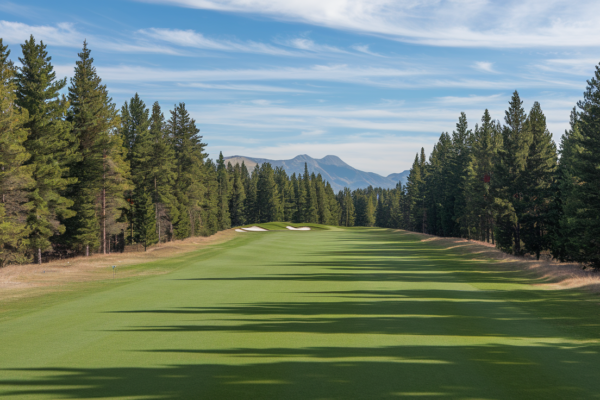
Not every famous course is right for high handicappers — and that’s okay.
What matters more is tee choice, slope, yardage, and how the layout treats a miss.
In this post you’ll get a short, practical checklist to find courses that actually let higher-handicap players score and enjoy the round.
We’ll explain which numbers to check on the card, what course features help you escape trouble, and how to pick the right tees so you’re not playing a course built for bombers.
By the end you’ll know how to shortlist courses that turn bad swings into bogeys instead of blow-ups.
Quick Checklist for Finding a Forgiving High-Handicap Course
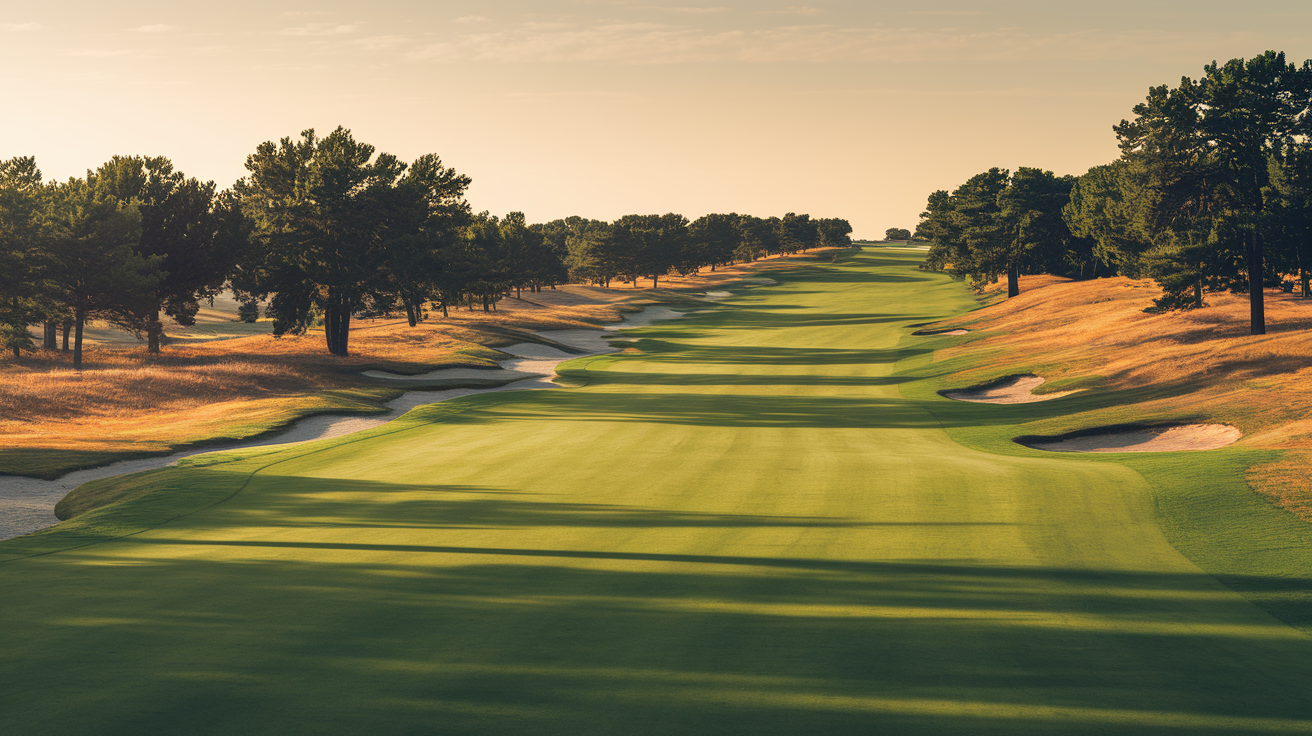
Course suitability has less to do with a famous name on the sign and a lot more to do with which tees you play and how the layout handles a miss. A prestigious course can be perfectly forgiving from the right tees, and an unknown muni can be brutal if you pick the wrong ones. That’s the real starting point before anything else.
Run any course you’re considering through this checklist first:
- Look for a slope rating of 120 or below.
- Prefer a Course Rating no more than 2.0 strokes above par.
- Confirm that a rated tee set falls within approximately 4,800 to 6,200 yards.
- Check that forward tees offer a meaningful reduction from the back tees.
- Favor wide landing zones, visible targets, and safe bailout areas.
- Avoid layouts dominated by forced carries, water, or deep bunkers.
- Look for playable rough and large, receptive greens.
- Check recent reviews for evidence that the course suits beginners and higher handicap players.
You won’t find a course that checks every single box, and honestly, that’s fine. Shortlist the ones that hit most of these marks rather than holding out for perfection. The sections below break down exactly how to read each of these numbers and features so you’re not just guessing when you look at a scorecard.
Golf Course Ratings and Yardages High Handicappers Should Check
(((alt-img2)))
Course Rating tells you what a scratch golfer (someone who plays to a zero handicap) is expected to shoot from a specific set of tees. It’s not the same thing as par, and that gap matters. A par 72 course with a Course Rating of 76 is playing harder than its par suggests. For high handicappers, a rating within about 2.0 strokes of par is a good sign the layout isn’t stacked with penal trouble that even scratch players struggle to avoid.
Slope rating is a different animal. It measures how much harder a course plays for a bogey golfer compared to a scratch golfer, on a scale that runs from 55 to 155, with 113 set as the standard. A higher slope means the course punishes bogey level mistakes more severely relative to how it treats a scratch player’s round. For a friendlier experience, aim for a slope at or below 120, and treat anything above 130 with some caution. Here’s the thing though, these numbers are tee specific. The same course can carry a slope of 142 from the tips and 108 from the forward tees, so always check the figures for the exact markers you plan to play, not just whatever number shows up first in a search.
| Metric | What It Measures | Forgiving Benchmark | Caution Point |
|---|---|---|---|
| Slope Rating | Relative difficulty for a bogey golfer vs. a scratch golfer | 120 or below | Above 130 |
| Course Rating | Expected score for a scratch golfer from that tee | No more than par plus 2.0 | Rating climbing well past par |
| Total 18-Hole Yardage | Overall length from the tees you’ll actually play | Roughly 4,800 to 6,200 yards | Approaching or exceeding 7,000 yards |
These three numbers give you a solid first read on how a course is likely to play, but they only tell part of the story. A short, low slope course can still beat you up if it’s lined with trees and deep bunkers. So you’ll want to look at the physical features and green complexes separately before you book.
Forgiving Course Features That Help High Handicappers Score Better
(((alt-img3)))
Numbers on a scorecard only tell part of the story. What actually happens out on the turf, how wide the fairways look, how the greens receive an approach, where the trouble sits, matters just as much as any rating.
Fairways, Landing Zones, and Sightlines
A course that gives you room to miss is a course that lets you keep playing instead of searching for a ball or taking a drop. Wide corridors, clear sightlines to the target, and more than one safe landing area all reduce the penalty for a slice, a hook, or a shot you just plain topped. A rough guideline worth using is fairway width visibly wider than about 30 yards on a satellite view or yardage map. Flat or gently rolling ground helps too, since a mishit on sloped terrain can roll into trouble that a flatter lie would never find.
Greens, Rough, and Recovery Areas
Big, receptive greens, generally larger than roughly 4,000 square feet, give you a bigger target to aim at and more margin when your distance control is still a work in progress. Moderate green speeds and simple, uncomplicated contours make for easier two-putts instead of three-putt disasters. Closely mown fringes and rough shorter than about 2 to 3 inches let you play a bump-and-run when you miss a green, which is a far easier shot than hacking out of thick stuff with a lofted wedge.
Water, Bunkers, and Forced Carries
There’s a real difference between a hazard you can play around and one you’re forced to fly over. High handicappers do better on courses where bunkers sit away from common landing zones and water comes into play only as an option, not a requirement. Shallow or positional bunkers let you escape without burning extra strokes, and fairways that allow the ball to run out toward the green mean you don’t need to carry every yard through the air.
Put these pieces together and you get a course that turns a bad swing into a bogey instead of a blow-up hole. Wide fairways, generous greens, and hazards placed as options rather than obstacles all work toward the same goal: fewer penalty strokes, shorter recovery shots, and scores you can actually feel good about walking off the 18th green.
Tee Box Selection for High-Handicap Golfers
(((alt-img4)))
Tee color doesn’t determine who should play which markers. That red, white, or blue designation is really just a label
Final Words
Standing on the first tee, the smartest move is picking the right tees and a forgiving layout—not chasing a famous name.
Use the quick checklist: slope around 120 or less, Course Rating within +2, tees that leave reasonable approach distances, wide landing zones, few forced carries, receptive greens, and recent player comments.
Do the simple homework—scorecard, maps, photos, and reviews—and favor off‑peak times.
Use this approach to make choosing golf courses for high handicappers easier, and enjoy more confident, fun rounds.
FAQ
Q: What do high handicappers mean in golf?
A: High handicappers means golfers whose handicap index is generally 20 or higher, showing less consistent scoring; they usually play forward tees and benefit from wider fairways and forgiving course features.
Q: Why are jeans not allowed in golf?
A: Jeans are often not allowed in golf because many courses enforce dress codes that prefer neat, breathable golf attire to protect turf, respect tradition, and maintain a tidy clubhouse atmosphere.
Q: Where is the hardest golf course in the US?
A: The hardest golf course in the US is not universally agreed; courses often cited as among the toughest include Oakmont (PA), Pine Valley (NJ), and Cypress Point (CA), depending on conditions and setup.
Q: What age is considered senior for golf?
A: Senior for golf is commonly defined as age 50 by major organizations, though some clubs and competitions use 55, 60, or 65 — always check the specific event or club rules.