Business
How to Arrange Golf Team Building Activities Successfully
By harrycolson
November 18, 2026
Field Notes

Think golf team building is just awkward networking on a green?
Here’s the thing: done right, golf gives teams hours of low-pressure conversation and real decisions to make together.
This post gives a short, practical plan for a half-day outing that keeps newer players comfortable, keeps pace steady, and builds real teamwork.
You’ll learn the best format, a sample agenda, and simple planning steps you can use whether your group is 12 or 120.
Golf Team-Building Event Planning at a Glance
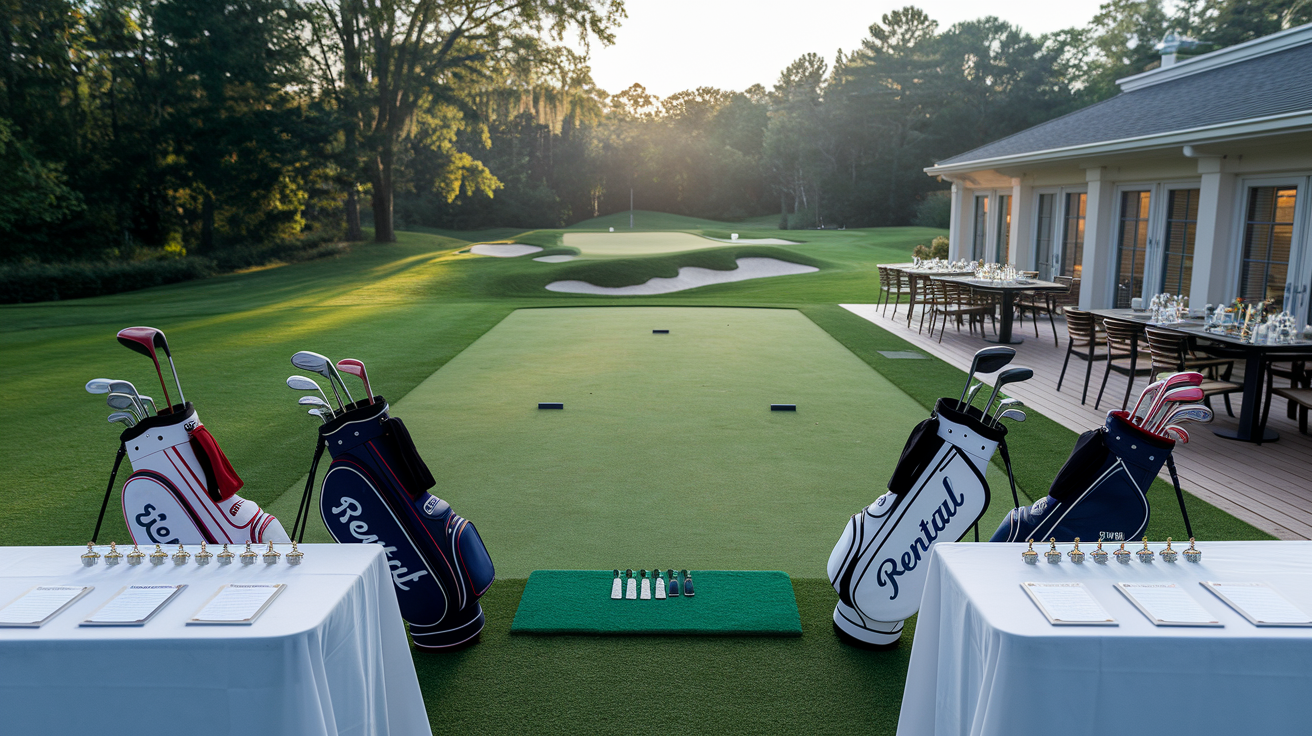
If your group has a mix of skill levels, here’s the simplest path to a good day: a 9-hole four-player scramble, a 30 to 60 minute beginner clinic, and a shared meal with awards at the end. This takes the pressure off newer golfers, keeps everyone moving at roughly the same pace, and gives each team a reason to talk through shots together instead of stressing over their own scorecard.
Timing matters more than most organizers expect going in. For a standard public-course event, start planning 6 to 12 weeks out. Booking a private club, chasing a peak-season date, or coordinating a larger group? Give yourself 3 to 6 months instead. One more thing that saves headaches later: name one event owner, plus 1 to 2 backups, right from the start. Someone needs final say when decisions stall.
Here’s a step-by-step breakdown to get you moving:
- Define 2 to 3 measurable team-building goals.
- Survey attendance, experience, accessibility, and rental needs.
- Establish the total and per-person budget.
- Shortlist venues within 30 to 60 minutes of the workplace.
- Select a scramble, clinic, skills circuit, or hybrid format.
- Place a provisional booking and review its terms.
- Create balanced teams and alternative activities.
- Confirm catering, equipment, transport, and staffing.
- Issue the agenda, etiquette guidance, and weather policy.
- Collect scores, participation data, and post-event feedback.
For a 60-player group, a sample half-day agenda might look something like this:
- 8:00 to 8:45 AM: registration, club collection, and refreshments
- 8:45 to 9:00 AM: welcome, safety guidance, and rules briefing
- 9:00 to 11:30 AM: clinic warm-up and 9-hole scramble
- 11:30 AM to 12:30 PM: shared meal, awards, and team debrief
Pros and Cons of Golf Team-Building Activities
(((alt-img2)))
Golf can be a genuinely great team-building tool, but it won’t be the right fit for every group or every budget. Before you commit a date and a deposit, it’s worth weighing what golf actually delivers against what it demands from your people and your planning time.
Pros:
- Cross-department conversation happens naturally over 2 to 5 hours together. A one-hour meeting just can’t replicate that.
- Rotating leadership lets quieter employees step up when it’s their turn to read a putt or call the shot.
- Shared problem-solving comes built in, especially in scramble formats where the team picks the best ball each time.
- Flexible competitive intensity means you can dial it up for a client day or keep it relaxed for internal bonding.
- Outdoor settings give people a reason to walk and talk without the stiffness of a boardroom.
- Charity and sponsorship opportunities, like mulligan sales or hole sponsorships, can tie the day to a bigger cause.
Cons:
- Weather exposure is real. A rained-out day needs a backup plan, not just hope.
- Variable skill and confidence can leave newer golfers feeling exposed if the format isn’t chosen carefully.
- Time commitment adds up fast. An 18-hole round alone can eat 4 to 5 hours.
- Accessibility concerns around walking distance, cart access, and mobility need real attention, not an afterthought.
- Equipment and venue costs stack up quickly once you add rentals, carts, and catering.
- Pace-of-play delays can throw off a tight schedule, especially with larger groups.
Golf tends to work best for teams that want extended, informal interaction and shared decision-making over the course of a few hours. It’s a tougher sell when your group has limited time to spare, significant mobility needs across the team, or people who just aren’t drawn to sports-based events.
Golf Venue Selection for Team-Building Activities
(((alt-img3)))
A full 18-hole course isn’t always the right call. Driving ranges, indoor simulators, and short par-3 courses can work just as well, sometimes better, depending on your group’s skill level, your timeline, and how much of the day you actually want spent swinging a club.
The venue you pick should come down to travel time, how many people are coming, what kind of golfers they are, and how long you want the event to run. A venue 15 minutes from the office with a simple 9-hole layout might serve your goals far better than an hour-long drive to a championship course nobody in the group can comfortably play.
Before signing anything, walk through this checklist:
- Distance and transport access
- Maximum player and spectator capacity
- Tee-time or shotgun-start availability
- Practice and teaching facilities
- Rental clubs in suitable sizes and orientations
- Cart fleet and accessible transport
- Catering and alcohol policies
- Clubhouses, restrooms, and ADA-accessible routes
- Parking, signage, power, Wi-Fi, and AV
- Weather shelter, rain date, insurance, and permit requirements
| Venue Type | Suitable Group | Typical Cost | Best Use | Main Limitation |
|---|---|---|---|---|
| Public course | Mixed-skill corporate groups | $30 to $150 per player | Standard full-day or half-day outings | Shared tee times with the public |
| Private club | Executive or client-focused events | $2,000 to $15,000 midweek minimum | Exclusive use and premium service | Higher cost and longer lead time |
| Driving range | Beginner-heavy or casual groups | $200 to $1,000 for exclusive use | Skills stations without a full round |