Business
Choosing Golf Courses for Mixed-Skill Corporate Groups Made Easy
By Golf For Life
November 16, 2026
Field Notes
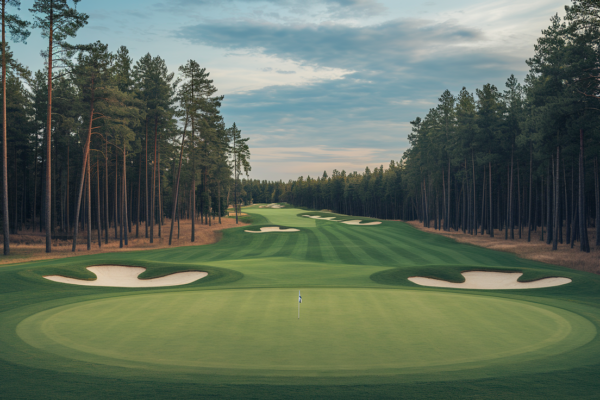
What if your company golf day leaves the new hire more embarrassed than a rookie at a team meeting?
Picking a course for mixed-skill groups shouldn’t be a guessing game.
You want a layout and services that let beginners enjoy the round and low-handicappers still get a challenge.
This guide gives a quick, practical checklist you can use before you call a course, so everyone finishes smiling, not relieved the day is over.
A Quick Venue Checklist for Mixed-Skill Corporate Golf Groups

Picking golf courses for a mixed-skill corporate group comes down to one test: will your newest player enjoy the day as much as your scratch golfer? That’s really the whole job. Corporate golf venue selection isn’t about the fanciest clubhouse or the longest championship tees. It’s about a layout that works for people with totally different swings, speeds, and comfort levels on the course.
This kind of planning starts before you even call a course. You need to know what you’re looking for, so when a sales rep tells you it’s “great for everyone,” you can actually check that claim. Accommodating beginners and experts on the same scorecard means looking at tee options, pace controls, and support services. Not just pretty photos on a website.
- Does the course offer at least 3 tee sets with real yardage separation between them?
- Are the fairways wide, with bailout areas and few forced carries over hazards?
- Is there a driving range, putting green, and short-game practice area on site?
- Can the venue provide rental clubs and basic instruction for first-timers?
- Does the course have enough capacity (holes, tee sheet, starters) for your expected headcount?
- Can the venue run a scramble, shotgun start, or 9-hole format if you need one?
- Is there catering, usable meeting space, and something for non-golfers to do?
- Will the venue give you clear package pricing, weather policies, and accessible facilities in writing?
A venue doesn’t need to play easy from every tee box. It needs flexible routing and solid event services so each ability level can show up, play their own game, and still feel like part of the same event.
Course Types, Trade-Offs, and Destination Options
(((alt-img2)))
A name-brand course looks great in the invitation email, but prestige alone won’t carry your event. What actually matters is playability for your group, how comfortable people feel all day, the service your team gets, and whether you’re getting real value for the spend. Corporate golf venue selection works best when you treat course type as a starting filter, not a final answer.
| Course Type | Advantages for Mixed-Skill Groups | Possible Drawbacks | Best Corporate Use | Indicative Price or Planning Note |
|---|---|---|---|---|
| Championship/Resort | Premium conditioning, full event staff, strong hospitality | Can feel intimidating to new players, higher cost | Client entertainment, flagship annual events | Often $80 to $400+ per player |
| Parkland/Municipal | Forgiving layouts, good value, relaxed atmosphere | Event facilities and staffing may be limited | Large internal team events, budget conscious outings | Commonly $20 to $80 per player |
| Executive/Par 3 | Short rounds, low pressure, quick learning curve | Less challenge for low handicap players | Half day events, tight schedules, large non golfer mix | 9 holes often run 60 to 90 minutes |
| Private Club | Polished service, quiet pace, strong amenities | Access restrictions, guest limits, higher fees | Executive retreats, smaller VIP groups | Membership sponsor usually required |
| Driving Range/Academy | Built for instruction, approachable for nervous beginners | No full round available on site | Clinics, team building without a full tournament | Often priced per bay or per session |
| Links Style | Open sightlines, firm fairways, distinct strategic options | Wind and bounce can frustrate beginners | Groups with a mix of experienced and adventurous players | Pricing varies widely by region |
A few destination examples show how this plays out in real planning, drawing on The Best Golf Resorts for Corporate Retreats and Team Building:
- Scottsdale, Arizona: Hyatt House Scottsdale Old Town offers a $141 low season lodging anchor with easy access to area courses spanning several difficulty levels.
- Pinehurst Resort, North Carolina: a strong pick for large or segmented groups since its 9 courses let you route players by ability, with a $513 low season starting rate.
- Sea Island Resort, Georgia: good for premium events, with 3 championship courses, varied lodging, dining, spa facilities, fishing, and paddleboarding, starting around $404.
Municipal green fees typically run $20 to $80 per player, while private and resort fees can climb much higher depending on the season and location.
Final Words
On the first tee, you want a place where beginners can finish holes and better players still have choices.
This guide gives a quick venue checklist, compares course types, explains ratings and tee strategies, and walks through practice, hospitality, booking steps, and team-building formats — so you can pick, vet, and sign with confidence.
When choosing golf courses for mixed-skill corporate groups, look for flexibility — multiple tee sets, forgiving landing zones, solid practice areas, clear packages, and formats that include everyone. Do that, and you’ll run an event that feels fair, fun, and worth repeating.
FAQ
Q: What are the must-have venue features for mixed-skill corporate golf groups?
A: The must-have venue features for mixed-skill corporate golf groups are at least three tee sets, forgiving playing routes, practice facilities, rental clubs and instruction, event-friendly formats, enough capacity, clear pricing, and catering options.
Q: How many tee sets and yardage differences should a venue offer?
A: The venue should offer at least three tee sets with meaningful gaps—forward about 4,500–5,300 yards, middle 5,800–6,400 yards, and championship roughly 6,800–7,400+ yards for true playability options.
Q: How do Course Rating and Slope help me choose a course?
A: Course Rating estimates a scratch golfer’s expected score; Slope compares difficulty for bogey golfers (113 baseline). Check both for each tee—Slope 130+ usually signals harder play for higher-handicaps.
Q: Which course types work best and what are the trade-offs?
A: Which course type works depends on goals: resorts offer amenities but cost more; municipals are forgiving and good value; executive or academy venues suit short events; private clubs bring polish but access limits.
Q: Which layout features let beginners finish holes while keeping experts challenged?
A: The layout features that help are multiple, clearly marked tees; wide landing zones; bailout areas; large receptive greens; limited forced carries; moderate rough; and optional 9-hole or par-3 alternatives.
Q: What practice, hospitality, and accessibility facilities matter most for corporate groups?
A: The key facilities are a driving range with enough bays, putting and short-game areas, teaching pros, ample rental clubs, meeting rooms, private dining, accessible parking and carts, AV, and non-golf activities.
Q: How far ahead should I book and what must the contract confirm?
A: How far ahead depends on size: plan 12–16 weeks for 50+ players, 4–8 weeks for smaller outings. Contracts should confirm capacity, tee access, catering minimums, staffing, weather terms, insurance, and cancellation rules.
Q: What event formats best include beginners while keeping experts involved?
A: The formats that work best are four-person scramble, two- or four-person best ball, shamble, and modified alternate shot—each lets novices contribute while giving skilled players strategic shots and scoring roles.
Q: What should I request and compare in venue proposals?
A: You should request itemized proposals for green fees, carts, range balls, clinics, catering, meeting rooms, prizes, signage, taxes, staffing, and bundled per-person pricing—then compare identical inclusions across venues.
Q: What operational checks should I do during a site visit?
A: The operational checks to make are testing cart routes and flow, observing clubhouse registration and dining movement, confirming emergency access, and walking or playing representative holes to gauge real group movement and pace.
Q: How do I measure team-building value after the event?
A: You measure team-building value by surveying attendees, tracking participation and enjoyment, timing round duration, noting networking outcomes, recording contest engagement, and checking interest in returning to the venue.
Q: Does a venue need to be easy from every tee for mixed-ability groups?
A: A venue does not need to be easy from every tee; it needs flexible playing routes, multiple tees, alternate formats, and event services so each ability can participate comfortably and enjoy the round.