Business
How to Plan a Corporate Golf Trip Successfully
By chadrickson
November 17, 2026
Field Notes
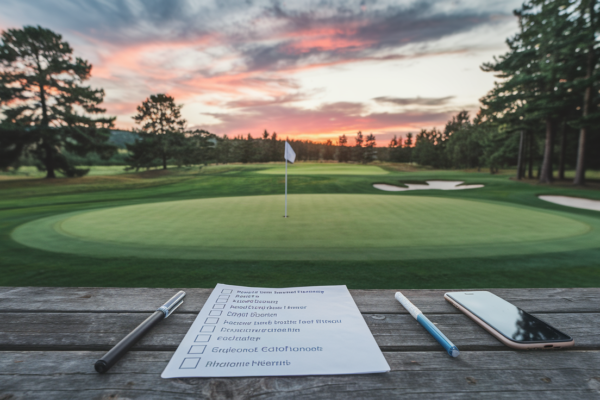
Think a corporate golf trip is just tee times and networking over drinks?
Here’s the thing: without a clear purpose, the day usually feels scattered and expensive.
Start by picking one goal—client relations, lead generation, rewards, or team building—then set your guest list and a realistic budget.
Do that first and every choice after (course, hospitality, format) falls into place, so the event actually meets its aim and gives good value.
Setting the Corporate Golf Trip Goal, Guest List, and Budget

Before you call a single golf course, nail down what this trip is actually for. Is it client appreciation? Lead generation? A reward for hitting quarterly targets? Internal team building? Pick one primary objective, because trying to serve three goals at once usually waters down all of them.
That objective shapes almost every decision that follows. A client-facing day built around business development probably calls for a higher-end course, curated hospitality, and a tighter guest list of key accounts. An internal team-building day might lean toward a looser format, bigger group, and more emphasis on shared activities than polish. Once you know the purpose, define your attendee type (clients, staff, mixed), the experience you want them to walk away with, and a realistic headcount. You’ll measure whether it worked later, but the groundwork starts here.
Budget needs structure early, not as an afterthought once quotes start rolling in.
| Cost Category | Pricing Basis | Estimated Amount | Final Amount | Payment Deadline |
|---|---|---|---|---|
| Golf and venue fees | Per player, bundled rate | |||
| Accommodation | Per room, per night | |||
| Transport | Flat rate or per vehicle | |||
| Food and beverages | Per person, per meal period | |||
| Event services (AV, staffing) | Flat rate or hourly | |||
| Branding and gifts | Per item, bulk order |
Final Words
Out on the first tee, everything from objective and budget to tee times and the run sheet should be working together. This guide gave a simple, ordered checklist and clear sections—goal setting, course choice and contracts, bookings, itinerary, invites, formats, catering, staffing, risk plans, and follow-up.
Use the checklist, confirm roles, and start follow-up within 48 hours; that’s the short recipe for success. Follow these steps to learn how to plan a corporate golf trip that runs on time, keeps guests happy, and sets you up for the next one.
FAQ
Q: What’s the quickest process to plan a corporate golf trip that fits clients, employees, beginners, and executives?
A: The quickest process is to define the objective and budget, confirm guest profile, pick destination and course, secure contracts and rooms, plan transport and itinerary, send invites, run the day, and follow up within 48 hours.
Q: How far in advance should I book a corporate golf outing?
A: You should book popular courses three to six months ahead; midweek dates improve availability. For destination or large events, start earlier—often six to twelve months—to lock space and rates.
Q: How do I set the event goal, guest list, and budget?
A: To set goal, guest list, and budget start by choosing one primary business objective, attendee type, desired experience, and expected group size; then allocate funds across venue, accommodation, transport, catering, gifts, and contingency.
Q: What should I look for when selecting a golf course and negotiating a contract?
A: When selecting a course and negotiating a contract, prioritise access, facilities, practice areas, and group suitability; secure bundled pricing, deposit terms, attrition rules, food minimums, final headcount deadlines, and cancellation/rescheduling rights.
Q: How should I book tee times, accommodation, and transport for groups?
A: Book tee formats that suit numbers—consecutive tee times, modified or full shotgun, or indoor shifts—then reserve hotel blocks, transport, and equipment logistics; reconfirm final numbers one to two weeks before the event.
Q: How do I build a practical itinerary for a business golf trip?
A: To build a business golf trip itinerary, protect arrival buffers, registration, warm-up, play windows, meal times, presentations, and awards; schedule networking and briefings so golf isn’t interrupted and business aims stay front and centre.
Q: What information should I collect on registrations and how should I communicate?
A: Your registration should collect name, company, contact, attendance, ability, handicap, rental needs, dietary and accessibility details, room and travel info, plus waivers; follow an invite-reminder-confirmation-final travel pack-day-before communication flow.
Q: Which playing format works best for mixed-ability groups?
A: For mixed-ability groups, a Texas Scramble works best—it lets teams choose the best shot, speeds play, and includes beginners; complement with clinics, nine-hole options, or on-course contests for non-regular players.
Q: How do I manage catering, branding, gifts, and awards without disrupting play?
A: Coordinate catering to the itinerary—breakfast, on-course snacks, hydration, and a post-round meal—accommodate diets, set alcohol rules, keep branding readable, provide useful welcome packs, and stage brief, accurate award presentations.
Q: What’s needed to run the event safely and on time?
A: Running the event safely and on time requires a central run sheet, clear chain of command, assigned staff (starter, marshals, scoring lead), tested systems, reliable check-in, and defined escalation paths for incidents.
Q: How do I prevent weather, safety, and vendor problems on future trips?
A: Prevent weather, safety, and vendor problems with a written risk plan including insurance, waivers, named decision-makers, indoor alternatives, backup vendors, tested contact trees, and clear authority to activate contingency responses.
Q: When should I hire a golf trip planner and what follow-up is required after the event?
A: Hire a golf trip planner for unfamiliar destinations, international travel, premium executive hospitality, multiple courses, 40+ travellers, or limited staff; follow up within 48 hours with thanks, photos, surveys, lead follow-up, invoices, and an internal review.
Q: What common complications derail corporate golf trips and how do they happen?
A: Common complications that derail trips include late RSVPs, mixed skill levels, dietary needs, weather, equipment or transport delays, and fragmented decisions across vendors—often from lacking one shared schedule, budget, attendee list, and contact record.