Business
Packing Checklist for Business Golf Travel Made Easy
By Golf For Life
November 17, 2026
Field Notes
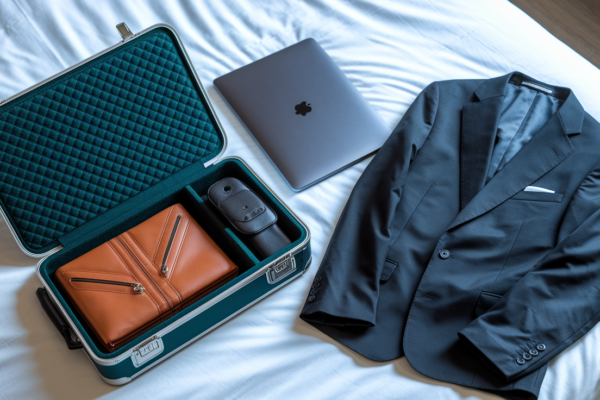
Is bringing a full golf bag on a business trip smart insurance or a travel headache?
Either way, getting it wrong can cost you time, fees, and a ruined round.
This checklist cuts through the guesswork.
You’ll get clear, step-by-step guidance on protecting clubs, choosing apparel for meetings and the clubhouse, packing toiletries the TSA will live with, and handling airline rules and backups.
No fluff, just the essentials and a few pro tips so you show up ready to play and pitch, not scrambling at the airport.
Most travelers bring a full set, up to the 14-club limit, inside a hard-shell or padded travel bag. Soft cases work fine for careful handlers, but hard cases are the safer bet for anyone checking clubs through multiple connections.
Headcovers matter more than people think. Use them on the driver, fairway woods, hybrids, and putter at minimum. Wrap the shafts in a towel or bubble wrap for extra cushioning, especially if your case doesn’t have built-in dividers.
Extra Equipment Protection and Backup Gear
Pack extra tees, a couple of ball markers, a divot tool, and a backup glove in case your main one tears mid-round. Bring at least one spare glove if you sweat heavily or if the forecast calls for humidity.
A rangefinder or GPS device earns its spot in the bag for unfamiliar courses, since you won’t have local knowledge of yardages. Keep spare batteries in your carry-on, not checked luggage, since loose lithium batteries are restricted in checked bags by most airlines.
Golf Balls and Weight Management
Pack enough golf balls for the number of rounds you’re playing, plus a few extras for water hazards or lost-ball situations. Buying balls at the destination pro shop works too, though prices run higher than what you’d pay at home.
Weigh your travel case before you leave the house. Airlines often cap golf bag weight around 50 pounds, and some charge oversized or overweight fees that catch travelers off guard. If you’re already checking a suit bag and a travel case, check the airline’s specific sports equipment policy, since it’s often separate from standard checked-bag rules.
Apparel and Footwear for Both Settings
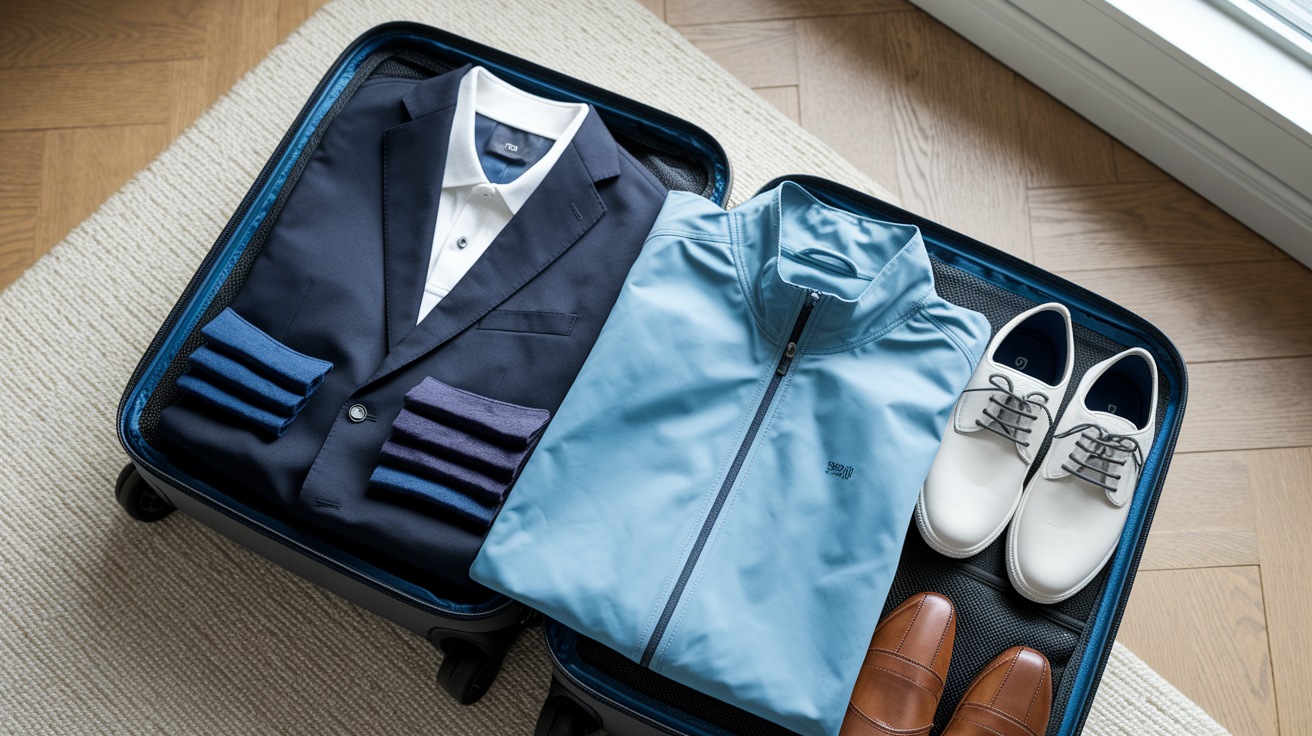
Packing for two different dress codes, boardroom and clubhouse, sounds complicated until you break it down by setting and check the weather forecast for your destination.
Business Attire and Backup Outfit
Bring 1-2 suits or business outfits depending on how many client-facing events are on the calendar. Pack 2-4 dress shirts, and don’t forget a tie, belt, and dress shoes that match. A backup outfit matters more than people expect, since spills, wrinkles, or a late dry-cleaning run can derail your only suit the night before a big meeting.
Golf Clothing and Climate Considerations
Pack 3-4 golf polos and 1-2 pairs of golf trousers or shorts depending on course dress codes and the season. Many clubs still enforce a collared-shirt policy, so check the course’s dress code before you land.
Rain gear deserves a spot in every golf bag, regardless of the forecast you checked the night before. Weather shifts fast on a course, and a lightweight rain jacket takes up almost no space. Layer for temperature swings, since early tee times can start cold and finish twenty degrees warmer by the back nine.
Footwear for Meetings and Fairways
Golf shoes belong in a dedicated shoe bag to keep dirt and grass off your other clothes. Dress shoes for meetings should go in their own protective bag too, ideally with shoe trees to help them keep their shape in transit.
Toiletries, Health Items, and Personal Care
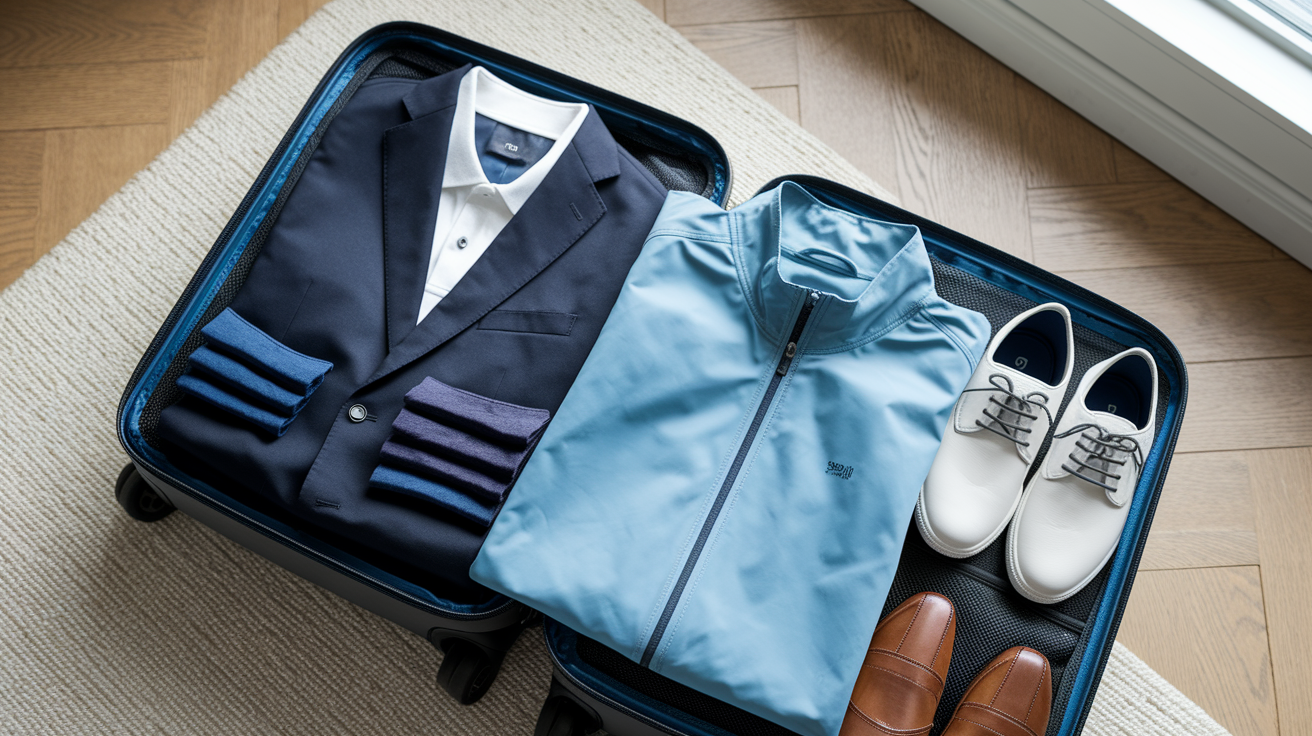
Personal care items split cleanly into two piles: what the TSA will let you carry on, and what needs to go checked. Liquids over 3.4 ounces, full-size toiletries, and anything that isn’t essential for the flight itself belongs in checked luggage.
TSA-Compliant Carry-On Items
Keep prescription medications in their original labeled containers, and bring more than you think you’ll need in case of delays. Pack travel-size toiletries that meet the 3.4-ounce liquid rule, sunscreen (golf is brutal on unprotected skin), lip balm, and hand sanitizer.
Checked Toiletries and Grooming Items
Full-size shampoo, body wash, and other grooming products can travel in your checked bag without any size restriction. Pack a razor, deodorant, and whatever grooming routine you follow at home, since hotel toiletries are hit-or-miss on quality.
Logistics, Timing, and Pre-Trip Planning
(((alt-img3)))
Even a perfectly packed bag won’t save a trip that falls apart on logistics. This is the section that catches the details people forget until they’re standing in a hotel lobby wondering why nothing is confirmed.
Confirming Tee Times and Course Requirements
Call ahead to confirm your tee time, ask about the dress code, and find out whether rental clubs or carts are available if your equipment gets delayed. Ask about the course’s weather policy too. Some clubs offer rain checks, others don’t, and it’s better to know before you’re standing in a downpour.
Airline Rules for Golf Equipment
Research your airline’s specific golf bag policy before departure, since weight limits, fees, and size allowances vary widely between carriers. Some airlines count golf bags as your one free checked item, others charge a separate sports equipment fee no matter what.
Pre-Trip Checklist Timeline
A week out, confirm your tee times, meeting schedule, and hotel reservations. A few days out, charge every device, print backup documents, and double check your flight status. The night before, lay out both outfits, your golf gear, and your business materials side by side so you’re not second-guessing anything at 5 a.m.
Final Review Before You Leave
Walk through the master checklist one more time before you lock the door. Golf equipment weighed and protected. Business documents backed up. Apparel ready for both settings. Toiletries sorted between carry-on and checked. That’s the whole trip, covered.
Final Words
Grab your passport and zip the golf case — you’re almost ready to go. This piece walked you through cabin vs checked items, club protection, compact wardrobes, airline rules, and a seven-step timeline so last-minute panic doesn’t ruin the trip.
Use the master table and printable checklist when you pack. Keep prescriptions, power banks, and mission-critical documents in the cabin. With this packing checklist for business golf travel, you’ll show up ready for meetings and a solid round.
FAQ
Q: What is the 5-4-3-2-1 rule for packing and how does it change for cold weather?
A: The 5-4-3-2-1 packing rule is a simple item-count formula: five casual tops, four bottoms, three dress or layered pieces, two pairs of shoes, one outer layer. For cold weather, swap lighter pieces for thermal base layers, add an extra insulating layer, spare gloves, and waterproof gear while keeping the same mix-and-match approach.
Q: What is the 3-3-3 rule for travel packing?
A: The 3-3-3 rule for travel packing is a minimalist guide: three tops, three bottoms, and three under/outer essentials (underwear, socks, or lightweight layers). It encourages mix-and-match outfits and planning for short trips or laundry stops.
Q: Can I write off a golf trip as a business expense?
A: You can write off a golf trip as a business expense only if the trip’s primary purpose is business, expenses are ordinary and necessary, and you document meetings, attendees, receipts, and the business agenda; consult your tax advisor for rules.