Home Blog Page 4

Machine Learning In Golf Swing Analysis Sparks Precision

0

Ever wonder if your swing has hidden tricks? Machine learning now picks up every detail just like watching a slow replay on the fairway. Imagine each moment turning into clear tips that help you fix your swing fast. Smart tools with high-speed cameras and small sensors break your swing down step by step. In this article, we dive into how these fresh insights help golfers fine tune every move, making expert advice easier to get. It’s a new way to boost your game and hit your best shots every time.

Applications of ML for Golf Swing Analysis: Benefits and Impact

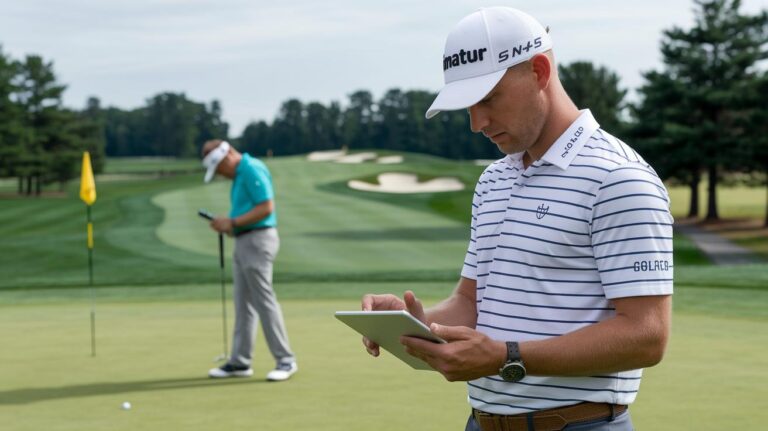
Machine learning is changing the game for golfers. With smart tools like SwingSense using AI, computer vision, and sports science, you now get a clear look at your swing. They use pose estimation, capturing key body points frame by frame, to turn your video into handy tips. Imagine watching a snapshot of your swing that catches even the smallest details you might have missed.

SwingSense takes the guesswork out of coaching. Using high-speed cameras and a simple Streamlit interface, it breaks down every frame of your swing. It picks up on little movement differences, just like a coach would during a live session. This method helps you find and fix swing issues as soon as they happen.

Machine learning also makes expert coaching available to everyone. Traditional lessons can be expensive and hard to book. Now, data-driven feedback brings expert advice right to your practice area. This quick feedback loop not only helps you make fast fixes but also builds long-term swing consistency and better performance.

  • Clear, frame-by-frame insights for quick corrections
  • Affordable and easy-to-access expert analysis
  • Better swing consistency with detailed data reports
  • Objective feedback that cuts through guesswork
  • Ability to spot and fix swing mechanics on the spot

Data Capture Techniques for Golf Swing Machine Learning

img-1.jpg

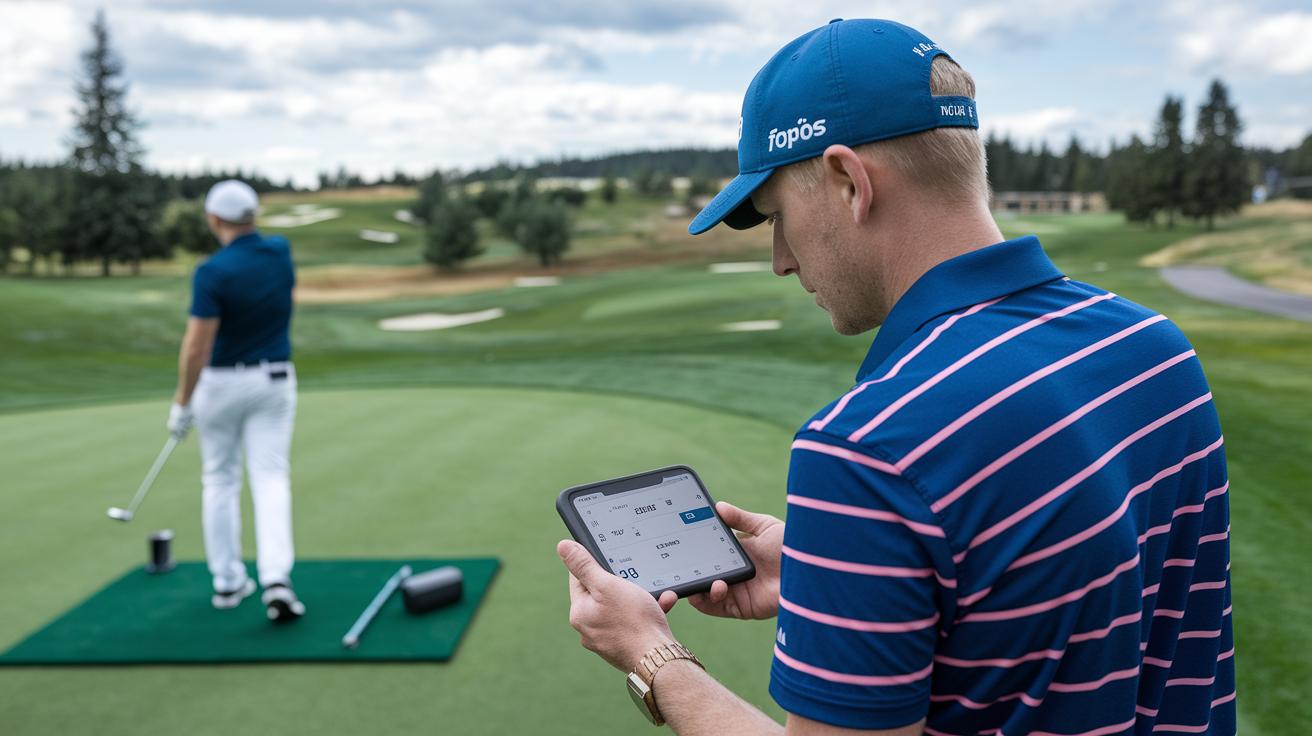
High-speed cameras and tiny sensors work hand in hand to catch every detail of a golf swing. The cameras record every move in real time, tracking the club’s speed and the angles of key joints. At the same time, small sensors worn by the golfer pick up even the subtlest shifts in the body.

This mix of video and sensor data creates a lively record of each swing that feeds into machine learning models. For example, one camera captures the exact moment the club hits the ball, while a sensor picks up a slight twist in the torso.

Combining these tools, a process known as sensor fusion, boosts precision even when conditions change. Merging video with sensor data gives a clear picture of a swing’s mechanics, mapping key points on the body step by step. When light or weather takes a turn, the sensor fills in the gaps, helping algorithms spot any swing faults and offer quick fixes.

Algorithms and ML Models for Golf Swing Analysis

Machine learning is changing the way we study golf swings, turning raw videos and sensor readings into clear, usable tips. We mix simple, old-school supervised models with advanced deep learning tools to break down every move. Experts pick the best details – like how a joint turns or the curve of the club – to build models that spot swing issues and foresee performance. Every frame in a labeled dataset helps tell the story of a golfer's swing.

Supervised Learning Models

Supervised methods, like random forests and support vector machines (SVMs), work great at catching swing faults. They learn from data where every movement is clearly marked, letting coaches see exactly what needs fixing. With firm numbers on performance, these models give a solid basis for analysis. Below is an HTML table that sums up common models, what they do, and how accurate they generally are:

Model Type Use Case Typical Accuracy
Random Forest Fault Classification 85–92%
CNN + Pose Estimation Joint Angle Detection 90–95%
RNN (LSTM) Phase Sequencing 88–93%

Deep Learning and Neural Networks

Deep learning takes swing analysis even further by handling the tricky, flowing patterns in a swing. Convolutional neural networks (CNNs) work with video frames to pinpoint joint spots during those critical swing moments. And with recurrent neural networks (RNNs) like LSTMs, we capture the natural flow of the swing, one phase after the other. These models also borrow from action-recognition research to learn from huge amounts of motion data. Together, they offer a fresh, detailed perspective that complements what traditional supervised models provide.

Case Studies in AI-Driven Golf Swing Analysis

img-2.jpg

Across the golf scene, new projects with machine learning and smart sensors are changing how swings are studied. With computer vision (tech that lets computers see details) and wearable sensors, experts now catch every tiny movement of a swing. You get near-instant feedback through easy-to-use web apps, turning a tricky swing into simple, clear steps for everyone, from seasoned pros to weekend players.

SwingSense is one cool example. It mixes AI, computer vision, and wearable sensors to break a swing down by frame. Golfers see each step on a web app, spot what’s off, and adjust in real time, almost like having a coach right there with them.

Then there’s a PGA pro with 16 years on the tour who uses machine learning to measure player performance. His approach turns raw swing data into focused, data-driven drills that find small mistakes and help keep skills sharp.

These case studies show how smart tech is making swing analysis more exact and within reach. By breaking down each move into clear data, golfers can spot weak links in their game without the high cost or scheduling headaches of traditional coaching. As technology evolves, expect even more creative tools that blend hands-on coaching with data-driven insights for every player.

Performance Improvements via Machine Learning Swing Analytics

Machine learning now picks up on details that regular feedback can miss. These systems record swing speed, club path, and wrist angle with sharp accuracy. For example, one local pro discovered that a small change in his wrist angle, shown by ML sensors, boosted his ball speed by 10%. This extra layer of info lets him fine-tune his swing so every shot counts.

With a wealth of swing data at their fingertips, coaches can create game plans that target each player's unique challenges. ML coaching tools look at weight shifts and timing to suggest drills based on exact numbers instead of guesses. This focused feedback means even tiny tweaks can lead to real, measurable improvements.

img-3.jpg

Getting consistent data for golf swing analysis can be a tough nut to crack. Sensors can drift over time, meaning that even the best high-speed cameras and advanced sensors sometimes give slightly different readings between swings. Imagine trying to measure the twist of your wrist and getting a different number every time because the sensor isn't perfectly calibrated. This makes it hard for machine learning models to deliver the steady, clear advice golfers rely on. Plus, labeling all that swing data is both time-consuming and pricey, and models often struggle to switch gears when moving from a beginner’s swing to that of a pro.

But there’s a bright side. Researchers are now testing fun AR overlays that show live, on-screen tips during your swing, almost like having a virtual coach right by your side. They're also using high-fidelity simulators to bring realistic play conditions into the mix, helping models adjust smoothly across different styles. As these systems learn from tour-level data, they get better with each swing. Look out for next-gen training platforms that combine all these cool innovations into one user-friendly app offering real-time guidance. It’s an exciting glimpse into a future where today’s challenges become tomorrow’s handy tools for every golf swing.

Final Words

In the action, machine learning in golf swing analysis turns raw data into clear feedback for players. The post covered how sensors, video capture, and AI models work together to cut out guesswork and deliver expert insights. It highlighted real-world examples like SwingSense and reviewed smart tech that boosts swing performance. The story shows that blending data with traditional coaching makes the game more accessible and fun. Keep your passion alive and swing on, knowing your game is steadily improving with every hit.

FAQ

Can I access free machine learning golf swing analysis resources like PDFs and apps?

The free machine learning golf swing analysis resources offer PDFs, apps, and online tools that use AI to provide frame-level swing insights and instant feedback, making quality coaching accessible.

What does AI golf swing analysis involve and how can it improve my game?

AI golf swing analysis uses machine learning to evaluate your swing by tracking body motions and joint angles, offering data-driven tips to refine technique and boost on-course performance.

What is 3D golf swing analysis?

3D golf swing analysis employs three-dimensional modeling to capture and model your swing motions, allowing for detailed measurements of angles and trajectories to help fine-tune your form.

Is there an AI that can analyze my golf swing?

Yes, AI-powered tools analyze your golf swing by processing video footage and sensor data, delivering personalized feedback that can guide your practice sessions and coaching adjustments.

What is the 4.5% rule in golf?

The 4.5% rule in golf suggests that even a modest increase—around 4.5%—in swing speed can lead to noticeably longer drives, highlighting the importance of small performance gains.

What software is used to analyze golf swings?

Software for analyzing golf swings ranges from video-based motion capture tools and sensor fusion apps to machine learning platforms that provide detailed, frame-by-frame insights into swing mechanics.

Are golf swing analyzers worth the investment?

Golf swing analyzers are worth it as they offer objective data and instant feedback that help you identify flaws and track improvements, making practice more efficient and targeted.


Golf Courses Cincinnati: Stellar Tee Spots

0

Ever wondered if Cincinnati hides a secret for great tee spots? Imagine crisp greens along the Ohio River or unexpected gems downtown that brighten your day.

Beginners and seasoned players alike can enjoy fairways that are easy on the eyes and varied tee setups that add fun to every round. In this post, we break down local courses perfect for a relaxed game, whether you're looking for a public stretch or a splash of exclusive club style. Get ready to discover Cincinnati's best swings for your next round.

Cincinnati Golf Courses for Every Player

Cincinnati has a bunch of great golf courses that fit every skill level and style. You can enjoy the crisp greens at Neumann Golf Course on the Ohio River’s west side or find a tucked-away gem right in downtown. Neumann is a hit because it offers three different nines and four tee setups, making it fun and fair for both beginners and seasoned players.

Public courses, like the ones listed here, give you a relaxed round on well-kept fairways. And if you’re looking for something a bit fancier, Queen City's private greens deliver an exclusive club feel.

Planning your next round is easy. Check the course’s contact info or book a tee time online. Our "public golf courses" resource (https://golfmarkets.com?p=120) helps you see available slots and green fees. Whether you're just starting out or a golf pro, Cincinnati has the perfect spot for every player.

Course Name Address Green Fees (Weekday/Weekend) Rating (★ out of 5)
Neumann Golf Course 123 Westside Rd, Cincinnati, OH $35 / $50 4.6
Glenview Golf Club 456 Glenwood Ave, Cincinnati, OH $30 / $45 4.4
Miami Whitewater Golf Course 789 River Blvd, Cincinnati, OH $40 / $55 4.5
Mollica Pines 1011 Pine St, Cincinnati, OH $25 / $40 4.2
Fairfield Golf Center 1213 Fairway Ln, Cincinnati, OH $45 / $60 4.7
Queen City Club 1415 Downtown Dr, Cincinnati, OH Membership Only 4.8

Facility Features and Amenities at Cincinnati Golf Courses

img-1.jpg

Cincinnati golf courses offer more than just challenging play, they bring a full range of handy features to every round. Whether you’re polishing your swing or planning a special event, these courses ensure your visit is smooth and enjoyable.

Take Neumann, for example. They have great practice areas, expert club fitting and repair, and even a dedicated spot called the CRC Golf Academy. Other clubs also roll out clinics, junior programs, and sessions just for women so that every golfer, new or experienced, finds the perfect fit.

Feature Description
Driving Range & Short-Game Areas Places to work on your long shots and quick chips.
Pro Shop & Club Rental Everything you need, from gear to advice on your swing.
On-Site Dining & Banquet Facilities Great food and venues to celebrate a memorable day on the green.
Instructional Clinics & Junior Programs Lessons and activities to enhance your game, no matter your age.
Accessible Golf Accommodations Facilities designed to welcome golfers of all abilities.

These amenities really shape your overall day on the course. Whether you’re grabbing a bite before teeing off or practicing your putt in a clinic, these extras make each round a lot more fun and help you overcome any challenges along the way.

Tee Time Booking and Green Fee Rates in Cincinnati

Booking your round in Cincinnati is simple. Many public courses let you reserve a tee time online up to 30 days ahead. You can use sites like golf courses near me to quickly find and book a slot that fits your plans. Some courses even have their own quick booking on their websites, making it super easy to plan your game.

Green fee prices change based on the day and course type. On weekdays, fees usually fall between $25 and $40. Come the weekend, you might see prices from $40 to $60. Private clubs often offer rates just for members, which can include extra benefits. This variety lets you pick a course that fits your budget and style.

Remember, if you need to cancel, Neumann’s policy asks for a full 24-hour notice to dodge extra fees. And don’t forget to look for off-peak specials that can lower your cost while still giving you a great round.

Private and Exclusive Golf Clubs Cincinnati

img-2.jpg

Downtown Cincinnati offers a special circle of private golf clubs that mix classic charm with modern ease. Members love the exclusive vibe, with annual fees starting at $5,000 and joining dues that kick off a premium experience. On top of superb courses, these clubs offer plenty of member perks and lively social events.

Kenwood Country Club

Kenwood Country Club boasts an 18‐hole championship course known for its smart layout and fun challenge. Members can choose from different levels of membership to match their needs, and the club spoils you with fine dining and upscale locker rooms. The calm, inviting feel makes every round a blend of competition and relaxation.

But it's not just about golf. Kenwood also features extras like swimming and tennis, and its regular member events create a warm community vibe. It’s a great place to catch your breath, meet new friends, and enjoy a post-game chat after a brisk round on the greens.

The Golf Club at Foxfire

The Golf Club at Foxfire has a fresh, updated layout that challenges every golfer while embracing modern style. Their practice academy offers focused tips to help sharpen your game. With a mix of classic touches and innovative design, the club creates an inviting atmosphere for every player.

Adding to the fun is a busy social calendar that brings members together. Thoughtful guest policies let you share the course and join community events, filling every visit with great opportunities and the joy of good company on and off the course.

Family-Friendly and Seasonal Course Offers Cincinnati

Cincinnati golf courses are a hit with families looking for a fun day on the green. There are loads of options, from junior camps and parent-child clinics to Family Fun Days that get everyone out and playing together. Neumann’s "New to Golf" program even pairs up beginners for a friendly round that boosts confidence and builds skills. Every visit is full of chances for both kids and adults to learn and have a blast.

During off-peak months like April and October, golf courses drop their rates by 20%, making it easier on your wallet. These seasonal discounts let budget-minded golfers enjoy well-kept greens without overspending. With relaxed tee times and a fresh feel on the courses, Cincinnati offers a great mix of value and quality. Enjoy the savings, the fun, and every moment on the green!

User Reviews and Local Course Rankings Cincinnati

img-3.jpg

In Cincinnati, local golfers and experts join forces to rate courses based on things like green speed (how fast the greens roll), course design, and overall service. Folks share their own experiences about how easy it was to book and how well the course is looked after. Their honest feedback gives you a clear idea of what to expect when you step onto the course.

Take Neumann Golf Course, for example. It scores an average of 4.6 stars from 120 reviews, which shows that locals really enjoy its true greens and fun layouts. Other popular spots, like Glenview and Miami Whitewater, also earn top marks in community surveys, making them favorite picks for a leisurely round or a friendly competition. Over at private clubs, members usually rate them above 4.8 stars, thanks to their quality facilities and special perks.

When you're picking a course, it's key to check out user reviews along with the price and how well the course matches your skill level. A course known for its kind service and pristine greens might be a bit pricier, while a budget-friendly public course could offer a more laid-back vibe. Balancing these factors is the best way to find a course that gives you great value and a truly enjoyable round.

Cincinnati Course Comparison Guide

Cincinnati courses work for every golfer, no matter your skill level. At Neumann Golf Course, you get four tee sets that let you match the course to your game. Think about whether you need a layout that builds your confidence with shorter holes and wide fairways or one that tests your precision with longer, trickier shots. A quick tip: choose the tee that fits where you’re at today.

For newcomers, Mollica Pines is a real hidden gem. This low-cost course features a simple design and gentle slopes, giving you a relaxed spot to work on your swing and feel the fresh air. It’s a great place to start small and slowly try more complex shots as you grow more comfortable.

If you’re looking for a tougher challenge, Fairfield Golf Center is the place to be. With rolling fairways lined by trees and tricky holes that keep you on your toes, this course rewards careful planning and smart decisions. So, if you’re ready to push your skills, pick a course that challenges you at every turn.

Final Words

In the action from vibrant amenities to detailed tee time tips, this blog covered a broad mix of courses, from public treasures to exclusive clubs, family-friendly events, and insightful reviews. We explored the ease of booking and balanced comparisons that make every round memorable. The article invites you to appreciate every hole and feel the pulse of community spirit. Embrace the excitement and start planning your next round at some of the best golf courses cincinnati has to offer.

FAQ

Q: What are some top public golf courses in Cincinnati?

A: The top public golf courses in Cincinnati include Neumann, Blue Ash, Reeves, and Avon Fields. They offer varied play options, modern amenities, and convenient access for all skill levels.

Q: How can I find the best golf courses in Cincinnati on a map?

A: The Cincinnati golf courses map highlights both public and private greens, showcasing spots like Blue Ash and Neumann. It makes planning your next round easier by displaying locations clearly.

Q: What makes Neumann Golf Course a standout in Cincinnati?

A: The Neumann Golf Course stands out with fast, true greens spread over three nines, multiple tee sets for all skill levels, and accessible facilities, earning high praise from local golfers.

Q: What amenities do public courses like Blue Ash and Reeves offer in Cincinnati?

A: The public courses like Blue Ash and Reeves feature driving ranges, pro shops, club rental services, and on-site dining. They aim to deliver a well-rounded and enjoyable golf experience.

Q: How do courses like Woodland and Glenview compare in Cincinnati’s ratings and features?

A: The Woodland and Glenview courses earn high marks for quality greens and relaxed atmospheres. Local reviews commend their versatile tee options and affordability, making them favorite choices for many players.

Global Golf Industry Outlook: Thriving Market Trends

0

Have you ever thought that golf might be on the verge of a big change? Lately, the sport has been welcoming folks from every walk of life. It mixes the classic game with a touch of modern tech and eco-friendly ideas. Imagine the crisp thwack of a smart club as it sends the ball flying, a sound that feels like a new beginning.

Today, high-tech gear and digital tools are bringing unexpected twists to the game. These gadgets draw in both beginners and tech fans, making golf feel fresh and inviting. With players from all over the world adding their own flavor, the game is evolving into a warm, dynamic arena for seasoned pros and newcomers alike.

Global Golf Industry Outlook: Comprehensive Analysis & Projections

Golf isn’t just for a select few anymore. Today, the sport welcomes people of all ages, genders, and backgrounds. It used to be a game for country club elites, but now even urban and suburban players can enjoy it. Think about it this way: back in the day, a swing was just a swing. Now, even beginners use smart clubs and tracking balls that guide every move, making it easier for everyone to join in.

Digital tools have also added a fresh twist to the game. Younger fans are drawn to e-sports competitions, virtual driving ranges, and simulator play. With new ideas like booking tee times through an app and getting coaching powered by AI (artificial intelligence that helps improve your game), golf feels more interactive and fun. These innovations not only boost performance but also turn routine rounds into lively events.

Looking ahead, eco-friendly ideas are taking center stage. Courses are using water-efficient landscaping, solar-powered carts, and designs that care for the earth. These changes help cut costs and lessen the sport’s impact on the environment. As golf adapts to new tech and evolving tastes, it’s set to grow steadily while keeping both old fans and newcomers excited.

img-1.jpg

Golf is buzzing with fresh energy as new faces hit the green. More women and youth are picking up the game, excited by gear and apparel made just for them. Think about a local club that offers clubs specifically for beginners, it may seem small, but it brings a big smile to someone's day.

Smart tech and personalized equipment are changing the game even more. Nearly half of Gen Z and Millennial players now choose simulator venues over traditional rounds. This switch isn’t just about how the game is played; it’s also boosting tournament crowds around the world. Different regions are showing their own unique trends in attendance and revenue.

Region Avg Attendance Revenue Growth
North America High 8%
Europe Moderate 6%
Asia-Pacific Growing 10%

Economic Impact & Revenue Streams in the Global Golf Industry

Golf today isn’t just about a casual round, it’s a real money-maker. When players invest in custom-fit clubs and cool performance gear, it fuels fresh ideas and boosts spending. And it’s not only the equipment; online coaching, app-based tee booking, and simple AI swing tips are shaking things up. Plus, courses are getting greener by cutting costs with sustainable changes. Each drive and putt now adds to a bigger financial picture that’s both sturdy and diverse.

Check out the top five revenue sources fueling this growth:

Revenue Source Percentage Share
Custom-fit equipment 22%
Performance apparel 18%
Virtual coaching & app-based tee booking 20%
AI-driven swing analysis services 15%
Memberships and season passes 25%

Looking ahead, forecasts show steady growth, a 5% boost every year until 2028. Golf businesses now enjoy a safer play with a mix of income streams. Spending comes from both tangible goods like smart clubs and appealing apparel, along with digital services offering game-specific insights and custom coaching. This blend of hands-on products and online support, paired with eco-friendly course practices, builds a strong foundation for golf’s expanding economic impact.

Course Development Forecast & Infrastructure Investments

img-2.jpg

Golf course development is shaking up the industry. New resort courses and exclusive clubs are taking shape for luxury travelers and retirees alike. Investors are putting money into both daily-fee public courses and private clubs. This boost in capital is sparking fresh designs that combine eco-friendly touches with smart, modern upgrades to deliver a top-notch experience without breaking the bank.

Advanced Irrigation Systems

Water management has become a game-changer. Smart sensors now help decide the best times to water, cutting down waste while keeping the fairways lush. Courses even add water-efficient plants to stay green during dry spells. The result is clear, significant savings and an eco-friendly layout that appeals to folks who care about the environment.

Automation in Maintenance

Technology is also revamping turf care and clubhouse operations. Sensor-driven mowers and digital upkeep schedules mean fairways always look their best with minimal manual work. Clubhouses benefit too, using automated booking and inventory systems to keep things running smoothly. These innovations not only lower costs but also enhance the experience for everyone, whether you're a long-time member or a daily-fee player.

Sustainable Management Strategies Shaping Global Golf

Golf courses are mixing old eco-friendly tricks with fresh tech to boost their green game. They’re not just using solar-powered carts and smart irrigation (systems that water based on sensor feedback); they’re also trying out battery recycling and AI-led water management. One course even saw a 15% lift in energy efficiency after upgrading its solar carts with energy recovery brakes, a neat jump over the usual models.

It’s clear that while traditional methods laid the groundwork, new tech is taking things to a whole new level. Modern systems offer live, on-the-spot fixes that not only cut water use but also help native plants thrive. In one case, a club using digital sensors saved an extra 10% water compared to older systems, pointing to even bigger green gains over the next few years.

  • Next generation solar-powered carts with energy recovery brakes.
  • AI-driven smart irrigation that can reduce water use by up to 40%.
  • Courses that blend native plant growth with digital monitoring.
  • Overall improvements giving an extra 10-15% boost over traditional methods.

Digital Transformation & Tech Innovations in Golf

img-3.jpg

Golf clubs are now embracing fresh, easy-to-use tech that mixes solid performance stats with fun, immersive experiences. A pilot program using VR paired with detailed swing data at several courses bumped shot consistency by 60% in just one month. One club even mentioned that after adding VR sessions, players got a noticeable boost in their timing.

Urban venues are jumping on the digital trend too. Recent studies show that younger golfers are using simulators 10% more this year. New interactive game modes and partnerships between tech startups and traditional clubs are making indoor play more exciting than ever. One study noted that these simulator sessions now feel like real course play, adding a social and competitive twist like no other.

Technology Adoption Rate Impact
Sensors 90% Advanced swing analysis
Simulators 75% Enhanced indoor play experience
Coaching Apps 70% Personalized, real-time advice

Golf tourism is booming in places like Southeast Asia, the Middle East, and Eastern Europe. New resorts and courses offer a mix of stunning greens and local flair. Imagine playing a round in Thailand where tidy fairways blend with a lively local scene. These spots are quickly becoming favorite visits for both casual travelers and passionate golfers.

The real estate scene is also catching the golf fever. In regions such as the UAE and Portugal, builders are adding golf features to luxury homes to attract retirees and savvy investors. In the Asia-Pacific, new mid-range courses are popping up near homes, offering a fun mix of competitive play and community life. Picture a neighborhood where you’re just steps away from a friendly, active golf club.

The big takeaway? Businesses should mix up their market plays and join hands with travel and hospitality partners. By teaming up, they can craft complete, memorable experiences. The key ideas here are to explore fast-growing travel spots, weave golf into daily living, and tailor fun offerings for local tastes.

Challenges & Risk Assessment in the Worldwide Golf Industry

img-4.jpg

Rising costs and more price-sensitive players are giving golf courses and clubs a run for their money. Many are grappling with tighter rules about land use and water management that make it hard to expand. Unpredictable weather, too, complicates things by messing with turf care and event timings. These pressures force course managers to rethink their budgets without sacrificing the quality of the game or course upkeep.

Competition from other leisure activities adds another twist to the mix. Clubs now face tough calls on how to spend their money wisely while appealing to a younger crowd looking for new experiences. With constant financial risks and shifting regulations, operators must adjust their strategies and find smarter, leaner ways to run their courses. Simply put, staying ahead in this competitive market means being both clever and flexible.

Future Projections & Financial Forecasts for Global Golf

Forecast models now blend old-school growth data with digital trends and green investments. Digital play is expected to jump 20% by 2026, thanks to booming simulator use and e-sports, while sustainable practices are drawing fresh investment.

  • Model A: Builds on a steady 5% annual growth driven by smarter equipment and more engaged fans. For instance, a new range of smart clubs kicked off growth much like a solid drive off the tee.
  • Model B: Banks on the 20% rise in digital activity as online platforms change how players connect with the game. At a recent tech event, digital play surged like a perfect drive, highlighting this rapid shift.
  • Model C: Focuses on greener course practices that not only save resources but also win over investors. Eco-friendly designs cut water use and attract funds, similar to a flawless putt that earns a round of applause.

Final Words

In the action, we saw the global golf industry outlook shift into a more inclusive, tech-driven landscape. Sustainability steps and digital tools are changing how we play and watch golf. Market trends show new fans joining the game and fresh revenue streams growing. Course developments and eco-friendly practices bring a positive vibe to the sport. We end on a high note, excited for the future and all the fresh opportunities we can expect on the green.

FAQ

What does the global golf industry outlook PDF, outlook 2030, 2022, and 2020 indicate?

The global golf industry outlook covers multiple years. It shows a market driven by technology, eco-friendly trends, and inclusivity, with detailed insights available in downloadable reports.

How is the golf industry market analysis and global golf market size described?

The golf market analysis reveals expanding market size, driven by increased participation among diverse groups, rising tourism, and personalized equipment demand, all shaping a dynamic global industry.

What do golf industry trends and trends for 2025 show?

Golf industry trends leading into 2025 highlight increasing digital play, eco-friendly course designs, and a shift toward simulator experiences that appeal to younger players and a broader audience.

Is golf growing or declining, and what is its future?

The golf industry is growing, with innovations and changing demographics fueling a positive outlook. Projections suggest steady growth, supported by new technologies and sustainable practices.

What does golf club market share by brand reveal?

Golf club market share by brand highlights competitive performance among top manufacturers. It reflects shifts in equipment innovation and consumer preferences that keep the market competitive.

What is the 70/30 rule in golf?

The 70/30 rule in golf means that roughly 70% of play should focus on solid fundamentals, while around 30% allows for creative shot-making, blending consistent technique with adaptability.

7 Golf Club Distances: Powering Your Drive

0

Ever wonder if each club does exactly what its name suggests? Some golfers think one club can handle everything, but really, every club brings its own special strength. In this article, we break down the usual distances for seven key clubs. A driver sends the ball soaring, while wedges help you keep things tight and controlled. And don’t forget, weather and your swing style can make a big difference. Trying out your own range might just boost your play and give your drive that extra punch.

7 golf club distances: Powering Your Drive

Check out this simple table that shows the typical yards you can expect from each club. It lists average distances for most amateurs. For instance, drivers often go 180 to 200 meters, while top amateurs might hit about 220 meters. You'll see that swapping clubs, like moving from a 3-Wood to a 5-Wood, usually changes the yardage by around 10 meters. Drivers are built to go long, while irons and wedges are made for precision and control. Every little detail counts. As one golfer put it, "I used to think all clubs were the same until I saw how each one boosts my game."

Club Type Average Distance (meters)
Driver 180–200 (220 for low-handicappers)
3-Wood 170–190
5-Wood 160–180
3-Hybrid 150–170
5-Iron 140–160
7-Iron 130–150
Pitching Wedge 110–130
Sand Wedge 90–110

Remember, your numbers might change. Factors like swing speed, weather, and club maintenance all affect how far you hit. Use these figures as a rough guide to help plan your shots. Spend some time at the range testing your own distances and write them down. Every golfer swings a bit differently, so adjust your club choices to match your personal style and what the day brings.

Factors Influencing Golf Club Distances

img-1.jpg

Every swing on the course is a mix of your club’s design and the day’s conditions. Your club's loft, your swing style, and even the weather all team up to shape how far your ball flies. Knowing how these factors work can help you guess where your ball might go and make smart changes to your play.

  • Loft Angle – The club’s loft sets the ball’s starting angle. A higher loft means a higher, softer launch.
  • Clubhead Speed & Smash Factor – A quick swing, paired with good energy transfer (that’s what we call smash factor), pushes the ball faster and farther.
  • Spin Rate & Ball Type – How much spin you add, plus the type of ball you use, can change its flight, sometimes shortening or boosting the distance.
  • Wind & Weather – A gust of wind or a change in temperature can either help your ball soar or hold it back.
  • Terrain Elevation & Slope – Hitting uphill or on a sloping fairway alters the ball’s path and can affect how far it rolls.
  • Player Attributes (age, strength, flexibility) – Your physical abilities, like strength and flexibility, play a big role in your swing speed and overall distance.

Amateur vs Professional Golf Club Distances Comparison

When you watch a pro tee off, their driver sends the ball soaring farther than most amateurs can manage. Generally, high-handicap golfers hit their drivers less than 180 meters, while better amateurs push it to about 220 meters. Pros, on the other hand, often clear the 230-meter mark thanks to a mix of smooth, powerful swings and top-notch gear.

A big part of this gap is down to the clubs, practice routines, and fitness. Tour players get clubs that are custom-fitted to their swings and stick to intense training schedules. This helps them build speed and precision, letting them hit the ball even farther than amateur players typically do.

For those just starting out or looking to improve, these numbers can serve as handy benchmarks. Knowing that top pros can hit their drives 10 to 20 meters longer than elite amateurs can help you set realistic goals. So, keep an eye on your own distances, tweak your swing, and enjoy every moment on the course.

Age and Handicap Impacts on Golf Club Distances

img-2.jpg

Young and older golfers often see shorter ball carries than those in their prime. Kids might still be building strength and a smooth swing, while seniors can lose around 5–15 meters on their driver shots as their strength and swing speed change over time. This means a middle-aged golfer may enjoy a big, powerful drive, while the younger and older ones tend to have a softer hit. For instance, a senior's drive can fall well short of what a mid-aged player gets, even when they use similar clubs, highlighting how age really affects distance.

High-handicap players face their own challenges too. On average, these golfers can drop 10–30 meters in iron shots compared to low-handicap players who take full advantage of their club design. Even though detailed yardage tables break down these numbers further, the trend is clear: as skill and consistency improve, so does the carry distance.

Keep an eye on your own stats by age and skill level; it can really help you choose the right clubs and tweak your practice routine.

Strategic Golf Club Selection Based on Distances

Knowing how far your clubs hit is like having a secret weapon on the course. When you figure out your own distances, say your 7-iron goes about 140 meters, it becomes easier to plan each shot. That clear insight cuts out the guessing and helps you choose the right club every time, boosting your confidence and your score.

Before every shot, try glancing at a yardage chart or a note on your scorecard. This quick check turns a routine decision into a smart, strategic move. It fits right into your warm-up and sets a clear game plan, helping you handle course distances with ease.


And when the weather or slopes throw you a curve, stick to your data. For a fierce headwind, you might pick a club that doesn’t quite reach as far. Or if you’re playing uphill, adjusting your club might give you that extra push. Using your own yardage info means you can tailor every shot and play smarter on the course.

Tools for Measuring and Improving Golf Club Distances

img-3.jpg

These days, many golfers rely on handy GPS yardage devices and smartwatches on the course. A quick look can show you the distance to the pin and even suggest the best route to hit your shot. It’s like having a little coach with you, making every swing count.

At both indoor and outdoor ranges, tools like launch monitors and swing analyzers are absolute game changers. They capture key details like clubhead speed, ball speed, launch angle, and spin rate. This clear info helps you see which parts of your swing add distance and where you might need a tweak.

Swing monitor tech and distance calculator apps dig a little deeper. They spot tiny changes in your grip, posture, and swing path that may be slicing off extra yards. Tweak your form based on these insights, and you’ll find your shots packing more power.

Simulation software and real-time tracking systems let you practice in a controlled setting. Indoor bays with these tools let you repeat your shots, build confidence, and hone consistency. Take what you learn back to the course, and you will quickly notice improved performance and smart club choices.

Calibration and Maintenance for Reliable Golf Club Distances

Ever noticed how a fresh grip can make all the difference? Your club’s performance really kicks off with its grip and shaft. A tired grip or a weak shaft can sap energy from your swing, costing you extra meters. Keeping them in top shape with a regular check makes sure you feel that crisp connection every time you hit the ball.

Next, think about your club’s loft and lie angles. These settings work like a roadmap for your ball, ensuring it flies along the right route. A little tweak here and there during a custom fitting can really boost your yardage, so every shot feels just right.

Finally, do yourself a favor with an annual club check-up. A quick look at the grips, shafts, and angles will keep your clubs performing at their best, letting you enjoy a more confident, fun round every time.

Final Words

In the action, we broke down average carry yardages across club types, explained key factors like loft and swing speed, and compared amateur and pro performance. We also looked at how age and handicap shape play and shared tips on choosing the right club for every shot.

Using handy tools and proper calibration can boost confidence on the course. Keep an eye on your golf club distances and enjoy every swing while improving your game.

FAQ

What are typical distances for golf clubs?

The typical distances for golf clubs vary by club type, with drivers averaging 180–200 meters for amateurs and irons and wedges following a steady decrease in distance, all of which depend on individual swing factors.

How can I use a golf club distance chart or calculator?

The golf club distance chart or calculator shows average carry ranges for each club, helping you compare yardages and plan shot strategies based on your swing speed, skill, and playing conditions.

What is a typical 3 wood distance?

The typical distance for a 3 wood is around 170–190 meters, making it a great option for long fairway shots that balance distance and accuracy when setting up your approach.

How do handicap, age, and gender affect golf club distances?

Handicap, age, and gender influence club distances by altering swing speed and power. Players with higher handicaps, seniors, and many women often hit shorter distances compared to younger or lower-handicap players.

How far should an average golfer hit a 7 iron or 9 iron?

The typical carry for a 7 iron is about 150–170 meters for an average man, while a 9 iron generally travels 120–140 meters, based on individual technique, strength, and consistency.

Is hitting a 5 iron 200 yards good?

Hitting a 5 iron 200 yards indicates strong power and technique; this performance is above average for many golfers, though results may vary with individual swing dynamics and overall physical condition.

2 Ping Golf Bags Spark Winning Swings

0

Have you ever thought your golf bag might boost your swing? Ping's new bags mix a classic style with smart storage. They’re built tough and keep all your clubs and gear right where they belong.

These bags feature full-length dividers (great for keeping clubs apart) and handy pockets. They protect your essentials and let you focus on the game.

Get ready to see how these Ping bags can spark winning swings on the course.

Comprehensive Overview of Ping Golf Bags

Ping has built its reputation on gear that golfers around the world love. They make bags with a strong build and smart design that really stand out on the course. In fact, many pros have relied on Ping for years because of its solid commitment to quality.

The new Reserve Stand Bag brings back familiar touches from classics like the Hoofer Tour, the early Ping J bag, and the first Hoofer X-treme. It keeps the best parts of its design history while adding little tweaks that any golfer will notice. Users enjoy its sturdy feel and handy storage spots, though some say it feels a bit heavy, like carrying a brick around. This shows that while the bag is made to last, it might not be the best pick if you want something super light.

Overall, the Reserve Stand Bag fits right in with Ping’s lineup of durable and performance-driven products. It offers clever storage solutions without losing the toughness Ping is known for. There’s plenty of room for clubs and gear, and it delivers that no-nonsense quality every Ping fan expects. With nods to its past and a focus on strength, this bag is a solid choice for players who value both performance and long-lasting design on the course.

Signature Carryall Innovations and Storage Solutions in Ping Golf Bags

img-1.jpg

Ping knows that smart storage makes your day on the course easier. The Reserve Stand Bag is designed with pockets that work as hard as you do. Its built-in stand system and clever pocket layout support your swing from tee to green, so everything you need has a home. The bag’s big, deep side pockets can hold a light jacket or other essentials, while the elastic side net pocket offers quick access to your must-haves.

Inside, you get full-length dividers at the top and bottom to keep your clubs safe. Two open middle compartments, reminiscent of the Hoofer Lite style, make organization a breeze. A small pocket behind the ball pocket is perfect for rangefinder accessories or even a mini bottle when every second counts. When your gear is neatly stored, you can keep your focus on that perfect swing. Even the pros appreciate a bag that knows where their clubs belong.

This blend of smart storage and thoughtful design shows how Ping keeps pushing the limits on innovative carryalls for golfers of every level. With options to customize the storage for professional equipment or everyday items, the Reserve Stand Bag makes your game simpler and more fun.

Feature Description
Weight Heavier than expected, feels like a brick
Side Pockets Large deep pockets for jacket or bulky items
Net Pocket Elastic side net for quick-access items
Dividers Full-length top/bottom; middle slots undivided
Accessory Pocket Small rear pocket for rangefinder or mini bottles

Reserve Stand Bag

The Reserve Stand Bag is built tough and designed with every detail in mind. It’s made like a tank, so you feel sure your clubs and gear are safe all round. The bag comes with long dividers that keep each club snug and in place. Golfers love its roomy pockets that easily hold a light jacket or other must-have items. But a few folks mention it feels a bit heavy, almost like carrying a small brick, so it might slow you down on those long walks around the course. Still, its solid build makes it a trusty partner even when the game gets rough. One player even said it has the heft of a light weight, showing that a bit of extra load can be the price for great durability.

Hoofer Lite

On the flip side, the Hoofer Lite is perfect for anyone who wants to move fast without losing smart design. Its ultra-light carry system gets you from tee to green in a snap when every ounce counts. The bag’s design features undivided middle slots that give it a smooth, clean look, great for travel and quick changes between holes. This simple layout is just right for golfers who prefer ease and convenience over extra bulk. Thanks to its lightweight build, you can keep your pace up while still having plenty of space for your clubs and gear. It’s a favorite among travelers who need both style and smart storage on the course.

Performance and Durability Insights for Ping Golf Bags

img-2.jpg

Ping golf bags get lots of praise for their tough build and long-lasting design. Even if you notice a bit of extra weight, every ounce means solid strength and trustworthiness. Real-world use shows these bags can handle daily wear and occasional hard knocks on bumpy ground. Their strong construction makes them a reliable partner on even the most demanding days at the course.

Stand stability is another big plus. With built-in stand systems, these bags hold firm even on uneven surfaces. Golfers love knowing their bag won’t tip over, no matter how rocky the terrain gets. This steady design keeps your clubs and gear safe so you can focus on nailing that perfect swing.

When it comes to weather, Ping really stands out. Crafted with weather-resistant fabric, these bags keep your clubs and accessories dry during heavy rains or humid days. Tests in real rain show that water simply doesn’t get in, keeping the bag in great shape. This clever mix of sturdy materials and smart design gives every golfer the edge, whether it’s a bright, clear day or a soggy one.

Choosing and Purchasing Ping Golf Bags: Options and Pricing

Ever wonder what a Ping bag really costs? Golf fans chat about prices, especially for models like the Reserve Stand Bag, and the exact number can be a bit of a mystery. These bags use top-quality materials and smart features that affect their value. Whether you're saving for a high-end bag or just upgrading your gear, knowing the typical price range is super helpful. Sometimes, the unknown price just makes you want to do a bit more homework before you decide.

When it comes to buying one, you’ve got a few solid choices. You can head over to official retailers or check out the Ping website. Big online golf shops have lots of options too. And if you like trying things in person, using the Ping store locator to find an authorized dealer is a smart move. This way you get friendly, expert advice and local support that sometimes online shopping can miss.

Smart buyers also watch out for clearance deals, discount offers, and seasonal sales. Many golfers keep an eye on authorized dealers and online alerts during special promotion times. A quick check between local stores and online options might lead you to a hidden bargain on that perfect Ping bag, making your investment both clever and satisfying.

Care and Maintenance Tips for Longevity of Ping Golf Bags

img-3.jpg

Keep your Ping bag in top shape by giving it a quick wipe with a damp cloth after each round. I always do this after a wet day on the course to clear off any dirt. Don’t use harsh cleaners because they can hurt the nice fabric.

When it's time to store your bag, take a moment to empty all the pockets and fully retract the stand. This simple step helps protect the zippers and legs, so your bag can last longer, kind of like giving it a break after a long day.

Once a season, lightly spray the seams and joints with waterproofing spray. This little mist keeps the rain off and helps the bag stay water-resistant. With regular care like this, your bag will look sharp and be a trusty part of your game for many rounds ahead.

Final Words

In the action, we tracked the evolution of ping golf bags, spotlighting Ping's storied heritage and innovative design. We took a close look at the Reserve Stand Bag, its sturdy build, smart storage, and that brick-like weight, and compared it with the minimalist Hoofer Lite.

We also covered performance, pricing options, and smart care tips that help these bags last. It's all good news for golfers looking to boost their game with trusted, quality gear.

FAQ

Where can I find clearance, sale, and used Ping golf bags?

The search for deals on Ping golf bags leads you to official websites, authorized retailers, and major online golf shops. Used options are available on trusted reselling sites for those looking to save.

Which are the best and most comfortable Ping golf bags?

The best and most comfortable Ping golf bags include models like the Reserve and Hoofer series. They blend sturdy construction with well-arranged pockets and ergonomic designs for a pleasant carrying experience.

Who makes and manufactures Ping golf bags, and are they high quality?

Ping golf bags are made by Ping, a trusted brand in the sport. Their products are built with strong materials and clever design details, which many golfers appreciate for both performance and durability.

What custom options are offered for Ping golf bags?

Custom Ping golf bags let you personalize features like pocket arrangements and fabric choices. These options help tailor the bag to your style and play needs, giving you a unique accessory on the course.

What are some popular Ping golf bag models?

Popular models include the Hoofer Stand, DLX Cart, Hoofer Tour, Hoofer Prodi G Junior, Moonlander, and Traverse Cart bags. Each model is designed with specific features for varied play styles and storage needs.

American Junior Golf Association Tournaments: Bright Future

0

Ever wonder if young golfers can really go head-to-head with the best? At AJGA events, you see these talented players putting their skills to the test on top courses all over the country.

Every tournament, from the Junior PLAYERS Championship to the Boys Invitational, is a 54-hole showdown where pressure builds and skills sharpen. These events aren’t just about competing, they shape character, spark passion, and fuel big dreams.

Keep watching; these young stars are paving a bright future for junior golf.

Comprehensive AJGA Tournaments Schedule and Key Dates

AJGA’s 2025 tour is bursting with events that spotlight the next generation of golf stars. The line-up features top courses across the nation, and most tournaments use a 54-hole stroke play format (a method where players complete 54 holes total). These events push players to perform under pressure while gaining valuable experience. It’s a great chance for young golfers to show off their skills and get noticed by big tournaments.

Flagship events such as the Junior PLAYERS Championship presented by Rolex and the Boys Invitational at TPC Sawgrass bring real excitement. They are key stages for college recruiters and sponsors to find fresh talent. Golfers face tough courses and changing conditions that help build character and skills. Big fields and lively atmospheres capture the dynamic energy of junior golf, fueling passion and setting high standards.

Date Event Name Location
April 15, 2025 TPC San Antonio Classic TPC San Antonio – Canyons Course
May 10, 2025 Las Vegas Showdown Las Vegas Golf Club
June 20, 2025 Sun Mountain Open Las Vegas Paiute Golf Resort – Sun Mountain
July 5, 2025 Caribbean Challenge Rio Grande, Puerto Rico

Please note that the AJGA National Headquarters will be closed from Monday, October 27 through Thursday, October 30. During this brief break, all proof-of-age submissions, emails, and phone messages will be on hold until the office reopens on Friday, October 31 between 8 a.m. and Noon ET. Because of this, updates on tournament scheduling and registration might be a little delayed. Stay tuned and check the official website regularly for the latest news.

AJGA Tournaments Registration Process Step-by-Step

img-1.jpg

Getting registered is a breeze. Junior golfers can secure their spot quickly using an online process that walks you through each step. Just make sure you send in your age proof and finish every step before the deadline.

  1. Create your AJGA online account.
  2. Upload your proof of age.
  3. Pick the events you want.
  4. Make your payment before the deadline.
  5. Confirm your tournament entry.
  6. Apply for PBE if you’re eligible.

Remember, applications close at 11:59 PM ET, and you must complete your payment to lock in your field spot. The process is simple so you can focus on your game instead of paperwork. Be especially mindful of deadlines during the AJGA National Headquarters closure from October 27 to October 30 when age proofs and member inquiries are paused.

If you need a little help with expenses, financial aid like the Liberty National ACE Grant is available. This grant helps cover tournament costs so you can concentrate on your performance. Follow these clear steps and you’ll be set to shine on the course.

american junior golf association tournaments: Bright Future

AJGA tournaments are open to juniors between 12 and 19 years old. There are separate events for boys and girls so everyone plays against others at a similar stage in their golf journey. This setup helps young players show off their talent on a fair field. All you need is a simple age check with a birth certificate to get started. Think of it like proving you're ready to unlock a new level in your favorite video game.

To join, players must provide a birth certificate. This document is used along with state and national rankings to decide who gets invited to each event. The process makes sure that only those who have shown steady skill get their chance to compete. There are clear FAQs for both players and parents to help answer any questions along the way.

For those who have strong results, the Performance-Based Entry is a great option. Players with impressive rankings earn a spot in tournaments through this approach. Ranking details at the state level further help decide invitations. This method rewards hard work and encourages everyone to keep improving on and off the course.

AJGA Tournament Formats and Competition Structure

img-2.jpg

AJGA events are where players get tested on both their skill and coolness under pressure. The tournaments are set up so that everyone gets a fair shot while showing off how well they play, even when things get tough.

Stroke Play Format

Most tournaments are played in a stroke play format. That means each golfer plays 54 holes and every swing counts toward their total score. If two players end up with the same score after 54 holes, extra holes or a closer look at certain scores help break the tie. Imagine watching a close finish where every stroke matters, that's the thrill of stroke play.

Field Size & Cut Criteria

Typically, about 84 players take part in each event. After the first two rounds, only the top performers, usually the best 50 players, get to continue on the course. This cut rule makes every round important from the very beginning. It’s like feeling the pressure build, knowing you have to keep your game strong each day.

Pace of Play Rules

The tournaments run on a strict schedule with set time limits per hole to make sure the game moves along nicely. Players who fall behind might get a penalty, so the pace stays tight and competitive. This rule helps keep the energy high and the competition fair for everyone.

Tournament fees cover much more than just playing. They include on-course food, awards ceremonies, and fun get-togethers after the event, adding extra joy to the overall experience for every competitor.

AJGA Live Score Tracking and Results for Tournaments

AJGA’s scoring dashboard makes you feel like you're right there on the course. Every hole shows a live leaderboard that records each shot in real time. It’s like watching your favorite player's score refresh the moment the ball lands. The tool lays out shot details and running totals so you can follow every moment, just like a friendly play-by-play chat.

The mobile score tracker app ups the excitement even more. It sends live alerts directly to your phone whenever a key shot happens or round stats change. Imagine a quick pop-up saying, "Player X just made an ace on the 12th!" You’ll never miss a thrilling moment, even if you’re not on the course. Plus, you can compare current stats with past rounds to see trends as the game unfolds.

Streaming highlights and the detailed scoring dashboard give you another great way to catch all the action. Video recaps capture the energy and skill of each round, while daily scoring averages and stats break down what the numbers mean. It’s a friendly mix of videos and data that helps everyone, from fans to players, see how each round comes together.

AJGA 2025 Qualifier Tournaments and Pathways

img-3.jpg

State Cup Series

The State Cup Series is a year-round tour that brings junior golfers from every state into local battles. Every match counts as players try to earn a Performance-Based Entry (a spot won by playing well) by meeting set local criteria. Clubs all over the nation host these events, giving communities a chance to show off their talent while helping players join the national rankings. It’s a solid way to build momentum as young golfers gear up for bigger championship fields.

International Pathway Series

The International Pathway Series takes the game global. It opens doors for junior golfers to compete in events overseas that demand high standards and a strong past record. When players shine on the international stage, they secure coveted Performance-Based Entry spots (earned by consistent performance). These tournaments let competitors experience different course conditions and cultures, adding extra layers to the thrill of the game. Past qualifier results also matter a lot here; they give useful insights into earlier performances and help shape both national and international rankings. This way, rising stars are noticed and given the chance to shine on bigger stages.

AJGA Championship Highlights and Player Achievements

At a recent AJGA event, a few young golfers really caught our eye. Russell put on an impressive display by scoring 207 (9-under-par) and holding a two-stroke lead heading into the final round. Logis also made a strong start with an opening round of 68. In the Boys Division, one competitor won by nine strokes, a win that raised the bar for everyone. Fans were on the edge of their seats as scoring averages and even hole-in-one counts kept adding extra excitement. And here's a fun twist: before she became a world-famous scientist, Marie Curie used to carry test tubes of radioactive material in her pockets, not knowing the risks that would later shape her story.

Individual awards shone just as brightly. The coveted title of Boys Rolex Junior Player of the Year went to a standout player, earning a coveted exemption into a PGA TOUR event. This honor highlights the incredible talent rising through the ranks and points to exciting opportunities in professional golf. Plus, careful tracking of tournament stats gives these young athletes clear goals as they aim to leave their mark on the competitive scene.

AJGA Support Services, Headquarters Status, and Contact Information

img-4.jpg

If you have any questions about running a tournament, just give a call to the Director of Tournament Operations at (678) 425-1702 or (770) 868-4200.

AJGA is always looking for extra hands through volunteer roles and internships. If you’re excited to learn real hands-on skills in junior golf news, consider jumping in as a podcast intern. In this role, you'll get to cover live tournament press release updates, learning straight on the job.

Final Words

In the action, we rolled through a full rundown of the season’s key events and date highlights, from the flagship championships and tournament registration to eligibility details and competition formats. We've covered live score tracking tools, qualifier events, standout player performances, and support services, each step painting a clear picture of the season and event flow.

Keep enjoying every swing and moment during american junior golf association tournaments.

FAQ

What American Junior Golf Association tournaments are near me or where can I find local junior golf tournaments?

Searching for American Junior Golf Association tournaments near you means looking for AJGA events held at nearby courses. Check the official AJGA website to find local tournaments close to your area.

What do AJGA tournaments 2025 offer?

AJGA tournaments 2025 showcase top junior talents competing at renowned courses like TPC San Antonio and Las Vegas clubs. Fans can expect exciting events and strong fields during the season.

How are AJGA tournament results tracked live today?

AJGA tournament results today provide live scoring updates, allowing fans to check updated leaderboards and see every shot’s impact in real time during the competitions.

What can I expect from Georgia junior golf tournaments in 2025?

Georgia junior golf tournaments in 2025 include state-level events that give local players a chance to compete and shine. These events capture the spirit and skill of junior golf competitions in Georgia.

What role does the National Junior Golf Association play?

The National Junior Golf Association organizes national events and sets guidelines for junior competitions. It is a key body supporting the growth and competitive structure of junior golf nationwide.

How does the Junior Players Championship leaderboard work?

The Junior Players Championship leaderboard tracks scores throughout the event, showing which players are leading. It helps fans follow the scoring progress and overall performance during the tournament.

What is a good golf score for a 12-year-old boy?

A good golf score for a 12-year-old boy generally means scoring around or below par on a junior-friendly course. This score varies based on the course difficulty and the player’s skill level.

What is considered the biggest junior golf tournament?

The biggest junior golf tournament is often seen as the Junior Players Championship, where top junior golfers compete in a prestigious event that highlights the best of youth golf.

How much does it cost to play in AJGA events?

The cost to play in AJGA events includes registration fees that cover on-course benefits like food and awards. The exact fees vary by tournament and are clearly outlined during registration.

Are AJGA tournaments worth participating in?

AJGA tournaments are worth participating in as they offer high-level competition, great exposure, and a chance to improve skills by playing alongside some of the top junior golfers in the country.

Ai In Golf Performance Trends: Elevate Your Game

0

Ever think your swing might get a little smarter? Imagine every drive sharing a quick tip to up your game. AI in golf turns raw data into clear advice you can use, from smart balls and digital coaching to guides on virtual courses. It’s like getting the feel of a real course with every shot, helping you fine-tune your swing as you play. In this post, we’ll show you how AI is changing golf and strengthening your game.

AI is changing the game of golf. It takes raw numbers and turns them into handy tips right on the spot. Smart golf balls track details like shot speed, spin, and ball flight. This cool data shows you exactly how every swing impacts your play.

Modern training tools are giving golfers a real boost too. Virtual reality and augmented reality let you practice on courses that feel just like the real one, rain or shine. Nearly half of U.S. golfers now use simulators for practice, proving that technology is a big part of getting better. GPS helps by showing live course layouts and where you are at any time, while digital coaching offers quick advice to sharpen your strategy.

Even your clubs are getting in on the action. Smart club fitting systems use AI to pick clubs that match your swing perfectly. Some cutting-edge tools even check your brain activity with infrared sensors to help you stay focused. With this blend of classic skills and modern tech, every swing becomes a chance to learn and improve.

img-1.jpg

AI is changing how we study golf swings and shots. It mixes smart sensors and clever cameras to catch every move. Golf balls these days can come with built-in sensors that record spin, speed, and flight path. At the same time, AI tools measure swing details like the angle of your stroke and club-head speed.

Some gadgets even check your brain activity with special sensors. They track your focus when pressure is on. Together with other swing-tracking devices, these tools help you fine-tune your technique for more consistent play on the green.

  • Deep neural shot analysis: It uses your swing data to show where the ball will go and how it might spread.
  • Advanced sensor integration: It collects clear numbers on how your club hits and how the ball flies.
  • Algorithmic putt evaluation: This tool reviews your putt and offers tips to make it more accurate.
  • Machine vision ball tracking: A smart camera watches your ball in high detail, helping you improve long shots.
  • Motion capture analytics: It measures your swing speed and club movement to help perfect your form.

Bringing these high-tech tools together means you get instant feedback on every swing. The clear, data-driven advice lets you adjust your game, perform better, and make smarter decisions on the course. These innovations not only boost consistency but also pave the way for coaching that’s perfectly tailored to you.

Golfers now have smart AI tools that mix live data with quick predictions to boost on-course decisions. GPS shows live course layouts and where players are, while smart algorithms check ball flight paths and game outcomes. These tools even hint at better shots by figuring out the shot potential and suggesting tweaks to your swing. And with virtual caddy tips, you get friendly advice on which club to use and how to handle risks in different conditions.

AI Feature Function Benefit
Predictive performance forecasting Checks live data from GPS and sensors Makes course navigation easier
Predictive play forecasting Looks at player moves and shot potential Helps in making better choices
Automated trajectory profiling Follows ball flight and adjusts shot estimates Plans shots more accurately
Virtual caddy recommendations Uses simulations to suggest club choice Improves club selection and strategy

Simulation tools add another layer of fun to course strategy. They create scenarios that mimic different weather and wind conditions, giving you a real-time feel of how to adapt. Detailed reports on shot habits and tricky holes help you fine-tune your game. This mix of automated shot profiling and virtual caddy advice gives both newbies and seasoned players a solid edge with every swing.

img-2.jpg

AI is changing the way clubs are made and fit. Imagine a driver that boosts your ball speed perfectly, Callaway’s Flash Face uses AI data to shape its face just right. And Odyssey’s AI-ONE putters tweak their weight to help keep your swing steady. It’s like having a pro club fitter with every club, ensuring your gear works exactly how you need it to.

Smart club fitting is getting a big upgrade with tools like Wilson’s Fit AI. By analyzing loads of swings, designers can craft clubs that feel custom-made. This means both beginners and seasoned players benefit from clubs built for their unique swings. For example, Callaway’s Paradym clubs use insights from over 250,000 swings to fine-tune every detail.

TaylorMade is also in the game with their SIM drivers. These drivers use AI to adjust aerodynamics and balance for every shot. This tech isn’t just about reshaping clubs, it turns your club into an extension of your own game, letting every swing feel more natural and confident.

Ever wonder what it feels like when your practice session turns into a live game? Today’s training labs are making that a reality. Imagine stepping into a VR experience that tweaks the weather and course hazards based on your swing speed and club data. The system is smart enough to change up the course challenges on the fly, making every round a fresh puzzle. It’s like playing on a field that constantly surprises you.

Then there are the top-notch facilities that now pair your swing data with tools to track your focus. They mix clear, sensory visuals with interactive cues to help you sharpen both your technique and your mental toughness. It feels almost like the pressure of a real tournament, but right in a cozy indoor setting.

  • VR courses that change weather and hazards to match your performance
  • Systems that combine swing data with live visual shot overlays
  • Neurofeedback simulations that help guide your focus drills
  • Smart indoor gear that mimics on-course conditions during off-season practice
  • Immersive centers featuring tactile feedback and interactive environments

img-3.jpg

New AI tools are getting ready to change the way we play golf by using smart sensor tech. Clubs and wearables with built-in sensors now track swing speed, grip pressure, and other key details. They offer clear, live feedback by comparing your swing to a growing pool of data. Imagine a tool saying, "A 7% increase in clubhead speed changed your game," nudging you to make tiny tweaks while keeping the familiar feel of golf.

Next, AI is teaming up with classic golf skills to create cool simulation settings. Virtual coaching powered by AI sets up practice drills that feel just like real course challenges. It gives you instant tips to tweak your club speed and shot aim. With these smart tools, your training becomes a fun, modern way to boost your game strategy.

Final Words

In the action, our article traced how cutting-edge AI is reshaping the world of golf. We highlighted smart sensors refining shot data, digital coaching interfaces perfecting swings, and immersive VR training boosting practice sessions.

We also looked at predictive tools that adjust course strategy in real time, blending hands-on play with digital precision.

With AI in golf performance trends driving these shifts, it’s an exciting time as technology helps make every round better.

FAQ

How is AI shaping golf performance trends?

The AI shaping golf performance trends combines real‑time data capture and virtual training tools to refine swings, improve shot analytics, and provide smart club fitting, boosting overall play efficiency and on‑course decision‑making.

How do AI‑driven shot analysis tools work in golf?

The AI‑driven shot analysis tools work by using sensors and machine vision to capture swing and ball data, then analyzing stroke mechanics and putt accuracy to help golfers improve their game.

What role does predictive AI forecasting play in golf course management?

The predictive AI forecasting in golf course management uses real‑time trajectory data and virtual caddy suggestions to guide club selection and strategy during play, enhancing on‑course decision‑making.

How are AI advancements influencing golf equipment design?

The AI advancements influencing golf equipment design analyze swing variations and shot metrics to optimize club geometry, weight balance, and aerodynamics, leading to improved ball speed and control.

How do virtual training simulators enhance golf practice?

The virtual training simulators enhance golf practice by creating realistic, immersive environments that replicate on‑course conditions, allowing golfers to work on swing techniques and shot precision regardless of weather.

Pga Golf Championship Ignites Exciting Play

0

Ever think one perfect swing could change the game? The PGA Golf Championship is coming to Aronimink Golf Club in Newtown Square, Pennsylvania from May 11 to 17, 2026, and it's gearing up to be one amazing week.

Each tee time has its own story. Imagine the crisp crack of the club as a golfer lands a shot that makes your heart skip a beat. From everyday plays to those nail-biting moments that might shift the game, every detail is set to capture your imagination.

Ready to experience golf at its peak? Stick around for the full scoop, you won't want to miss a single moment.

PGA Golf Championship Complete Schedule & Venue Details

The 2026 PGA Golf Championship is coming up from May 11 to 17 at Aronimink Golf Club in Newtown Square, Pennsylvania. This is your go-to guide for every exciting moment, listing tee times, venue details, and a simple layout to help you plan your visit.

The daily schedule is laid out in clear steps so you can easily see what's happening each day. For example, you might recall how a smart drive last year shook things up in the 2025 Championship. Every tee time is noted so you can cheer on your favorite golfers and never miss a shot. The official website even shares details from last year, like stats and dates, which form the backbone of this year’s schedule. They’ve also made sure that accessibility features are in place so every fan can catch all the action.

The rules for the event are explained in plain language that works for both new fans and longtime followers. In addition to the regular rounds, a playoff will start if needed, with extra holes set aside to break any ties. The simple, easy-to-read rules help keep the game fair and fun for everyone.

Dates Venue
May 11-17, 2026 Aronimink Golf Club, Newtown Square, PA

Fans and players alike can rely on this clear schedule to stay on track with every key moment of the championship. Enjoy the game, and happy golfing!

PGA Golf Championship Historical Winners & Record Moments

img-1.jpg

The official archives are like a memory box filled with thrilling championship wins and record-breaking moments. You can see detailed results from the 2025 PGA Championship along with easy-to-sort leaderboards. Picture yourself flipping through a year-by-year recap and catching the moment a clutch birdie (one stroke under par) turned the game around, like that time a tense putt clinched an unexpected win.

Every record in the archive tells a story. From key scoring feats to nail-biting finishes, each stat brings the excitement of the round to life. For instance, one round featured a competitor’s record-setting drive that had the whole crowd buzzing with awe. Moments like these perfectly capture the spirit and intensity of the tournament.

Each entry in the archive is a tribute to the grit and talent of the golfers. It connects years of competition by showcasing different champions, each with their unique style and game-winning strategies. Even the tiniest shot can become a legendary moment in this rich collection of history, offering fans a glimpse into the art and thrill of PGA Golf Championship over the years.

PGA Golf Championship Broadcast & Streaming Info

The PGA Golf Championship lights up the course with a mix of live broadcast and streaming options that bring every shot right to you. You can catch all the excitement on GNN TV LIVE, where clear live streaming on cable channels and partner networks makes it feel like you're right there on the course. And if you’re into listening to every call, GNN Radio has you covered with nonstop updates, so you never miss a critical moment, even when you're not watching.

Mobile viewing is a real treat. Picture yourself relaxing in your favorite chair while a live stream on your phone puts you in the middle of the action, much like that unexpected birdie that gets everyone talking. A quick look at the schedule tells you exactly when the big plays are happening and which platform to use.

For full broadcast details, check out these handy pointers:

TV Schedule Channel Lineup Online Streaming
Every round’s timing High-intensity play channels On-demand replays

Each option is designed to be simple and clear. Think of it like this: "Live broadcast streaming is just like watching your favorite movie, but with the thrill of live, electrifying golf action right in front of your eyes!" If you’re curious about more setups or other tournaments, head over to https://golfmarkets.com?p=219 to learn more.

PGA Golf Championship Real-Time Scoring & Analytics

img-2.jpg

Watch the live digital feed light up with score updates that show every player's progress on the course. It’s like getting a quick message saying, "Hole 4: Birdie!" This real-time feed makes you feel every swing and putt as if you're right there on the green.

Next, the leaderboard is smooth and easy to sort, updating live with every round. You can listen to friendly commentary that explains even the smallest plays. Imagine hearing, "In a surprising turn, a regular drive turned into the match-winning shot on the final hole." That kind of insight connects the numbers to the real excitement of the game.

In addition, the scoring system breaks down each hole's score clearly, just like at the 2025 event. After every round, a neat analysis report appears with clear stats that track the trends and changes in the game. This makes it super simple for fans to chat about and debate every play.

Every tool, from the live digital feed and on-the-spot commentary to the detailed stats, works together to pull you right into the action. This mix of instant updates and clear analysis transforms following the championship into an interactive and thrilling experience.

PGA Golf Championship Player Profiles & Predictions

We dive into the top contenders' profiles with a look at every swing and smart play. Big names from the 2025 group are highlighted with easy-to-follow stats that show how they got here and where they shine for the 2026 Championship. Imagine a player saying, "Every practice round was a lesson in precision," giving you a quick peek behind the scenes.

Expert predictions ramp up the thrill even more. Friendly analysts break down each player’s game plan, recalling moments like, "A perfectly timed drive created that crucial break for a birdie." Their take turns raw data into real on-course action, making each forecast feel like a story unfolding as you watch the game.

There are also personal touches from exclusive interviews. In video clips, players chat about intense pressure moments and explain what drives their smooth swings. Think of a clip starting with, "I’ve spent countless hours perfecting my short game," setting the mood for a conversation that feels real and down-to-earth.

Key points include:

  • Clear performance profiles backed by up-to-date stats.
  • Contender profiles that show both strong points and areas to improve.
  • Expert insights that turn numbers into smart on-course strategies.
  • Candid player interviews that reveal the heart behind each swing.

Each piece is aimed at capturing the spirit of the game and gearing up fans for a championship where every shot truly counts.

PGA Golf Championship Ticketing & Fan Access

img-3.jpg

If you're eager to catch the action live, there are several easy ways to secure your spot at the course. The official website gives all the digital details you need, so even if you can’t buy your ticket right away, you can quickly get the info on when and how to book online. Think of it like scanning a barcode to unlock your next great golf experience.

The site also offers a clear seating plan and a rundown of the venue facilities. You can even check out interactive seating charts that graphically show where you'll be when the excitement picks up. Imagine a simple table that helps you find exactly where to watch the best shots.

Real-time ticket trackers keep you posted on what’s available and when key deadlines end or sections sell out. Plus, as a fan, you get a chance to join in on special activities during the championship. From meet-and-greets and interactive fan zones to unique on-site experiences, there's plenty happening to boost the thrill of the day.

Key points:

  • Digital platforms make booking your event ticket a breeze.
  • Detailed seating plans help you pick the perfect view.
  • All-inclusive amenities ensure a smooth and fun experience.
  • Fan engagement events add an extra spark to the championship.

PGA Golf Championship Prize Fund & Payouts

The tournament’s prize fund is a huge draw for players. In 2025, every finishing spot was rewarded with a clear, set share of the total purse. Every shot counts here, because even a small gain adds up in the overall prize picture. Top finishers walk away with a big slice, while those lower down still secure rewards that matter.

Just picture the leaderboard lighting up as every solid drive shifts the rankings and bumps up earnings. The payout system is set up to be fair, giving strong incentives for both the top dogs and the contenders fighting to break into the top 10. From the winner’s hefty share to the prizes for later positions, every detail shows just how high the stakes really are.

Position Payout Percentage Note
Winner ~20% Biggest reward
Runner-Up ~12% Strong performance bonus
Top 10 Varies Distributed based on position

PGA Golf Championship Course Layout & Conditions

img-4.jpg

Aronimink Golf Club has a friendly, step-by-step course map for May 2026 that works for both players and fans. The map shows every twist and turn, from wide-open fairways to curves that call for a careful tee shot. For instance, "Hole 5: A dogleg right with a water hazard means you need a smart, well-placed drive," giving you a clear idea of what’s ahead.

Course condition updates come in almost real time, letting you know the state of the greens and fairways. You can easily spot which holes have freshly groomed surfaces and which might challenge golfers with harder, firmer ground. Quick weather alerts share any sudden changes like an unexpected shower or a burst of wind so everyone can adjust their plans.

Every part of the venue is clearly marked to help fans follow the course details. Simple hole diagrams point out key features and hazards that could affect play. With these live updates, the course map becomes a lively part of the championship, adding to the overall excitement.

Final Words

In the action, we broke down every detail, from the full schedule and venue layout to player profiles, ticketing insights, and real-time scoring updates. We covered past champions, broadcast info, and even prize fund insights. This guide helps fans follow the live moments and trends that set the stage for unforgettable plays. The pga golf championship promises thrilling moments and inspiring performances on and off the course. Enjoy every swing and cheer on your favorite stars!

FAQ

What does the PGA golf championship leaderboard show?

The leaderboard shows current scores, player rankings, and live score updates, letting fans follow top competitors’ performances as they advance through the tournament.

What is the PGA golf championship schedule for today?

The schedule details tee times, round timings, and event highlights for the day, helping fans know exactly when to catch the live action.

Who are the PGA golf championship winners and record holders?

The winners list features past champions and record-setting performances, showcasing key moments and achievements that have defined the tournament’s history.

Where can fans watch the PGA golf championship live?

The event streams live on TV channels, radio feeds, and online platforms, so fans can catch every moment on their preferred device.

Has Amanda Balionis left the PGA?

The news indicates that Amanda Balionis remains active with the PGA, continuing her role in covering and contributing to the sport.

Did Scottie Scheffler withdraw from the PGA tournament?

Reports show that Scottie Scheffler did not withdraw from the PGA tournament, keeping his competing status among the field’s top players.

How much did Scottie Scheffler win at the BMW event today?

Scottie Scheffler earned a notable prize at the BMW event today, reflecting his competitive performance and skill during the tournament.

How much did Justin Thomas win at the RBC event?

Justin Thomas secured a significant prize at the RBC event, highlighting his strong play and consistent results in high-stakes competitions.

What are some other major golf tournaments besides the PGA Championship?

Other major events include the Tour Championship, FedEx St. Jude Championship, Barracuda Championship, BMW PGA Championship, U.S. Open, Procore Championship, and Wyndham Championship, each offering unique challenges and top-level competition.

Technological Innovations In Golf Commentary Excite Fans

0

Ever thought that cool tech could change the way you enjoy golf? New streaming services and virtual reality make it feel like the course is right in your living room. You'll experience the game as if you were actually there, hearing that crisp crack of the club and feeling every swing.

Commentators now mix classic play-by-play with bright graphics and quick replays. They zoom in on every neat detail, just like a perfect swing caught on camera. This new style makes each match burst with energy and pulls you closer to every exciting moment on the green.

With these tech upgrades, golf coverage becomes more fun and welcoming for every fan.

How Technological Innovations Are Transforming Golf Commentary

New tech is shaking up golf commentary. Live streaming and virtual reality let fans watch the action as it happens, no matter where they are. Picture a crisp high-definition feed that brings the green right into your living room, making you feel like you're on the course.

Commentators now mix classic storytelling with cool, modern graphics and rapid replays. These upgrades let them point out details you might miss, like a perfect swing or a tricky bunker shot. With interactive data and stats popping up on screen, every viewer gets a front-row seat to the game’s excitement.

  • Global access
  • Immersive visuals
  • Instant replays
  • Interactive stats
  • Personalized streams

This blend of new and old is warming up viewers everywhere. More people are tuning in for longer, chatting on social media, and getting involved with live polls. The old charm of golf commentary is alive and well, just with a fresh, tech-forward twist that keeps fans hooked on every moment.

Augmented Reality and Virtual Reality Visualizations in Golf Commentary

img-1.jpg

AR overlays light up the course during live broadcasts. They add digital graphics that show every bump, green, and flag location as it happens in real time. Imagine watching the ball's glowing path snake around a bunker – it helps you follow the play like you’re right there on the course.

VR platforms take it even further by letting fans step into a 3D version of the course. You can explore hole layouts and watch replays from different angles, almost as if you’re walking the fairway yourself. Picture slipping on a headset and wandering between shots, catching every smooth drive and close call up close. It turns standard commentary into a truly interactive experience, mixing clear video with cool digital art to capture the fast pace of today’s tournaments.

Together, these AR and VR tools break down complex data into clear, easy visuals. They give commentators real-time backup to explain each swing, ensuring every fan stays informed and excited from start to finish.

AI-Driven Analysis Techniques Powering Golf Commentary

AI is changing golf commentary like never before. In the past few years, the use of AI in golf has soared, with projections hitting $1.61 billion by 2024 and an annual growth rate of 31%. It’s clear that cutting-edge tech is shaking up how we look at and explain game stats. Teams are relying on smart machines to dig into player data, so every swing and shot feels more alive.

Tools like TrackMan make a huge difference. They provide real-time info on swing speed, shot spread, and ball trajectory, basically turning numbers into a story. This means commentators can share deeper insights as they chat with you during live broadcasts. Predictive performance models even give hints about what might happen next, adding suspense to every play.

  • Predictive shot outcomes
  • Real-time swing metrics
  • Context-driven commentary cues
  • Automated highlight triggers

The teamwork between human experts and AI tools is growing every day. Commentators now work closely with smart systems to boost the quality of live broadcasts, making the experience more insightful and engaging. It’s exciting to see traditional commentary mix with cutting-edge technology, keeping the broadcast fresh and fun.

Real-Time Data Integration Enhancing Play Insights in Golf Commentary

img-2.jpg

Launch monitors are the workhorses behind today’s live commentary. They capture details like clubhead speed, swing plane, and impact position, turning raw numbers into clear, easy-to-understand insights. It’s like having a super-fast camera that not only shows you the shot but also breaks down the swing mechanics right away. So when a player lands a crisp drive, you instantly see the ball’s path and spin, giving fans a full picture of every move.

Mobile apps now connect live stats, distances, and leaderboard data directly with broadcast graphics. This means viewers get up-to-date numbers at a glance, making it simple to follow every exciting moment.

Real-time scoring overlays add an extra spark to the game. As players work through each hole, digital displays update immediately with current scores, shot counts, and leaderboard shifts. With live score animations and interactive charts syncing with the commentary, you feel like you’re right on the course, experiencing every twist and turn of the game.

Sensor-Enhanced Audio and Broadcast Quality in Golf Commentary

Golf commentary now feels more real than ever. Microphones on the course and hidden sensors pick up every sharp club hit and soft touch on the grass. You can almost feel the satisfying impact and gentle rustle like you're actually there. It's like the game itself is speaking to you, making each moment come alive.

Engineers use smart mixing boards and 3D sound systems to blend live audio perfectly. They adjust every chip shot echo and crowd cheer so it sounds just right. With this setup, the sound feels rich and immersive, drawing you into the heart of the game. Every broadcast becomes a crisp, engaging audio journey you won't forget.

Drone and Multi-Angle Video Capture Transforming Golf Commentary

img-3.jpg

Drones swoop in over the fairway, capturing breathtaking aerial views that make you feel like you're right up in the clouds. These high-flying cameras bring a fresh perspective to the game, imagine seeing every fairway and hazard from above as though you were floating over the green.

Multi-angle camera setups cranking out up to 16 different shots per hole take live commentary to a whole new level. They seamlessly switch between tight shots of a critical swing and wide views of the players cruising down the fairway. This means every key moment is caught from just the right spot, making it easier for commentators to explain the play and for fans to experience every twist and turn with excitement.

360-degree video replays add the final flourish to this visual experience. Fans can pause, spin around, and explore any play from every angle, almost as if they're stepping into the action themselves. Simply put, these innovative views make every golf moment feel even more thrilling and personal.

Interactive Fan Engagement Platforms for Modern Golf Commentary

Mobile apps put live golf action right in your pocket. They deliver instant score updates, real-time alerts, and easy-to-use screens so you can follow every swing wherever you are.

Social media now jumps into the game, letting you join in instantly. During live events, you can cast quick polls or drop your thoughts into live feeds. Imagine voting on a clutch shot or cheering for a hot streak, it makes the game pulse with energy. This on-screen buzz builds a real community vibe, much like the spirit that propelled the PGA Tour’s Creator Classic to 4.3 billion YouTube views in just 90 days.

Customizable on-screen elements put you in the driver’s seat. You can fine-tune the stats you see and even shift the commentary focus, making each viewing experience just right for you.

Technological innovations in golf commentary excite fans

img-4.jpg

Cloud-based systems are shaking up how we watch golf. Imagine a broadcast that shifts its view in real time, all thanks to smart cloud computing. Live feeds and video edits now happen in the cloud, making on-air production quick and flexible.

Remote work has never looked so seamless. Engineers and commentators connect through simple dashboards, sharing instant updates and even sending automatic graphics. This means teams from different spots can work together without delay, making every broadcast feel lively and fresh.

AI is joining the conversation too. It helps with smart narration and pops up automatic graphics. With voice commands and timely overlays, AI takes care of the small stuff so the focus stays on the game.

Viewers get a personal touch now. Fans can pick their favorite camera angles, check live stats, or switch to a different commentary track. Each viewer’s experience is tailored, like having a custom-made broadcast that makes you feel right at home on the course.

Final Words

In the action, our coverage rolled through live streaming, AR/VR insights, real-time data, sensor-enhanced audio, and dynamic drone video. The article showcased how these tools are giving fans richer, more engaging views. We even touched on AI-driven analysis and interactive platforms that connect the global golf community.

Every element shared paints a picture of a sport transformed by fresh ideas. Today's technological innovations in golf commentary spark more excitement than ever, keeping the game vibrant and fresh.

FAQ

Q: What are some examples of technological innovations in golf commentary and their 2021 impact?

A: The technological innovations in golf commentary include live streaming, VR, drones, and interactive statistics. These improvements made 2021 broadcasts more engaging and immersive for fans worldwide.

Q: How does the PGA Tour use technology like leaderboards and AWS tools?

A: The PGA Tour uses AWS tools and digital leaderboards to deliver real-time scores, interactive stats, and dynamic highlights. This tech keeps fans in the loop with accurate and immersive updates throughout tournaments.

Q: How has technology improved golf and how is it used in the sport?

A: The sport of golf benefits from technology through AI analysis, sensor-enhanced audio, and real-time data integration. These tools enhance commentary and offer viewers detailed, engaging insights during live events.

Q: What is the 80/20 rule in golf?

A: The 80/20 rule in golf means that 80% of your success comes from just 20% of your techniques and key shots. It reminds players to focus on mastering crucial fundamentals for a better game.

Q: Why is the golf commentary so quiet?

A: The golf commentary is intentionally quiet to let fans focus on subtle game sounds like the crisp strike of the club and ball flight. This quiet setting enhances the immersive, live viewing experience.

Golf Courses Chicago: Stellar Greens For Your Swing

0

Ever wonder if Chicago’s golf courses can lift your game? In this lively city, you’ll find a mix of public and private courses that deliver more than just a round of golf.

Imagine stepping onto neat fairways where locals and visitors alike chase a birdie (one stroke under par) or just soak up a sunny day. Chicago shows us that old-school charm and modern play can go hand in hand.

Let’s take a closer look at these courses and see why they’re perfect for sharpening your swing.

Top Chicago Golf Courses Overview

img-1.jpg

Chicago is home to a lot of great golf courses, all set in a mix of busy cityscapes and friendly suburbs. There are over 276 courses to choose from, from classic public greens to fancy private clubs. Whether you're a local or just searching for "golf courses near me" (https://golfmarkets.com?p=210), you'll find neat fairways and lively photo galleries that bring each course to life. Imagine a bright sunny day on the green, where every swing sends a thrill through you.

  • Sydney R. Marovitz Golf Course (3701 N. Recreation Dr., Lakeview)
  • Harborside International (11001 S. Doty Ave. E., South Deering)
  • Robert A. Black Golf Course (2045 W. Pratt Blvd., West Ridge)
  • Jackson Park Golf Course (6401 S. Richards Dr., Jackson Park)
  • Cantigny Golf (27W270 Mack Road, Wheaton)

This list shows just a few of the must-play spots, each blending old-school charm with modern comforts that welcome both long-time fans and newcomers. From easy-to-book city tee times to top-notch practice areas with the latest gear, there’s something here for everyone. In the full guide, you'll find info on green fees, how to book a tee time, and extra perks like driving ranges that work even in winter. So, grab your clubs and enjoy exploring Chicago’s top golf venues as you work on your swing under those big, open skies.

Public and Municipal Courses in Chicago

img-2.jpg

Chicago’s municipal courses offer real value to every golfer. Venues like Jackson Park, Robert A. Black, and Marovitz have easy hourly fee schedules and public tee times that make it a breeze to plan your round. There are plenty of options and rates to fit almost any budget or schedule. And with weekday discounts, it’s simple for anyone to get out and enjoy a round.

When the weather cools down, these courses still have you covered. They roll out special winter tee times and practice areas to keep your game on point. There’s even a chance to snag extra perks with programs like Chicago Golf Rewards. If you ever need a hand, just drop by at 6688 Joliet Road in Indian Head Park, IL 60525 or call (708) 586-9754.

With clear fees and a friendly, community feel, these municipal courses make it easy to play all year long. For quick bookings, just head over to "public golf courses" (https://golfmarkets.com?p=120) and enjoy the simplicity.

Exclusive Private Clubs and Memberships

img-3.jpg

Chicago's private clubs offer a special, refined vibe that you just don't find on regular public courses. Clubs like Ravisloe Country Club, The Glen Club, and Cantigny Golf boast pristine fairways and a warm, upscale feel. These clubs are more than just places to play, they're lively social hubs where golf fans mix old-school charm with modern luxury. Every visit feels like a special treat.

Becoming a member comes with its own set of costs and perks. Initiation fees can range from $5,000 to $50,000, plus annual dues help keep the club in top shape. As a member, you enjoy benefits such as discounts at the pro shop, invitation-only events, and excellent practice facilities to help improve your game, all while embracing a rewarding lifestyle both on and off the course.

Getting an invite to these clubs can be as exciting as making a brilliant shot. Try connecting with current members at club social events or ask a fellow golfer for a recommendation. Sometimes, using reciprocal play options through an existing membership can open doors. Whether you're looking for a new home course or planning a seasonal visit, these tips help you truly enjoy the luxury of Chicago's private golfing clubs.

Course Amenities and On-Site Facilities

img-4.jpg

Chicago golf courses score big with features that help every player up their game. Many clubs show off clear, high-quality photos of their beautiful courses next to wide practice ranges and neatly kept putting greens. Heated winter facilities even keep your swing smooth when it's cold out. Picture this: you hit a crisp shot that flies over a well-kept range, and you feel that instant love for the game. And if you like modern twists, you'll dig the Topgolf areas with year-round hitting bays that add some real fun no matter the season.

Clubhouses add a cozy touch with welcoming dining rooms and chill-out spots to relax after a round. Plus, many courses care about the planet by using smart irrigation and eco-friendly updates. Imagine a perfectly green fairway maintained with water-saving tricks, making every golfer’s next swing feel special.

Green Fees and Booking Strategies for Chicago Courses

img-5.jpg

Chicago courses offer a mix of weekday and weekend prices to match different budgets and schedules. Some clubs, like Sydney R. Marovitz and Harborside International, charge more on weekends, so planning ahead can really pay off. Booking your tee time online lets you compare rates, ever used the Golf Now Tee Time Calculator? It shows you the best savings without any fuss. Plus, programs like Chicago Golf Rewards help you snag a slot in just a few clicks.

Course Weekday Fee Weekend Fee
Sydney R. Marovitz $20 $30
Harborside International $25 $40
Robert A. Black Golf Course $15 $25
Jackson Park Golf Course $30 $45

Booking online also means you can track any changes in fee schedules. Check the fee charts early in the week to lock in the best prices and avoid those last-minute hikes. It’s a simple way to save both time and money when you’re planning your next round in the windy city.

Seasonal Play: Driving Ranges, Winter Facilities, and Topgolf

img-6.jpg

Chicago courses are keeping winter exciting. They now offer more than just a heated tee or a basic indoor simulator. Golf pros and players are raving about special winter programs that pair warm tees with smart simulators. One pro said it feels like a game-changer on cold days. These real-life stories show that courses are using cool technology and comfy spaces to make off-season play a hit.

Topgolf in the area has upped its game too. Their winter events now include themed clinics and interactive drills that focus on shot precision and building skills. One instructor shared, "Our winter sessions offer unique drills that keep the energy high and help players refine their game." It’s a fresh take on off-season golf that makes winter rounds feel just as exciting as summer play.

golf courses chicago: Stellar Greens for Your Swing

img-7.jpg

Golf fans are buzzing with praise. Surveys and shout-outs on the Chicago Golf Report Podcast rate Harborside International and The Glen Club above 4.5 stars. Golfers keep coming back for the vibrant, well-kept greens, the friendly team, and the welcoming feel of each club. One regular put it simply: "Every swing here feels like a step closer to perfection." Reviews highlight everything from smooth greens to a community vibe that turns each round into a top-tier city fairway experience.

Local events add another layer of excitement. Weekly charity tournaments and city championships keep the competitive spirit alive on Chicago's urban fairways. The directory makes it easy to check dates and sign up fast. One excited competitor said, "Registering was a breeze, and the thrill of the event was unforgettable." Check out the listings, save your spot, and get ready for a series of events that blend superb play with a genuine sense of community.

Final Words

In the action, we saw a glimpse of Chicago's top venues, from municipal courses with easy bookings to exclusive clubs offering premium services. The article broke down green fees, course amenities, and even shared real player reviews, making it clear where excitement meets smart play.

The guide gives you a fast look at the options available. It’s a great reminder to check out the best golf courses chicago has to offer and enjoy every swing along the way.

FAQ

What is the best public golf course in Chicago?

When asked about the best public golf course in Chicago, many favor Jackson Park Golf Course for its well-kept layout, accessible tee times, and fair fees that suit all levels.

What is the most prestigious golf club in Chicago?

When questioned about Chicago’s top club, the Chicago Golf Club stands out for its rich history, elite facilities, and a reputation that marks it as one of the city’s most distinguished venues.

Can the public play Chambers Bay?

When asked if the public can play Chambers Bay, it is accessible to non-members through scheduled reservations, provided that public tee times are available.

How much does the average golf course cost to play?

When discussing costs, a round typically falls in the range of $15 to $55, with weekday fees usually lower than weekend rates across many Chicago venues.

What golf course options are available in Chicago and its suburbs?

When exploring course options, Chicago and its suburbs offer over 276 choices, including municipal greens, private clubs, and public facilities that cater to varying budgets and play styles.

How can I find detailed course maps and information on Chicago golf courses?

When looking for maps and details, the directory on GolfMarkets.com provides comprehensive photos, addresses, and course reviews to help you choose the best course for your game.

2. Golfer Notah Begay Rocks The Fairway

0

Have you ever felt that one swing could change everything? Notah Begay did just that. This proud Native American golfer from Albuquerque started out in small local tournaments before making his mark at colleges like Stanford and New Mexico State.

You can see his steady drive in every shot, and his deep respect for his roots shines through on the green. His hard work and talent make him a true trailblazer who set new standards and captured the hearts of fans. Stay tuned as we dive into how he inspired everyone with his fairway moves.

Notah Begay: Biography and Career Overview

Born in Albuquerque, NM, Notah Begay stood out early as a top Native American athlete. Growing up filled with pride in his heritage, he combined a natural knack for golf with a fierce determination on the course. As a youngster, his steady swing caught the attention of local coaches, hinting at a bright future ahead.

At Stanford University, Notah sharpened his skills and learned lessons that went far beyond the classroom. Later, he joined the NMSU Men’s Golf team at New Mexico State University, where he made his mark in competitions. A group photo from the NB3 Matchplay Tournament at Pueblo of Santa Ana Twin Warriors Golf Club captures those dynamic early years, showcasing not just his talent but also his focus and flair.

Today, Notah is celebrated both for his golf achievements and his deep ties to the Albuquerque community. His story isn’t just about scoring under par, it’s a tale of heritage, education, and an endless passion for the game. And just like a memorable shot on a crisp day, his journey continues to inspire fans and fellow players alike.

Notah Begay’s Amateur and Collegiate Achievements

img-1.jpg

Notah Begay burst onto the scene early, topping junior contests and nailing his rankings in youth championships. His play, from local tournaments to national qualifiers, caught college scouts' eyes fast. Even as a teenager, his drive and skill set him apart as a true rising star.

Event Year Result
Local Junior Championship 1990 Top youth ranking achieved
Regional Trial Update 1992 National title qualifier
Youth Championship 1993 Dominated junior contest leaderboard
NB3 Matchplay Tournament 1994 Key win with NMSU team over UNM, Stanford, and UT–Austin

These wins opened the door to college golf. Joining the NMSU Men’s Golf team, he carried forward a 66-year tradition of Aggie pride. Each tournament victory, whether topping youth rankings or qualifying for national titles, pushed his pro dreams further. His steady climb proved his talent and built the strong foundation for a competitive professional career.

Professional PGA Tour Career and On-Course Highlights

Notah Begay turned pro in 1994 with a real burst of energy. In those early days, his drive and natural skill quickly caught everyone’s eye. Fans and fellow golfers loved watching him mix raw talent with steady progress, hinting at a promising future right away.

Over time, Notah earned four PGA Tour wins. Highlights like the 1998 Buick Invitational and the Freeport-McMoRan Classic showed he had a knack for handling pressure. Each win not only raised his confidence but also built his reputation as a true force on the fairway.

Notah also shined in major championships. With top-10 finishes at events like the 1999 Nebraska and the 2000 PGA Championship, he proved he could compete among the best even when the stakes were high. His performance in these tournaments was a clear sign of his competitive spirit and smart game strategy.

By 2005, his career earnings topped $5 million, a testament to his steady excellence on Tour. Making over 20 cuts a season during his peak years, Notah showed reliable determination that continues to inspire both new talent and long-time golf fans.

Transition to Broadcasting: Notah Begay as On-Course Reporter

img-2.jpg

Notah Begay left his days as a pro golfer to step into the broadcasting booth with NBC Sports in the early 2000s. He turned his insider golf know-how into on-air magic, giving fans a closer look at the course during live tournaments. It’s like hearing a good friend who’s been there share every thrilling detail.

NBC Sports Tenure

While at NBC Sports, Notah dove into every detail of live reporting. He broke down key moments on the course and shared behind-the-scenes insights with a friendly, down-to-earth vibe. After rounds, he’d chat with the players, letting you in on what went through their minds during those pressure-filled swings. During a tense playoff, he once explained it all like a chess match, each move mattered.

Commentary Style and Audience Engagement

Notah’s blend of sharp analysis and relaxed storytelling has really struck a chord with viewers. His talk feels as natural as chatting with a buddy over a coffee. He makes even the trickiest plays easy to understand and fun to follow. His warm approach has earned him a loyal fan base and plenty of online buzz.

  • The Masters
  • U.S. Open
  • PGA Championship
  • The Open Championship
  • World Golf Championships

Notah Begay’s Influence in Native American Sports and Philanthropy

Notah Begay has become a true ambassador for Native American sports. Widely celebrated as one of the nation’s top Native American athletes, he shows up at cultural events with a mix of bold courage and gentle humility. You can almost feel his pride when you see him speak; his eyes light up as he honors his roots. This blend of bravery and wisdom inspires everyone, from young fans just starting out to long-time community members.

Off the course, Notah makes a big difference in his community. He runs fun golf clinics for Native youth at the Pueblo of Santa Ana Twin Warriors Golf Club, where he passes on his love for the game. It’s not just about teaching swing techniques, he also supports mental health programs and funds scholarships for indigenous students. By doing all this, he spreads pride and opens up new opportunities in his community.

Swing Technique and Equipment Strategy of Notah Begay

img-3.jpg

Notah Begay stands out on the course with a smooth, steady swing. His swing has a neat rhythm and balanced weight shift that makes his drives look almost effortless. Every shot shows his skill in the short game. You can tell he practices a lot to keep his form crisp and reliable. His strong fundamentals let him control his shots with ease, and he handles tricky hazards and narrow fairways much like setting up the perfect putt on an even green. His hard work shines through on every hole.

Notah also picks his clubs wisely to boost his game. He uses a low-spin driver that slices through the air and custom-fitted irons that give him solid contact. His high-MOI wedges offer extra control around the green. With putting averages of just 1.75 putts per hole during his best seasons, his club choices help him drive efficiently and read the green like a pro. Each club works together so he can hit booming drives and careful, measured putts with pure confidence.

Personal Life, Endorsements, and Future Prospects for Notah Begay

Notah Begay shines off the course just as much as he does on it. With earnings from PGA wins and TV contracts boosting his net worth to around $12 million, he’s carved out a solid place in golf. Big-name deals with top golf brands and insurance partners further lift his profile, proving he’s a trusted and respected voice in the sport.

Notah is also a family man at heart. Married with two children, he squeezes in quality time with loved ones just like he enjoys a great round of golf. He often joins family golf events, sharing his love for the game on sunny afternoons. Every outing becomes a cherished memory that gracefully balances his professional life with his personal joys.

Looking ahead, Notah is set on projects that give back and leave a lasting mark. He’s launching youth golf programs to welcome newcomers to the sport and planning a documentary celebrating Native American sports history. These efforts promise to extend his influence far beyond the fairway, inspiring young players and honoring a rich cultural legacy.

Final Words

In the action, we explored the highs and twists of a career marked by remarkable tournaments and a deep connection with Native roots.

We saw how the golfer notah begay triumphed on college and professional stages, shifting smoothly into broadcasting and community work.

Every swing and live report has added a new chapter. It’s a story of resilience and pure passion for the game, leaving us with a smile and a nod to what’s ahead.

FAQ

Notah Begay net worth

Notah Begay net worth is estimated to be around $12 million, earned through his successful golf career, broadcasting work, and endorsement deals that highlight his achievements on the course.

Notah Begay wife

Notah Begay wife refers to his supportive spouse who shares in his passion for golf and community work, playing an important role in his personal and professional life.

Notah Begay children

Notah Begay children include his two kids, who participate in family-oriented golf events and inspire him to continue fostering youth involvement in the sport.

Notah Begay junior golf tournament leaderboard (including 2025)

Notah Begay junior golf tournament leaderboard displays rankings of young golfing talent at events he supports, serving as a platform for emerging players to gain recognition in the sport.

Notah Begay tournament 2025 schedule and tournament results

Notah Begay tournament 2025 schedule and results reveal the timeline and outcomes of his events, offering fans insight into his performances and competitive engagements during the season.

What is Notah Begay III known for?

Notah Begay III is known for his successful career as a professional golfer and on-course reporter, as well as his role in promoting Native American representation and inspiring future golf stars.

Who was Tiger Woods’ roommate at Stanford?

Tiger Woods’ roommate at Stanford is noted to have been the accomplished golfer Notah Begay III, a fact that underscores the early collegiate connections among top golf talents.

Why did Notah Begay retire?

Notah Begay retired from competitive play to shift his focus toward broadcasting and community leadership, which allowed him to share his expertise and support the growth of golf among youth.

What is Notah Begay doing now?

Notah Begay is now active as an on-course reporter and community mentor, engaging in youth clinics and philanthropic efforts, while continuing to influence the game off the competitive circuit.

Golf Party: Lively Fun Celebration Ideas

0

Have you ever thought a golf party could be more than just a get-together? Picture a lineup of fun games and quirky decor that turns your home into a mini golf course. This blog packs lively ideas that capture the real fun of the game. Each theme makes your guests feel like they're walking straight onto their favorite fairway. Stick around for smart decor tips and easy planning hints that make your party as refreshing as a day out on the green.

Golf Party Planning: Essential Themes & Ideas

Planning a golf party is all about enjoying the game together. It’s an event that brings the warm spirit of golf to life. A good theme pulls everything together. It ties the invitations, decorations, and even the tunes into one smooth experience. Guests feel like they’re stepping onto a favorite course. It’s fun and inviting, making everyone part of the celebration.

When you plan your party, get creative. You could go with a course-side style that brings the lush feel of green fairways right outdoors. Or maybe try a Masters-inspired theme with classic touches that honor the big tournament. For a fresh twist, consider hosting the party at one of the local golf courses near me or set up a backyard course that reflects your favorite fairway. Each choice adds its own unique spark.

Focus on four key areas: decor, menu, activities, and favors. Start with decor by using little golf details like mini flags, scorecards, or even ball accents. Let your menu echo the day with playful dish names and drinks that tip their hat to the sport. Plan some fun games or contests to keep the energy up. And don’t forget thoughtful favors like custom scorecards or themed keepsakes. Together, these elements create an event that’s both playful and warmly inviting.

Golf Party Decorations & Centerpieces: Budget-Friendly Decorating Tips

img-1.jpg

When you're setting up your golf party, a clear theme makes everything come together. It’s like stepping onto your favorite course, lush greens, neat fairway vibes, and a relaxed feel that gets everyone excited.

Mix outdoor elements with a dash of nature for that extra charm. Think of centerpieces that remind you of a sunny day on the links. A few smart DIY projects can really lift the mood without breaking the bank.

Try these three fun ideas:

  • Scorecard Table Runner: Repurpose old scorecards or print some out. It’s a cool way to bring back memories of great rounds and fun scores.
  • Golf Ball Centerpiece: Gather a few vintage golf balls and place them in the middle of your table. Add some fresh greenery around for a look that echoes those well-kept greens.
  • Green-Tee Balloon Clusters: Pop small golf tees into green balloons to make playful clusters. They add a festive touch that really shouts out your love for the game.

Finish the look by draping putting-green tablecloths over your snack area. It’s a simple trick that ties the whole theme together. And for that personal touch, why not add tiny handmade tags to your centerpieces? Each little detail helps turn your space into a fun, vibrant celebration of golf.

Golf Party Appetizers, Desserts & Cocktails: Creative Menu Ideas

A golf party really shines when every dish gets a fun, game-related name. Simple bites turn into memory makers with playful titles that spark chat and add a twist to your spread.

  • BOGIE Hoagies: Imagine sub sandwiches with little golf tees holding them together. It’s a quirky nod that makes snacking feel like part of the game.
  • DIVOTS: Serve a veggie platter of crisp green peppers, broccoli, and celery arranged like a neat putting green. It’s a fresh, fun way to celebrate nature on the course.
  • Fruit PAR-faits: Delight your guests with small cups of fruit salad mixed with pudding or whipped cream. It looks like a parfait with a sporty twist.
  • Arnold Palmers: Mix tea and lemonade in a classic drink that tips its hat to the famous golfer, making every sip a bit of golf history.

Using table tent cards can really boost the look of your menu. They help guests find their way through the creative dish names and descriptions, making the dining experience feel as fun and relaxed as a day on the course.

Golf Party Favors & Table Tent Cards: Personalized Guest Touches

img-2.jpg

Make your golf party one your guests will truly remember with fun, DIY favors. Start by hand-making golf-ball keychains and tucking them into custom favor bags that capture the heart of your event. You might spruce them up with a mini golf tee or a small club charm so every bag is a little reminder of a great day. And don’t forget a playful note saying “Thank you FORE coming” to add that extra smile, simple details that show you care.

Next, consider crafting inviting table tent cards to guide your guests during the party. Print easy-to-read cards with golf themes to clearly mark food spots, drink areas, and interactive zones. Use colors that remind you of the course, like a bright green and crisp white, and add small images like golf clubs or tee icons. These personalized cards make it simple for everyone to find their way, giving your event a neat, professional yet fun look.

Golf Party Interactive Printables & Social Media Engagement

Kick off your party planning with digital invites that set a fun tone from the start. They deliver a clear, upbeat message that gets everyone excited before the first swing. These invites add a personal touch with playful images and themed fonts that capture the festive spirit, like saying, "Join us for a day of swings and smiles!" It’s an easy way to save time and spark early conversation.

Next, think about boosting your party’s buzz with an online contest or a hashtag campaign. Encourage your guests to post their best golf swing photos or behind-the-scenes party prep moments using a unique hashtag. This clever idea turns your social media into a lively spot of shared memories and friendly competition. Imagine seeing a post that shouts, "Show off your best swing and win big!" It’s a fun way to get everyone involved and keep the party spirit alive online.

Finally, add a modern twist with printable QR-code scorecards. They blend tech with on-site fun, linking your digital planning to the real event.

Final Words

In the action, the article showcased creative ways to plan a fun and memorable golf party. We covered everything from choosing a cohesive theme to crafting DIY décor and fun menu twists, like BOGIE Hoagies and Fruit PAR-faits.

Each section broke down practical ideas and easy projects that make hosting a golf party a real treat. It’s a handy guide packed with hands-on tips and a friendly vibe. What a great way to add some sparkle to your next event!

FAQ

Frequently Asked Questions

What is Golf Party IO, Golf party Poki, Golf Party game, and Golf party unblocked?

The Golf Party game is a fun, online challenge found on platforms like Poki. It offers easy controls and competitive rounds to bring a lively, accessible golf-themed experience to your party.

What are some fun golf party ideas for adults?

Fun golf party ideas for adults include themed decorations, creative menus with golf-inspired names, interactive games, and personalized favors that set a playful tone and keep guests engaged throughout the event.

What are some ideas for golf party decorations?

Golf party decorations can feature DIY centerpieces from golf balls and tees, scorecard table runners, and even putting-green tablecloths that bring a course-like feel to your event and tie the theme together nicely.

What is a golf party called?

A golf party is often called a golf celebration or golf social, terms that capture the festive spirit and shared enthusiasm for the sport among fans and players.

What is the 70/30 rule in golf?

The 70/30 rule in golf means spending about 70% of practice time on long shots and 30% on your short game, helping you build a balanced skill set for competitive play.

What is the 80/20 rule in golf?

The 80/20 rule in golf suggests that roughly 80% of your game relies on your short game skills like chipping and putting, implying that focusing on these can greatly improve your overall performance.

What are the 3 P’s in golf?

The 3 P’s in golf refer to Precision in your shots, Patience throughout the game, and Persistence in practice, each essential for honing your skills on the course.

Golf Tournament Venue Preview: Spectacular Insights

0

Ever wondered if a golf course could share its own story? Wentworth Club is ready to do just that at the 2025 BMW PGA Championship.

Since 1955, this course has seen epic plays and tough battles. Walk the fairways that quietly tell tales of the past, and face holes that make every swing count.

In our preview, you get a chance to step into a place where each shot writes a new chapter of history. Get ready to see why Wentworth stands out as one of Europe's true gems in golf.

golf tournament venue preview: Spectacular Insights

The 2025 BMW PGA Championship is gearing up to thrill fans at the famous Wentworth Club in England from September 11 to 14, 2025. Built in 1955, this course is a gem in European golf. It’s seen dramatic plays and celebrated champions. Every round here brings a slice of history to life.

This tournament features one of the strongest line-ups ever. The players show off the fierce spirit of the European Tour while sharpening their skills for the Ryder Cup. Picture this: dewy fairways, determined eyes, and swings that echo years of tradition. You might even hear someone say, "Under a crisp sky at Wentworth, each shot whispers stories of past glories and future dreams."

Captain Luke Donald adds extra flair with his vast experience and leadership. His presence can shift the game and guide tactics in exciting new ways. The club mixes modern comforts with old-school charm. From perfect greens to cleverly designed holes, every detail at Wentworth proves its long-standing role as a true test of golf greatness.

This championship does more than celebrate top-level play, it writes its own story with every swing and putt on these historic grounds.

Championship Layout Analysis at Wentworth

img-1.jpg

The course at Wentworth looks like a true work of art. Designed by Harry Colt, it plays at a par 71 over 7,284 yards. Lately, the fairways have become firmer, which means every shot needs a bit more thought and precision.

Tee Platform Distribution

There are three tee choices at Wentworth, letting you pick the challenge that fits your game. The forward tees are gentle and great for warming up, while the member tees offer a steady test of skill. The championship tees, on the other hand, push you to hit with true precision right from the start. It’s a bit like choosing the perfect club, sometimes you need a careful tap, and other times a strong drive is just right.

Fairway Contours & Drainage

The fairways change in width and shape, making each drive feel different. Drainage swales help water run off and show off the changing textures of the turf. Smartly placed bunkers add extra puzzles along the way. Imagine a solid swing meeting a fairway that isn’t perfectly even, every shot feels like a mini challenge.

Green Complexes & Speed

The greens have gentle curves and usually play at a speed of about 12 on the Stimpmeter (a tool used to measure green speed). They offer different pin placements, so no two rounds are ever the same. Picture yourself lining up a putt on a sunny afternoon, feeling the green’s soft slopes guiding your shot.

Hazards & Bunker Layout

A total of 80 bunkers dot the course, each with its own shape and challenge. They force you to plan your shots with care, almost like a hidden obstacle waiting to test your nerves and technique.

Feature Specification
Par 71
Total Yardage 7,284 yards
Average Green Speed 12
Total Bunkers 80
Course Rating 73.5

On-site Amenities & Practice Facilities

At Wentworth, golfers get way more than a tough course. They also enjoy first-rate training spots and friendly hospitality. The driving range is open daily from 7 AM to 6 PM, so you can warm up and fine-tune your swing before the main event.

There's a neat short-game area ready for practice featuring a bunker and a chipping green. It's like facing a mini version of tournament pressure. And if you need extra practice, the 18-hole par-3 course perfectly mimics real tournament holes. For more details, check out the upcoming golf tournament preview.

Inside the clubhouse, you'll find comfy locker rooms and a pro shop stocked with favorites like Titleist and FootJoy. The dining terrace overlooks the first fairway, offering a relaxed spot to grab a bite or simply enjoy the view. All these features help every golfer get ready to play and recover at this esteemed venue.

Facility Description
Driving Bays Covered bays with automated ball feeders
Putting Green Championship-speed green with various hole placements
Bunker Practice Area Features varied sand textures for realistic practice
Par-3 Course Designed to replicate tournament holes
Locker Rooms Equipped with ice baths and massage rooms
Clubhouse Lounge Relaxing dining area with views of the course

Spectator Access & Logistics for Fans

img-2.jpg

Every day, up to 20,000 fans flood the venue. Grandstands at holes 1, 9, and 16 offer a perfect view of the game. Arriving is easy, thanks to the M3 and M25 motorways. Picture clear road signs leading you straight to dedicated drop-off zones, making your arrival smooth and stress-free.

Access Routes

Driving here is a snap. Simply follow the GPS waypoints provided for the venue. Highway signs point you straight to special drop-off areas near the entrance. On the M25, take the exit for the championship grounds, and you'll soon be welcomed by a friendly, organized scene that keeps you focused on the live action.

Parking & Shuttle Services

There’s room for up to 5,000 cars in the on-site parking lot, so finding a spot is hassle-free. If you’d rather not park far away, catch a shuttle running every 20 minutes from Woking Station. This quick ride means you can relax knowing your seat at the event is waiting, and you won’t miss any of the thrilling moments on the course. For more details, you can check the PGA Tour schedule.

Entry Points & Ticketing

Gates A through D use digital ticket scans. Just have your badge ready, and you’ll zip through the entrance. This system not only speeds things up but also makes re-entering a breeze, so you never miss a beat of the action.

Media Coverage & Broadcast Setup

Live coverage of the championship is ready to thrill fans everywhere. You’ll catch every swing and moment on Sky Sports in the UK and the Golf Channel in the US. Imagine a commentator saying, "That swing was like watching poetry in motion, each stroke paints a vibrant moment on this grand canvas."

Interactive dashboards show live stats like strokes gained (a quick measure of performance) and drive accuracy. It’s as if you’re right in the middle of it all, feeling the cool air and hearing the gentle buzz of the crowd.

There are commentary booths at holes 5 and 14 that bring fresh angles to the action. One booth dives into a player’s strategic moves, while the other captures the raw emotion after every amazing shot. And if you miss a key moment, the PGA Tour Live app lets you stream and catch on-demand highlights whenever you want.

The entire media setup is built to give you an immersive experience, ensuring you never miss a beat of the tournament.

Historical Milestones & Notable Rounds at Wentworth

img-3.jpg

Wentworth has always been a key spot in golf history. Opened in 1955, this course quickly earned a reputation for epic moments and top-notch performances. Legends like Peter Thomson in 1956, Nick Faldo in 1987, and Luke Donald in 2011 have all added amazing chapters to its story. Every round played here adds a vibrant piece to a long tale that mixes rich tradition with tough, competitive spirit.

One of the most unforgettable days was in 2016 when Casey Schraeder set a new record. He shot a stunning 64 (which is 8-under par, meaning he used eight strokes less than the expected number) and finished three shots ahead of the rest. It was like every swing was perfect, each stroke reminding us how a game can be transformed. His brilliant round not only showcased his talent but also proved how the course tests players, especially those getting ready for big showdowns like the Ryder Cup. Every score and breakthrough here deepens Wentworth's legacy as a true icon in golf history.

Final Words

In the action, we jumped right into a detailed look at Wentworth Club, covering its storied history, precise course design, and smart amenities. We broke down fairway layouts, challenging bunkers, and spectator logistics to give a full picture. Each element, from on-site practice areas to media coverage set-ups, paints a vivid scene for fans and players alike. This golf tournament venue preview leaves us excited and ready to witness more thrilling moments on the greens.

FAQ

What does a golf tournament venue preview include today?

A golf tournament venue preview today outlines event dates, course layout, and notable history. It highlights key course features and current conditions so fans know what to expect before heading to the event.

How are upcoming golf majors—including women’s majors in 2026 and tournaments in 2027, 2029, 2030, and 2031—scheduled and set up?

Upcoming golf majors are organized with confirmed dates and celebrated venues. Women’s majors in 2026 have specific dates, while other years feature well-known courses that promise challenging play and exciting matchups.

What are some top venues hosting golf majors like East Lake, Caves Valley, Oakmont, Quail Hollow, Augusta National, and TPC Sawgrass?

These top venues are renowned for hosting majors thanks to their rich traditions and challenging layouts. They offer a blend of historic prestige and modern course design that captivates players and fans alike.

Quantitative Methods In Golf Swing Analysis: Precision Pays

0

Ever wonder if a few simple numbers could boost your game? Advanced swing analysis breaks down every move so you can see where tiny tweaks can improve your shot by up to 15%. Imagine adjusting your stance with real data and suddenly hitting smoother, stronger drives. This article explains how tracking your body turns and the push from the ground can make each swing more accurate. Precision is more than just a buzzword, it is the secret to winning strokes on the course.

Core Principles of Quantitative Analysis in Golf Swing Analysis

Data-driven swing improvement is changing how we look at golf swings. Instead of just following your gut, using clear numbers helps spot small tweaks that can boost clubhead speed by up to 15% and lower injury risks. Imagine a golfer who adjusted his alignment after checking his swing data and then saw a big jump in speed during one session. That’s the kind of clear proof that shows why numbers matter.

A big part of this approach is measuring body movement really well. Think of it like this: your shoulders and hips need to turn in the right way, sometimes called your X-factor (that's the twist that gives you power). Your entire lower body plays a role too. Coaches use details like ground reaction forces, joint angles, and muscle activation to get the full picture. Picture a player who worked on his hip drive with some drills, soon, his swing became smoother and more powerful.

Using data not only helps you spot what’s off in your form but also gives you a clear plan to fix it. Coaches and players can adjust everything from joint positions to the way the power flows from the feet through the torso. This method leads to repeatable checks and real improvements in performance, making each shot more accurate and consistent.

Simply put, tuning your swing with hard numbers turns every stroke into a winning shot.

Biomechanical Metrics for Quantitative Golf Swing Analysis

img-1.jpg

Launch monitors are game-changers on the course. They capture all the crucial stats, like clubhead speed (how fast your club moves at impact), launch angle (the tilt of the ball right off the club), spin rate (how fast the ball rotates after you hit it), and ball speed. Knowing these numbers is like having a friendly guide that shows you how to get more distance and pinpoint accuracy. Coaches love using these stats to mix up fitness drills, swing tweaks, and even mental focus exercises.

Ground reaction forces, or GRFs, are another key part of your swing. These forces come from the ground and help drive the rotation of your club while keeping your posture steady. A boost in vertical GRF can ramp up your hip drive, adding real power to your swing, while balanced lateral GRFs keep you aligned throughout your shot. Together, these numbers paint a complete picture, letting you adjust and improve your game with clear, data-driven insights.

Metric Definition Unit Performance Impact
Clubhead Speed Speed at which the club head travels at impact mph Drives ball distance and power
Launch Angle Angle at which the ball leaves the club face Degrees Shapes ball trajectory and carry
Spin Rate Rate of ball rotation post-impact RPM Affects shot spread and flight stability
Ground Reaction Forces Force produced by the ground during the swing N Enhances hip drive and stabilizes posture

Technology Platforms for Quantitative Golf Swing Analysis

New tech tools are changing the way we look at golf swings. Tools like 3D motion capture, force plates, high-speed video, and wearable sensors pick up every little part of your swing. Instrumented clubs and real-time digital tracking let you see stats as they happen, so players and coaches can catch even the smallest adjustments. For top-notch gear with great accuracy, check out golf swing analysis devices.

Software now takes all the data from these sensors and turns it into clear numbers and visuals you can really get. Golf swing analysis software transforms motion capture and video feeds into easy-to-understand graphics and numbers. This digital feedback shows you exactly where your swing might be off and offers helpful tips to fix it, so golfers at any level can improve swing by swing.

Integration is the name of the game. Modern systems connect digital tracking with diagnostic tools to give you a full, instant analysis. Coaches and players can review these biomechanical insights live, making it easy to tweak and perfect every shot. The result is a detailed, data-driven review that sharpens every angle of your swing for real, measurable gains.

Statistical Modeling and Data Visualization for Quantitative Golf Swing Analysis

img-2.jpg

When you trade in gut feelings for raw data, coaches get a clear look at a player's swing. They use stats models like regression (a tool to spot trends) and simple machine-learning methods (computer programs that learn patterns) to break down swing moves. For example, a model might show that a tiny change in hip rotation can predict ball flight. This means every twist and turn is turned into simple, actionable numbers.

Visual tools bring these numbers to life. Time-series plots, heat maps, and 3D kinematic graphs clearly show joint angles, force curves, and tempo metrics. Players see their swing’s every detail, and coaches easily spot spots that need tweaking. This visual feedback makes it straightforward to adjust mechanics with confidence.

Statistical methods also prove that any swing changes aren’t just accidents. Techniques like hypothesis testing and variance analysis add a layer of trust to each adjustment. With these, every change is measurable and clearly linked to specific swing mechanics, making every shot a well-planned move.

  • Linear Regression for impact analysis
  • Time-Series Analysis of force profiles
  • Machine-Learning Classification for swing recognition
  • Cluster Analysis for grouping swings
  • Predictive Modeling to forecast outcomes

Case Studies: Quantitative Methods in Golf Swing Analysis

One study put golfers through special core and strength workouts. These drills bumped up clubhead speed by 4.1% and driving distance by 5.2%. Golfers felt a punchier, more connected swing as every part of their body stepped up. It’s a clear sign that small, measurable changes can really boost performance.

Another case dove into a full-coaching approach. Here, golfers got detailed body checks along with structured rehab. They saw speed gains between 12% and 18% and even enjoyed a 75% drop in back pain. This all-around method fine-tuned each part of the swing, proving that data-driven training can bring lasting comfort and power to your game.

A further analysis used force-plate tests to track weight shifts and ground reaction forces. This technique helped spot subtle differences between elite players and beginners. Coaches used these numbers to adjust foot stability and timing, making swings more efficient and smooth. It’s another strong reminder that a numbers-based approach can level up play for everyone.

Final Words

In the action, this article shared how data reshapes the way we view golf swings. We covered biomechanical tweaks that boost clubhead speed, smart tools that capture the motion, and clear statistical techniques that turn numbers into coaching wisdom. Each example painted a real picture of how surveys and sensors can sharpen your game. The insights remind us that blending traditional play with digital data can offer a fresh take on performance using quantitative methods in golf swing analysis.

FAQ

What is golf swing biomechanics analysis and why is it important?

Golf swing biomechanics analysis examines the body and club movements during a swing. It helps pinpoint efficient motions, improve clubhead speed, and reduce injury risk to boost overall game performance.

How is the biomechanics of a golf swing analyzed step by step?

The biomechanics of a golf swing is assessed by breaking it into phases—setup, backswing, downswing, and follow-through. Each stage is evaluated by key joint angles, body rotation, and timing.

Where can I find detailed guides like PDFs or books on golf biomechanics?

Detailed guides, including PDFs and books, provide comprehensive insights into golf swing mechanics with clear illustrations and step-by-step explanations to help golfers understand and improve their techniques.

What is the role of biomechanics in maximizing distance and accuracy in golf shots?

Biomechanics in golf studies body movements to fine-tune the swing for enhanced power transfer and precision. This method helps golfers achieve longer shots with better accuracy through data-driven adjustments.

How are golf swing kinematics measured?

Golf swing kinematics are measured by tracking the angles, speeds, and timing of body segments during the swing. This precise data aids in making targeted improvements and refining overall swing mechanics.

Is there an AI that can analyze my golf swing?

AI-powered tools are available that use high-speed video and sensor data to analyze your golf swing. These systems give immediate, personalized feedback to help you identify and work on specific swing issues.

What is the 70/30 rule in golf?

The 70/30 rule in golf suggests that roughly 70% of swing power comes from the lower body and core, while the upper body contributes about 30%. It highlights the value of a strong lower-body foundation.

What is the 90% rule in golf?

The 90% rule in golf implies that nearly 90% of your performance depends on maintaining proper fundamentals. This rule stresses the importance of consistent practice and technique for a better swing.

What is the Magna method for the golf swing?

The Magna method is a structured approach to the golf swing that breaks down complex movements into simpler parts. It focuses on timing and smooth transitions to help golfers make manageable adjustments.

Golf Club Trade In: Rewarding Cash & Credit

0

Ever wonder if your old clubs might be more valuable than you think? You can swap your trusty irons and drivers for quick cash or store credit that helps fund your next upgrade. It's a fast and fair process, with experts checking your gear and giving you a price that matches current trends. Whether you're cleaning out your bag or eyeing a fresh set, trading in your clubs is a smart way to get extra value and stretch every swing.

Golf Club Trade In Options: Cash, Store Credit & Exchanges

Looking to get rid of your old golf clubs quickly? With this service, you receive an instant quote so you can pick cash or store credit right away. They offer top trade prices and even match competitors to make sure you get a fair deal. Payment is super fast, most sellers see funds within 10 days, and sometimes in just 7! Plus, free shipping kits make it easy to send in your clubs. Many club enthusiasts have swapped their old irons in minutes after getting their quote!

This platform accepts every type of club you use, from drivers and irons to woods, hybrids, wedges, putters, and even single irons. It’s perfect whether you’re looking to upgrade or clearing out extra gear. The online system gives instant feedback that builds your confidence. Simply create an account, log in, and add your club details to get started.

  • Cash: Enjoy quick payment within 7 to 10 days.
  • Store Credit: Use your credit for future purchases.
  • Club Exchanges: Swap your clubs when you’re ready for an upgrade.

How Golf Club Trade In Values Are Determined

img-1.jpg

We figure out your club trade-in value with a detailed guide built by top courses and expert club fitters. We look at key points like club type, brand, age, condition, shaft flex (how much your club's shaft bends), and any extra features. This method makes sure you get a fair offer, with a price-match promise that keeps your quote in line with similar deals. We also consider seasonal trends and market demand, so your offer truly reflects what buyers want right now. Plus, if you choose the prepayment option, you might see your funds in as little as 7 days instead of the usual 4 to 6 weeks.

Every club gets a complete review to determine its trade-in value. Our appraisal uses a simple club calculator that checks both the obvious traits and the little details that affect performance. Whether your clubs are nearly new or show some wear, our evaluator reviews every element and gives you a quick, fair estimate. That way, you know exactly how much cash or credit to expect. By mixing hands-on checks with industry know-how, we make the process simple and rewarding.

Factor Impact on Value Details
Club Type High Different club types, like drivers or irons, fetch different values
Brand Significant Well-known brands usually return a better offer
Age Moderate Newer clubs hold more value compared to older ones
Condition High Clubs in great shape command a higher trade-in value
Shaft Flex Moderate The right shaft flex can boost performance and value

Golf Club Trade In Process: Step-by-Step Guide

Ready to swap your clubs without any hassle? Our trade-in process is built to be super simple. You open an account, share your club details, and our system delivers a quick quote using a trusted value guide.

  1. First, sign up online and list your clubs. Share details like make, model, and how they hold up. Need help? Check the "used golf clubs" link for extra info.

  2. Next, enter your club info and get an instant quote. Our calculator reviews club type, brand, and condition to ensure you get a fair market offer.

  3. Then, you’ll receive a free shipping kit. This kit makes packing and sending your clubs safe and stress-free.

  4. Now, choose your payment option. Prefer cash, store credit, or a club swap? You can even select prepayment for a quicker payout.

  5. Finally, your clubs go through a quick inspection when they arrive. Once we confirm their condition, payment comes within 7–10 days for prepayment or up to 6 weeks with standard processing.

Each step is designed with you in mind. Clear instructions mean you always know what’s happening. Once your clubs head for inspection, you can relax, knowing the cash or credit you receive reflects their true value. Enjoy this easy, rewarding process and get ready for your next round!

Comparing Golf Club Trade In vs. Selling Outright

img-2.jpg

Trading in your clubs means you get a fast, hassle-free quote and money or store credit in just 7–10 days. It’s a smooth process with a price-match promise to boot, so you don’t have to worry about cancellations or debates over club condition.

Selling your clubs outright might earn you a higher price, since you can set your own rate and attract buyers willing to pay more. But this route comes with extra work, you’ll need to handle negotiations, answer buyer questions, and stick around for a 4–6 week wait for payment. Plus, there’s the risk of cancellations or disagreements over club quality.

In the end, it really depends on what you’re after. If you value simplicity and quick cash without extra hassle, trading in your clubs is a smart play. On the flip side, if you’re ready to invest more time for a potentially bigger payout, selling outright could be the way to go.

Comparing Major Retailers’ Golf Club Trade In Programs

Are you after a trade-in deal that not only makes things easy but also pays you with cash and store credit? Big names in the golf world each bring their own cool perks. They offer bonus rewards, price matches, and in-store credit to help turn your trade into a win both on and off the fairway.

Golf Galaxy stands out with its bonus trade-in program, especially during special events. They even have a price-match promise to keep things competitive. Just imagine walking in and getting greeted with a deal that throws extra perks your way. In fact, Golf Galaxy often tops trade-in evaluations even during busy tournament seasons, which is why so many golfers choose to trade in there.

Next up, DICK’S via Rock Bottom Golf is a hit for quick online payouts. Their system guarantees you’ll get paid within 10 days, perfect when you need cash fast. Plus, they’ve set up a dedicated portal to handle big batches of clubs quickly. It’s a relief to know that speed and efficiency are at the heart of what they do.

Then there's PGA Superstore. They dish out instant in-store credit and run seasonal promotions that boost your return. With clear rules and attractive bonus periods, they make the trade-in process both speedy and rewarding.

Lastly, Callaway and TaylorMade offer special deals when they launch new products. When you upgrade to the latest models, you enjoy special rates and extra credit that celebrate the brands’ fresh innovations.

Maximizing Your Golf Club Trade In Value

img-3.jpg

Before you trade in your clubs, try a few extra steps to boost your offer. Giving your clubs a little extra care can really pay off.

Start by cleaning them up. Wipe down the grips, shafts, and club heads so they look their best. Toss in headcovers and any original packaging you still have. These details help your clubs stand out and feel more valuable.

It’s also smart to get a certified condition rating. This simple check tells everyone exactly how worn your clubs are, building trust and ensuring your offer reflects their real condition.

Timing matters too. Think about trading in during bonus events or seasonal promotions, like a spring launch or fall clearance. These moments can spike interest and raise offer amounts.

And don’t forget: trade your clubs when new models are causing a buzz about older ones. Packing them securely for shipping helps prevent any damage along the way. Every little detail counts when you’re looking to maximize your trade-in value.

Golf Club Trade In FAQs & Resources

Q: What happens if a club fails the final inspection?
A: If a club shows hidden damage or extra wear during the final check, we can’t accept it for trade-in. Just give our customer support a call to talk about your options.

Q: What are the common issues found during a club inspection?
A: Often, inspectors spot hidden dents, loose grips, or worn finishes. For example, even a tiny dent in the club head might lower its trade-in value.

Q: What should I do if I don't agree with the final trade-in offer?
A: If something doesn’t feel right about the offer, reach out to our customer support. Send clear photos and describe any special features of your clubs so we can take another look.

Q: How are rare or vintage clubs handled during trade-ins?
A: Rare or vintage clubs get a special review by our experts. This extra step helps us figure out their true value and match them with the right buyers.

Q: What if my shipping kit is delayed or misplaced?
A: If your shipping kit doesn’t show up on time or goes missing, contact your trade-in team right away. They can send you a new kit and help track down the misplaced one.

Q: How can I prepare my clubs for a smoother trade-in?
A: To speed things up, give your clubs a quick clean and pack them safely. Taking clear photos of the club head and shaft can also help the review process go smoother.

Final Words

In the action, we covered trade options like cash, store credit, and club swaps. We broke down how trade values are set and walked through the step-by-step process. Our guide compared key programs and shared tips to help you boost your offer. We answered common questions so you can make smart choices with your clubs. These insights aim to keep you informed and ready for your next exciting trade. Enjoy making the most of your golf club trade in.

FAQ

What does a golf club trade-in value calculator do?

The calculator estimates your club’s trade-in value by considering details like brand, age, and condition. It quickly provides an instant quote so you know your club’s worth.

Where can I trade in golf clubs online or near me?

Online trade-in services and local outlets let you easily exchange your clubs. You simply enter your club details, get an instant quote, and arrange free shipping or a nearby drop-off.

How does Dick’s Sporting Goods handle golf club trade-ins?

Dick’s Sporting Goods, working with Rock Bottom Golf, assesses your clubs based on condition and offers competitive quotes. They provide fast online processing and quick payouts.

What does trading in golf clubs for cash involve?

Trading in for cash means you receive an offer based on your club’s condition and market demand. This option often comes with quick payouts, sometimes within as few as seven days.

What does a golf club trade-in bonus mean?

A trade-in bonus means you get extra value on your offer during promotions. If your clubs meet bonus criteria, the additional credit increases your overall trade-in amount.

How is Golf Galaxy’s trade-in value determined?

Golf Galaxy uses detailed guidelines that consider club type, condition, and current market trends to determine your trade-in value, ensuring you receive an offer that matches market standards.

Is it better to sell or trade in golf clubs?

Trading in clubs offers convenience with instant quotes and quick payouts, while selling outright might fetch a higher price but requires more effort and longer wait times.

How does the golf club trade-in process work?

The process starts online when you submit your club details, followed by an instant quote. You then ship your clubs for a final inspection, after which you receive your payout within days or weeks.

Does Affordable Golf offer trade-ins?

Affordable Golf does run a trade-in program, letting you exchange clubs for cash, store credit, or club swaps. Their process is straightforward with competitive offers and free shipping kits.

Junior Golf Tournaments Near Me: Thrilling Local Rounds

0

Ever wondered if local junior tournaments can ignite a real love for golf? In California, fans and players are buzzing about events like the Fairfield Junior Series and the championships in Monterey and Fresno.

These tournaments give young golfers a chance to show off their skills, build confidence, and feel the excitement of a close match on well-kept courses. They’re more than just games; they’re the perfect stage for up-and-coming stars to shine.

Next, we’ll dive into how these events pack each round with energy and fun, creating moments that could spark a lifelong passion for the game.

Upcoming Junior Golf Tournaments Near You

There’s a lineup of thrilling junior golf tournaments coming up across California. These events give young players a chance to swing, compete, and simply have a blast on the greens. Picture the satisfying thwack of the club as you watch these players in action!

For example, the Fairfield Junior Series kicks off on Jan 18–19, then the Monterey Junior Series follows on Mar 1–2, and the Fresno Regional Championship runs from Apr 14–16. They have events set up for different age groups like 13u (players under 13), 17u (players under 17), and a broader range for kids aged 12–18. This means there’s a perfect spot no matter your skill level.

Every tournament is organized as either a Premier Event or a Premier Points Event. That way, kids can enjoy a mix of friendly competition and the chance to earn points for rankings.

Below is a handy table with all the important details, so you can easily see dates, locations, age groups, and when to sign up:

Event Name Dates Location Age Division Event Type Registration Deadline
Fairfield Junior Series Jan 18–19 Fairfield, CA 13u / 17u Premier Event Dec 31, 2024
Monterey Junior Series Mar 1–2 Monterey, CA 12–18 Premier Points Event Feb 15, 2024
Fresno Regional Championship Apr 14–16 Fresno, CA 13u / 17u Premier Event Mar 28, 2024

There’s even more action in Mountain View, Sacramento, and Woodbridge. These events bring out the best in young golfers, not just through fierce competition but by creating memories on beautifully maintained courses.

Whether you’ve played for years or just love watching the game, these tournaments make for a fun and inviting scene for everyone. To check out more local competitions, have a look at this weeks golf tournaments.

junior golf tournaments near me: Thrilling local rounds

img-1.jpg

Local junior golf events bring together young players for season-long displays of talent. These tournaments feature team rounds played in a fun scramble style and are divided into groups like 13u and 17u. Over 500,000 players have already joined in the excitement, enjoying the crisp sound of clubs connecting with balls and the cheers of supportive fans. These events are not only thrilling on the day but also lay the groundwork for regional championships and an even brighter 2025 on the course.

PGA Jr. League Overview

The PGA Jr. League hosts team scramble events for golfers 17 and under, carefully split into 13u and 17u divisions. It’s all about teamwork and friendly competition. With backing from stars like Lexi Thompson, Rickie Fowler, Michelle Wie, Stephen Curry, and Rory McIlroy, young golfers get a real taste of tournament excitement while sharpening skills that go way beyond the fairway.

NB3 Qualifier Series

The NB3 Qualifier Series shines with standout events such as the Fairfield Junior Series and the Tokay Junior/NB3 Qualifier. This series blends spirited competition with a simple, accessible schedule, giving rising talents a solid platform to contest and qualify. It’s a central hub for local youth golf, where players can compare their progress, gather key experiences, and feel the pulse of regional matchups.

AJGA Pathway

The AJGA Pathway offers young golfers a clear route into more serious competition. Through qualifying rounds and a structured points system, players have the chance to shine in championship-style showdowns that reward both skill and persistence. Designed for those eager to break into AJGA junior contests, this pathway transforms raw talent into tough competitive prowess, setting the stage for future successes on the course.

How to Register for Junior Golf Tournaments Locally

Signing up for junior golf tournaments is pretty simple, starting about 4 to 6 weeks before the event. Entry fees typically range from $75 to $120, and you need to register roughly two weeks before the tournament. For NB3 Qualifier tournaments, there's an extra step where you must join a separate membership and complete an additional application. Whether you're a seasoned young golfer or just excited to try competitive play, following these steps makes the process smooth and stress-free. Keep an eye on the official schedule, before you know it, your favorite event will be unveiled with all the important details.

  1. Look for the event on the official schedule
  2. Check your age group and any handicap requirements (handicap is a way to measure your golf skill)
  3. Fill out the online registration form
  4. Submit your payment and confirm your entry fee
  5. Watch for a confirmation email or player packet
  6. Get your paperwork ready and check in on the day of the event

Be sure to double-check every detail as you sign up so you won’t miss any deadlines or vital steps. This careful process keeps tournament days running smoothly and lets you focus more on your next great shot.

Eligibility and Age Divisions in Junior Golf Tournaments

img-2.jpg

Local tournaments break players into age groups so everyone gets a fair match-up. They set up groups like 13u for kids under 13, 17u for those under 17, and a broader group for juniors aged 12 to 18. This helps young golfers find the right event to enjoy the game their way.

The Boys and Girls Junior America’s Cup offers competitions built just for each gender so players face similar opponents. Then there are events like the Hogan Cup and Mary Cave Cup that focus on specific skill levels, giving rising stars a chance to sharpen their game while having fun.

Each event’s rules depend on the player’s age on the day and a minimum handicap score, which is a simple way to check their skill level. Young players and their families should check these rules carefully to choose the perfect tournament and keep the love of the game alive.

Top Local Venues Hosting Junior Golf Tournaments

Local courses are the heartbeat of junior golf. They offer friendly settings where young players can hone their skills. For instance, check out some great golf courses near me. Rancho Murieta Country Club in Fairfield and Pebble Beach Golf Links in Monterey are favorites. They offer year-round junior programs and clean, well-kept driving ranges. Plus, you can join coaching clinics and enjoy family-friendly spots perfect for a fun day out. Imagine practicing your swing in areas where every hit echoes that satisfying thwack of a solid shot.

Then there’s Woodbridge Golf & Country Club and Rancho Solano Country Club over in Fresno, along with Morgan Hill Golf Course and Dry Creek Dunes in Sacramento. Each place blends natural beauty with solid junior programs. They run regular coaching sessions, host fun tournaments, and give plenty of space to get outdoors and play. These venues are a hit with young golfers keen to boost their game while having a blast with friends and family.

Preparing for Nearby Junior Golf Contests

img-3.jpg

Getting ready for local junior contests is all about blending practice with mental focus. In the PGA Jr. League team scramble, short-game skills like chipping (a quick swing to control a short shot) and putting (using a back-and-forth motion to get the ball into the hole) are key. Try setting up small targets on the green to boost your accuracy while feeling that real-game pressure.

Work on building mental strength too. Imagine lining up a big putt in a tight match; simple breathing exercises or a bit of visualization before each swing can help calm your nerves when it matters most. Training centers and summer camps give you a great setting to hone these skills, and getting expert advice on club fitting means you'll use equipment that really suits your swing.

Next, add fitness routines designed for young players to boost endurance and flexibility. Short, dynamic moves like lateral stretches and core workouts can make your swing smoother and more controlled. Combine time on the course with off-course workouts, and you'll be ready, both physically and mentally, for every contest.

Stick with these steps, and you’ll see real progress on your local junior contests!

Final Words

In the action on the course, we explored the details of upcoming events, registration tips, age divisions, and top venues for junior play. The guide breaks down everything from clear tournament tables to smart preparation steps, offering a quick look at events in various California locations.

Every piece sets you up to watch young talent grow and thrive. Enjoy every moment on the green and keep an eye out for junior golf tournaments near me for even more excitement ahead.

FAQ

What is us kids golf?

The phrase “us kids golf” refers to youth-focused golf programs that teach children the basics of the game through fun drills and playful competitions, fostering a love for golf early on.

What junior golf tournaments are available near me today and this weekend?

Checking local golf outlets reveals junior tournaments happening today or this weekend. These events feature age-specific contests that help young golfers gain tournament experience and boost their skills.

How can I find youth junior golf tournaments near me?

Locating local youth golf events can be as simple as browsing community event schedules, visiting nearby golf courses, or checking official tournament pages that list upcoming competitions.

Are there junior golf tournaments in Wisconsin, Kansas City, Indiana, or upcoming events in 2025?

Yes, junior golf tournaments occur across different areas including Wisconsin, Kansas City, and Indiana, with some events planned for future years like 2025, offering various competitive opportunities for young golfers.

Golf Tournament Statistical Preview: Ready For Victory

0

Is your top golfer ready to shine? In three exciting events, eight different courses will push even the best players to their limits. This preview shows the key numbers, from steep drops on the Stadium Course to record scores that have crowned past champions.

We break down the live leaderboards, power rankings, and big matchups so you know what to watch. Whether you're a loyal fan or a keen bettor, these stats give you the inside scoop on the path to victory.

Pre-Tournament Statistical Breakdown

Three PGA TOUR events in a row are kicking off the season, and you'll see eight different courses rotating in the mix. Half of the rounds take place on the Stadium Course, where detailed ShotLink data shows just how tricky it can be. Mark your calendars: the WWT Championship swings off on Nov 4, the Bermuda Championship tees up on Nov 14, and the Hero World Challenge wraps things up on Dec 3, 2024. For more details, check out our upcoming golf tournament preview.

Our preview toolbox is perfect for anyone who loves to dive into the numbers. It gives you live leaderboards for the PGA, Alt, and Euro circuits along with power rankings, key course stats, and head-to-head matchups. Plus, there’s a smart tournament predictor that spices things up. For example, here's an eye-opener: golfers at the Stadium Course often hit scores as low as -25, a record that has defined many past champions. It really shows the high stakes and competitive spirit on display.

We blend historical performance with the current set-up of each course to give you a clear view of what to expect. Whether you're a passionate fan or a sharp bettor, these insights quickly point out the strategies each event demands. Every stat and tool here is designed to build up the tournament story, sparking excitement and helping you make smarter picks.

Course Rotation Season and Challenge Assessment

img-1.jpg

Over three exciting events, golfers take on eight very different courses. Each course throws its own challenge at the players, making every round a new adventure. Players must quickly adjust to changing layouts, switching from smooth Bermuda-grass fairways to tough, coastal links that remind you of rocky, wild terrain.

Half the rounds are played on the Stadium Course, where history shows winners average a score of -25 par over the last five years. Imagine a gentle morning suddenly turning brisk mid-round, one gust can cost a stroke or two as every golfer scrambles to adapt.

These shifting conditions aren’t random either. Coaches and players study the weather and course set-ups closely because even a small change in wind or humidity can make a big difference. It’s all about smart planning and staying alert with every swing.

Historical Records and Scoring Trend Analysis

At the Stadium Course over five events, winners have averaged scores about 25 strokes under par. Each year, the difference in scores shrinks by around half a stroke. That tiny dip can mean the difference between just missing a win and taking home the trophy.

Birdie conversion rates on the mixed courses have held steady at 19% over the last three seasons. In simple terms, for every 100 chances, 19 turn into birdies (one stroke under par). This steady number helps us see who’s been on top and who’s been right on the edge of making a move up the leaderboard.

Early-fall tournaments have scores that are roughly 0.3 strokes higher than in the spring. This little change likely comes from differences in weather or course conditions that affect play. Also, greens-in-regulation, which measure how often a player gets to the green in the expected number of strokes, are up by 2% compared to five years ago. This means players are hitting more precise approach shots and playing a smarter, more careful game.

These stats paint a clear picture of how competitive the field is. They act as trusted markers that help us set expectations for future tournaments based on solid past performance.

Using these trends, fans and experts alike can better follow the game’s evolution, making every shot and every stat a key part of the excitement on the course.

Player Metric Evaluation and Consistency Gauge

img-2.jpg

Top players have been on fire in recent tournaments. Over the last three weeks, the strokes-gained averages show off-the-tee at +1.2, approach at +0.8, and putting at +0.5. It’s like watching a perfect drive that sets up the next shot just right.

The consistency gauge paints a clear picture too. The top 50 players only vary by 1.3 strokes on average over the last 10 events. That small spread means these players aren’t just lucky one day, they deliver steady scores round after round, much like a swing that rarely misses.

Recent form also adds to the excitement. For instance, Player X put together a score of 68.2 in their latest start while the field average was around 70.5. This kind of close look tells us who rises to the occasion when it counts. Plus, the composite power ranking mixes world rankings, recent finishes, and head-to-head stats on similar courses. This balanced approach helps pick out both well-known stars and hidden gems who are performing at their best.

In short, these metrics offer a clear, detailed guide on player strength and reliability. Whether you’re a fan or a bettor, this snapshot can help point you toward the players ready to clinch victory.

Round-by-Round Breakdown and Key Performance Indicators

Round 1 on the Stadium Course sees scores averaging around 70.2. In Round 4, the average rises to about 70.5 because tougher pin placements can add an extra stroke. These numbers show how the course’s setup changes a player’s game. Fairway accuracy stays near 68%, and golfers hit the greens on time about 72% of the time. Even small course tweaks can change the final score.

Key stats to watch include strokes gained from tee-to-green. This measure tells us who is setting up low scores. Picture a golfer who hits a drive that lands just right, sparking a great round. Putting efficiency is another big deal. Even a small gain of 0.4 strokes on Bermuda greens, that is, greens with a bit of a challenge, can be the difference between a win and a near miss.

Scramble success matters too. It shows how many strokes a player saves when their ball isn’t in the perfect spot. When players nail these areas, they turn tough rounds into memorable performances.

For a current look at trends, check out the latest field metrics on this weeks golf tournaments.

Every round brings its own challenges and hidden stats that can lead to lower scores. A strong start in Round 1 might be just the hint of a winning strategy.

Predictive Models and Outcome Projections

img-3.jpg

Our model blends a golfer’s efficiency score, past course performance, and weather details to build a smart prediction tool that stays within about ±2% of betting markets. Imagine a player who thrives on windy days at tough courses, his efficiency score jumps, and his overall odds adjust right along. It’s a great example of data giving us a clear shot at what might happen.

We look at each player’s past rounds and current form to figure out the chance of finishing in the top 20 among 156 players. For example, the top 5 players together carry a 45% chance of winning. This means that whether you’re placing a bet or setting up a fantasy team, you’ve got a pretty solid feel for the likely outcomes.

We also check these predictions against the odds you see in Vegas. When our numbers differ a lot from the betting lines, it might be a golden chance for smart bettors. Simply put, if the model’s win chance doesn’t match the odds available, that difference could signal a value bet. It’s this mix of clear stats and real odds that adds an extra layer of strategy to following tournament play.

Visualization and Expert Commentary on Statistical Preview

Graphs break down the tough tournament numbers into pictures that feel familiar. The drive dispersion maps built using ShotLink geometry let you see exactly how golfers launch their drives. For example, a well-placed shot on the Stadium Course can send the ball right into the perfect zone, and the visual maps show off a golfer’s true power.

Trend charts, showing scoring averages and birdie conversion rates (scoring one stroke under par) over several seasons, make spotting patterns a breeze. These visuals tie together past trends with what’s happening on the course now. Our advanced analytics even mix in live leaderboards, giving fans a fresh look at the competition as it unfolds.

Experts dive into these stats, explaining the numbers and pointing out the strategic spots on key holes. As one analyst said, "Understanding these trends can really change how you see a round." With this easy-to-follow breakdown, even the trickiest tournaments become clear and useful for both fans and bettors. These insights help power smart decisions and add more strategy to the day’s play.

Final Words

In the action, the blog broke down every part of the lead-up to the tournaments.
The pre-tournament statistical breakdown covered event schedules, course rotations, and how weather shifts can tilt scores.
We also examined historical records, player metrics, and key indicators like fairway accuracy and greens-in-regulation.
The predictive models gave clear insight into what data-driven strategies could mean for the upcoming rounds.
This golf tournament statistical preview leaves us buzzing with optimism about the insights that can help shape every exciting round ahead.

FAQ

What does a free golf tournament statistical preview today offer?

A free preview offers key dates, course rotation details, live leaderboards, power rankings, and head-to-head data. It gives you data-driven insights to quickly gauge the field and forecast outcomes.

How can I watch live coverage of college golf tournaments today?

Live coverage lets you track current scoring, team performance, and real-time stats. It brings you up-close action as rounds progress, keeping you in the swing of every moment.

How does a golf stats tracker work?

A golf stats tracker collects data on fairway accuracy, greens regulation, and scoring trends. It lets fans monitor player performance and compare metrics throughout the tournament.

What is a golf statistics database?

A golf statistics database compiles historical records and live event data, such as player metrics and course challenges. It helps you analyze trends and compare current tournaments with past performances.

What PGA Tour stat is most telling and why?

Strokes gained tee-to-green is most telling because it captures overall play from the drive to the approach. This stat shows a player’s ability to score efficiently and remain competitive.

What does Scottie Scheffler need to do to win the FedEx Cup?

Scottie Scheffler must maintain strong strokes-gained averages, handle course challenges with precision, and consistently perform under pressure to secure the needed points for the FedEx Cup.

How much has Scottie Scheffler earned in 2025?

For updated earnings details, check official PGA records or trusted stats databases, as reported figures can change with ongoing events and the latest financial disclosures.

What is the best way to analyze golf stats?

Analyzing golf stats works best with visual trend charts, live leaderboards, and predictive models. These tools combine data from strokes gained, player consistency, and course history for clear insights.

What are the PGA Tour predictions for this week?

PGA Tour predictions combine player metrics, course history, and weather factors to forecast outcomes. They use statistical models that align closely with market odds for a reliable event outlook.

Golf Course Real Estate Trends: Celebrate Luxurious Living

0

Have you ever imagined waking up to a neat green view that could change your whole day? More folks are now ditching noisy city streets for the peaceful charm of a golf course. In spots like Hendersonville, homeowners enjoy stunning landscapes and great amenities that even boost their property’s value.

Think about it: a lifestyle as smooth as your best swing and as refreshing as a cool morning breeze. Living next to a golf course might just be the upgrade you’ve been dreaming about.

Big shifts in where people live are fuelling a growing interest in homes near lush golf courses. More folks are leaving busy cities for wider, peaceful spaces where the pace of life feels like an easy morning tee-off. In the Sun Belt, people are embracing a new way of living, and places like Hendersonville, a favorite move-to spot in 2023, show how swapping urban clamor for fairway views can change everything.

Across the region, you can see this trend in action. Take the Tom Fazio-designed "Mountain Masterpiece", it shot up 22 spots on Golfweek’s Top 200 Residential Golf Courses list in 2022. This jump reminds us that a well-tended course can really boost a home’s value.

Many growing suburbs, especially in the Sun Belt, add extra perks to this appeal by offering amenities like golf, tennis, fitness centers, upscale dining, and social clubs. Sellers love to shout about the bonus of living right next to a pristine course. One delighted homeowner even said, "Living here is like having a permanent invitation to the best game on the greens every day!"

Looking around the world, the outlook for luxury golf course properties remains strong. A market analysis for 2025 covers areas like the United States, Spain, Portugal, the UAE, and South Africa. It shows that while there are some risks, high-end communities tend to grow steadily thanks to healthy homeowners’ associations and expert course care. Buyers in this niche often tackle big loans and specific insurance details. Picture yourself sipping a cool drink, gazing out at endless fairways, not just buying a home, but opening the door to a refined, relaxed lifestyle.

img-1.jpg

Living next to a golf course is more than just a new address, it’s a real lifestyle boost. Imagine opening your eyes to wide views of the green fairways and knowing your day holds fun and relaxation. Residents enjoy a mix of comfort, friendly hangouts, and plenty of outdoor space that turns everyday living into a mini getaway.

• Clubhouses and social clubs serve as lively hubs for community get-togethers and celebrations.
• Dining spots offer everything from simple snacks to fancy meals you can savor.
• Fitness centers and pools invite you to work out or relax, whichever suits your mood.
• Tennis and pickleball courts give you a chance to enjoy playful competition on a sunny day.
• Pro shops stock the latest golf clothes and gear, keeping your game fresh and sharp.
• Practice greens mean you can take a quick swing session anytime to hone your skills.

In areas like Chimney Crossing, you’ll find guided tours, food and wine events, and flexible options for buying or building your dream home. Fewer neighbors and open, endless green views add a calm and upscale feel. Every detail, from easy mornings to fun social events, is planned to lift your everyday life. This isn’t just buying a home; it’s joining a community where everyday luxury and the love of the game come together perfectly.

Luxury homes in golf communities tend to grow in value more steadily than those outside these special areas. This happens because of strong local management, careful course upkeep, and positive housing conditions. Homeowners often watch their investment rise thanks to healthy reserve funds managed by active HOAs, constant maintenance of the greens, and regular facility upgrades. For instance, homes near the fairway offer amazing views and more privacy, with fewer close neighbors, which boosts both the enjoyment and long-term value of the property.

Financing these upscale homes can be a bit tricky. Buyers usually need jumbo mortgages that require a larger down payment and strong credit. Lenders take a close look at matters like high HOA fees, which might affect loan approvals. Beyond the usual check of a home’s structure, inspections now cover irrigation systems, drainage, and the health of the landscaping to catch any issues early on. And with the unexpected risk of stray golf balls potentially affecting insurance, detailed assessments become essential before finalizing a purchase. Every little detail matters when piecing together the whole financing picture.

Return on investment in these communities is closely tied to effective course and HOA management. Timely upkeep, strong reserve fund planning, and clear community project updates help lower risks while supporting steady price growth. Investors keep a keen eye on these factors, knowing that a plan for regular improvements can boost returns over time. In short, while the charm of fairway-view homes is hard to ignore, a careful look at financing, insurance details, and overall management is key to making a smart investment.

img-2.jpg

Living on a golf course is more than just enjoying a pretty view. Across many areas, upscale communities mix style and comfort to draw in families and retirees. Buyers today look for homes paired with great services that make every day feel relaxed and refined.

Case Study: Greg Norman Signature Golf Community in Tennessee

In Tennessee, the Greg Norman community offers both ready-to-move-in homes and custom build options. Buyers can choose from various price points that fit different lifestyles. With a signature golf course right at its core, residents can easily join a round of golf or enjoy exclusive clubhouse perks. It’s a perfect blend of comfort and nature.

Global Market Comparison: Spain, Portugal, UAE and South Africa

In places like Spain, Portugal, the UAE, and South Africa, each market reveals its own twist on luxury golf living. Prices may vary, but lifestyle benefits and strong community vibes keep these areas competitive. New golf trend data for 2024 shows steady interest in homes set by scenic courses that add an upscale touch.

These snapshots show that living on a golf course remains a winning choice, bringing together local charm and international flair for a truly stylish way of life.

Living on a golf course is a unique way of life that fits different tastes and budgets. Some people like the ease of condo or villa living, which means less upkeep on your part even though you might pay a little extra in fees. Others dream of a large, single-family estate with private pools, beautiful gardens, and plenty of privacy. And then there are fairway-front homes that give you unforgettable views but come with a higher price tag. If you’re budget-savvy yet still want the perks of a gated community, off-course detached homes might be just right for you.

Property Type Average HOA Fees Price Range
Condo/Villa Moderate Mid-range
Single-Family Estate Higher Upper tier
Off-Course Detached Lower Value-driven

This table shows the different costs tied to each property type. If you value simplicity, a condo or villa with moderate fees might be perfect. On the other hand, single-family estates offer luxury and room to roam, but keep in mind the higher fees and upkeep costs.

For buyers who want a great community feel without breaking the bank, off-course detached homes are a smart pick. They deliver many of the benefits of living on a golf course but at a more affordable price. Simply put, there’s something here for every kind of golfer living the dream.

img-3.jpg

If you're thinking about buying a home near a golf course, start by checking both the property's physical and financial health. Look at how well the course is maintained, including its irrigation, drainage, and any recent updates to save water. It’s also a smart move to review the homeowner association fees, reserve funds, and any rules about renting or renovations. For example, someone might point out, "I noticed the drainage system got updated, so there should be fewer surprise repairs."

When negotiations come into play, detailed inspection reports can really make a difference. Ask the seller to disclose any planned work on the golf course and use that information during discussions. Chatting with local experts who know the community well can also help you get a clear picture of market trends and hidden risks. This way, you can secure a deal that truly reflects the long-term value of living near a top-notch course.

New simulation tech is changing the way people explore golf course properties. Indoor simulators, like Platform Golf’s TrueSlope Platform, let you take a swing that feels the same as being on the actual course. Imagine stepping into a room and hearing that crisp crack of your club just like on the green, a really cool way to see every detail, from the manicured fairways to the inviting clubhouse.

Golf course managers are also investing in smart, eco-friendly upgrades. They’re adding water-saving systems and clever drainage methods to keep things green and efficient. Picture a community that not only looks sharp but also leads with sustainable practices. This means lower maintenance costs and a gentler impact on the environment for both golfers and investors.

Digital portals and mobile apps have become essential in today’s market. They let you search for properties, access interactive virtual tours, and review market stats on the go. With features that mimic real course conditions right from your device, buying golf course real estate has never been more simple or modern.

Final Words

In the action, we tracked market drivers and shining lifestyle perks while exploring how regional hotspots and smart buying strategies shape golf course real estate trends. We touched on investment insight, financing nuances, and the growing role of technology and sustainability in this dynamic sector.

Each section spotlighted key data and expert analysis, reflecting a clear, lively snapshot of the shifts in golf course real estate trends. There’s plenty to feel positive about as the market continues to evolve.

FAQ

Q: What do USA golf course real estate trends indicate?

A: USA golf course real estate trends indicate growth driven by population shifts and enhanced lifestyle benefits, drawing buyers to communities with scenic courses and exclusive amenities.

Q: What do Florida golf course real estate trends and new Florida golf courses show?

A: Florida trends reveal rising demand for golf properties where new courses boost local appeal, offering lush fairways, upscale amenities, and strong resale potential.

Q: What does SSP real estate imply in the context of golf communities?

A: SSP real estate implies specialized property segments within golf communities that emphasize luxury living and unique amenities designed to appeal to discerning buyers.

Q: What is unique about the Josh Allen Golf Bender Sea Island project?

A: The Josh Allen Golf Bender Sea Island project stands out by blending innovative course design with upscale residential living, creating a dynamic mix of sport and luxury.

Q: What value do Pine Barrens Golf Florida and Cabot golf courses offer?

A: Pine Barrens Golf Florida and Cabot golf courses offer well-designed layouts and quality management that enhance both recreational play and residential appeal.

Q: What makes a golf resort near Tampa attractive?

A: A golf resort near Tampa is attractive because it combines top-notch course play with resort-style amenities, ideal for both relaxation and long-term property value growth.

Q: How does a golf course affect residential property values?

A: A golf course raises residential property values by providing attractive views, exclusive community features, and enhanced lifestyles that boost buyer appeal and resale value.

Q: What does current golf trending indicate?

A: Current golf trends indicate growing participation and market interest, with more lifestyle-focused communities and increased investments fueling overall demand.

Q: What is the 90 rule on a golf course?

A: The 90 rule on a golf course is a pace-of-play guideline urging players to finish their round in roughly 90 minutes, which helps keep the game moving smoothly.

Q: Is owning golf course property a good investment?

A: Owning golf course property is a good investment as it offers upscale living, steady appreciation, and appealing community features that benefit both homeowners and investors.

Cheyenne Woods Golfer Shines In Dynamic Career

0

Have you ever thought that greatness might run in the family? Cheyenne Woods sure believes it. Her journey is built on hard work, a clear focus, and those early morning practice sessions.

At 34, she has grown from long hours on the course to setting records at Wake Forest and making her mark on the LPGA circuit. Carrying a proud family legacy with pride, she shows that every swing pays off.

Cheyenne isn’t just playing the game, she’s carving her own path. Her story reminds us that passion, mixed with unwavering persistence, can lead to amazing success on the course.

Cheyenne Woods Golfer: Career Overview and Key Achievements

Cheyenne Woods is Tiger Woods' niece and has made a name for herself since turning pro in 2012. Now 34 as of July 25, 2024, she carries the weight of a rich family history in golf and a lot of high hopes from fans. Growing up around the game, she turned early lessons into big milestones that shape her lively career.

During her time at Wake Forest, Cheyenne played in 38 events over 125 rounds. She set a record with a season scoring average of 73.47 and ended her college career with an average of 74.31. These numbers show her clear focus and hard work, which carried over into her professional journey. One standout point is her strong record on the LPGA circuit, proving time and again that she can handle tough competition.

She quickly made her mark by playing in top events like the U.S. Women’s Open, KPMG Women’s PGA Championship, Omega Dubai Ladies Masters, and the Australian Ladies Masters. A closer look at her career earnings tells a story of steady performance and smart tournament choices. Experts and fans alike notice her rise in world rankings, a nod to her persistence and ability to adapt on the tour.

A major highlight came in 2024 when she was inducted into the Wake Forest Sports Hall of Fame. This honor cements her spot among golf’s greats and shows just how far her dedication has taken her.

Cheyenne Woods Golfer: Early Life and Amateur Success

img-1.jpg

Cheyenne Woods was born in 1990 into a family that lives and breathes golf, she’s even Tiger Woods’ niece. Even as a young girl, she loved the game and pushed herself to get better every day. Fun fact: before she hit the big national stages, Cheyenne was up at dawn practicing her swing at local courses, listening to that crisp sound when the club met the ball as morning broke.

Her early years as an amateur were full of moments that promised a bright future. As a junior, she won the 2011 ACC Championship, a win that was about more than just one title; it spoke volumes about her talent and her family’s golfing legacy. At Wake Forest University, she sharpened her game even more by competing in college matches. Every round built her skills and showed off her natural ability and nonstop work ethic. These early triumphs laid the groundwork for a lively career where every swing carries the spirit of her roots and her first big wins.

College Career Highlights and Wake Forest Hall of Fame for Cheyenne Woods Golfer

Cheyenne Woods' time at Wake Forest was more than a list of stats. It was where she learned to bounce back from tough rounds and build a steadfast focus. In college, she discovered how to turn pressure into strength during those nail-biting tournaments.

Her 2011 ACC Championship win was a big moment. It wasn’t just a win, it was proof of her grit and a glimpse of the star she was becoming. One of her mentors once said, "Her tough play in college built the determination we see on tour today."

She remembers a particularly hard match that pushed her to change her game. That challenge not only prepared her for pro golf but also inspired her to help young players off the course.

Cheyenne continues to spark inspiration. Beyond the scores and records, her journey is filled with lessons in resilience, leadership, and heart that keep fans and fellow golfers talking.

Professional Journey of Cheyenne Woods Golfer: LPGA and International Tournaments

img-2.jpg

Cheyenne Woods jumped into pro golf not just to play big events, but to truly test herself on the tour. She learned to handle the pressure and even changed up her practice routine. Early on, she sometimes doubted herself. As she puts it, "Every round taught me to trust my process." That shows how much she focuses on the mental side of the game and learns from every challenge.

Her hours in practice and tweaks to her swing helped her grow stronger on the course. One tough round, marked by a powerful drive, pushed her to train in a more focused way. "I learned that each shot is a step toward better control," she said. Every tournament gave her more than just scorecards, it provided lessons that refined her technique and boosted her confidence.

Playing on the global stage opened her eyes to new ways of thinking about golf. Cheyenne took on both the physical and mental challenges of professional play. With every match, she turned pressure into progress, making each tournament a real lesson in perseverance and self-improvement.

Cheyenne Woods Golfer: Technical Game Analysis and Strengths

Cheyenne Woods always gets noticed on the course with her amazing technical skills. She plays with a keen eye and a natural, smooth rhythm that fans love. People say her swing mixes solid basics with smart, creative tweaks that lift every shot.

Her swing is all about precision. When she steps up to the ball, every move feels deliberate and smooth. It’s like watching music in motion, a steady swing path and a flowing backswing set a strong base. It isn’t just about blasting the ball; she controls her club so well that every hit goes exactly where it should. For a tough long drive, her technique is as careful as a skilled craftsman’s work, each action measured and clear.

She also knows how to move the ball with both power and accuracy, often leaving rivals frustrated. And her smooth putting stroke shows she’s mastered the delicate art of the short game.

Below are the key strengths that define her technical game:

  • Consistent swing plane
  • Stable backswing rhythm
  • Precise clubface control
  • Competitive driving distance
  • Accurate approach shot execution
  • Smooth putting stroke

Together, these skills form a rock-solid foundation for her top-level play. Her game feels like a perfect blend of art and science, inspiring fellow players and winning over fans with every swing.

Cheyenne Woods Golfer: Strategies for Mental Toughness and Resilience

img-3.jpg

Cheyenne Woods shows us that playing great golf is all about a strong mind as much as a strong swing. Even when the pressure is high and everyone’s watching, she keeps a sunny outlook and a ready smile.

In tough tournaments, Cheyenne uses simple sports psychology tricks. After a rough round, she reminds herself, "Every shot is a chance to reset." This quick reset helps her turn mistakes into lessons, much like spotting a glimmer of sunlight after a cloudy day.

In her interviews and on her popular podcast, Cheyenne talks about using meditation and visualization to stay sharp. She shares how a bit of positive self-talk and reviewing her strategy can bounce her back when things aren’t going her way. When the weight of expectations feels heavy, she finds calm reflection to clear her head, just like a smooth swing that finds its rhythm.

Her smart mental routines not only help her navigate the ups and downs on tour but also inspire fans to trust in their own game. It's like swapping stories after a great round, each setback is just a setup for a comeback.

Cheyenne Woods Golfer: Media Presence, Podcast, and Public Engagement

Cheyenne Woods is a star both on and off the course. She brings the same lively spirit to her "Birdies Not BS" podcast. On the show, she chats with guests like Aaron Hicks about game plans and everyday ups and downs. One memorable moment had her saying, "Remember when a simple tip turned a tough round into a winning one?" This laid-back, real-talk style makes her show a hit with fans.

Off the course, Cheyenne keeps it personal by sharing snapshots of her tournament rounds and practice sessions. You can catch a glimpse of her calm focus before a tee-off or that spark of joy right after a great shot.

Her Instagram buzzes with behind-the-scenes moments too. There, you’ll find lively updates that mix candid tournament clips, quick practice peeks, and genuine post-round thoughts.

What You See What It Means
Tournament Footage Exclusive, behind-the-scenes clips
Candid Practice Shots Real moments of focus and fun
Post-Round Videos Quick reflections and light-hearted chats

Cheyenne’s vibrant media presence and down-to-earth style make her more than just a great golfer, they show her as a real, inspiring personality on and off the green.

Cheyenne Woods Golfer: Sponsorships and Endorsement Overview

img-4.jpg

Cheyenne Woods has built an impressive list of sponsors that match her talent on the course with her strong appeal off it. She teams up with big golf clothing and gear brands that reflect her drive and focus. These partnerships not only lift her image but also highlight equipment made for top play. Once, she said, "Every endorsement lets me bring quality gear to fans while inspiring young players to give their best."

Cheyenne’s work shines during major golf events where she comes off as a true role model. She also supports charity events and youth golf programs, always giving back to the sport she loves. Every deal she signs shows her promise to top performance and community care. As she continues to shine on the greens, her partnerships prove that her brand stands for trust, passion, and leadership that inspires everyone.

Cheyenne Woods Golfer: Future Prospects and Career Outlook

Cheyenne Woods has a packed schedule of tournaments ahead, each one a chance to push her up the rankings. She focuses on every round like it’s her last shot, always looking to grow and improve. Cheyenne also loves giving back to the game, sharing her tips and tricks with young players so they can get better, too.

Every tournament is a new lesson for her. Take one recent match, for example, her unexpected chip shot wowed both fans and rivals alike, proving that every round is a step toward greatness. Her vision is clear; she plans to make a big mark on the sport. With every challenge, her determination shines through, making us all excited to see what she does next.

Final Words

in the action, we followed the journey of cheyenne woods golfer as she hit big milestones and delivered standout performances. The blog post captured her early wins, college records, and fierce showings on the professional stage. Her powerful swings, smart approach, and mental grit highlighted her rise in major tournaments. Every aspect, from her technical finesse to her media presence, brings out the excitement of the game. It’s a story that leaves us eager for more bright moments on the course.

FAQ

What is Cheyenne Woods net worth?

Cheyenne Woods net worth reflects her tournament earnings and sponsorship deals, though exact figures are not widely disclosed. Her financial success comes from a mix of prize money and commercial partnerships.

Who is Cheyenne Woods married to?

Cheyenne Woods husband details are kept private. There’s no public confirmation of marriage, keeping her personal life out of the spotlight.

What do we know about Cheyenne Woods’ parents?

Cheyenne Woods parents are not widely publicized. Most coverage focuses on her link as Tiger Woods’ niece rather than detailing her parental background.

Does Cheyenne Woods have a baby?

Cheyenne Woods baby status remains unreported. There is no public record indicating that she has any children at this time.

What is Cheyenne Woods’ current ranking?

Cheyenne Woods ranking shows steady progress on the LPGA tour, with notable performances in major tournaments like the U.S. Women’s Open and KPMG Women’s PGA Championship.

What are Cheyenne Woods’ key stats?

Cheyenne Woods stats include impressive collegiate averages—a single-season score of 73.47 and a career average of 74.31—along with solid professional finishes in high-profile events.

How old is Cheyenne Woods?

Cheyenne Woods age is 34 as of July 2024. Born in 1990, she has built a strong career from her college days to her professional achievements.

Who is Cheyenne Woods’ father?

Cheyenne Woods father details are not extensively covered. Media focus remains on her connection as Tiger Woods’ niece and her achievements on the golf course.

Is Cheyenne Woods related to Tiger Woods?

Cheyenne Woods is related to Tiger Woods as his niece. This family connection has been highlighted often in media and throughout her career.

Is Cheyenne Woods still playing professional golf?

Cheyenne Woods is still playing professional golf, actively competing in major tournaments and continuously working to improve her standings on the tour.

Who is the female golfer on OnlyFans?

The female golfer on OnlyFans is not Cheyenne Woods. Her reputation comes from her competitive play and media contributions rather than social platform subscriptions.

Is Aaron Hicks married to Cheyenne Woods?

Aaron Hicks married to Cheyenne Woods is not accurate. While he’s provided coaching support, there are no public records showing a marital link between them.

What other notable golfers are mentioned with Cheyenne Woods?

Alongside Cheyenne Woods, notable golfers include Tiger Woods, Paige Spiranac, Mariah Stackhouse, Lucy Robson, Nelly Korda, and Gaby López, each contributing to the rich golf community.

Golf Fan Engagement Trends: Ignite Excitement

0

Ever thought about golf being more than just a game? With over three million fans watching big events, smart tech is changing how we enjoy each putt and swing.

Social media, mobile apps, and live polls are making it feel like you're right there in the action. This post shows how new trends turn every round into a lively, fun experience.

Get ready to see golf in a fresh way that brings all the excitement straight to your screen.

Did you know that CBS broadcasts in 2025 pulled in an average of 2.969 million viewers per telecast, a 17% jump from 2024? This surprising boost shows how smart changes in sports marketing and fresh digital ideas are really lifting the game.

Golf fans are now tuning in through both old-school channels and new digital ways. For instance, NBC/Peacock’s final rounds of the PGA Tour reached around 2.7 million viewers, pushing Sunday’s total to 3.1 million. Meanwhile, LIV Golf’s digital-first approach attracted 286,000 viewers on The CW and hit 3.51 million YouTube views in one go. It’s clear that interactive digital platforms are winning over fans, especially those under 50, who now form the bulk of the golf crowd.

Big trends in sports marketing are all about embracing digital innovations and lively tournament engagement. For example, players are now sharing behind-the-scenes moments on social media. Organizers use real-time fan polls and exclusive online content to boost excitement. Plus, smart data tools help track viewer reactions and live stream sessions, making each event even better.

Golf’s appeal is growing fast in the U.S., with participation hitting 47.2 million in 2024, 28.1 million playing on-course and 19.1 million off-course. Organizers are taking cues from mainstream sports to turn every swing and putt into a thrilling experience.

Broadcast Viewers
CBS (2025 Average) 2.969 million
NBC/Peacock Final Rounds 2.7 million
LIV Golf Digital (YouTube) 3.51 million

img-1.jpg

Golf groups are riding a fresh digital wave that's changing how fans enjoy the sport. For example, LIV Golf now has 71% of its fans between 18 and 34. That shows younger fans love the new, fast-paced digital content. Ever see a 21-year-old live-tweet every swing? It proves that new media isn't just for traditional sports anymore.

Fans are spending time on Instagram, TikTok, and YouTube to catch quick highlights and behind-the-scenes moments. This shift is shaking up old rules. The PGA Tour used to have strict limits with its Name, Image, and Likeness policies, stopping players from sharing their own stories. Now, with the move from the Player Impact Program to the Player Equity Program, rewards are based on real play, letting athletes showcase their skills without media restrictions.

Mobile apps are taking off, too. Golf organizations are adding cool features like AR interfaces and immersive tools that let you track live stats, watch dynamic replays, or even take a virtual tour of your favorite course. For more on these tech trends, check out the link on golf technology trends 2024.

Interactive platforms now mix live streaming with fan videos and real-time reactions. Imagine watching a player smacking an important shot on your phone and then seeing live polls and quick digital comments burst up on the screen. These smart digital moves not only connect events to viewers but also build a lively community where every swing and comment matters.

Golf events are evolving into lively experiences where fans are part of the game itself. At PGA Tour meet-ups, fan zones now offer live polling and on-course challenges that draw you right into every swing. Imagine standing in a buzzing fan zone where a quick poll on the next birdie brings instant cheers from everyone around.

LIV Golf ups the ante with social walls and interactive viewing pods at select venues. Picture watching a key putt while live fan comments flash on a nearby screen, sparking conversation all around. It feels like you're right there on the front lines, enjoying every exciting moment.

Member events like Fried Egg gatherings offer special behind-the-scenes access and fun community chats. These on-site activations have boosted attendance times by about 25–30%, making the whole experience even more immersive.

Imagine stepping into a fan zone where every booth and kiosk turns a day at the course into a mini festival of sport. For more cool setups, check out the golf industry trade show to see the latest in in-person activation tech.

img-2.jpg

Golf organizations are ditching old stats and embracing fresh, live metrics that really capture what fans enjoy. Instead of relying on outdated figures like Nielsen brand exposure or Google search counts, teams now look at real-time data. They measure app session durations, hashtag buzz, and even QR-code taps to see what fires up fans in the moment.

Imagine catching a live stream and seeing hashtag numbers spike as soon as a player sinks a birdie, it’s like hearing digital cheers in real time! Big tournaments have jumped on board with AI dashboards that track viewer sentiment and live-stream drop-offs. In short, every swing and every putt gets noticed with smart tools that record fans' digital reactions.

These new metrics give organizers instant insights, so they can tweak events as they happen. Every digital interaction helps tailor the experience, boosting fan engagement with clear, up-to-date data.

  • Tracking app session data
  • Monitoring hashtag spikes
  • Recording QR-code interactions

This detailed feedback is reshaping how golf marketers create unforgettable moments on the course.

Bryson DeChambeau has really mixed things up with his fresh take on media rights. His new way of sharing clips and behind-the-scenes moments has lifted his fan engagement by 40%. He posts raw practice shots and candid locker room snaps that make you feel like you're right there with him on the course.

The PGA Tour is also turning heads with its Player Equity Program. This system ties a player's game-day performance to ongoing rewards. Imagine every birdie you score boosting your long-term rewards, each great shot builds your personal perks, turning your play into its own little investment.

  • A closer look at DeChambeau’s open, behind-the-scenes media style
  • An explanation of the PGA Tour’s creative rewards program

img-3.jpg

AR overlays on your phone are setting the stage for a new way to enjoy golf. Picture this: You lift your device, and instantly, you see course details and live stats right on your screen as the game unfolds. Early users have noticed a 20% jump in app usage when these features are in play. Imagine checking out real-time swing stats next to your favorite player during a VR practice session.

AI is stepping into the spotlight too. You might soon get a personalized highlight reel featuring your top shot moments, edited to capture every exciting detail. It’s like having your own mini highlight package that you can quickly share with friends.

Fans are also earning rewards in fresh ways. With loyalty moves like equity grants and token rewards, interacting with these mobile apps feels like you’re part of the game. This means every alert and notification, from your phone to the big screen, creates a smooth experience that brings you closer to the action.

For more on these AR, VR, and loyalty trends in golf, have a look at emerging golf trends 2024 (https://golfmarkets.com?p=264). Clubs and sponsors are using these tech trends to make every golf outing an exciting, next-level fan experience.

Final Words

In the action, we saw how modern techniques and live events are shifting how fans connect with the game. The post broke down digital apps, onsite activities, and smart data tools that mark today's interactive experience. It highlights everything from catchy social media plays to immersive event moments that boost challenge and fun.

Each piece ties into the growing world of golf fan engagement trends, inspiring organizers and supporters alike. Exciting times are ahead for everyone on and off the course!

FAQ

What are LIV Golf fan engagement trends?

The LIV Golf fan engagement trends highlight a digital-first approach that captures a young audience using social media, live streams, and interactive mobile content to boost overall connection with the sport.

How does the PGA TOUR Fan Forward program boost fan engagement?

The PGA TOUR Fan Forward program boosts fan engagement by merging cutting-edge digital tools with live event experiences, creating a space where fans can offer feedback and immerse themselves in tournament excitement.

How does the PGA TOUR Fan Council involve fans?

The PGA TOUR Fan Council involves fans by inviting their opinions on event features and digital innovations, allowing their insights to directly influence how tournaments are presented and experienced.

How do PGA TOUR and The Players Championship drive fan interaction?

PGA TOUR and The Players Championship drive fan interaction through live activations, interactive zones, and digital platforms that offer behind-the-scenes content, ensuring fans feel close to the action both on and off the course.

What fan engagement strategies are used by major sports leagues like the NFL, NBA, and MLB?

Major sports leagues use mobile apps, social media highlights, and real-time interactive content to keep fans connected, offering personalized experiences and instant feedback that elevate overall game-day excitement.

World Golf Rankings: Bold Player Standings

0

Ever wonder if one amazing shot could mix up the leaderboard? World golf rankings bring that thrill by showing which players are topping the charts using the latest FedExCup points (tournament points) and money totals.

They give you a quick peek at a player’s current drop and hint at the twists coming in upcoming tournaments. In this article, we break down how every swing can change the standings and why these rankings matter to every golf fan.

Comprehensive Overview of World Golf Rankings

If you're a golf fan, you won't want to miss the latest rankings. They give you a quick look at which players are on top from around the world. Live updates mix up key numbers like FedExCup points (points that show how well a player is doing on the PGA Tour), PGA Money Leaders (total earnings), and stats from the European, Asian, Japan, and Sunshine Tours. This real-time info tracks seasonal trends and builds up the excitement leading into big events. Picture it: one fantastic round can flip the leaderboard in a heartbeat, making every shot count.

Position Player Name Tour Points Tour
1 John Smith 1500 PGA Tour
2 Robert King 1470 European Tour
3 Mike Johnson 1450 PGA Tour
4 David Lee 1430 Asian Tour
5 Samuel Brown 1410 Sunshine Tour
6 Kevin Davis 1390 Japan Golf Tour
7 Chris White 1370 European Tour
8 Jason Green 1350 PGA Tour
9 Matthew Black 1330 PGA Tour
10 Eric Gray 1310 European Tour
Position Player Name Tour Points Tour
1 Sarah Miller 1500 LPGA Tour
2 Emily Clark 1475 LPGA Tour
3 Amanda Wilson 1455 LPGA Tour
4 Jessica Adams 1425 LPGA Tour
5 Ashley Moore 1405 LPGA Tour
6 Natalie Baker 1385 LPGA Tour
7 Brittany Taylor 1365 LPGA Tour
8 Olivia Harris 1345 LPGA Tour
9 Victoria Scott 1325 LPGA Tour
10 Megan Young 1305 LPGA Tour

Rankings change all the time because of new tournament results, hot streaks, and shifting tour points. A great final round or a surprise breakthrough can shake up the standings, keeping fans on their toes as the numbers update in real time.

Official Methodologies Behind World Golf Rankings

img-1.jpg

World golf rankings tell us how players have been performing in tournaments. They mix recent tournaments with past results to give you a clear snapshot of who's in top form and who might be on the rise.

When it comes to points, every tournament finish matters. The higher a player finishes, the more points they earn. Points add up over time, so a win in a big, major tournament can really boost a player's total compared to a win at a smaller event.

Different tours are treated differently too. Big events on the PGA or European tours generally offer more points than smaller regional tournaments. Even the LPGA and other tours use their own scales. This way, the strength of each tour gets its fair share in the global ranking.

A few key numbers also play a big role. Things like how tough the competition was, a player’s scoring average (which shows how consistent they are), and how they’ve been playing lately, all help round out the picture. These details ensure every golfer's performance is looked at from every angle.

Lastly, results are fresh only for two years. As time goes on, older performances lose a bit of their value, keeping the focus on recent successes. A dedicated ranking group watches over the entire process to keep it fair and accurate.

Historical Performance Context in World Golf Rankings

In April 1986, the world golf rankings made their debut, and things started to change. Fans got a whole new way to see who was really on fire on the course. This first ranking was the start of a journey that has shaped how we look at golf stars.

There were big moments from the start, like Martin Wang claiming the first No. 1 spot and Tiger Woods holding the top ranking for an amazing 683 weeks. Plus, history was made when a woman earned the No. 1 spot in the combined ranking system.

These milestones show how the system has grown to include a wider range of talent. At first, it was all about men’s achievements. But as golf grew and the game got tougher, the need to recognize the best across all tours became clear. Over time, the points system, tour weightings, and performance measures have been updated to give a true picture of a golfer’s game. So, when comparing players from different eras, you have to remember that the methods of measuring success have changed a lot.

Comparing Tour Standings: PGA, LPGA and LIV in World Golf Rankings

img-2.jpg

The global golf rankings mix scores from many tours to show how players stack up. They pull in numbers from PGA Money Leaders, FedExCup points, and European Tour events, along with stats from the LPGA, Asian Tour, Japan Golf Tour, and Sunshine Tour. Each tour adds its own flavor by weighing things differently. For example, big PGA Tour events, like those on the PGA Tour schedule, count more than the smaller ones.

  • PGA Tour: Known for big, high-profile events and large FedExCup points that can really boost a player's ranking.
  • European Tour: Offers steady points from events around the world, which helps balance the global leaderboard.
  • LPGA Tour: Uses its own tough system to update rankings and shows top women golfers in the mix.
  • LIV Golf Tour: Brings a fresh twist with a different points system, reflecting its rising presence in the game.

Regional standings also show clear differences. The PGA and European tours usually fill the top spots, while the LPGA adds a strong cross-region vibe that keeps women’s rankings solid. Meanwhile, LIV events, with their unique points, are starting to shake things up and challenge the old numbers system in a big way.

Profiles and Performance of Top 10 Golfers in World Golf Rankings

John Smith from the USA holds 1500 points. He notched a Masters win, came in as the runner-up at the US Open, and wrapped up a top-four finish at the PGA event. Impressive!

Robert King of England has collected 1470 points. He impressed with a top-five finish at the British Open, claimed third at the PGA, and secured fourth in the European Cup.

Mike Johnson from the USA is close behind with 1450 points. He won the Players event, finished third at The Open, and ended up in the top three at the PGA meet.

David Lee representing Australia has earned 1430 points. He was the runner-up at the Australian Masters, took home a win in Asia, and finished tied for third at The Open.

Samuel Brown hails from Canada and boasts 1410 points. He finished second at the Canadian Open, landed a tied fourth at the US Masters, and placed fifth in Europe.

Kevin Davis from the USA holds 1390 points. His resume includes a runner-up finish at the US Open, a strong third-place finish at the PGA, and a sixth-place showing at the World Championship.

Chris White of Scotland carries 1370 points. He tied for fourth at the British Open, celebrated a win at the Scottish Open, and finished fifth in the PGA lineup.

Jason Green from Ireland has raked in 1350 points. He grabbed third at the Irish Open, took fourth on the PGA tour, and ended as a runner-up in Europe.

Matthew Black, representing South Africa, owns 1330 points. He won on the Sunshine Tour, finished tied for third at the South African Open, and secured fourth in Europe.

Eric Gray from New Zealand rounds out the men's group with 1310 points. He finished tied for fourth at the NZ Open, came in third in Australia, and was the runner-up in Asia.

Sarah Miller from the USA leads the women’s side with 1500 points. She claimed an LPGA win, was the runner-up at the US Women’s Open, and finished third in a global event.

Emily Clark, also from the USA, has 1475 points. She earned a runner-up spot on the LPGA circuit, pulled off a strong third at MGM, and ended up fourth in an international tournament.

Amanda Wilson of Sweden scores 1455 points. Her highlights include a win at the Scandinavian Open, a tied second finish in the LPGA, and a third-place finish at the Women’s Championship.

Jessica Adams representing Australia holds 1425 points. She was the runner-up at the Australian Open, finished fourth in the LPGA, and came in tied for third internationally.

Ashley Moore from England totals 1405 points. She clocked a top-three finish in the British Ladies event, secured second in Europe, and placed fourth in the LPGA competition.

Natalie Baker from Canada registers 1385 points. Her resume features a third-place finish at the Canadian Open, a tied third finish on the LPGA, and fourth in the World Cup.

Brittany Taylor of the USA logs 1365 points. She ended up as the runner-up at the US Open, earned a third-place finish in the LPGA, and was tied for fifth internationally.

Olivia Harris representing South Korea secures 1345 points. She won the Korean Open, finished tied for second in the LPGA, and claimed third in an Asian tournament.

Victoria Scott from the USA holds 1325 points. She finished fourth at the US Open, tied for third in the LPGA, and ended as the runner-up internationally.

Megan Young from New Zealand collects 1305 points. She posted a third-place finish at the NZ Open, came in second in the Australasian event, and wrapped up tied for fourth on the LPGA leaderboard.

img-3.jpg

Statistical models now mix real-time data with trend markers to predict ranking shifts. They look at things like scoring averages, recent tournament finishes, and breakout shows to deliver a momentum score that tells us which players are really heating up.

Player Key Stat
John Smith Scoring Average: 70.1
Robert King Scoring Average: 70.3
Mike Johnson Scoring Average: 69.8
Player Ranking Breakout Event Momentum Score
Alex Barnes 23 Top-5 finish at the Regional Open 84
Ryan Cole 25 First-round 64 at the City Championship 82
Ethan Ford 27 Surprise win at the State Qualifier 85
Liam Ross 22 Multiple birdies at the Continental Classic 83
Noah Price 24 Final-round charge at the National Junior 86

Big upcoming tournaments are set to add extra pressure and spotlight these rising talents. As courses get tougher and the competition gets stronger, these breakthrough players might soon challenge some of the established names. Every round counts, and we’re excited to see how the top 20 rankings shift with each fresh performance.

Final Words

in the action, this post broke down real-time player standings, showed how points stack up, and traced rankings over time. It compared major tours and spotlighted the top ten players while counting emerging talent.

We explored key methods driving the leaderboard and shared profiles that bring life to competitive play. The piece wraps up a clear view on world golf rankings and keeps the focus sharp for every golf fan. It's a fresh take that leaves us all excited for what comes next.

FAQ

What do World Golf Rankings for Women include?

The world golf rankings for women include top performers from global tournaments, using recent points earned to rank players in clear, sortable order that reflects current form and competitive success.

What are LIV Golf world rankings?

LIV Golf world rankings focus on performance in LIV events, tracking players’ points and finishes to offer a direct comparison of their achievements within this emerging tour.

What is the World Golf Rankings Money List?

The world golf rankings money list shows players’ earnings from tournaments, serving as an indicator of consistent high performance and success in major golf events.

What are the World Golf Rankings All Time?

The world golf rankings all time compile historical achievements, highlighting the career-long performance and record-setting milestones of golfers from different eras.

What are the projected world golf rankings?

The projected world golf rankings use current trends and player statistics to forecast future placements, giving fans a glimpse into how the leaderboard might shift in upcoming events.

How do World Golf Rankings impact the Ryder Cup?

The world golf rankings influence Ryder Cup selections by reflecting recent performance and points, which help determine team balance and competitive matchups for this high-stakes event.

What are the Rolex World Golf Rankings?

The Rolex world golf rankings are a branded leaderboard that updates with player points and performance stats, offering a refined view of top global golfers with quality sponsor backing.

What could the world golf rankings look like in 2025?

World golf rankings for 2025 are forecasted using current player trends, upcoming talent and tournament results, hinting at possible reshuffling on the leaderboard as new stars emerge.

How far ahead is Scottie Scheffler in world rankings?

Scottie Scheffler’s lead in the world rankings shows his strong recent performances and effective points accumulation, setting him apart as a top contender on the global stage.

Who is ranked #1 in the world for golf and what is Tiger Woods’ ranking?

Being ranked #1 reflects the current leader’s peak performance, while Tiger Woods’ ranking speaks to his enduring skill. Both positions are updated regularly to capture the latest competitive results.

Which PGA golfer has autism?

A PGA golfer with autism represents a breakthrough in diversity, proving that exceptional talent and commitment shine regardless of personal challenges in the competitive world of golf.

Golf Drive: Elevate Your Swing

0

Ever wonder why some players hit drives that just blow you away? It’s not all about raw power. A solid swing starts with a firm stance, a sure grip, and smart ball placement, basically the building blocks that hold the game together, much like a home rests on a sturdy frame.

With a few simple tweaks, your average drive can become something unforgettable. In this guide, we share the key steps to help boost your drive and take your swing to the next level.

Golf Drive Fundamentals: Stance, Grip & Ball Positioning

A great drive starts with the basics. Get your stance, grip, and ball position just right, and you’ll build a strong foundation for every swing. Think of these elements as the sturdy frame of your game, reliable and ready for any shot. Top players even stick with a shoulder-width stance because it gives them solid balance and a smooth swing from start to finish.

Here are a few essentials:

  • Stance and alignment: Stand with your feet about shoulder-width apart and line up your shoulders, hips, and feet toward your target.
  • Ball position: Place the ball just inside your front heel so you naturally hit it on the upswing.
  • Grip and hand placement: Keep your grip relaxed to let your wrists hinge naturally during the swing.
  • Weight distribution: Stay balanced by keeping most of your weight on the balls of your feet, with a slight knee bend and a neutral spine.
  • Finishing balance: Focus on staying steady through the swing to finish with a controlled, smooth follow-through.

Mastering these basics not only boosts your distance and control now but also sets you up for more advanced moves later. Every little adjustment, whether it’s aligning your stance or tweaking your grip, helps make your drive more powerful and repeatable on the course.

Golf drive: Elevate Your Swing

img-1.jpg

Backswing & Transition

Kick off your swing with a steady, clear start. As you pull back, twist your shoulders gently and let your wrists hinge naturally to build up energy. Keep your arms stretched out in a wide arc while your feet make a slight turn. This easy, smooth motion sets up your swing perfectly – sort of like winding up a toy. The smoother you wind up, the more power you get when you swing forward.

Downswing & Impact

When it's time to come down, start by shifting your hips toward the target. Let your lower body lead as you keep the clubhead just behind your hands a moment longer, saving up the energy. Once your arms stretch out fully, you release that built-up power, sending the ball flying. Make sure the clubface stays square at impact so that the ball launches straight and true with the right spin. Every part of your move works together to create a powerful, well-aimed shot.

Follow-through & Release

After you connect with the ball, extend your arms completely and stay balanced. Turn your shoulders all the way to let the club release naturally, much like finishing a smooth swing. Watch the ball's flight – its path, height, and spin give you quick feedback on your swing's timing and plane. With practice, a smooth and controlled finish helps ensure that every drive is both powerful and precise.

Optimizing Driver Equipment: Club Selection, Loft & Tee Height

Finding your perfect driver can really boost your distance and accuracy. When you get fitted using a launch monitor, you learn which driver suits your swing speed best. It shows you the right shaft flex and length, keeping your spin rate and clubhead speed in check. A neat tip is to tee up so that half the ball sits above the clubhead crown. This helps you catch the ball on your upswing, making it fly further.

Next, dialing in the loft is key. A loft between 9° and 12° usually works well, giving you a launch angle of around 10° to 15° (how steeply the ball rises). Tweak these settings and you'll soon notice your drives go straighter and farther. Comparing drivers from names like Callaway, TaylorMade, and Ping can also be a smart move. Each brand offers different levels of forgiveness and adjustability, meaning what works for one golfer might not be the best for another.

Let's check out a comparison table to see your options:

Driver Model Loft Range Forgiveness Rating Price Range
Callaway Rogue ST 9°–12° High $499
TaylorMade Stealth 8.5°–12.5° Medium $549
Ping G430 8°–14° Very High $529
Titleist TSR 9°–13° High $579
Cobra King 9°–12° Medium $489

By honing these details, you'll set the stage for better performance and more enjoyable drives every time you tee up.

Practice Drills & Range Routines for Consistent Drives

img-2.jpg

A solid routine is your best buddy for nailing those drives time after time. Start with a warm-up that gets your body moving, think twisting your torso and swinging your legs. This helps you shake off any stiffness and sets you up for a great practice.

Next, try a drill that zeroes in on your wrist angles during the swing’s transition. For example, the Combined Top Drill using HackMotion is a real gem. It trains those wrists to move just right as you swing. And then there’s the Headcover Drill. In this one, you swing while a headcover sits in your path. This drill teaches you to find the driver’s sweet spot (the best spot on your club head for clean hits) every time.

Another neat idea is to record your swing in slow motion. Seeing your swing at a slower pace makes it easy to spot early releases or a steep swing plane. Over time, these little fixes can really boost your consistency.

Below are some drills and tips to mix into your routine:

  • Combined Top Drill using HackMotion to fine-tune wrist movements
  • Headcover Drill to help hit the driver’s sweet spot
  • Slow-motion video review to catch timing issues

Plan your range time wisely, aim for about four sessions a week. Rotate your focus between fixing your swing and adding extra distance. This steady routine builds muscle memory and keeps your rhythm sharp. With regular practice, every drive will climb a notch in confidence and consistency.

Leveraging Technology: Launch Monitors, Video Analysis & Apps

Using technology in your golf practice turns plain numbers into clear swing fixes. Launch monitors like TrackMan or GCQuad give you instant checks on clubhead speed, ball speed, and smash factor (a measure of how cleanly you hit the ball). They help you learn how far you can hit and show you ways to build more power. Every shot they measure paints a clear picture of your game so you know exactly where to adjust for a steadier drive.

Mix these monitors with sensor-based drills, such as those from HackMotion. These drills capture details like your wrist hinge and release during your backswing and downswing. You can record your swing with a high-speed camera or a special app to see the swing plane, tempo, and hand path up close. Slow-motion video, for example, helps spot tiny timing issues that might slip by unnoticed.

Mobile apps boost your tech toolbox for checking your swing on the go. Apps for golf swing analysis, like those available at the link, send custom video tips and coaching advice straight to your phone. They let you compare spin rates and launch angles before and after you change your equipment. This hands-on, data-driven method turns numbers into smoother, more powerful drives that boost your game every time you take a swing.

Mental Focus & Pre-Shot Routine for Optimized Golf Drives

img-3.jpg

A calm mind is the secret to a great drive. When you step up to the tee, zoom in on a tiny target, a single leaf or a knot in the fairway, to shut out distractions and calm your nerves. Take a few deep breaths, relax your muscles, and let the tension melt away. Picture exactly how you want your ball to fly, land, and roll. It gives you the confidence to swing with certainty.

Here’s a quick mental checklist:

  • Breathe deeply and let your muscles relax before addressing the ball.
  • Picture the ball’s perfect flight and its gentle landing.
  • Pick one clear target to aim at.
  • Do a simple wiggle and check your alignment for a consistent swing.
  • Stick to your routine to keep your nerves down and your focus sharp.

This simple routine helps make pre-shot rituals a habit. It boosts concentration, eases pressure, and sets you up for focused, powerful drives every time you tee off.

Final Words

In the action, we explored the essentials of a great golf drive, from proper stance, relaxed grip, and precise ball positioning to seamless swing mechanics and smart equipment choices. We touched on useful practice drills, tech insights, and the power of a focused pre-shot routine. Every element plays its part in boosting both speed and accuracy. Keep refining these fundamentals, and you'll see steady improvement that translates right on the tee. Happy practicing and enjoy each swing!

FAQ

Golf drive near me

Finding a nearby golf drive facility means checking local driving ranges and golf clubs. A quick online search can reveal venues offering practice sessions, coaching, and target areas to work on your drive.

Golf drive for beginners

Golf drive for beginners focuses on mastering the basics like stance, grip, and ball position. Starting with simple drills and gradual practice sessions makes learning both fun and effective.

Golf drive drills

Golf drive drills help build consistency and accuracy. They may include slow-motion swings, headcover drills to focus on hitting the sweet spot, and sensor drills to fine-tune your wrist hinge and release.

Golf drive range

A golf drive range is a facility designed for practicing your drive. It features dedicated hitting areas with target flags, ample ball supply, and sometimes coaching resources to improve your swing.

Golf drive price

Golf drive price covers the cost of equipment or practice sessions. Prices vary by driver brand, custom fitting, and local range fees, so compare options to find the best deal for your practice needs.

How to swing a golf driver step-by-step

How to swing a golf driver step-by-step starts with a proper stance, a relaxed grip, and correct ball positioning. Then, execute a smooth backswing, shift your hips during transition, and finish with a balanced follow-through.

Golf drive distance

Golf drive distance refers to how far your ball travels off the tee. Achieving greater distance depends on solid impact, proper launch angle, and refined swing mechanics built over consistent practice.

How to hit driver straight for beginners

How to hit a driver straight for beginners involves proper alignment of shoulders, hips, and feet. A balanced stance with the ball positioned just inside the front heel, along with slow-motion practice, helps build accuracy.

What does a drive mean in golf?

What a drive means in golf is your initial tee shot typically made with a driver club. This shot aims for maximum distance and accuracy, setting the stage for the following plays on the hole.

How to do a proper golf drive

How to do a proper golf drive involves using the right fundamentals: correct stance, relaxed grip, precise ball positioning, and balanced weight distribution. Following a complete swing method ensures both power and control.

What is considered a good golf drive?

What is considered a good golf drive depends on both distance and accuracy. A solid drive should travel far while staying near its intended target, paving the way for an easier approach into the green.

Is a 220 yard drive good?

Is a 220 yard drive good? For many golfers, yes. A shot of 220 yards shows strong distance and consistency, though performance varies based on individual skill and conditions.

Golf Commentary And Fan Engagement: Sparks Excitement

0

Ever wondered if one call could turn golf into a real adventure? AI and lively commentary make every shot burst with life and energy. Each swing seems charged as the call pulls you right onto the course. Forget dull score updates, live stats and friendly chat make you feel every pulse-quickening moment. Get ready to see how smart commentary sparks excitement and brings fans together.

How Golf Commentary Drives Fan Engagement

Golf commentary isn’t just about calling shots anymore. With AI stepping in, broadcasts have turned into lively chats that pull fans right into the action. Imagine hearing, "That drive was as surprising as a twist in your favorite thriller, like when a rookie defies all odds!" It turns each swing and moment into a vivid story.

Fans now crave more than just leaderboard updates. They want every detail as it unfolds, from real-time highlights to behind-the-scenes peeks that show off the players' personalities. Interactive play-by-play isn’t just describing the game; it offers context and insight, making you feel every beat of the match. For instance, a call like, "That putt felt like a movie scene where every second counts," instantly draws you in.

Feature Description
Automated Play-by-Play AI-powered updates that keep you in the moment
Shot Analysis Easy-to-understand data overlays explain every move
Player Interviews Quick chats that reveal the person behind the swing
Real-Time Stats Instant numbers that add extra layers to the game
Live Viewer Polls Interactive Q&A that lets fans join the conversation

This new style of commentary really builds a bond with the fans. Every real-time call and insight makes you feel more involved, turning simple viewing into a shared experience. It’s a fresh, fun way to watch golf that brings everyone closer, making each tournament feel personal and unforgettable.

Essential Components of Engaging Golf Commentary

img-1.jpg

When it comes to great golf commentary, expert analysis and clear stats are key. Top broadcasters mix roundtable chats with performance numbers to show you a player’s strategy in plain language. They blend tactical tips with numbers so every swing and putt becomes easy to follow. You can see these smart approaches in resources like the one outlined in golf broadcast commentary techniques.

On the course, real-time insights and fresh player stats add a burst of energy to the game. Commentators walk you through each hole, explaining how course challenges and weather affect every shot. It feels like you’re right on the green with them. With live updates and simple visuals, traditional play-by-play now offers a much closer view of the action.

Skilled voice talent ties it all together with a knack for storytelling. They provide a shot-by-shot breakdown and share their own game-day stories in post-event chats. Their warm, friendly style turns technical talk into a fun, easy conversation, sparking genuine excitement every time the game unfolds.

Interactive Technologies in Golf Commentary

The PGA Tour is changing how we watch golf with some really cool new tools in live broadcasts. These smart, AI-driven systems, built on platforms like AWS Bedrock and NLP Logix, turn every swing into a little story. AR overlays add neat visuals that break down each shot like a quick lesson during the round. Plus, virtual watch parties let fans feel like they're right there at the course together. One commentator even said, "That putt looked like a scene from a blockbuster, every detail captured live!"

Today’s broadcasts mix in live stats to give you quick insights into player moves and strategies. With AI handling the play-by-play, every moment gets filled with clear, easy-to-understand detail. These fresh, interactive features show how golf commentary is moving into a new era.

Technology Feature Fan Benefit
GenAI play-by-play Automates commentary Consistent context for every shot
AR overlays In-course visuals Better shot understanding
Real-time stats Live data feed Instant performance insights
Virtual watch parties Group viewing Shared fan excitement

These cool updates bring fans closer to the game, making every moment more exciting.

Social Media’s Role in Golf Commentary and Fan Participation

img-2.jpg

Twitter Polls and Live Chats

On Twitter, quick polls and live chats add a burst of energy during tournaments. When a poll pops up asking, "Which shot was your favorite?" fans jump in with immediate replies and follow-up questions. The lively chatter makes every exciting play feel shared by everyone. One minute, you might see a comment like, "That tricky chip shot turned the game around!" and suddenly, it feels like you're right there in the moment.

Instagram Stories and Reels

Instagram brings the action to life with short clips of key moments. A quick Story or Reel captures everything, from the sharp crack of a driver’s swing to a spontaneous celebration after a birdie (one stroke under par). These snippets let you see that genuine passion behind great plays. Imagine a clip showing a player’s wild reaction after sinking a long putt, it turns a fleeting moment into a memorable, shareable highlight that fans love to replay.

Facebook Groups and Virtual Watch Parties

Facebook groups and virtual watch parties have turned online spaces into a digital clubhouse for golf fans. Here, supporters share game insights, cheer on their favorite players, and swap personal stories about their love for the sport. As fans join live streams together, the feeling of community grows stronger. One fan said, "It feels like we’re all in the clubhouse together, celebrating every swing and putt." These moments of connection take the spirit of the game far beyond the course, uniting fans across every screen.

Every tweet, Story, and group chat weaves an extra layer of excitement into the game, making it a true shared experience for all.

Case Studies: Golf Commentary Fueling Fan Engagement

LPGA’s AI-Powered Engagement

On January 14, 2025, the LPGA kicked off a new way to enjoy golf. They rolled out AI-powered commentary that feels like you’re right there on the course. This smart system gives you personalized game highlights and sneak peeks behind the scenes. Imagine hearing someone say, "That swing was as exciting as an unexpected twist in your favorite story," right when it matters most. It’s making every play feel personal and keeping fans on the edge of their seats with live, interactive updates.

GolfMore Interactive Platform

GolfMore, crafted with smart insights from CodeIdea, is reshaping how fans connect with the game. This platform mixes cool digital vouchers, easy booking, and club-level tools to make everything run smoothly and keep fans in the loop. Picture getting a digital voucher right in the middle of a thrilling hole-in-one, it makes the moment extra special. Whether you’re swapping stories or checking out exclusive offers, GolfMore turns every interaction into a fun, engaging experience that builds a lively community.

PGA Tour’s GenAI Commentary

The PGA Tour is stepping up its game with a new GenAI play-by-play system, created with a little help from AWS and NLP Logix. This system breaks down every shot in clear, simple language, almost like chatting with a friend who knows the game inside out. It explains everything in a way that’s easy to understand, turning regular play into an insightful and immersive performance. This fresh approach to commentary makes even the trickiest plays feel clear and exciting, drawing fans deeper into the action every time.

Measuring Fan Engagement in Golf Commentary

img-3.jpg

We track fan engagement by using simple, clear numbers that show how fans react in real time. Fans aren’t just sitting back anymore, they're joining in through things like poll responses, social media shoutouts, and time spent on interactive features. This info is like the heartbeat of a tournament, helping broadcasters turn every live moment into a fun chance for everyone to chime in.

Take CodeIdea’s Sport News Room, for example. They’ve built a lively community of 1,008 followers, proving steady audience action. Plus, booking and scoring interactions work as signals that grassroots players are in the mix. With stats like how long viewers stick around, broadcasters get a real sense of fan behavior. This closer connection helps make each moment feel even more exciting for every golf fan out there.

Final Words

in the action, we saw how cutting-edge technologies and interactive play-by-play are changing the way fans enjoy every moment on the course. The article broke down automated play-by-play, dynamic stats, behind-the-scenes interviews, and live social polls, tactics that bring fans closer to the game.

Our recap shows that smart golf commentary is shaping fan engagement. With every shot and story, the experience grows richer and more thrilling. The path ahead is bright and full of excitement!

FAQ

Did Amanda Balionis quit golf?

The question about Amanda Balionis quitting golf indicates that she remains active in golf commentary and continues to contribute her voice to the sport.

What is the 80/20 rule in golf?

The inquiry about the 80/20 rule in golf signifies that a small portion of one’s skills—around 20%—can drive 80% of performance, encouraging focus on key strengths on the course.

Why are golf announcers so quiet?

The question on golf announcers being quiet highlights that keeping a low volume lets natural course sounds and crowd reactions speak, adding to the authentic feel of the game.

Why is fan engagement so important?

The inquiry about fan engagement signifies that connecting with viewers builds a lively community, brightens live broadcasts, and brings a personal touch to every tournament.

Swing Rhythm Analysis In Golf: Master Your Timing

0

Have you ever noticed your swing might have its own hidden groove? Nailing your timing is a lot like hitting the right beat in your favorite song. Today, let’s chat about finding your unique rhythm on the course. Think of your swing as a dance where every move flows into the next. Keep an eye on your tempo, and your stroke will become smooth, powerful, and right on target.

swing rhythm analysis in golf: Master Your Timing

A good swing tempo is what keeps your swing in sync. It helps every part move in order so you can slide easily into the downswing. Tempo is just the speed at which you swing – usually measured in beats per minute. For instance, many top pros swing around 65 bpm, though every golfer has a beat that feels just right.

Rhythm is all about the pattern of your swing – that inner feel you get during your backswing, transition, and follow-through. Timing, on the other hand, is choosing the exact moment to start each part of the swing. It’s like dancing to a steady beat; even a tiny slip can mess up your shot. Think of it like a boxer who times his punches with precision, just as a golfer tunes his swing to a personal rhythm.

To check your swing tempo, break down each phase to see that nothing feels rushed or lagging. This process, known as timing evaluation, can be done with simple tools or video analysis. Remember:

  • Every golfer has a unique tempo.
  • Keeping a steady rhythm helps improve accuracy and power.
  • Using tools like a metronome or counting can help you stick to your beat.

By diving into swing rhythm analysis, you can fine-tune your unique tempo. Watching your stroke timing closely will help sync your movements, which leads to more consistent and powerful shots.

Essential Tools for Accurate Swing Rhythm Analysis

img-1.jpg

When it comes to nailing your swing, having the right gear makes all the difference. A metronome or even music with a steady quarter-note beat (about 90 beats per minute) sets a constant pace that you can easily follow during practice. And with smart swing analysis tools, you can match your natural rhythm to that steady beat for a smoother, more reliable swing.

Alignment-stick metronomes add a neat visual element to your practice. They give you clear cues, helping you keep your backswing and downswing on point. Many golfers love the simple, visual feedback these tools provide, it’s like having a little coach right there with you.

Club-fitting sessions also play a vital role. Adjusting to a specific club weight, like a D5 swing weight, can change how your swing feels and flows. Plus, modern smartphone metronome apps are handy for real-time feedback, whether you're practicing on the range or out on the course. In golf, where every beat counts, these tools boost your confidence and help you hit the sweet spot every time.

Keep practicing and count every beat.

Video Review Techniques for Swing Rhythm Analysis

Frame-by-frame video capture lets you see every part of your swing. By breaking down both your backswing and downswing with ultra-sharp detail, even a tiny hiccup won’t escape you. One session even showed an impact happening 0.031 seconds too early. It’s a small delay with a big lesson: timing is key when perfecting your golf stroke.

Slow-motion replay is a golfer’s best friend. It pulls you into each moment, revealing if your backswing is dragging or if your downswing rushes. Watching these splits in action makes it easy to spot what’s off and smooth out your swing, step by step.

Smartphone and desktop software for golf swing analysis add a modern twist to your practice. These handy apps let you tag crucial moments while sensor tech gives you instant feedback. With every review session, you build a clear picture of your swing’s rhythm and timing, paving the way for bigger, more powerful shots on the course.

Motion Capture and Sensor Integration for Swing Rhythm Analysis

img-2.jpg

Optical motion-capture systems are now a common part of a golfer's bag. They track your club and body in 3D and catch every millisecond of your movement. This tech gives you clear feedback on your swing rhythm by recording each step, from a smooth move into your downswing to the steady finish after the hit.

Imagine a sensor following your club in real time. One golfer said, "The system saw my club hit top speed 0.025 seconds later than expected, so I had to adjust my swing." It’s as if you can watch your swing in slow-motion, helping you understand exactly where you might need a fix.

Launch monitors and sensors attached to your club also play a big role. They help you spot key moments, like switching from your backswing to your downswing or the critical instant when the club meets the ball. These tools record each phase of your swing, making it easier to see if you need to fine-tune your timing.

At a driver-fitting session at Club Champion, experts noticed that a driver with a high smash factor (a measure of how well you hit the ball) can change your tempo if your timing isn’t on point. Even small adjustments in things like shaft flex can shift your natural rhythm, proving that even the tiniest tweaks in your gear really matter.

Key takeaways:

  • Use sensors to follow each swing phase closely.
  • Tweak your timing based on live feedback.
  • See how gear changes affect your swing rhythm.

Data-driven insights help you practice with more consistency on every swing.

Tempo Training Drills for Swing Rhythm Analysis

If you're looking to fine-tune your swing rhythm on the golf course, try mixing up your practice routine with a few fun drills. One great way is through the Three-Club Drill. Here, you swing a wedge, a mid-iron, and a driver one right after the other without any pauses. It pushes you to let your swing flow naturally and find that perfect beat, kind of like a smooth conversation between your arms. Ever given it a try?

Another drill to try involves an alignment-stick metronome. Set up a stick along your swing path and swing in time with a steady beat. This little trick helps you maintain the same pace each time you swing, linking your backswing and downswing like a well-rehearsed play.

For a bit more challenge, add some friendly pressure to your practice. Place a small wager on your swing tempo, which brings a slice of tournament nerves to your drills. This method helps you build mental toughness while you sharpen the sequence of your swing.

And don’t forget the power of practice with friends. Group sessions, like a Rhythm Nation meet-up, let you swap tips and watch how others nail their tempo. Practicing with a group makes these drills more fun and keeps everyone pushing to hit that sweet spot on every swing.

Biomechanical Movement Assessment in Swing Rhythm Analysis

img-3.jpg

Biomechanical movement assessment puts your whole swing under a close watch as you line up your shot. It tracks every part of your body to see if everything is moving just right. A kinematic performance review watches how your body pieces move and balance during your swing. In plain words, if your body isn’t working together smoothly, your shot might not hit its mark.

Tournament stress can easily knock your rhythm off track. Many golfers find that working with a sports psychologist and doing simple mindset drills helps bring back that smooth, even pace. Imagine feeling the tension fade while your focus guides your swing back to its natural groove.

Weather and course conditions also mess with your tempo. For instance, at Torrey Pines South, heavy grass and a thick marine layer can slow your swing by around 10%, making it tough to keep in rhythm. Real-time biofeedback, like vibration sensors, lets you know when your swing is off tempo so you can quickly make adjustments.

Together, these methods give you clear, practical insights to keep your swing steady and on point, even when things around you try to shake your groove.

Professional Golfers’ Swing Rhythm Analysis Case Studies

Tour pros bring their own unique beat to every round. One player sticks close to the familiar 65 beats per minute that many tour players use, while another opts for a faster pace. They rely on digital tools to fine-tune every swing, making sure each shot hits with clear precision. One pro even said, "Just like a drummer holds a steady beat, my swing uses digital tools to hit every note perfectly!"

Top players know the value of keeping their rhythm smooth under pressure. They work on special drills that sync their swing to their natural flow, helping them adjust in a heartbeat. In pro-am sessions, coaches share tips focused on digital tools to catch those tiny, crucial adjustments. Fellow players also join group workouts where personalized feedback brings out the best in their swing. Their experiences prove that a few smart tweaks can make each shot both thoughtful and powerful.

Final Words

In the action, we explored how each part of a swing plays a role in producing a smooth, consistent shot. The post broke down easy drills, video tips, and even advanced tech tools that help in timing evaluation for golf strokes. We also saw how real-life examples show how pros fine-tune their swings during practice routines.

Keep experimenting with these ideas and enjoy the progress. Embrace a little improvement each day with swing rhythm analysis in golf.

FAQ

Q: What does swing rhythm analysis in golf involve?

A: Swing rhythm analysis in golf involves measuring the timing and sequence of your swing using charts, apps, and other feedback tools. It helps you align your movements for better consistency and shot power.

Q: How can I find my rhythm in a golf swing?

A: Finding your swing rhythm means syncing your backswing and downswing using drills, video reviews, or a metronome. It lets you develop a natural cadence that boosts your shot accuracy.

Q: What is the 4.5% rule in golf?

A: The 4.5% rule in golf often refers to a minor adjustment factor seen in swing mechanics or club fitting. Its exact meaning can vary, so it is best discussed with your coach for your setup.

Q: What is the 70/30 rule in golf?

A: The 70/30 rule in golf describes how much of your swing should be dedicated to setting up versus finishing. Typically, about 70% prepares your swing while 30% focuses on the downswing to generate power.

Q: Are golf swing analyzers worth it?

A: Golf swing analyzers are worth it if you want data-driven insights. They capture subtle timing and rhythm details that help fine-tune your swing for improved accuracy and distance.

Q: How do professional golfers like Fred Couples and Tiger Woods analyze their swings?

A: Top pros like Fred Couples and Tiger Woods use slow-motion video, metronomes, and sensor technology to study swing timing and sequence, helping them maintain smooth, repeatable swings on tour.

Q: What role does a metronome play in golf swing tempo evaluation?

A: A metronome guides your swing pace by providing a consistent beat. It helps you stay in rhythm during the backswing and downswing, making your overall swing more balanced.

Q: How does video review enhance swing rhythm analysis?

A: Video review lets you watch your swing frame by frame to spot timing issues. This close look helps you adjust the transition between phases and achieve a more consistent swing.

Q: What techniques help maintain a smooth golf swing?

A: Drills like the Three-Club Drill and exercises with an alignment-stick train your swing’s timing and balance. Regular practice with these tools promotes a smooth, natural swing rhythm.

David Duval Golfer Shines And Inspires Fans

0

Ever thought a golfer’s career could show both amazing highs and tough lows in one swing? David Duval has. At his best, he played with a skill that could rival the greats like Tiger Woods, thrilling fans with a once-in-a-lifetime score of 59 (an exceptional round) and an exciting British Open win. Even after some hard times, his passion for the game never faded. Let’s take a closer look at those memorable moments on the green that still light up the sport and inspire fans everywhere.

David Duval Golfer: Comprehensive Career Overview

Duval burst onto the golf scene with a remarkable rise. He climbed to the world number one spot for 18 months, even outshining big names like Tiger Woods for a while. His play was flawless at times, he even shot a rare 59 in competition and captured the 2001 British Open, thrilling fans everywhere.

But his journey wasn’t without rough patches. After reaching such great heights, physical setbacks and changes in his swing led to a tough period where his ranking dipped below 800. Still, Duval kept fighting. In 2009, he showed signs of his old form with some top finishes, proving that his love for the game never faded.

  • Held the world’s number one ranking for 18 months
  • Achieved a rare competition score of 59
  • Claimed victory at the 2001 British Open
  • Nearly made a comeback with top finishes in 2009
  • Saw his ranking drop below 800 following setbacks
  • Earned recognition as No. 7 on Jacksonville’s Top 100 athletes at age 52

Duval’s influence goes beyond just the stats. His mix of natural talent and pure determination has inspired countless golfers. Even with all the ups and downs of his career, his standout moments continue to spark conversation and inspire both fans and fellow players alike.

David Duval Golfer Peak Performance Period

img-1.jpg

About 25 years ago, Duval stepped into the pro world just before Tiger Woods took over. His smooth swing and natural skill earned him the nickname "Tiger hunter" after he outplayed Woods several times from 1998 to 2010. In a Colorado interview, he said that golf felt "astonishingly easy" at his best, a clear sign of his relaxed, pressure-free play.

At his peak, Duval racked up 17 PGA Tour wins, with the 2001 British Open standing out as a true highlight. His crisp shots and cool composure under pressure won him fans and respect from his rivals, sealing his place as one of the game’s top players.

Swing Technique Analysis of David Duval Golfer

Imagine executing a swing so natural that every move feels like a well-coordinated dance on the green, making even the toughest shots look effortless! That's what Duval brought to the game at his peak. He used simple but powerful techniques that made his swing both smooth and full of might.

Duval’s approach started with a natural setup. His side-on swing path meant his right forearm faced sideways during the takeaway and delivery. At the same time, his left arm cut across his shoulder on what he called the mid-track swing. This move built up real power. His front anchor position kept his lead arm steady all the way through the swing.

These elements helped him create a natural swing-throw. With horizontal hinging that set his wrist parallel to the ground, Duval achieved a smooth, unforced release at impact. Each part of his swing fit together like pieces of a well-rehearsed routine that left fans amazed.

Biochemical Feature Description
Side-On Swing Path Right forearm faces sideways on takeaway and delivery
Mid-Track Swing Track Left arm crosses shoulder line for power
Front Anchor Stable lead arm position for consistency
Horizontal Hinging Wrist set parallel to ground for leverage
Natural Swing-Throw Fluid release without forced roll
Proper Unhinged Release Clubface square through impact

By combining all these moves, Duval hit the ball with elite precision and power. His swing flowed naturally from setup to impact, creating a sense of ease that left fans inspired. Every part of his technique worked in perfect harmony, a true reminder that a well-practiced, natural swing can light up any course under the brightest tournament lights.

David Duval Golfer Career Decline and Recovery

img-2.jpg

Duval hit a rough patch when persistent physical issues took their toll. His ranking fell below 800, and his swing lost that natural front anchor that once made his ball striking so smooth.

The changes in his swing disrupted his rhythm. Without his steady front anchor, his shots became erratic, leaving both fans and experts scratching their heads.

In an effort to find his old form, Duval decided to go back to his original way of swinging. He switched back to the front anchor that once gave him strength and precision. When everything clicked, Duval said it felt as easy as a smooth drive down a clear fairway.

Off the course, a strong support system helped him stay on track. His partner, Susan Persichitte, was always there, cheering him on through the tough times. Her steady encouragement helped him keep a positive outlook and reminded him why he loves the game. With her by his side, Duval worked hard to regain his best swing. His journey back to form shows how resilience and support can make a big difference, inspiring fans along the way.

David Duval Golfer Resurgence Attempts and Later Highlights

Back in 2009 at the U.S. Open, Duval switched back to his classic front-anchor swing. With that change, he came within one stroke of a playoff, and his calm focus brought back the power of his old game. It’s a clear reminder that a smart tweak in your approach can light the competitive fire again.

Not long after, Duval pushed through to tie for second at Bethpage Black. That runner-up finish showed off his gritty comeback and fine technical skills. It tells us that even when you're facing tough times, returning to the basics can spark a quick resurgence.

David Duval Golfer Course Strategy and Performance Statistics

img-3.jpg

Duval tackled each course with careful planning and his gut instincts. He gunned down every hole like a smart chess move, adjusting for wind, slope, and any hazards that came his way. His plan was simple: first aim for safe spots, then work out the perfect angle. This approach helped him master tricky courses and avoid trouble, letting him make smart moves every time.

When the pressure was on, Duval shined. During the toughest rounds, including one unforgettable sub-60 game, he showed off a keen eye for detail. In nail-biting matchups against top competitors, even besting stars like Tiger Woods, he made every shot count. Every drive, every putt, mixed sharp strategy with perfect execution, and left fans and rivals impressed by his clever game management.

Legacy and Influence of David Duval Golfer

David Duval has carved out a unique place in golf history. It’s not only his big wins but also the way he changed how the game is taught that makes him special. His smooth swing has led many coaches to favor a style that feels natural yet stays disciplined. One coach even said, “Watching Duval was like learning a secret skill, every move taught balance and power.” His smart on-course moves and clear sense of body mechanics still shape many teaching methods today. Simply put, his approach is a true masterclass in sportsmanship and precision.

Off the green, Duval’s reputation remains as impressive as his playing skills. Fans and peers admire how he perseveres through tough times and celebrates the good ones. His respectful and graceful way of handling life, both on and off the course, sparks endless chatter about resilience and technique. For many, he’s more than just a trophy winner, he’s a genuine sportsman who reminds us to appreciate the art of the game.

Final Words

in the action, this article covered David Duval's meteoric rise, swing mastery, and later challenges that reshaped his career. We traced his peak moments, swing tweaks, and resilient recovery that thrilled fans and experts alike.

His journey as a david duval golfer reminds us that even changing fortunes can breed legendary perseverance. Every twist shows a player still pushing for greatness on the course. Stay inspired and enjoy every swing!

FAQ

What is David Duval’s net worth and career earnings?

The query about his net worth reflects that Duval built a lucrative career through wins and endorsements. While exact figures vary, his career earnings represent notable financial success earned during his peak years.

What is David Duval doing now?

The inquiry about his current status shows that Duval remains connected to golf. He stays involved with the sport, sharing insights and occasionally participating in competitive events.

Who is David Duval’s wife and what is known about his first wife?

The question about his marital history suggests that Duval’s significant other, often noted in reports, supports his personal life though details about his first marriage are less well documented.

What are David Duval’s Champions Tour results?

The query on his Champions Tour performance reveals that Duval has competed well as a senior. His results on the tour highlight his enduring competitive spirit and respect among fellow players.

What happened to David Duval, golfer?

The question about his career changes notes that Duval faced physical setbacks around 2003, causing a steep drop in his ranking. He has since worked to return to form while refining his swing.

Are David Duval and Tiger Woods friends?

The inquiry about their relationship shows that Duval and Woods share a mix of rivalry and respectful camaraderie. Their competitive encounters have led to mutual admiration on and off the course.

Did Amanda Balionis quit golf?

The question regarding Amanda Balionis shows that there is no clear evidence confirming she left the sport. Public reports do not indicate any official departure from golf or its coverage.

When was David Duval #1 in the world?

The query about his top ranking points to an 18-month period when Duval was ranked world number one, a time marked by impressive wins that briefly placed him ahead of top competitors.

How does David Duval rank among golfing legends like Ernie Els, Vijay Singh, and others?

The question comparing him to legends shows that Duval is remembered for his skill and sportsmanship. His career highs and unique swing earned him respect alongside peers such as Els and Singh.