Home Blog Page 5

Ogio Golf Bags Shine With Modern Appeal

0

Ever wonder if a golf bag can mix clever tech with modern style? OGIO golf bags prove they can. They’re designed with smart pockets, hushed compartments for your clubs, and a lightweight feel that keeps you relaxed on the course. Whether you’re carrying a stand bag or rolling with a cart bag, OGIO shows that style and on-course performance really do go hand in hand. So grab your clubs and experience how these bags bring a fresh, modern twist to your game.

In-Depth OGIO Golf Bags Overview

OGIO is a top name in golf bags, mixing modern looks with real on-course smarts. Their bags come in stand, cart, and travel versions and can weigh as little as 4.8 lbs, perfect if you want to carry your clubs all day without a fuss. You’ll find pockets for insulated water bottles to keep your drink cool, fleece-lined compartments that look after your valuables, and plenty of club dividers to sort out your set. Picture opening your bag almost silently, like discovering a secret haven for your clubs.

These bags work for every style of play. Cart bags have a solid base for stability on your cart and even come with a rainhood to keep the weather at bay. Stand bags are all about comfort, designed for balanced weight and quick access when you need that perfect swing. And travel bags? They’re built tough with reinforced exteriors to guard your gear on long trips. Each bag is made to cut out distractions so you can keep your focus on the game.

Overall, the OGIO bag range is a great mix of style and practicality. Their lightweight build, clever noise-reduction features, and smart compartment layouts give you the confidence to play your best. It’s like having a game plan in your bag, a win for both performance and modern flair every time you step onto the course.

OGIO Silencer Series Evaluation

img-1.jpg

Looking at the OGIO Silencer series, you’ll find each bag has its own charm for different golfers. The Silencer Cart Bag earned a score of 93.2 out of 100 and even became the runner-up for Best Cart Bag 2025. Its bold look, sturdy cart base, handy pocket for keeping valuables safe, and club-silencing feature help make every swing feel calm and smooth, as if you’re playing on a quiet morning green.

On the flip side, the Silencer Stand Bag scored 89 out of 100 and tips the scales at 8 lbs 4 oz. That extra weight might be a bit much if you like carrying your bag around, even though it still has some solid features. Just imagine a club bag that nearly whispers when you pull out a club, letting you focus on your game without any extra noise.

Bag Model Score Weight Key Feature
Silencer Cart Bag 93.2 N/A Bold look, stable cart base, pocket for valuables, club-silencing system
Silencer Stand Bag 89 8 lbs 4 oz Heavier build makes it less handy for carrying

Stand Bag Comfort Analysis in OGIO Golf Bags

When you’re out on the course, having a bag that feels light and easy to carry makes all the difference. OGIO’s stand bags are made for comfort. The Fuse Stand Bag steals the show with a score of 92.75. It’s praised for its excellent balance and space, so you get plenty of room for all your gear without feeling weighed down.

The Woode Stand Bag isn’t far behind with a score of 90.75. It sticks with a classic style but might leave your legs feeling a bit tired during long rounds. And then there’s the Shadow Stand Bag. Placed at 24th out of 45, it gets mixed reviews when it comes to walkability. Even though it looks great, it may not be the best choice for long days on the course.

Key features that boost the comfort of these bags include:

  • Weight distribution: Keeps the bag balanced so you won’t feel off-kilter.
  • Strap padding: Cushioned straps that keep your shoulders comfy.
  • Leg stability: Helps support movement, especially on long rounds.
  • Storage accessibility: Easy-to-reach pockets for whenever you need something fast.
  • Carrying ergonomics: A design that minimizes strain and lets you enjoy the game more.

Each bag offers its own unique feel, matching different playing styles and personal needs perfectly.

Premium Cart Bag Features from OGIO

img-2.jpg

OGIO brings fresh tech details that really set its cart bags apart. Golfers are impressed with the sturdy accessory mount, which lets you snap on extra gadgets in a flash. One player shared, "When I pull out my club, it’s almost silent, as if the bag gently backs up every swing." This design mixes sharp engineering with a down-to-earth feel for the course.

Tests show the bag holds up beautifully during long rounds. Even in shifting weather, it keeps your gear secure without any extra fuss. In side-by-side comparisons, OGIO’s bag made it easy to stay organized and kept pesky distractions away from your game.

Travel Bag Performance by OGIO

OGIO travel bags are built to last. Their tough, reinforced exteriors make them great for long trips. It’s like having a mini vault on wheels – your clubs and gear stay super safe even when your bag gets tossed around with other luggage. One happy traveler even said it felt like carrying your clubs in a safe that follows you everywhere.

These bags also prioritize convenience. They come with smart, well-organized compartments that keep your clubs secure and make packing a breeze. Plus, their TSA-friendly design helps you breeze through airport checks without any hassle. Everything has its place, just like a good game plan, so you can focus on your adventure rather than scrambling for your gear.

Internal Storage Design in OGIO Golf Bags

img-3.jpg

This design brings in special pockets for your accessories and a simple, step-by-step guide to the bag’s inner layout. We combined these details with the full OGIO Golf Bags review so you get all the info in one clear spot.

Material Quality Review for OGIO Golf Bags

OGIO golf bags are created with tough nylon and polyester mixes that can handle all kinds of weather. They come with water-resistant coatings that keep your gear dry when it rains. Reinforced stitching means the bag holds up even after many rounds, almost like a steady swing that never falters. Heavy-duty bases protect the bag from bumps on rough terrain, and strong zippers and buckles make sure every pocket stays closed. Think of it as a bag that stands its ground, just like your best shots on the course.

Every detail in these bags shines with care. Each stitch is set to handle everyday wear, keeping your gear safe through every game. The sturdy fabric and reliable hardware give you peace of mind when the pressure is high on the course. Plus, they have a smooth, professional look that means you’re always ready to shine, blending style with dependable performance.

Pricing Guide for OGIO Golf Bags

img-4.jpg

Stand bags usually go for about $199 to $249, while cart bags are closer to $349 to $399. Travel bags tend to cost between $299 and $349. These ranges help you set your budget before you pick out your next bag.

Most OGIO bags come with a basic warranty that covers any manufacturing faults and everyday wear. One golfer even said, "I felt confident knowing that my bag came with warranty support, much like having a reliable caddy by my side." It's a neat way to ensure you can focus on your game without fretting over your gear.

Prices might change with seasonal deals and retailer discounts, so it's worth keeping an eye on local sporting goods stores and online shops. Think of it like spotting a rare bird on the course, you wouldn’t want to miss out when a great deal shows up. Comparing costs and looking for bonus accessories can really boost the value of your purchase.

Use these price ranges as your guide when planning your buy. And don't forget to check out the warranty details along with any seasonal specials. Sometimes, special offers make your decision feel as thrilling as sinking a tricky putt. A well-priced OGIO bag isn’t just gear, it adds style and modern flair to your game.

Final Words

In the action, we dove into everything that makes these OGIO golf bags a hit on the course. We looked at the sleek Silencer series, the comfort of stand bags, premium features in cart bags, sturdy travel options, and smart internal storage. Each section highlights how design and functionality work in unison for golfers of every kind. It’s clear that ogio golf bags offer solid performance and a thoughtful design you can really count on. Enjoy your next round with a bag that brings both style and strength.

FAQ

What are OGIO travel bags?

OGIO travel bags feature reinforced exteriors, secure closures, and TSA-friendly designs, ensuring your clubs stay safe during transit and airport trips.

How do OGIO golf bags compare to Sun Mountain golf bags?

OGIO golf bags focus on lightweight design and clever storage, while Sun Mountain bags also offer innovative features, giving both brands solid options for golfers.

What makes the OGIO Silencer golf bag unique?

The OGIO Silencer golf bag stands out with its noise-reduction system, stable cart base, and dedicated pockets, all designed for a quieter and more organized round.

Where can I find OGIO golf bags on sale?

OGIO golf bags on sale are often available at trusted retailers and during seasonal promotions, offering quality bags at discounted prices.

What is the review consensus on OGIO golf bags?

Reviews consistently praise OGIO golf bags for their balance of style and function, highlighting their lightweight builds, smart storage, and innovative design features.

What are the features of the OGIO Cart Bag?

The OGIO Cart Bag offers eight-way tops for club separation, integrated accessory mounts, insulated water-bottle pockets, and noise-reduction systems, making it perfect for organized cart play.

How do Vessel golf bags compare to OGIO bags?

While Vessel golf bags offer distinct design elements, OGIO bags excel with features like noise reduction, insulated and fleece-lined pockets, and smart divider layouts for added functionality.

What are the key features of Callaway Golf Bags?

Callaway golf bags provide robust construction and ample storage, though OGIO bags shine with lightweight engineering, organized internal storage, and unique design innovations.

Is OGIO owned by Callaway?

OGIO is a separate brand and is not owned by Callaway, maintaining its own identity focused on innovative design and functional features.

What is the rating of an OGIO golf bag?

OGIO golf bags score high in reviews, with models like the Silencer Cart Bag earning a 93.2/100 rating, reflecting strong performance and reliable quality.

What does OGIO stand for?

The exact meaning of OGIO isn’t widely detailed, but the brand is well known for its modern style and functional golf bag designs that serve golfers’ needs.

Which company makes the best golf bag?

The best golf bag depends on personal needs, and top brands like OGIO, Callaway, Titleist, BagBoy, and TaylorMade each offer quality designs with unique features.

How does OGIO compare to brands like Topgolf, Callaway, Titleist, BagBoy, and TaylorMade?

OGIO stands out with its lightweight construction, smart internal storage, and quiet operation, offering a strong competitor against brands such as Topgolf, Callaway, Titleist, BagBoy, and TaylorMade.


Golf Tournament Preview Checklist: Boost Victory

0

Ever wonder why some tournament previews are spot on while others miss the mark? A handy checklist can be your secret tool, guiding you step by step to nail your preview. This guide walks you through each key task, from collecting important details to setting up milestone dates, so your preview can shine like a well-hit drive. Think of it as your trusty caddy, always ready to point out the little details that turn a round of play into a big win.

Core Golf Tournament Preview Checklist Steps

img-1.jpg

Begin with a clear goal. Decide what your tournament preview is all about, maybe it's highlighting a charity event or a friendly club competition. For example, you might say, "This tournament brings rising stars together for a day filled with fun competition and community spirit."

Break your work into simple steps:

  • List out your research tasks. Write down key details like the event schedule, player groups, and ranking systems.
  • Collect info on the different player categories, like age groups or gender. Mention rankings such as POY Points (a season-long count of performance) and Junior Golf National Rankings, so your readers know how players are doing all season.
  • Plan the event logistics. Jot down important things like the course layout, tee times, round styles, and travel plans. One note could be: "Imagine starting your day with a tee-off at 7 AM that kicks off thrilling match play."
  • Divide your work into simple sections. Set milestone dates and deadlines so that each task, whether booking the course or confirming players, is carefully tracked.
  • Sort your research details. Create sections for the schedule, player profiles, and course reviews. For example, "Arrange the schedule in an easy table to spot tee times and practice rounds quickly."
  • Cover all pre-event essentials. Double-check items like club availability, weather forecasts, and equipment checks to make sure nothing is missed.
  • Finally, review your checklist. Go over your notes and compare them with the event details to form a solid, organized preview that hits every key step.

Player Performance Insights for Your Golf Tournament Preview

img-2.jpg

Start by gathering solid numbers on each player's season. Look into ranking systems like POY Points Rankings and Junior Golf National Rankings to see how well players have performed. It’s like checking on your favorite team’s winning streak before the big event.

Next, take a closer look at past match results and head-to-head records. Note any recent rounds where players have scored strongly or had a few standout moments. You can list key points like these in bullet lists:

  • Recent tournament finishes
  • Record-breaking rounds
  • Notable head-to-head matchups

A short review of competitive play can shine a light on emerging trends. For instance, you might say, "In a recent head-to-head, one player turned a rough start into a comeback with some brilliant recovery shots." Adding little details like these paints a clear picture of each player's journey. This approach helps everyone see the strengths and trends that make the preview both engaging and informative.

Course Layout and Green Conditions Checklist for Golf Tournament Preview

img-3.jpg

Start by giving the course a good look using simple visuals. Grab some aerial maps for each hole that show tee markers and hazards clearly. For example, you might note, "The fifth hole has a water pit to the left of the fairway, so players need to be extra careful with their shot."

Next, check out the greens. Look at how each green is set up, where the flags are, and what hazards lie nearby. Keep track of details like:

  • The layout of each hole, including tee spots
  • How bunkers are arranged
  • Any water features and slopes around the greens
  • Where the pin is placed on each green
  • The overall smoothness and speed of the greens

Make a short checklist of potential challenges:

  • See if a green has more than one tier. For instance, "If a green slopes from back to front, a mis-hit putt might end up in a tricky bunker."
  • Note any spots where debris could slow down play.
  • Check if natural elements, like tree shadows, might change the way players are used to playing.
Feature Observation
Tee Layout Clearly marked tees with varied angles
Hazards Bunkers and water features noted
Green Conditions Multi-tiered with clear slopes

This simple, organized check makes it easy for everyone to understand the course challenges and helps preview writers share clear, engaging insights.

Weather Impact and Environmental Review in Your Golf Tournament Preview

img-4.jpg

Start by checking a trusted weather site for clear info on wind, rain, and temperature. For example, before the big round, players might hear that a 15 mph crosswind could twist their shot in unexpected ways. Keep an eye out for sudden showers or gusty winds.

Next, add an environmental check to your preview. Note key details like wind strength and direction, chances of rain or storms, and temperature changes during the game. A cool morning might quickly warm up by noon, affecting grip and club choice.

This weather analysis gives readers a quick look at how conditions can shape scoring and tactics. By sharing these insights, everyone can tweak their game plan, making the tournament preview both practical and engaging.

Tournament Format, Schedule, and Logistics in Your Golf Tournament Preview

img-5.jpg

Start by explaining the tournament format. Let readers know if you're playing stroke play (where the total number of strokes over all rounds decides the winner) or match play (where players go head-to-head each round). For instance, you could say, "This tournament features stroke play with a cut after the second round so that only the best players advance." Also, mention any special rules like cut lines or playoff steps.

Then, share the event's full schedule. Break down the round dates and tee times for each day. Mention when the action starts, when breaks happen, and roughly when the event wraps up. You might write, "The tournament kicks off on a crisp morning at 7:00 AM, and rounds follow at set times, keeping the day on track for everyone." If there are deadlines for registration, add those too so competitors can plan ahead.

Also, help out players coming from afar with travel tips. Point out nearby hotels, transportation options, and directions to the venue. For example, include details like:

  • Flight schedules and local shuttle services
  • Parking info at the course
  • Recommended hotels close to the venue

Lastly, sort out media coverage details. Share where the press center will be, when interviews are scheduled, and how live scores will be tracked. A quick note on media accreditation can help ensure that reporters have an easy time getting verified on game day.

This clear layout not only helps players and fans plan their day, but it also builds excitement and ensures everyone knows what to expect on the course.

Field Competitiveness and Key Matchups in Your Golf Tournament Preview

img-6.jpg

When getting ready for a tournament, it's key to size up the competition. Start by looking at player rankings and recent tour results. This way, you can spot rising stars and still appreciate the skills of the pros. Think of it like watching a crisp shot that tells you everything before it even lands. For example, keep an eye on top junior players and check how they stack up in their age and gender groups. It’s a simple way to figure out which matchups will thrill the fans.

Next, dive into head-to-head stats and recent trends. This helps you catch any surprise performances that might pop up. Break the field down by groups to see which matchups could turn into fierce battles on the green. Here are a few tips:

Tip What to Look For
Season-long Stats Stats like POY Points or Junior National Rankings
Winning Streaks Players on a roll or those who have had low scoring rounds
Battle Lines Matchups set to turn the green into a battleground
Historical Comparisons How today’s play measures up against past matchups

Dig a bit deeper by checking how players perform under pressure. Chat up coach and player comments about their game mind-set, or look at how past high-stakes encounters turned out. This mix of current and historical insights gives everyone, from long-time fans to newcomers, a clear picture of what could be a game-changing duel.

A keen look at the field not only boosts the excitement but also sets the stage for potential upsets and key matchups that have fans on the edge of their seats.

Crafting a Compelling Narrative for Your Golf Tournament Preview

img-7.jpg

Start with a strong, eye-catching lead. For example, you might say, "The defending champ steps onto the green with pride and grit, ready to challenge the rising star who surprised everyone last season." This kind of opening draws readers in by mixing past triumphs with today's fierce competition.

Next, map out the key parts of your preview. Think about the main story, like the defending champ or a surprising new contender, and add a few details about sponsors or partners that enrich the event’s backstory. A quick checklist might include:

  • Main storyline (for example, the defending champion or dark horse)
  • Sponsor highlights that show local community ties
  • Key historical moments setting the scene for the tournament

Keep your headlines simple and exciting. A title like "Green Guardians: The Clash of Legends and New Blood" can turn an ordinary preview into an inspiring story.

Finally, spice up your digital preview with multimedia. Add a short video clip from previous tournaments or graphics with key stats. A great narrative blends solid background details with a lively pace, building up the thrill of the competition.

On-Site Execution and Day-of-Event Checklist for Golf Tournament Previews

img-8.jpg

Start your day with a clear, minute-by-minute plan that covers every task on site. Begin by taking a good look around the venue to catch any setup issues early. This walk helps you check that the press area, interview spots, and live score zones are all set up right.

Before the event, keep these points in mind:

  • Get to the venue early enough to really see the layout.
  • Work with your volunteer team so every area gets attention.
  • Make sure the press area has enough seating and proper tech gear.
  • Double-check the interview schedule and set spots for media.
  • Set up a plan for live score updates so fans can follow along.

Tip: Appoint one team member to handle all communications. That way, any issue on site gets a quick fix.

Task Assigned To Time
Venue Walk-Through Operations Lead 1 Hour Pre-Event
Press Center Setup Media Coordinator 90 Minutes Pre-Event
Live Score Tracking Tech Support Event Start

Keep an eye on the fans. Prompt, clear announcements will keep everyone excited and in the know all day.

Final Words

In the action, the blog post laid out how to build a winning preview using clear steps, from assessing player insights and course layout to factoring in weather and event logistics. Each part offers a quick guide to making your preview shine.

This golf tournament preview checklist gives you a handy blueprint to keep your narrative engaging and easy to follow. Enjoy putting these tips to work and turning every tournament preview into a standout story!

FAQ

What is a PGA golf tournament preview checklist?

A PGA golf tournament preview checklist means a ready list of key steps—from outlining player stats to course reviews—to help writers cover all essential details for a complete event preview.

How can I access a golf tournament preview checklist PDF, printable, or free planning template?

A golf tournament preview checklist PDF or printable covers planning essentials like schedule, logistics, and player data. It provides an easy, step-by-step guide that streamlines the preview process.

What is the 4.5% rule in golf?

The 4.5% rule in golf indicates how much certain variables, such as wind conditions, can change ball behavior. It helps players adjust their strategy for shot placement during play.

What is the 80/20 rule in golf?

The 80/20 rule in golf shows that most success is driven by a few key actions. It reminds players and analysts that a small focus on crucial aspects yields big improvements in performance.

What are the 3 C’s of golf?

The 3 C’s of golf refer to club selection, course management, and consistency. They serve as simple guidelines to help shape decisions and improve overall play on the course.

What is the 7/10 rule in golf?

The 7/10 rule in golf means that if a player is seven over par on ten holes, it signals a need for strategy adjustments. It acts as a quick gauge of performance during a round.

Atlanta Golf Courses: Best Spots For Golf Fun

0

Ever wondered if your ideal tee time could be in Atlanta? This vibrant city is home to a mix of classic private clubs and open public courses. Picture yourself on one of over 60 courses with crisp fairways and smart layouts made for every golfer's style and budget.

In this guide, we share our top picks, from resort packages that treat you like royalty to simple, friendly municipal rounds. We’re here to help you choose the course that fits your swing and mood. So why not explore Atlanta’s greens and discover your next great round?

Comprehensive Overview of Atlanta Golf Courses: Locations, Amenities, and Reviews

Atlanta's golf courses offer something for everyone. You can tee off at a fancy private club with rich history or enjoy a friendly public course where everyone feels welcome. With over 60 courses spread across the metro area and nearby spots, there’s always a new course to try. Thanks to the mild climate, playing nearly all year is a real treat. Picture starting your day with a brisk swing at an exclusive club and winding down with a laid-back round at a community course.

Most courses boast a range of amenities that suit all skill levels. Whether you're after well-maintained practice greens, challenging layouts for public courses, or resort-style packages with premium facilities, Atlanta's greens have it all. Golfers often mention the crisp fairways and smart designs that work for every swing and budget.

  • Private
  • Public
  • Resort
  • Practice

This guide makes planning your next round a breeze. It helps you decide whether a prestigious club or a relaxed municipal course fits your current mood and budget. With clear info on course types, prices, and amenities, you can easily map out a visit that guarantees a great round, no matter your level.

Top Private Atlanta Golf Courses: History, Rankings, and Fee Details

img-1.jpg

Atlanta’s private golf clubs are rich in history and feel very exclusive. They offer much more than just a simple round of golf, you get an experience where old traditions meet smart, refined course designs. These clubs feature famous layouts and have hosted major tournaments, making them hot spots for both members and their guests. Imagine stepping onto an East Lake fairway, where every swing reminds you of the great Bobby Jones.

Course Name Established Notable Events Green Fee/Access
East Lake Golf Club 1904 PGA Tour Championship Members & Guests
Peachtree Golf Club 1947 Bobby Jones design legacy Private Membership
Cherokee Town & Country Club 1964/67 Dual championship courses Members & Guests
TPC Sugarloaf N/A PGA Tour events Private/Invitational
Atlanta Country Club N/A Prestigious championship play Members Only

Golf fans love the mix of luxury and a good challenge at these clubs. The high-end facilities feature carefully kept greens and fairways that test players of all levels while celebrating years of golf history. Whether you’re drawn to the old-school charm of East Lake or the modern game at TPC Sugarloaf, each club tells its own unique story. Memberships here do more than give you access to great courses, they also open doors to special events and time-honored traditions. Every club stands as a nod to Atlanta’s deep love for golf and honors the legacy of past legends, inviting members to enjoy both the thrill and the tradition on every hole.

Public and Municipal Atlanta Golf Courses: Accessible Options and Community Reviews

Atlanta’s public golf spots are a hit for their low prices and warm community feel. They let you enjoy a good round without costing a fortune, and the layouts are friendly enough for beginners.

Chastain Park Golf Course in Buckhead is a favorite 18-hole spot. Golfers love its affordable fees and relaxed vibe. They often mention the neat fairways and easy layout that work well for first-timers and regular players alike.

At Bobby Jones Golf Course, you get something different, a reversible 9-hole course that makes every game a new challenge. Many say it mixes fun with enough skill tests to keep you on your toes.

Stone Mountain Golf Club offers two 18-hole courses, Stonemont and Lakemont. Playing there means enjoying great views at the base of Stone Mountain while you tee off. The city-run venues also feature budget-friendly rates and easy designs that suit both casual play and those who want to improve. Feedback from locals points to solid amenities, safe conditions, and good value that keeps players coming back.

Plan ahead when you decide to play. Tee times fill up fast on busy days, so a quick online check or a call can make sure you secure your spot on the green.

Unique and Resort Golf Experiences Around Atlanta: Exclusive Designs and Scenic Play

img-2.jpg

Resorts around Atlanta mix high-end comfort with outdoor fun. Golfers get to enjoy modern facilities, smartly designed courses, and amazing views that make every round a memorable adventure.

At Echelon Golf Club in Alpharetta, each hole sports a modern look with upscale features. The clear layout and refined details offer a warm challenge for anyone seeking a fresh and stylish day out on the course.

Over in Villa Rica, The Frog Golf Club shines with a Tom Fazio design. The course packs creative twists and clever elements that keep you on your toes right from the first tee.

In Adairsville, Barnsley Resort brings you a Jim Fazio-designed course nestled among rolling hills and woodlands. The natural surroundings and well-planned holes deliver a peaceful yet testing round.

Just outside Atlanta, Reynolds Lake Oconee hosts Jack Nicklaus’ Great Waters course. With stunning views of the lake and a championship-ready layout, it’s a great spot that mixes beauty with a solid challenge.

Booking and Seasonal Tips for Atlanta Golf Courses: Tee Times, Pricing, and Peak Periods

Booking your tee time early really counts, especially when lots of golfers are out on the course. In Atlanta, many players use real-time tee time apps to plan their rounds. Reserving a spot ahead lets you pick a slot that works best for you, whether you’re playing at a city course or a fancy private club. It also helps you avoid the hassle of waiting around on busy days when everyone's trying to get in.

Planning your round also means keeping an eye on seasonal pricing. Atlanta’s mild weather makes it possible to play all year, but spring and fall see a rush thanks to the perfect conditions. Green fees can change a lot through the season. For example, you might find a municipal course charging about $25 on a quiet weekday, while a private club could ask for over $200 when demand is high. Many golfers check fee charts and mobile apps to spot a good deal or decide when to splurge for that premium experience.

Smart scheduling is all about spotting these price moves. By watching seasonal peaks and off-peak discounts, you can enjoy a great round without breaking the bank or sacrificing quality.

Digital Tools and Mobile Apps for Exploring Atlanta Golf Courses

img-3.jpg

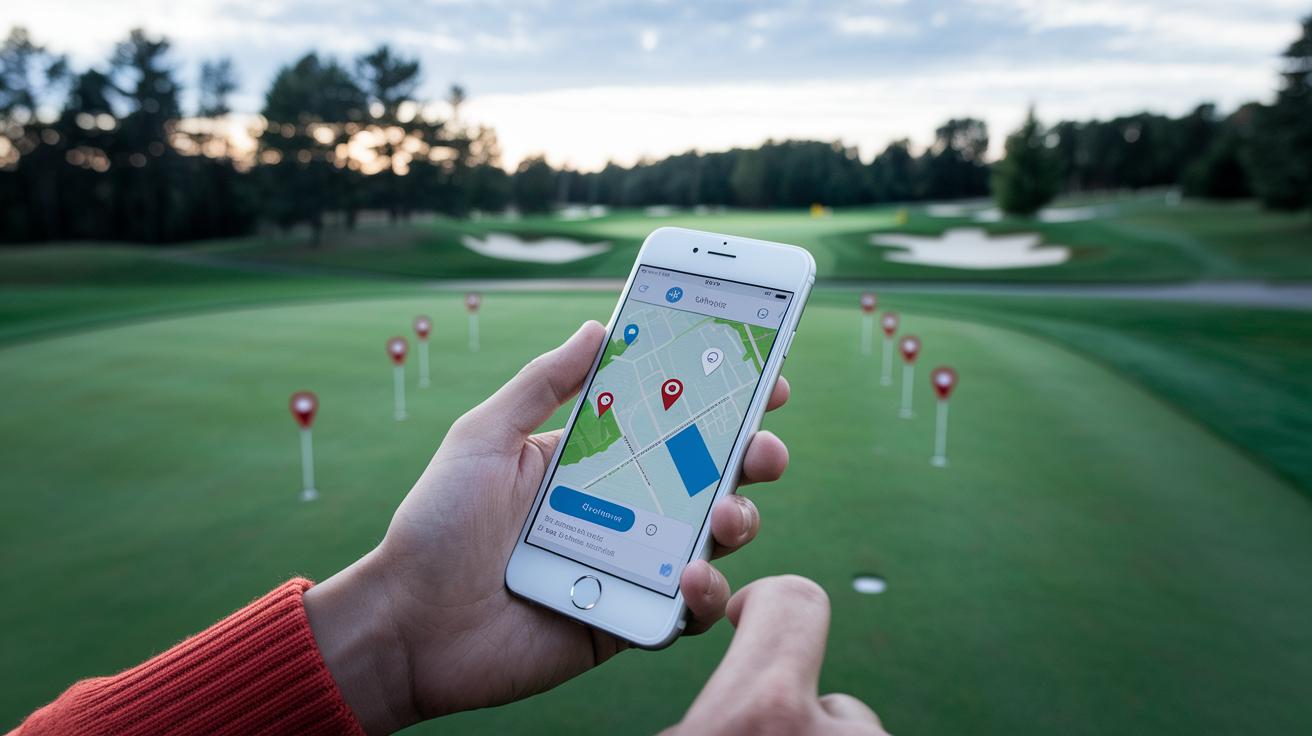
Mobile apps give you a simple way to book tee times on the fly. They show real-time course details like yardage (GPS measurement), scorecards, and interactive maps. Ever type "golf courses near me" and find a spot in Atlanta in seconds? It’s like having a friendly guide on your phone!

Digital review sites gather real golfer feedback, offering clear ratings so you can choose the best course for your round. And with mobile booking, you can reserve a tee time in just a few taps. These apps even update you on course conditions and seasonal pricing, almost like having a digital caddy who spots the best deals for you.

With these digital tools, every part of your golf day gets a tune-up. They cut down on waiting time, help you plan easily, and let you really enjoy the game, making your round as smooth as a perfect drive.

Historical Evolution of Atlanta Golf Courses: Architectural Landmarks and Legacies

Atlanta's golf story began over a hundred years ago with East Lake Golf Club, first opening in 1904. Its long history and ties to legends like Bobby Jones fueled the city's passion for the game. In fact, before he became a global icon, Bobby Jones was busy laying the groundwork for what would become a rich golfing tradition.

Then came courses like Peachtree Golf Club, which opened in 1947 and was designed by Bobby Jones himself, and Cherokee Town & Country Club, with its two courses debuting in 1964 and 1967. Their clever bunker setups and well-placed greens have challenged golfers for decades, mixing classic style with smart design.

Next, the Highlands Course at Atlanta Athletic Club has stepped into the spotlight by hosting PGA Championship events. It skillfully blends traditional course layouts with modern touches to meet the needs of today's tournaments, all while staying true to the deep roots of Atlanta's golf heritage.

Final Words

In the action on the greens, the overview captured Atlanta’s mix of playing options, from exclusive private clubs to relaxed public courses and scenic resorts. The blog outlined top amenities, smart booking tips, current trends, and handy digital tools that enhance the day on the green. Historical insights intertwined with practical advice show what makes atlanta golf courses a true delight. Enjoy planning your next round and savor every shot on these memorable fairways!

FAQ

What are some of the best public golf courses in Atlanta?

The best public courses in Atlanta include venues like Chastain Park, Bobby Jones Golf Course, and Candler Park. They offer easy booking, community benefits, and great value for a fun round.

What are notable private golf courses in Atlanta?

The noted private courses in Atlanta, such as East Lake Golf Club, Peachtree Golf Club, and Cherokee Town & Country Club, are known for their rich history, exclusive amenities, and challenging play.

What resources offer an Atlanta golf courses map?

The Atlanta golf courses map provides clear location details, facility highlights, and driving directions, helping players plan their rounds across both public and private courses.

Which golf courses in Atlanta host PGA events?

Atlanta hosts PGA events at courses like East Lake Golf Club and nearby TPC Sugarloaf, showcasing championship play and top-quality course conditions for serious golfers.

What makes Brown’s Mill, Alfred Tup Holmes, North Fulton, John A. White, and College Park Golf Courses unique?

These courses offer distinctive layouts and a friendly, local feel. Each course stands out by catering to various skill levels while providing accessible and enjoyable golf experiences.

What is the most famous golf course in Georgia?

The most famous golf course in Georgia is East Lake Golf Club. It is celebrated for its rich heritage, Bobby Jones legacy, and a lasting impact on the game.

How much does it cost to play at Bobby Jones Golf Course?

The cost to play at Bobby Jones Golf Course depends on the time of booking and seasonal rates. Generally, it offers affordable options for locals seeking an excellent round of golf.

How much does it cost to join the Cherokee Country Club in Atlanta?

The membership cost at Cherokee Country Club varies with membership type and current promotions, offering exclusive club benefits that come with a price reflecting its upscale environment.

What are some public golf courses in South Atlanta?

South Atlanta features public courses known for their friendly atmosphere and fair pricing, making them ideal for beginners and regular players looking for quality, local golf experiences.

Golf Gear: Elevate Your Game Instantly

0

Have you ever thought that a few simple tweaks to your golf gear could help lower your score? When your clubs, bag, and extras fit just right, every swing feels easier and boosts your confidence on the course. Packing the right equipment not only lightens your load, it smooths out every shot so you can focus on enjoying the game. In this post, we’ll show you easy ways to upgrade your gear and play the way you’ve always dreamed. Get ready to discover some smart changes that might just take your game to the next level.

Essential Golf Gear Every Golfer Needs

Getting your gear ready is key for every round. When you pack smart, it helps your game and makes your time on the course more fun. A well-balanced bag, usually 15-20 lbs, means you can swing with confidence and adjust on the fly. Every shot counts, and having the right equipment keeps your game smooth and stress-free.

  • Golf clubs: A full set from driver (for long shots) to putter (for short, precise shots) gives you the range you need.
  • Golf bag: Choose one that's lightweight yet tough, whether it's a stand bag or a cart bag, to hold your clubs and gear.
  • Golf balls: Bring at least three dozen balls so you’re never caught short during the game.
  • Tees: Pack a variety of tees in different sizes and materials to suit different shots.
  • Glove: A snug leather glove improves your grip and control.
  • Golf shoes: Pick shoes with good traction and comfort, whether spiked or spikeless, to keep you steady on every swing.

Extras can also make a big difference. A sturdy umbrella keeps you dry when the rain starts, and a soft towel helps keep your clubs and hands clean for that perfect grip. A ball marker is handy for lining up your shots with precision. Many golfers also choose a rangefinder, which quickly measures distances and boosts your confidence on the course. These little additions might seem small, but they help every swing feel just right.

Golf Club Gear: Understanding Club Types and Uses

img-1.jpg

When you're out on the course, the right club can make all the difference. Choosing gear that matches your swing and fits the course conditions means looking at design, weight, and balance. Pick the clubs that feel right and you'll enjoy every shot a bit more.

Driver

Drivers are your go-to for long tee shots. With lofts between 8° and 12°, they send your ball soaring far down the fairway. Their sturdy design helps reduce spin so that your drives stay on a steady path. It’s all about giving you that big boost from the start.

Irons

Irons, numbered from 3 to 9, are key for mid- to long-range shots. Each club adds a little more loft (around 4° more as the numbers go up), helping you keep your shots controlled and on target. They’re perfect for those important approach shots when you need precision.

Wedges

Wedges are all about finesse. With lofts ranging from 46° to 60°, they’re designed for short, delicate shots near the green. Whether you’re facing a sand trap or a tricky lie, wedges like pitching, gap, sand, or lob help you manage the challenge with control.

Putter

Putters are designed to give you smooth, accurate strokes on the green. Whether it’s a simple blade or a heavier mallet style, a putter helps you read the green, align your shot, and adjust the weight to roll the ball just right. It’s the finishing touch that can make a big difference on every hole.

This quick guide shows the key points of each club type. Keep these ideas in mind when you choose your clubs based on the course, wind, and your personal swing. Each smart choice can really help your overall game.

Club Type Typical Loft Ideal Shot
Driver 8°–12° Tee shots, max distance
7-Iron 34°–36° Mid-range approach
Sand Wedge 54°–56° Bunker exits, chips
Putter 2°–4° Green strokes

Golf Gear: Balls and Tees Selection Guide

Picking the right golf ball can really boost your game. If your swing is on the slower side, aim for a ball with a compression rating below 70; if you're packing speed, you'll want one above 90. The cover makes a difference too. Urethane covers give you a soft feel and better control, while Surlyn covers are tougher and help you get a solid spin. Even the core matters, as it shapes how much spin you can put on your shot near the green. In short, the mix of compression, cover, and core can change how the ball flies and feels with every swing. Smart gear choices can lead to better play right away.

Choosing the right tee is just as important. Standard tees, whether wooden or plastic, usually stand at 2 1/8 inches, but some specialty tees can rise up to 3 1/4 inches. Different heights suit different swing styles and shot types. Wooden tees offer a natural feel, though they might break more easily than sturdy plastic ones. Also, switching out your tees can save you money and ensure you're always ready for a good shot. Paying attention to these little details can help make your game smoother and more enjoyable.

Golf gear: Elevate Your Game Instantly

img-2.jpg

Getting your golf clothes to fit just right really makes a difference. Your shirts, pants, and hats should feel comfy and let you breathe easily so you can move freely on the course. Nowadays, many brands use fabrics that block UV rays and wick away sweat, keeping you cool and steady when the sun's blazing.

Gloves are a game changer too. Most pros pick tight leather gloves, but synthetic ones work great when the weather gets tricky. And when it comes to shoes, you have spiked ones for solid grip on wet greens, or spikeless pairs that are extra comfy for long walks. Don’t forget a good pair of moisture-absorbing socks to complete your look.

Even small items matter. A snug belt keeps everything in place, a visor cuts down harsh glare on those long drives, and a soft towel helps you keep a good grip. Plus, a sturdy umbrella can be a lifesaver during sudden showers, and little extras like ball markers or wristbands can really boost your focus on every swing.

Advanced Golf Gear Technology and Maintenance Tips

Golf tech is changing the game. Handheld tools and smart sensors now watch every swing, measure distances, and dish out instant tips. This means you can read the course better and tweak your play on the fly, making these upgrades a smart pick for any serious golfer.

GPS rangefinders cut down the time you spend checking yardages by about 20 percent, giving quick and trustworthy numbers. Laser rangefinders bring pinpoint accuracy, down to plus or minus one yard. And some gadgets even track your shot details like swing speed and ball flight. All this high-tech help means you’ll know exactly which club to grab, boosting your confidence with every swing.

Taking care of your clubs is key too. After a round, take a minute to clean off dirt and grass from your clubheads. Changing grips every 40 rounds keeps them snug and reliable. It only takes a quick check for worn grips or loose parts before you tee off. And when you store them in a climate-controlled spot, you help them last longer and play better every time.

Final Words

In the action, we broke down the essentials every golfer needs, from clubs and tees to shoes and smart tech. We chatted about how each element, from leather gloves to advanced rangefinders, plays a part in making your shots count.

Every detail helps improve performance and adds fun to the game. With reliable, well-chosen golf gear at your side, you’ll feel ready for every swing and every challenge. Enjoy your next round!

FAQ

What are the essential golf gear items every golfer needs?

The essential golf gear includes clubs (driver, fairway wood, hybrid, irons, wedges, putter), a golf bag, golf balls, tees, gloves, and golf shoes—all designed to offer comfort and boost your game.

How do different golf club types impact play?

The various golf club types each serve unique roles: drivers maximize distance off the tee, irons suit mid-game accuracy, wedges help with short-range shots, and putters ensure accurate strokes on the green.

What should I look for when choosing golf balls and tees?

The choice of golf balls depends on compression ratings and cover materials that match your swing, while tees offer options in height and material to improve consistency and reduce breakage during play.

How do proper apparel and accessories improve a golfer’s experience?

Appropriate golf apparel and accessories, like well-fitted shirts, pants, hats, gloves, and shoes, boost comfort and performance by keeping you cool, stable, and ready to swing throughout your round.

What role do advanced golf technologies and maintenance tips play in gear performance?

Advanced technologies such as GPS and laser rangefinders speed up yardage estimates, while regular gear maintenance—cleaning clubheads and checking grips—extends equipment lifespan and supports optimal play.

2 Golf Tournaments Hilton Head: Exciting Shows Ahead

0

Ever wondered if Hilton Head's tournaments are the real deal? Classic events mix with new matchups, and the area buzzes with energy that grabs every fan's attention. Imagine the sharp crack of a club hitting the ball at Harbour Town Golf Links or the lively vibe at Shipyard GC. In this piece, we break down the must-see tournaments that make Hilton Head a hot spot for both players and fans. Ready to step onto the green and see why these events are unmissable?

Hilton Head Golf Tournaments Schedule and Venues

Hilton Head boasts a fantastic lineup of coastal golf tournaments that keep fans excited year after year. Whether you’re planning to catch the high-stakes play at Harbour Town Golf Links or enjoy the local vibe at Shipyard GC, this event calendar gives you a handy guide to tournament dates, locations, prize money, and the good causes they support. For example, the RBC Heritage has been a highlight every April since 1969. In 2025, it offered a purse of $20 million and donated $2.65 million to charity – turning a peaceful spot into a top golf destination!

Event Dates Venue Purse Charitable Impact
RBC Heritage April 10-13, 2025 Harbour Town Golf Links $20M $2.65M
Seniors Intl. Oct 16-18, 2025 Harbour Town Golf Links $5M $1.5M
Cuyahoga Seniors Intl. Oct 17-19, 2025 Harbour Town Golf Links $4.5M $1.3M
Planter’s Row Seniors Oct 11-13, 2025 Port Royal GC $3M $1M
Shipyard GC Oct 19–21 Oct 19-21, 2025 Shipyard GC $4M $1.2M
Inaugural Seniors Intl. Oct 21-24, 2025 Shipyard GC $3.5M $0.8M

This schedule really shows off the mix of long-held tradition and fresh, community spirit that defines Hilton Head tournaments. With thrilling matchups and a solid focus on charity at every event, Hilton Head continues to serve up coastal golf championships that keep fans coming back for more.

Major Golf Tournaments in Hilton Head

img-1.jpg

RBC Heritage Overview

Charles Fraser kicked things off by starting the PGA event at Harbour Town during Thanksgiving. What began with a modest $100,000 purse in 1969 has now grown into a $20 million prize fund. Over the years, nearly $60 million has gone back to local communities, lending a real sense of purpose to every swing.

Recent tournaments have been full of memorable moments. In 2024, Scottie Scheffler impressed fans by shooting 19-under par with a stunning 3-under 68 in his final round. He made history by winning both the Masters and the Heritage in consecutive weeks. Then in 2025, Justin Thomas stole the spotlight, with a countdown timer adding extra excitement to his arrival. With more than 100,000 fans showing up and broadcasts on CBS and Golf Channel, the event keeps us all on the edge of our seats.

Hilton Head Seniors International Highlights

October’s Seniors International tournaments brought plenty of drama to the greens. At Harbour Town, Shipyard, and Planter’s Row, we saw Geiberger snag his second senior tour win, Baird take home his first-ever title, and Fetchick set a record as the oldest champion. Wins by Elder and Barber added even more spark to the action.

These events have given us nail-biting playoff finishes, age-defying records, and one surprising split title because of weather delays. It’s a reminder that senior tour golf at Hilton Head is always full of surprises, leaving fans eagerly waiting for the next round.

Ticketing and Registration for Hilton Head Golf Tournaments

Tickets for the tournaments are released about six months ahead of time. Fans can choose from several ticket options. There are single-day adult passes that cost between $50 and $80, multi-day grounds tickets for around $150 to $300, and VIP packages that can go as high as $1,200. If you qualify as a military member or a first responder, you'll get about a 10% discount on single-day tickets. So, if you set a reminder, you'll be ready when the official ticket release date is announced on the PGA Tour Schedule at "https://golfmarkets.com?p=240".

Here are some handy tips to keep in mind:

  • Set alerts for the release dates.
  • Join the official mailing list for early notifications.
  • Use your military or first-responder discount codes.
  • Look into hospitality packages if you want a premium seat.
  • Check resale sites to nab the best deals.

Registration for amateur divisions happens at the same time as the ticket sale. Clear deadlines and easy entry forms are available on the official site. Plus, refund policies are explained before the tournament starts so you can plan your visit without worry.

Course and Venue Guide for Hilton Head Tournaments

img-2.jpg

Harbour Town Golf Links is a classic course that shows off great design. Built first by Pete Dye and later refined by Jack Nicklaus, it boasts a famous 18th hole with a lighthouse that attracts fans from all over. The course features flat, narrow fairways and winding tidal creeks, making every shot a careful challenge. Imagine lining up at the 18th hole, where every swing echoes golf's rich history.

At Shipyard GC, you'll find a different atmosphere. Designed by Rees Jones, its parkland layout offers tree-lined fairways and lush Bermuda grass that make you feel right at home. Its varied terrain gives you a mix of challenges that keep the game interesting. Along with this, Planter’s Row Course adds a resort feel with its 27-hole track, rolling hills, and several tee options tailored to your play. Walking through these grounds, you quickly see the perfect balance between beauty and challenge.

Be sure to use the on-site maps and signage to get around. They point you toward practice ranges, the clubhouse, and spots set aside for spectators. By following the markers, you can easily move from one key hole to the next, making sure you don’t miss a moment of the action while enjoying the history and design of Hilton Head’s top venues.

Visitor Logistics and Local Accommodations for Golf Tournaments in Hilton Head

Heading to Hilton Head for a golf tournament? You'll find plenty of places to stay right near popular spots like Sea Pines Resort, Harbour Town Inn, and Coral Sands Hotel. It’s a smart move to book early, especially when it's busy, since prices run from $150 to $400 a night. Plus, local shuttles make it a breeze to get from your hotel to the tournament grounds, so you never miss an exciting moment. As many seasoned travelers say, book ahead to be near all the local attractions!

Here are a few top picks:

Top Spots
Harbour Town Village
Daufuskie Island Ferry
Pinckney Island National Wildlife Refuge

When you’re planning your trip, a few practical tips can help. Arrange airport transfers early and grab your parking passes in advance to dodge any last-minute rush. Pack some weather-ready clothes too, because spring in Hilton Head stays around 65°F to 75°F with the occasional rain shower. And remember, the tournament dress code means collared shirts and soft-spike shoes are a must to keep things smart and respectful. For a detailed breakdown of the event, check out the Upcoming Golf Tournament Preview.

Live Coverage, Leaderboards, and Media for Hilton Head Golf Tournaments

img-3.jpg

From 1 PM to 6 PM EDT, get ready for a thrilling display of golf action on CBS and The Golf Channel. Every swing and putt is broadcast in high quality for viewers at home and around the world. The friendly commentary team explains every exciting moment, so even if you’re not at the course, you feel like you’re right there cheering on your favorite players.

Digital tools make it even easier to join the fun on your own terms. The PGA Tour app gives you real-time leaderboards that update with every shot. Plus, dynamic feeds keep the scores and highlights right at your fingertips. And hey, next time you post on social media, use the hashtag #PLAIDNATION to share your favorite moments and join the conversation. Don’t miss out on online countdown timers, either, they’ll remind you when exclusive merchandise drops so you can snag your must-have items.

Final Words

in the action, this article highlighted all the key events and insider details of Hilton Head’s exciting lineup. The schedule and venue breakdown, tournament highlights, and ticketing tips paint a clear picture of what’s ahead.

Event Dates Venue Purse Charitable Impact
RBC Heritage April 2024 Harbour Town Golf Links $20M $134.9M
Seniors Intl. Oct 16–18 Harbour Town Links $1M $15M
Cuyahoga Seniors Intl. Oct 17–19 Harbour Town Links $800K $10M
Planter’s Row Seniors Oct 11–13 Planter’s Row Course $750K $8M
Shipyard GC Oct 19–21 Oct 19–21 Shipyard Golf Club $900K $9M
Inaugural Seniors Intl. Oct 21–24 Harbour Town Links $850K $7M

Every detail ties back to the thrill and community spirit that makes golf tournaments Hilton Head a must-watch experience. The clear breakdown of events and easy tips leave us ready to enjoy more great moments on and off the course.

FAQ

Q: What are the dates for the Heritage golf tournament in Hilton Head?

A: The Heritage golf tournament dates typically fall in early April on Hilton Head. For 2025 and 2026, check the official schedule for the most precise information.

Q: Where is the RBC Heritage played in Hilton Head?

A: The RBC Heritage is held at Harbour Town Golf Links, a celebrated course with challenging holes and a rich history that draws thousands of devoted spectators each year.

Q: What public golf tournaments are hosted in Hilton Head?

A: Hilton Head hosts a range of public tournaments such as the RBC Heritage and several senior golf events at top courses like Harbour Town Golf Links and Shipyard Golf Club.

Q: Where is the Hilton Grand Vacations golf tournament played?

A: The Hilton Grand Vacations golf tournament takes place at a premier venue on Hilton Head, with details updated annually in the official tournament announcements.

Q: Which venues host golf tournaments on Hilton Head Island?

A: Tournaments on Hilton Head Island are played on well-known courses including Harbour Town Golf Links, Atlantic Dunes by Davis Love III, Oyster Reef Golf Club, Heron Point by Pete Dye, Hilton Head National Golf Course, and Shipyard Golf Club.

3 Women In Golf Trends Radiate Brilliance

0

Have you noticed a new sparkle on the golf course? More women are picking up clubs and bringing a burst of energy to a game that used to be mostly for men. In recent years, millions of women have taken to the fairways, breaking old routines and changing the game. In this story, we dive into three trends that are transforming women’s golf and making it more welcoming and exciting than ever.

Since 2020, more and more women have been picking up clubs and hitting the course. With work life shifting and people seeking fresh outdoor fun, female golfers are joining the game like never before. In fact, back in 2020, the number of women golfing shot up faster than anyone expected, giving the sport a lively new pulse.

A story in The Washington Post on January 16, 2024, really highlighted this trend. Over the 2020, 2021, and 2022 seasons, more than 6 million women took part in golf. These players are breathing new life into the sport, challenging old habits, and adding a burst of energy and perspective that’s changing the game.

Women’s Golf Month, started 18 years ago by the PGA, has done a great job spotlighting these changes. It celebrates the rich history and achievements of female golfers while inviting new fans to experience all the fun and thrill the sport has to offer.

img-1.jpg

Since 2020, extra free time and the shift to remote work have drawn more women to hit the golf course. New leagues and events designed just for women have made it easier for more players to get involved. Even The Washington Post pointed out that changes at work and in our daily lives have opened up the sport to female golfers.

Metric 2022 Value YoY Change
Active Female Golfers (millions) 6
Female Coaching Bookings Share 25%
Female Lesson Bookings Growth +79%

These numbers show a clear boost in the sport's popularity among women. With flexible work schedules, tailored events, and a surge in lesson bookings, many clubs are now fine-tuning their training to fit the needs of female golfers. Ever seen a club adjust their sessions just like that? It's all part of golf growing into a more inclusive game.

Female golfers are really fine-tuning their swings, practicing with care and determination. Coaches now focus on biomechanics to help each move count, kind of like tuning a great instrument. Imagine the crisp thwack when the club meets the ball, it’s a sign of real technique mastery that pros are proud to show off.

New scoring records are popping up everywhere, proving that fresh ideas really work. Rising stars are shattering old benchmarks and breaking records many thought were set in stone. A recent Washington Post piece showed how these athletes are lowering scoring averages and perfecting new swing styles.

This boost in play isn’t just about individual wins, it’s changing the whole game. At elite tournaments, you can feel the buzz from smart plays and fierce competitiveness. With players like Katy Ho facing off against LPGA stars such as Jillian Hollis, Jessica Porvasnik, Clare Legaspi, and Cindy Oh, the tour is now a showcase of tactical brilliance and athletic skill, setting an exciting new pace for the sport.

img-2.jpg

Female golf is booming these days, and coaches are stepping up their game. They’re rethinking old methods and adding fresh ideas to help more women enjoy the sport. Today’s training mixes classic skills with new techniques, making each swing count and every strategy clear.

New programs, like LPGA Girls Golf certification and Women’s Only School sessions at Chelsea Piers, are opening doors for players at every level. There are also cool digital coaching tools, mental resilience lessons (that help build mental toughness), and special fitness routines that prevent injuries, all designed with women in mind.

These changes mean a lot for the game. Clubs and academies are quick to adopt these new ways to keep up with growing interest. In fact, female lesson bookings on platforms like TeachMe.To have jumped 79% year-over-year! The focus now is on offering guidance that really speaks to women, boosting every player’s skills and building a more welcoming golf community.

Across the country, new women-only tour events are rolling out, inviting more female golfers to try their hand on specially designed courses. Tournaments and local leagues built just for women are opening up fresh ways to enjoy the game. Whether you're a rising star or a seasoned pro, these events give you a great place to show off your skills in a friendly, supportive setting.

Fans are flocking to these matches. Bleachers are packed, and streaming numbers are soaring as viewers tune in for high-energy games and impressive displays of talent. Every event buzzes with excitement, and social media chatter proves that women’s golf is truly grabbing attention.

Big brands are catching on too. They’re shifting their focus to invest in women-only events, eager to connect with new and diverse audiences. This move is driving more visibility and drawing top-notch endorsements that celebrate the evolving spirit of the sport.

The financial impact is clear. With rising sponsorship deals and packed stands, revenue is growing, which helps local golf communities and boosts the broader industry. It’s an exciting time for women’s golf, with each event lighting up the course both on and off the green.

img-3.jpg

The future of golf is bright, thanks to a new group of rising stars who are quick on their feet and sharp in their swings. Jillian Hollis, Jessica Porvasnik, Clare Legaspi, and Cindy Oh are all carving out their places with steady progress and relentless determination. Jillian sharpened her game in local tournaments, setting herself up as a top rookie contender for LPGA Rookie of the Year. Jessica made waves as a standout amateur, while Clare built her fierce competitive spirit with several breakthrough wins on tour. Cindy, on the other hand, has rocketed up the world rankings, fueled by her true love of golf.

Recent achievements show that these athletes are more than just promising names. Jillian is already a standout in her rookie season, with a focused swing that’s drawing plenty of attention. Jessica’s shining record as an amateur champion is hard to miss, and Clare’s multiple tour victories add an exciting flair to her career. Cindy’s impressive jump in the rankings underscores her drive to reach even greater heights and keep improving her game.

Looking ahead, each player has a bright path full of potential. Their growing success on the green not only inspires new talent but also sets a high bar for those emerging in the world of golf.

The outlook for women's golf is looking really promising. More women are joining clubs every day, and that means local courses and communities will buzz with new energy and fresh talent.

Keep your eyes peeled for new women-only pro leagues. These leagues will become launch pads for top talent, drawing in fans and inspiring the next generation to break through any limits.

Sponsorship is also changing fast. Brands are teaming up with women's events more than ever, which brings more money and attention to the game. This helps players get the support they need to shine on the course.

Coaching is getting a tech upgrade too. Virtual and augmented reality tools are making it easier for players to hone their skills at home. Imagine practicing your swing with immersive lessons that feel both fun and practical!

Plus, data-driven analytics are becoming a big part of tournaments. By keeping track of every swing and stroke, players can get instant feedback to help tweak their strategy and boost their performance throughout the tour.

Final Words

In the action, women in golf trends are making waves on the green. Female participation has surged with fresh talent and innovative coaching reshaping every swing. Dynamic events and rising sponsorship have energized tournaments, while groundbreaking stats back the sport’s growing diversity. The insights remind us how the game is evolving, building a positive path ahead that invites more fans and fresh opportunities. The future of golf looks bright and welcoming for all.

FAQ

What are the trends for black women in golf?

Black women in golf show growing participation and increased visibility. Community events and targeted sponsorships are boosting engagement and paving the way for more black women to enjoy and shape the sport.

What do statistics reveal about women playing golf in the industry?

Statistics reveal a post-2020 surge in female participation with over 6 million active players. These numbers reflect rising event support, innovative coaching, and a stronger presence in tournaments reshaping the industry.

What are current trends in the overall golf industry?

Overall trends in the golf industry include modern coaching methods, expanded sponsorships, and a boost in participation. Such trends drive a broad appeal among players and signal fresh opportunities for growth.

How many men and Americans play golf?

Data show that millions of men play golf in America each year, with the sport drawing strong participation from all corners of the nation. These figures highlight a deep-rooted love for golf across diverse groups.

Does a golf popularity by year graph exist?

A golf popularity by year graph typically highlights participation surges, especially after major shifts like those seen post-2020. Such visuals help capture how lifestyle changes and new coaching trends have boosted the game.

Park Golf: Simple Sport, Timeless Fun

0

Have you ever thought a sport could be both easy and a blast? Park golf proves that you don’t need any fancy gear to have a great time. It all started in Japan more than 40 years ago, mixing an 18-hole course with the relaxed feel of a sunny day outdoors. And all you need is one club and a big ball to get going, a quick round that's perfect for family fun or some quiet time on your own. Simply put, park golf shows that classic fun is waiting for everyone, no matter your skill level.

Understanding Park Golf Basics

Park Golf is a fun and easy sport that anyone can enjoy. It started in 1983 in Makubetsu, Japan, and hit its 40th anniversary in 2023. Whether you’re new to the game or a seasoned fan, its friendly layout of 18 holes feels both familiar and fresh.

Each course features holes that vary from 20 to 100 meters long. Every hole has an 8-inch cup with a flag marking the target. The game usually follows a par 66 format with a mix of par 3, par 4, and par 5 holes. Imagine strolling up a gentle hill where every hole gives you a small, fun challenge.

The International Park Golf Association, formerly the Japan Park Golf Association, sets up the rules so that everyone plays fair and safe. All you need is one club and a large ball to get going. It’s pretty cool to think, before your first swing, you feel that crisp thwack and know that a great round of fun is waiting.

A full round of Park Golf usually takes about 90 to 120 minutes. It’s a perfect way to spend time with family, catch up with friends, or simply enjoy a quiet round on your own. With its short holes and simple equipment, Park Golf mixes the charm of traditional golf with a no-fuss vibe that’s welcoming to players of all ages and skills.

Park Golf Rules and Etiquette

img-1.jpg

Park Golf is simple and fun. In this game, you stick with one club and one ball while keeping score on a par 66 basis. Each hole features an 8-inch cup with a flag, giving the course its friendly, laid-back vibe. The International Park Golf Association also reminds everyone to play safely, care for the turf, and keep things respectful. Many players just walk on, so it’s important to stay at a good pace and let quicker groups move ahead.

Here are some basic pointers to follow on the course:

  • Use one club and one ball for every shot.
  • Keep track of your strokes with the par 66 system.
  • Aim for the 8-inch cup marked by the flag on each green.
  • Play in a safe manner and be aware of your surroundings.
  • Help the course by repairing any ball marks and taking care of the turf.
  • Maintain a steady pace and let faster groups pass when needed.
  • Be courteous; keep your voice down and avoid unnecessary disruptions.
  • Stay within the designated playing areas and follow any extra local rules.

Stick to these pointers with a friendly attitude, and you'll have a great round of Park Golf every time.

Essential Park Golf Equipment Guide

Getting the right gear makes playing Park Golf a blast. All you really need is a solid club and a well-made ball. The club comes with a steel or fiberglass shaft and a rubber grip so you feel comfortable when you swing. Imagine the nice feel of a club that fits perfectly, just like finding that missing piece to your game. The ball, about 60 mm wide and weighing around 120 g, helps you hit consistent shots every time.

There are also a few extras that can make your game even better. A light bag is great for carrying your club and ball. A good pair of shoes can keep you steady as you walk the course, and some players even like wearing gloves for extra grip on damp days. And the best part? Park Golf doesn’t cost a fortune. A round can cost between 2,000 and 5,000 KRW (under $10 US), so you can choose clubs that fit your budget.

Here’s a quick look at the main equipment to help you decide:

Equipment Description Typical Price
Club Steel or fiberglass shaft with a rubber grip and club head made for large balls $30 – $100
Ball 60 mm wide and 120 g – designed for consistent play $5 – $15
Bag Lightweight bag meant to carry your gear easily $20 – $40
Footwear Comfortable, sturdy shoes that give you good grip and stability $40 – $70

This simple set of gear helps keep Park Golf fun and easy for everyone, letting you focus on the game without any fuss.

Park Golf Swing Techniques and Training

img-2.jpg

Park Golf is all about keeping things relaxed and fun. Even if you’ve never taken a lesson, you can naturally improve your swing by practicing and joining friendly group sessions. Before you start, take 5–10 minutes to stretch your arms and legs. This simple warm-up loosens your muscles and helps avoid injuries when you swing.

Focus on a few basic steps that make every shot count. First, work on a light grip. Think of it like holding a small bird, firm but gentle. Next, set up with a steady stance, so you have balance right from the start. Then, let your backswing build slowly, like winding up before releasing energy, and finish with a smooth follow-through that points your swing toward the target.

Try these fun drills during your group sessions:

  • Swing slowly at first to really feel each movement.
  • Practice repeated swings without a ball so you can focus solely on your form.
  • Get together with some friends for casual practice, as learning in a relaxed group builds confidence.

Low-pressure practice keeps the game fun and helps you feel more confident every time you play. Enjoy every moment on the course!

Park Golf Course Layout and Venue Selection

Park Golf courses are built to fit right into their surroundings. You can find them in parks, open fields, or even right in the middle of city spaces. Each hole measures between 20 and 100 meters, so every shot offers a fresh twist. Whether tucked into open valleys, rolling hills, or flat city parks, these courses give you a mix of settings, whether you crave nature’s calm or the buzz of urban life.

If you search for "park golf course near me" on your favorite map or app, you’ll spot pictures and reviews that help you choose the best place. Walk-ins are popular at many courses, and the flexible tee times make it easy to plan a quick game or a relaxing outing with family and friends.

Natural vs. Urban Course Settings

On courses set in nature, the design takes full advantage of the landscape. Picture a course nestled among tall trees or resting on a gentle slope where the cool air blends with the soft sounds of wildlife. Every swing feels relaxed and scenic, with nature’s own beauty all around. In city parks, however, the courses are a bit more compact and busy, using landscaped plots and green patches to create a fun, challenging game, even with a city backdrop.

Case Study: 1Club in Vernon, NJ

The 1Club in Vernon, NJ, is a stellar example of a course that really stands out. Located in Vernon Valley, this course treats you to sweeping views that make you feel like you're on a mini retreat instead of a regular sports venue. It even got a shout-out on FOX 5 for its unique mix of sport and nature. With wide-open skies and rolling hills in the background, 1Club shows how a park golf course can blend play and scenic beauty for a memorable experience.

Getting Started with Park Golf: Beginners and Local Events

img-3.jpg

Getting started with park golf is a breeze. It's as simple as taking a relaxed walk on a familiar course. You don’t need any fancy membership to join in; families and beginners are warmly welcomed. Many community centers even offer free or low-cost clinics where you can try out the game without any stress. For instance, you might join a session that starts with a fun drill, reminding you that even the pros began with just one swing at a beginner’s clinic and learned to enjoy every shot.

If you're up for some hands-on practice, check out local events where groups gather for casual rounds and mini-tournaments. These gatherings give you a chance to pick up tips from other players and boost your confidence with every swing. Local social clubs often host group sessions that mix some friendly competition with a laid-back community feel. To find a spot nearby, just search for "public golf courses" on your favorite map app and take a look at photos and reviews to help you decide.

Here are a few easy tips to get started:

Tip What to Do
1 Check out community centers for beginner clinics
2 Join social clubs that hold weekly rounds
3 Explore local events via your preferred online maps tool

These options make it super easy to become part of the park golf family. Enjoy a game that's fun, social, and relaxed, perfect for taking in the fresh air and having a great time on the course.

Park Golf Competitions and Tournament Overview

Park Golf has a lively competitive side run by the International Park Golf Association. The association hosts both national and global contests, marking big milestones like the 40th anniversary of the sport. Players from all walks of life come together to compete for pride and recognition. You can join in as an amateur or in league play, whether the game feels casual or more like a formal tournament.

Most competitions mix digital and paper scorecards to track every stroke. This setup is great for newbies, giving you a clear idea of how your game stacks up against others. A quick tip: keep a steady pace and double-check your score because every point counts in close games.

Here are some handy tips for anyone stepping into your first tournament:

  • Arrive early so you can get to know the course.
  • Warm up well to avoid any strain.
  • Stick to a consistent game rather than always going for risky shots.
  • Don’t hesitate to ask seasoned players for advice if you’re unsure.

These pointers can boost your confidence at your first competitive event. Whether you’re aiming for a future championship or just want to enjoy a fun tournament, Park Golf’s competitive spirit offers a timeless thrill that keeps players coming back for more.

Final Words

in the action, we explored park golf basics, rules, and key equipment.
We broke down the simple swing steps and training tips for a smooth game.
The guide also looked at course layouts and tips for finding local park golf spots.
A few hints for beginners and advice on tournaments set you up for a fun day on the green.
Enjoy your next round, keep trying fresh techniques, and let every swing bring a smile.

FAQ

How do you play park golf?

Playing park golf involves using one club and a large ball to complete 18 holes set on a par 66 course. It’s simple, fun, and a round takes about 90–120 minutes.

What are park golf rules?

Park golf rules follow a stroke play format on an 18-hole course with an 8-inch cup and par 66 system. Players use one club and should maintain pace, care for turf, and be courteous to others.

What does “park” mean in park golf?

In park golf, “park” refers to outdoor courses often set in parks or urban spaces. These courses are designed for casual play in a natural, welcoming setting without membership restrictions.

How do park golf clubs and equipment differ from traditional golf clubs?

Park golf clubs feature a steel or fiberglass shaft, a rubber grip, and a club head designed for large balls. The ball is bigger and heavier, making the game more accessible and less technical than traditional golf.

Where can I find park golf courses near me?

To find park golf courses, search “park golf course near me” on Google Maps or Yelp. Local listings often include photos, reviews, and booking details, making it easy to pick a nearby venue.

Does park golf exist in the USA, including Florida and New Jersey?

Yes, park golf is played worldwide, including the USA. For example, New Jersey’s 1Club in Vernon offers scenic courses, and several venues in Florida cater to players looking for a relaxed golf experience.

What is the 80/20 rule in golf?

The 80/20 rule in golf means beginners should focus 80% on mastering the basics, like grip and stance, while devoting 20% to advanced techniques. This balanced approach helps build a solid foundation.

What accessories are needed for park golf, such as a bag or bucket golf?

Essential accessories include a lightweight bag for carrying your club and ball. Variations like bucket golf use a bucket to hold balls, offering an engaging twist that makes the game even more beginner-friendly.

What can I learn from a park golf video?

A park golf video can show you game highlights, technique tips, and course layouts. It’s a great visual tool to learn proper swing techniques and discover new or local courses.

The Art Of Golf Commentary: Pure Excitement

0

Have you ever noticed how one timely word can bring a golf shot to life? In golf commentary, a few well-chosen words can turn a quiet moment into pure excitement.

Picture a soft whisper during a tense putt. That one comment can transform an ordinary play into something unforgettable. In this post, we share the secrets behind those memorable calls that make every shot feel legendary. When clear, thoughtful talk meets perfect timing, the game becomes a thrilling story just waiting to be told.

Mastering Techniques in Golf Commentary

Great golf commentary isn’t just about using fancy words at any time, it’s about picking the right moment too. A quiet, well-timed whisper during a close four-foot putt can really add tension and ramp up the excitement. When a commentator mixes smart insights with just the right tone, every play feels as important as the shot that follows.

The sounds on the course bring the game to life. Imagine hearing the crisp hit of a putt, the satisfying crack of a driver, and the soft buzz of the crowd all at once. By layering these real-life noises with careful words, the broadcast becomes more vivid and engaging. For more great tips, check out GolfMarkets.com.

A calm, steady voice can turn an ordinary shot into a highlight you remember. Whether it's a perfect drive or a clutch final putt, the blend of clear analysis and natural storytelling makes the moment pop. It’s this mix of precision, pace, and personality that makes golf commentary an art form, captivating, real, and full of energy.

Technical Mastery of Live Play Narration

img-1.jpg

Getting the call moment just right is crucial in live play narration. Commentators know that every word matters when a golfer lines up a critical shot. They lean on simple tricks like the 80/20 rule to zero in on what really changes the game. They also use the 7/10 rule to show that about 70% of a player's success comes from perfect form (that means the way they swing and move). For instance, a commentator might describe a drive that flies "smooth as a well-oiled machine," instantly drawing you into every detail of the play. It’s all about catching that key moment with a mix of clear play analysis and a burst of lively energy.

  • Voice Modulation for Tension
  • Timing Calls with Impact
  • Balancing Analysis and Description
  • Using the 80/20 Commentary Rule
  • Quick Analytical Responses

These methods help broadcasters create a steady rhythm that makes fans feel every swing. Every call is timed to match the shot perfectly, blending clear rhythm with vivid details that capture the spirit of the game. This lively pace, paired with fast analysis, not only keeps you glued to the action but also builds a closer bond with the sport. When each well-timed word connects, live play narration turns into real art that boosts the drama of golf.

Storytelling and Audience Engagement in Golf Commentary

Golf commentary comes alive when you mix real-time action with personal stories. A great story can take fans back to unforgettable moments, like a thrilling Ryder Cup comeback, and make every shot feel special. When commentators choose their words carefully and add small, vivid details, they build suspense and invite fans to feel the game on a whole new level.

  1. Introduce Player Backstory
    Share a quick look at a player’s journey, for example, talk about a young golfer who overcame early challenges before making it big in tough tournaments.

  2. Highlight Key Turning Points
    Point out sudden shifts in the game. A dramatic birdie on the 18th hole, for instance, can change everything and keep fans on the edge of their seats.

  3. Weave in Historical Comparisons
    Compare today’s play to legendary comebacks. This not only informs fans but also connects the current moment to the greats of the past.

  4. Use Vocal Inflection for Emotion
    Let your tone match the action. A softer voice at a crucial putt or a louder shout during a game-saving drive shows the excitement of the play.

These techniques turn a regular broadcast into an exciting play-by-play experience. They build up the story and make fans feel like active participants. Instead of just watching, fans connect with every high and low of each moment. With lively dialogue and clear storytelling, every play is filled with passion, so viewers are both informed and truly entertained.

Historical Evolution of Golf Commentary Styles

img-2.jpg

Back in radio’s early days, broadcasters used colorful language to bring golf to life. In the 1920s, announcers turned a plain game into a dramatic tale full of suspense. They painted every swing and putt with vivid words, making listeners feel like they were right there on the course, even without any visuals. Their mix of clear game talk and creative flair set the stage for the lively commentary we enjoy today. For more on golf commentary’s journey, check out evolution of golf commentary.

Emergence of Ambient Sound Techniques

Then in the 1980s, everything changed. Broadcasters began using on-course microphones that picked up every sound: the crisp crack of a driver and the gentle clink as birdies dropped. These real, raw noises brought an extra layer of excitement, making fans feel like they were truly in the midst of the action.

Integration of Analytics and Flair

In the 2010s, the radio booth got even smarter. Commentators started blending hard stats with fun, off-the-cuff storytelling. They mixed technical details with rich, lively chat, so every number and play felt part of a bigger, exciting narrative. Today’s broadcasts combine precise analysis with imaginative tales, capturing everything from the thrill of a perfect shot to the quiet tension before a crucial putt. This mix of facts and personality keeps fans hooked from tee to green.

Professional Insights: Learning from Top Golf Commentators

Jim Nantz kicks off his broadcasts with a warm "Hello, everyone," making you feel right at home. His relaxed style draws you in, much like a perfect tee shot on a sunny day. Peter Alliss mixes clear, easy-to-follow breakdowns with a touch of humor, proving that even the nitty-gritty details can be fun. And then there's Scott Van Pelt, whose clever quips boost the energy and remind us that a bit of personality can change the game entirely.

Seasoned pros say the secret to a great broadcast is plenty of practice and always getting better. They believe voice coaching and script rehearsals aren’t just busy work, they help you build a strong on-air presence that fans can feel. When you polish your signature phrases and nail your timing, you set the stage for those unforgettable moments that keep us all hooked.

  • Create your own catchphrases
  • Warm up your voice regularly
  • Rehearse your scripts for big tournaments
  • Record your sessions and review them
  • Ask for feedback from fellow broadcasters

By embracing these habits, broadcasters build a unique, powerful identity on-air. Each word you deliver adds to the excitement, turning every broadcast into a lively, memorable round of golf.

Enhancing Broadcast Impact through Stylistic Choices

img-3.jpg

Commentators truly bring the game to life by choosing their words with care. They mix in vibrant descriptions and creative observations that let you see every moment as if you're there on the course. Sometimes, a word like "imperious" or a simile like "like a perfect arc at sunset" turns a regular call into something you'll remember.

Well-timed exclamations add a burst of energy that keeps fans on the edge of their seats. For example, a quick shout of "Holy mackerel!" after a birdie (one stroke under par) can really make a play unforgettable. Every phrase is picked to build a natural rhythm and crank up the excitement.

Stylistic Element Example Phrase Impact on Viewer
Metaphor Use “Perfect arc at sunset” Visual engagement
Catchphrase Timing “Holy mackerel!” after birdie Memorable moment
Vocal Inflection Soft whisper on putt Heightened tension

Using these style tools helps broadcasters create a unique call that truly clicks with fans. By trying out a mix of adjectives, catchphrases they’ve practiced, and deliberate pauses, every call feels both natural and charged with excitement. Regular practice with these techniques sharpens their narrative pace, turning everyday plays into real highlights. Simply put, embracing these methods can transform live commentary into an experience as dynamic and engaging as the game itself.

Final Words

in the action, we explored how precise timing and vibrant word choices bring live play narration to life. The breakdown showed how ambient sounds and thoughtful narrative build energy on the green. We saw key methods, from balancing technical insight with heartfelt storytelling to using signature phrases, that keep viewers hooked. Overall, every technique contributes to a richer broadcast experience. Embracing the art of golf commentary means connecting each swing, shout, and whisper with genuine passion and excitement for the game.

FAQ

What does the art of golf commentary on YouTube and via apps involve?

The art of golf commentary on YouTube and via apps involves dynamic narration that brings live game action to life, blending technical insight with vivid play descriptions for an immersive viewing experience.

Did Amanda Balionis quit golf?

Reports about Amanda Balionis quitting golf do not show credible confirmation. She remains active in the sports media scene, delivering insightful commentary and analysis on golf events.

What is the 80/20 rule in golf?

The 80/20 rule in golf means focusing on the most impactful 20% of your strategy to drive 80% of your overall performance, highlighting key moments and techniques during a round.

What is the 7/10 rule in golf?

The 7/10 rule in golf means that about 70% of performance comes from good technique. It guides commentary by emphasizing form and execution during key moments on the course.

What are the 3 P’s in golf?

The 3 P’s in golf commentary stand for Precision, Pace, and Personality. They embody the essential elements needed to deliver clear, engaging, and timely play-by-play analysis during live broadcasts.

Insider Tips From Veteran Golf Commentators Shine Bright

0

Have you ever wondered why seasoned golf broadcasters stand out on the radio? Their playful humor and smart words turn a simple game into an exciting event that feels as thrilling as a perfect drive.

We’ve gathered trusted tips from legends like Peter Alliss and Henry Longhurst. They show you how to mix quick wit with clever insights and personal stories that grab your attention.

Ever seen a call that makes you feel like you’re right there on the fairway? With these ideas, you can create broadcasts that are just as lively and memorable as a crisp shot soaring across the course.

Quick Wins: Pro Tips from Veteran Golf Commentators

If you're just starting out as a commentator, there's a lot you can learn from the pros. Ever heard Peter Alliss’s 2002 Open comment about Tiger Woods? He joked, "you can’t trust anyone these days. It’s like turning up to hear Pavarotti sing and finding out he has laryngitis." This kind of wit makes the call fun and unforgettable.

Veteran voices like Henry Longhurst showed us the power of a quick phrase like "What a corker" at just the right moment. And today, commentators like Shane Bacon and Curt Byrum mix solid analysis with a friendly vibe for every play.

Here are some must-follow tips:

  1. Get your timing right so you capture every key moment.
  2. Learn the technical words used in commentary; they form the backbone of your call.
  3. Mix in a bit of humor and share personal stories to connect with your audience.
  4. Keep your sentences short and punchy.
  5. Use changes in your voice to match the drama on the course.
  6. Stay true to your love for golf; passion is contagious.
  7. Look to legendary commentators for inspiration.
  8. Balance fun banter with clear, straightforward explanations.

Stick to these tips, and you'll be on your way to creating a style that's both lively and genuine, just like the greats in the game.

Crafting Compelling Golf Narratives in Veteran Commentary

img-1.jpg

Veteran commentators have a knack for turning words into magic on the course. They pull you right into the game with just a few well-chosen phrases. Their style builds tension and fun as you listen, much like standing on the tee ready for that perfect drive.

Take Brandel Chamblee, for instance. His breakdown of each swing is so detailed it creates suspense with every ball in flight. And then there’s Scott Van Pelt, who smoothly blends player histories into live action, making you feel like you’re part of every moment. Jim Nantz adds his own touch by mixing historical stories with live play, reminding us of golf’s rich past while showcasing today’s excitement.

These storytellers let you feel every risk taken and every satisfying crack of the club on the green. Their words paint a clear picture, captivating both longtime fans and newer listeners alike.

By highlighting player backgrounds and the history of the courses, they bring every memorable moment to life. Their natural, flowing style shows how commentary has grown into a lively art form, classic and fresh at the same time.

Technical Mastery for Golf Commentators: Voice Modulation and Microphone Techniques

Getting your microphone set up right is super important. In the studio, a well-tuned mic cuts out a lot of background noise, while on the course you need one that picks up every word clearly even with all the live action going on. A good mic setup helps you sound clear and confident even as the scene changes.

Voice modulation really changes the game. Think of David Feherty tossing out quick, funny one-liners that still pack solid info, or Mike Tirico keeping his tone steady during big tour moments so you stay hooked. Vary your volume and pace to match the excitement, imagine that soft build-up before a critical putt turning into a burst of energy when a player hits a perfect drive. Tweaking these elements not only grabs listeners’ attention but also makes your commentary feel as lively as the game itself. Using a top-notch mic, like the ones Scott Van Pelt trusts, keeps your voice steady whether you're in the booth or out on the course.

Work closely with your audio engineers, too. Their fine-tuning helps keep your sound level just right so every call comes through crystal clear, no matter the conditions.

Strategic Game Analysis for Golf Commentary: Veteran Breakdowns of Shots and Course Elements

img-2.jpg

Longtime experts break down every swing with smart insight and style. They mix clear play-by-play calls with sharp looks at swings, greens, and even the tricky rough spots. This approach helps them predict what might happen next on the course.

For example, Curt Byrum once showed his knack for telling apart driver shots from iron shots during the 1989 Hardee’s Classic, backing up his insights with solid data. Notah Begay often chats about the balance between risk and reward on links courses, sharing personal stories from his time with Tiger. And then there's Andrew Catalon, who quickly offers clever adjustments when a player strays from the plan. His on-the-fly comments prove that even sudden changes can teach key lessons about course vision and shot prediction.

Shot Type Key Observations Commentator Example
Drive Power, distance, and optimal club use Curt Byrum
Iron Approach Precision targeting and shot shaping Curt Byrum
Chip Shot Touch on greens and subtle loft details Andrew Catalon
Bunker Sand play and stance adjustments Notah Begay
Putt Green reading and stroke mechanics Andrew Catalon

All of this shows that smart game analysis comes from combining technical breakdowns with real-life experience. Our seasoned voices remind us that every shot, whether it’s a wild bunker escape or a pinpoint iron approach, teaches us something new about the game.

Behind the Scenes of Golf Commentary: Preparation, Research, and On-the-Fly Adaptation

Veteran commentators start their days by diving into detailed research. They sift through several days of stats and reports, just like Jim Nantz studies player histories and game plans, to get a solid feel for the numbers. And when you see Judy Rankin’s LPGA briefing packets, it’s clear that every little detail matters for understanding each event's unique vibe.

Before the broadcast, teamwork with producers is a must. Commentators swap ideas and updates to be ready for every twist the course might throw. This close-knit collaboration gives fans a behind-the-scenes look that goes far deeper than a simple play-by-play.

When the game suddenly changes, commentators are quick to adapt. Inspired by Morgan Pressel’s pre-round chats that uncover fresh angles, they shift gears on the fly. By blending their own insights with hard data, they keep everyone engaged and informed through every exciting moment on the course.

Learning from Legendary Golf Commentators: Anecdotes and Timeless Techniques

img-3.jpg

Peter Alliss mixed humor with golf history like a perfect swing on a sunny afternoon. Back at Muirfield in 1969, he delivered a quick, witty remark that blended old stories with the thrill of the moment. His timing was as smooth as a well-struck drive, and his storytelling set a lively mood for the action ahead. It’s a great reminder that a dash of history, served with a smile, can make commentary both fun and unforgettable.

Then there’s Henry Longhurst. He knew that sometimes less really is more. With his famous “What a corker,” he chose words like a precise putt, short, clear, and full of impact. His brief style made every moment pop, showing that a few carefully chosen words can carry a lot of punch. Other great voices like Judy Rankin added their own touch, sharing real insights straight from the players. Together, these legends prove that mixing a love for history with simple, direct commentary still lights up today’s broadcasts.

Final Words

In the action, the post broke down practical tips and behind-the-scenes insights. It covered quick wins with pro commentary tips, crafting compelling narratives, mastering technical setups, dissecting each shot, and the importance of thorough preparation. Each piece ties back to stories from legendary figures like Peter Alliss and Henry Longhurst, blending humor, clarity, and precision in every word. Rely on insider tips from veteran golf commentators to bring your commentary skills to life and keep the conversation as lively as a day on the course.

FAQ

What insider tips come from veteran golf commentators on YouTube and today?

The insider tips from veteran golf commentators on YouTube and today emphasize clear speech, smooth timing, and simple delivery. They share advice to help new commentators sound confident and engaging.

What are the best insider tips and strategies shared by veteran golf commentators?

The best insider tips include maintaining a steady pace, using engaging anecdotes, and speaking with clarity. These strategies help broadcasters build a strong connection with the audience.

What makes men golf announcers who are former players stand out?

Men golf announcers with playing experience bring firsthand knowledge of the game. Their personal insights and stories offer a deeper, more authentic view that fans appreciate.

Who are the notable Golf Channel announcers like Brandel Chamblee and Paul Azinger?

Notable Golf Channel announcers such as Brandel Chamblee and Paul Azinger mix deep game knowledge with a friendly on-air style. Their experience and clear commentary have set high standards in the field.

Why is Paul Azinger not announcing anymore?

Paul Azinger’s shift away from announcing comes from personal career choices. His move highlights the constant change in roles among experienced commentators in the sport.

What is known about Steve Sands’ salary in golf commentary?

Steve Sands’ salary is in line with industry standards for experienced broadcasters. Salaries often depend on expertise, network involvement, and market factors in sports media.

Did Amanda Balionis quit golf and what is her current role?

Recent reports suggest that Amanda Balionis has shifted her focus away from regular golf broadcasting. Changes like hers are part of career moves common in sports media.

How much money do golf commentators typically make?

Golf commentators usually earn competitive wages that vary with experience, network size, and performance. Their pay reflects the high level of skill and dedication needed for live sports coverage.

Who was the announcer banned from the Masters and why?

The announcer banned from the Masters had issues with on-course commentary not meeting the event’s strict guidelines. This case shows how important it is to balance personality with professionalism.

Golf Courses Colorado: Top Picks For Your Swing

0

Ever wonder if a golf course could change your game? In Colorado, you'll find courses that truly test your swing. Some courses offer smooth, flat fairways, while others present steep greens high in the mountains.

Whether you’re heading to a trendy club or a beloved public course, each one promises a fresh challenge. Our guide highlights the best courses across the state so you can fine-tune your approach wherever you play.

Ready to explore Colorado’s golf scene and find the perfect course for you? Let's hit the green and enjoy the ride!

Overview of Golf Courses Colorado by Region

Colorado is home to a wide variety of golf courses that fit every style and mood. Imagine teeing off at a fancy club like King's Deer Golf Club and then trying out the dramatic canyon views at Arrowhead Golf Club. You can even enjoy urban favorites such as City Park Golf Course in Denver or challenge yourself on tour-ready grounds like TPC Colorado. There's an all-in-one map with links and detailed info to help you choose your perfect course with ease.

Course Name Location Access Type (Public/Private) Elevation
King’s Deer Golf Club Central Colorado Private 6,500 ft
Arrowhead Golf Club Colorado Canyon Public 6,200 ft
Shining Mountain Golf Club Rocky Mountains Public 8,900 ft
City Park Golf Course Denver Public 5,280 ft
Sanctuary Golf Course Highlands, CO Private 7,200 ft
TPC Colorado Denver Metro Private 6,000 ft

When you're out on the course, the elevation and type of layout really shape your game. Lower spots like City Park make it easier to keep your swing steady. Over at high-altitude venues such as Shining Mountain, the air is thinner, so you might need to adjust your distance control. Private clubs often offer spotless greens and exclusive extras, while public courses give you a warm, open feel. Either way, every course offers a unique experience that can suit your game perfectly.

Best Denver Golf Courses Colorado: Urban Fairways Explored

img-1.jpg

Denver's urban golf courses deliver a unique mix of classic charm and modern comforts. The city links beautiful, well-kept fairways with the lively buzz of downtown. At City Park Golf Course, locals enjoy rich tradition paired with a friendly vibe. Picture teeing off with the city skyline framing your perfect drive.

Some top choices? City Park Golf Course is a public gem with a warm, inviting layout. On the Powers corridor, Cherokee Ridge Golf Course gives you plenty of open space to fine-tune your swing. Meanwhile, Colorado Golf Club is a rising private spot for those who love exclusivity and spotless greens. TPC Colorado often hosts PGA Tour events, and Arapahoe County Club shows off a timeless design that nods to classic championships.

When you plan your round, keep in mind that peak hours can fill up fast. Booking an early morning or twilight slot might score you a quieter tee time. Whether you're in it for a friendly game or a championship challenge, these urban courses offer a range of choices to fit your style.

Colorado Springs Golf Courses Colorado: Urban to Mountain Greens

Colorado Springs is a real treat for golfers. Nestled between lively city streets and stunning mountain views, the courses here give you a taste of both worlds. Imagine hitting your shot under clear blue skies with a gentle mountain breeze in the background, every round feels fresh and inviting.

Public Golf Courses in Colorado Springs

At Cherokee Ridge Golf Course, you’ll find an easy-going spot perfect for practice and friendly prices. With plenty of open tee times and welcoming greens, it’s a great place for beginners and seasoned players alike. Then there’s Four Mile Ranch Golf Club, known for its offbeat design. Its unique layout offers fun challenges that keep you on your toes. Ever seen a course that makes you smile with every hole? This one might just be it.

Private Clubs in Colorado Springs

For those seeking a bit more luxury, Colorado Springs Country Club is the spot. It boasts a refined feel, top-notch services, and immaculate greens. As a member, you get to enjoy extra perks like private practice areas and special club events that make every visit extra special. Meanwhile, Sanctuary Golf Course offers a private experience with a touch of luxury and personalized service. Whether you choose one or the other, both clubs provide a classy setting with top-quality conditions that make your game even more enjoyable.

Mountain Golf Courses Colorado: High-Altitude Fairways with Scenic Views

img-2.jpg

Playing golf high in Colorado adds a fun twist to your game. At spots like Shining Mountain Golf Club, which sits at nearly 9,000 ft, the air is thinner. This means your ball can fly farther than normal, so you might need to pick a different club or adjust your swing a bit. The changing wind and steep slopes keep every hole fresh and challenging. Imagine a drive where each club truly counts because the crisp mountain air plays its own tricks with the ball.

These courses serve up more than just a test of skill, they’re a treat for the eyes. Take The Club at Crested Butte, tucked in the Rocky Mountains, where every shot comes with amazing views. Perry Park Golf Club blends history with rugged sandstone cliffs that make each hole a scenic delight. And at Sanctuary Golf Course, the exclusive mountaintop setting lets you enjoy both the game and the breathtaking scenery. Each hole offers a blend of challenge and natural beauty that makes your round a memorable adventure.

Public vs Private Golf Courses Colorado: Access, Amenities, and Membership Options

Public Course Benefits

Colorado public courses are great for a quick, affordable round. You can easily grab an open tee time, play without a membership, and enjoy standard practice areas that keep you swinging. Ever had that spur-of-the-moment tee time that sets a relaxed vibe for the day?

Private Club Advantages

Private clubs in Colorado offer membership plans that bring more than just a game. They feature upscale clubhouses, advanced practice areas, and fun social or competitive events that bring members together. Imagine joining a community where you enjoy special perks like access to select venues and exclusive events that make every round feel unique.

Planning Your Round: Tee Time Scheduling, Green Fee Rates, and Course Maps Colorado

img-3.jpg

Course maps are a real help when you're planning your round. They show where each hole is, highlight hazards, and mark the yardage, so you know just how to plan your shot. Plus, these maps reveal the unique layout of each course, helping you decide which club to grab and how to handle any tricky parts.

Booking your tee time becomes a breeze if you know what to expect. Public courses often let you book on the day, while private clubs might need a heads-up two weeks in advance. It’s all about timing, and nailing it can make your round run much smoother.

Season Green Fee Range Booking Recommendation Map Link
Spring $30 – $90 Early morning booking recommended Course Layout
Summer $40 – $110 Reserve in advance during peak hours Detailed Layout
Fall $25 – $80 Day-of booking available Hazard Map
Winter $35 – $150 Off-peak twilight rates Full Map

Off-peak deals can really save you some cash and let you enjoy the course without the usual bustle. Weekday or twilight rounds often come with special rates that create a relaxed vibe. If you’re in the mood for a laid-back day on the green with all the beautiful surroundings of Colorado, these times are perfect. Adjust your tee time, focus on your swing, and let the course work its magic.

Course Reviews Colorado: Golfer Feedback and Top Ratings

Golfers love sharing their stories. They often leave reviews online to help friends choose the best places to tee off in Colorado. Imagine a golfer saying, "The layout at City Park had just the right balance of challenge and charm." Comments like that give you a real sense of the course's pace, conditions, and overall fun.

Many players rave about the natural beauty and clever designs of standout courses. King's Deer Golf Club, for example, gets big applause for its stunning views, even if some note that the service can be a mixed bag. Antler Creek Golf Course is well known for its four-hole challenge called "The Gauntlet." Meanwhile, Arrowhead Golf Club wins fans with its canyon views and smart bunkering. TPC Colorado also earns nods for its neat conditioning and championship-like layout. These genuine reviews help every golfer find the perfect course in Colorado.

Final Words

In the action, the post zipped through Colorado’s diverse golfing scenes. We covered everything from urban gems in Denver to mountain courses with breathtaking views, highlighting play factors like altitude and course design.

The guide also broke down the perks of public versus private courses and shared tips on tee time scheduling and fee details. It’s a handy read for anyone looking to explore top-notch golf courses colorado. Golf enthusiasts can now plan their rounds with a smile and head out for a great game.

FAQ

What are public golf courses in Colorado?

Public golf courses in Colorado refer to venues open to everyone, offering accessible tee times, affordable green fees, and a variety of layouts that showcase the state’s scenic beauty and diverse playing conditions.

What are the best public golf courses in Colorado?

The best public golf courses in Colorado are top-rated for friendly service and quality play. Many offer excellent course maps, picturesque views, and a mix of challenging holes and relaxed settings.

Where can I find a golf courses Colorado map?

A Colorado golf course map displays locations, links to course details, and layouts to help golfers plan rounds across the state’s varied regions, from urban fairways to mountain greens.

What are the best golf courses in Colorado?

The best golf courses in Colorado feature stunning views, varied designs, and well-maintained fairways. They span urban, suburban, and mountain regions, ensuring memorable rounds for golfers of all levels.

What are Denver golf courses in Colorado like?

Denver golf courses blend urban charm with competitive layouts. Options range from municipal venues like City Park to private clubs that offer PGA Tour-standard environments and excellent booking flexibility.

What are the notable golf courses in Colorado Springs?

Colorado Springs golf courses mix urban convenience with mountain-edge settings. They include public courses with accessible pricing and private clubs offering upscale amenities, providing a range of play conditions to suit different tastes.

What is Ballyneal Golf and Hunt Club known for?

Ballyneal Golf and Hunt Club stands out for its scenic layout and distinctive style. It offers a unique round of golf enriched by natural beauty and thoughtful design, appealing to enthusiasts looking for a memorable experience.

How do Castle Pines, Red Sky, Cherry Hills, and The Broadmoor Golf Club stand out in Colorado?

These clubs are renowned for their impeccable course design and top-notch service. Each club offers challenging play, well-kept greens, and a setting that elevates the overall golfing experience for both amateurs and pros.

What is Barnbougle Dunes Golf Links?

Barnbougle Dunes Golf Links is famous for its windswept, links-style layout and coastal features. While it sets high standards for design and challenge, it is not located in Colorado.

Golf Industry Digital Marketing Strategies: Amplify Sales

0

Ever thought digital marketing might boost your golf club like a perfect swing? Imagine using a great shot to drive your business forward. Recent data shows online visits at courses have jumped over 500%, almost like watching a flawless drive move toward the green. In this post, we're sharing simple tips to help your club shine, drawing more interest and sales with every smart move online.

Digital Marketing Strategies Overview for the Golf Industry

Digital strategies made just for golf can really change the game. When you tailor your approach to fit the fairways, you tackle challenges like the ups and downs of the season and the special tastes of golf fans. For example, one club switched up its digital game and saw membership inquiries skyrocket in just a few weeks. It’s like having a perfectly planned round on a smooth, green course.

Data from over 100 North American golf courses using digital marketing for only 90 to 180 days showed a boost of 155.7% on Facebook and a 505.9% jump in web sessions. As these programs matured, courses using Lightspeed’s solutions kept enjoying more engagement and more revenue over time. It’s much like watching a flawless drive arc toward the green, setting up a winning shot.

The main channels making this happen include SEO (helping you rank naturally), PPC (which gives you tight control over your budget), and focused social media ads that hit the mark. Clear email strategies and responsive websites also turn curious visitors into loyal members. All these tactics work together like the parts of a well-played round, boosting sales and fueling steady growth in the competitive golf world. For the latest on digital tools and trends, check out the link to golf technology trends 2024.

SEO and Targeted Online Promotion for Golf Industry Success

img-1.jpg

Golf courses can really boost their online game by polishing up both their website and local SEO skills. A neat, mobile-friendly site that loads fast is a must for attracting new members and visitors. Using local keywords and fine-tuning your meta tags can lift your course to the top of search results. That way, local golfers can easily find details about events and course offerings, linking them back to their favorite spots.

  • Make sure your site loads quickly and looks great on mobile.
  • Sprinkle in local keywords and use geo-targeting in your content.
  • Build special landing pages for each golf course.
  • Run clear PPC campaigns and keep an eye on your cost-per-click.
  • Use top-notch images and inviting call-to-actions.
  • Check and update your ad stats often.

Taking charge of your Google Business Profile can really boost your visibility too. It helps show your course on both Google Search and Maps, making it easier to handle reviews and build trust with prospective members. Combined with smart PPC tactics, these local SEO moves ensure every marketing dollar works hard to drive more bookings and connect with the right crowd.

Social Media Outreach and Influencer Collaborations in Golf Industry Marketing

Golf clubs can really boost their image with clever social media moves. Using Instagram and Facebook lets you talk straight to the 18–44 crowd, those who live and breathe the game. These platforms show off beautiful course shots and thrilling tournament clips while creating a friendly vibe that turns online likes into actual bookings. Teaming up with golf influencers adds more buzz by highlighting special tournaments and lesson deals, making your digital approach as inviting as playing a day out on the green.

Planning an Influencer Campaign for Golf Events

When you kick off an influencer campaign, start by choosing standout personalities in the golf scene, people that other fans look up to. Pick influencers whose followers match the spirit of your club. Set up clear partnership details that cover content themes, timing, and how you’ll check each post before it goes live. Keep the process simple yet flexible so creative ideas can shine through. Track key markers like likes, shares, and comments to see which posts spark the most chatter.

After the campaign is up and running, the data speaks volumes. Early buzz often hints at more bookings down the line. Use these insights to craft genuine stories that capture your club’s energy and keep golf fans coming back for more.

Data Analytics and Email Campaign Optimization for Golf Industry Growth

img-2.jpg

Golf courses use data like a pro studies their swing. They gather info to fine-tune email strategies and make messages feel personal, whether it's tee time alerts, tournament invites, or special deals. By checking open rates, link clicks, and booking steps, teams quickly see which emails work best. This smart approach helps them run targeted campaigns that drive more bookings and steady growth.

Accurate segmentation is a real game-changer. By sending tailored emails based on what players do, courses often score open rates above the norm. They use tools that capture key stats, letting clubs study trends and adjust messages on the fly. Platforms like HubSpot CMS set up automated reminders, like alerting players to tee time changes when the weather shifts. Detailed dashboards give teams the real-time info they need to make quick, smart calls.

Metric Definition Benchmark
Open Rate Percentage of emails opened 20%+
Click-Through Rate Percentage of clicks on email links 3-5%
Conversion Rate Percentage of desired actions taken 2-4%

Using smart automation tools makes everything smoother. They trigger personalized messages automatically, boosting return on investment and making the booking process a breeze. This blend of clear data and automation sets a solid foundation for growth in the competitive world of golf.

Conversion Optimization and Remarketing for Golf Industry Websites

Mobile-friendly designs and simple booking pages help visitors sign up for memberships quickly. It's like lining up a perfect putt, where everything is easy to see and use. Fast loading times and clear, clickable buttons play a big part in winning over new members.

Remarketing campaigns work like that second shot on the green. They reach out to past visitors with special offers and invites, encouraging them to come back. For example, sending a tailored discount to someone who has visited before can spark interest, much like a smart follow-up shot out of a bunker.

Using ads across search engines and social media lights up user interest and helps seal the deal on sign-ups. When golf courses mix in smart content ideas with careful audience targeting, their message stays fresh and clear throughout the customer journey. This approach boosts bookings and ups overall sales.

Final Words

In the action, our insights showcased how digital marketing strategies boost the game. We covered SEO, social media outreach, data analytics, and website conversion tactics that revitalize engagement while driving growth.

The real deal? Golf industry digital marketing strategies work wonders across platforms, from SEO and PPC to email campaigns and influencer collaborations. This clear path energizes the market and paves the way for more wins. Here's to more successful rounds on and off the course!

FAQ

What are some examples of digital marketing strategies for the golf industry?

The golf industry digital marketing strategies examples cover techniques like SEO for better visibility, PPC for precise ad spending, social media outreach for engagement, and email campaigns to boost bookings.

What are the best digital marketing strategies for the golf industry?

The best golf industry digital marketing strategies combine targeted SEO, engaging PPC ads, social media campaigns, and optimized email marketing. This mix helps drive web sessions and revenue growth while offering clear performance metrics.

Justin Leonard Golfer: A Stellar Golf Legacy

0

Have you ever thought a Dallas golfer could change the game? Justin Leonard has done just that with wins and clutch plays that fans still chat about. In 1998, he won The Players Championship, and in 1999 he made that famous Ryder Cup putt (a crucial stroke that clinches a match). Every swing of his tells a story of passion and skill. Stick with us as we dive into his career and show how his bold spirit still fires up golf fans everywhere.

Justin Leonard Golfer: A Stellar Golf Legacy

Justin Leonard, a proud Dallas native, has built a career that reads like a winning playbook. Ever seen a shot that gives you goosebumps? That’s Leonard in action. Over his career, he’s grabbed 12 PGA TOUR wins, including standout victories at big tournaments like The Players Championship in 1998 and the Open Championship in 1999. With 99 top-10 finishes and 219 times landing in the top 25, his record shows just how steady and skilled he is on the course. His earnings, around $33.8 million, add to his impressive resume, and that clutch 1999 Ryder Cup putt still lights up conversations among fans.

Here’s a quick look at his standout stats:

Highlights Details
PGA TOUR Wins 12 victories, including The Players Championship and the Open Championship
Top-10 Finishes 99 times showing his consistent pressure performance
Top-25 Finishes 219 appearances, proving his regular competitiveness
Career Earnings Approximately $33.8 million
Ryder Cup Moment The unforgettable clutch putt in 1999 that still sparks cheer

Leonard’s journey isn’t just about numbers, it’s a story of sheer determination and a deep love for the game. Every swing on that crisp fairway has a story behind it, filled with lessons in persistence and moments of brilliance. Whether you’re a longtime fan or new to golf, his career inspires everyone to aim high and enjoy every moment on the course.

Early Life and Amateur Success of Justin Leonard

img-1.jpg

Justin Leonard's love for golf started back in high school in Texas. At Lake Highlands, he helped his team win the 1988 Class 5A state championship. Even then, his talent was clear, with teammates and coaches always praising his natural skill.

Then things really took off. Leonard won back-to-back 5A state titles in 1989 and 1990, showing he could shine on his own too. His state wins gave him the drive for bigger achievements. In 1992, he bagged the U.S. Amateur title, a win that got the entire golf community talking. It marked him as one of Texas' most promising young stars, ready for national challenges.

Leonard kept building on his success. In 1994, he won the NCAA individual championship at Stonebridge Country Club in McKinney. That win confirmed his early promise and ambition. His solid amateur record proved that his talent was set to take him to professional heights and a bright future.

PGA TOUR Victories and Major Wins by Justin Leonard

Justin Leonard has racked up wins that go well beyond his big major championships. Sure, his triumphs at The Players Championship in 1998 and The Open Championship in 1999 are famous, but he also claimed victories at events like the Las Vegas Invitational, Nissan Open (a win that added another notch to his belt), and the CVS Charity Classic. Each win tells more of the story of his time on the tour.

When you put these wins together, you get a clearer picture of his success on the course. Below is a table that shows five key wins in his career. It highlights not only his well-known major victories but also other important wins that helped build his impressive track record.

Year Tournament Result
1998 The Players Championship Win
1999 The Open Championship Win
1995 Las Vegas Invitational Win
2000 Nissan Open Win
2002 CVS Charity Classic Win

Champions TOUR Return and Recent Performance of Justin Leonard

img-2.jpg

Justin Leonard made a strong comeback in 2023 when he returned to the PGA TOUR Champions. He played in 19 events, finishing in the top 25 a dozen times and breaking into the top 10 five times. One standout moment came at TPC Craig Ranch, where, on a tough 7,000-yard course, he rallied to finish even par. Even though a playoff loss at the Pure Insurance Championship left a bittersweet taste, his overall play has been some of his best since his memorable 2011 season.

Earning $872,298 on the Champions circuit shows he still has what it takes as he meets the challenges of playing beyond the age of 50. It’s not all about the prize money; his return highlights a true love for the game and a fresh, inspired approach. Every tournament has been a chance to prove that his competitive fire is still burning bright.

Next, Justin will make his debut at the Invited Celebrity Classic and get ready for the Bridgestone Senior Players Championship in July. These upcoming events offer new opportunities for him to add more highlights to his career and remind fans why his comeback story is one that continues to captivate the golf world.

Justin Leonard’s Media Career and Endorsement Ventures

Back in 2016, after stepping away from full-time PGA TOUR play, Justin Leonard found a fresh passion in broadcasting. He jumped in with NBC and Golf Channel, and his easy, honest style won fans and colleagues over in no time. His knack for storytelling and genuine insights make his game recaps feel like you're right there on the course.

Off the greens, Leonard has built a solid personal brand with smart endorsement deals and sponsorships. He’s been backing the Golf Forever training product from the start, inspiring both newbies and seasoned golfers with his truthful take. His commitment has helped him connect with audiences and develop long-lasting partnerships. Key endorsement partnerships include:

  • A collaboration deal with a leading sports apparel brand
  • A promotional campaign with a high-performance golf club manufacturer
  • Sponsorship with an innovative golf technology company
  • An ongoing association with a nationally recognized sports beverage brand

Justin Leonard’s Family, Charity, and Personal Life

img-3.jpg

Justin Leonard now lives in Tequesta, Florida. He moved here in June 2022 after spending several years in Aspen, Colorado. Born in North Texas, Justin played soccer and baseball until he was 13. Then he decided to focus on golf full-time. That early choice led him to a lifelong love for the game and taught him the value of balancing family with healthy competition.

Family is a big part of Justin’s life off the course. His daughter Reese is a sophomore at Virginia, while his other daughter Avery is in her first year at SMU. His sons, Luke and Skylar, attend The Benjamin School. Luke is already making a name for himself on the golf course with teammates like Charlie Woods – a clear nod to his dad’s impact on the sport.

When he’s not on the green, Justin spends time on charity work and community events that back young athletes and local groups. Whether he’s sharing coaching tips at charity clinics or enjoying moments with his loved ones, he keeps his world filled with both public energy and warm family time.

Legacy and Influence of Justin Leonard on Modern Golf

Justin Leonard isn’t just remembered for winning big tournaments. His famous putt in the 1999 Ryder Cup still serves as a lesson in staying cool and precise. Coaches use that moment to show how smart planning and mental strength can beat pure power. It’s like Leonard cracked the secret code to golf and keeps sharing it with anyone willing to learn.

His influence bridges generations. Growing up in North Texas, he blends the old-school legends with today’s rising stars. Many pros, including Jordan Spieth, Scottie Scheffler, and Will Zalatoris, have learned from his highs and his tough moments. His steady, honest play both on and off the green sets a clear example: success comes from a mix of heart, smart thinking, and true sportsmanship.

In short, Justin Leonard’s legacy is alive on every fairway and green. His love for the game continues to inspire fans and new players alike.

Final Words

in the action, the blog captured Justin Leonard’s dynamic career, from his early golf roots and breakthrough amateur wins to his thrilling PGA TOUR victories and impressive Champions TOUR comeback. We tracked his media ventures, family moments, and the impact he’s made on modern golf.

Each section highlighted key milestones and memorable shots, painting a vivid picture of his journey. The legacy of justin leonard golfer shines bright, leaving fans eager for more remarkable moments on and off the course.

FAQ

What is Justin Leonard’s net worth?

The Justin Leonard net worth shows that his winnings on the PGA TOUR exceed $33 million and his overall wealth is boosted by endorsement deals, though exact figures remain private.

Who is Justin Leonard’s wife and has he been married before?

The Justin Leonard wife details and her first wife information are kept private, with little public information about his marital history available.

What are Justin Leonard’s career earnings?

The Justin Leonard career earnings include roughly $33.8 million from PGA TOUR winnings, reflecting his long and successful run on the course.

How old is Justin Leonard?

The Justin Leonard age indicates he is in his late 50s, reflecting the experience and longevity he brings to the game.

What does Justin Leonard do now?

The Justin Leonard today role sees him active on the PGA TOUR Champions, while he also works as a golf broadcaster and representative, staying involved in both play and media.

What did the golfer Grayson Murray pass away from?

The Grayson Murray passing details remain unclear, with reports not specifying a confirmed cause of death, leaving the circumstances surrounding his demise not widely publicized.

Did Amanda Balionis quit golf?

The Amanda Balionis update shows she has not quit golf; instead, she remains known for her sports journalism and reporting work rather than a professional golf career.

Golf Tournaments At Pebble Beach: Thrilling Moments

0

Ever wondered why a tournament at Pebble Beach leaves such a lasting impression? For over 70 years, this famous course has hosted tight matches and daring shots that keep fans buzzing with excitement. From the thrill of the AT&T Pebble Beach Pro-Am to cool new twists at the New Year’s Championship, each round brings fresh challenges and fun moments. In this post, we share some of the most memorable plays and historic rounds that make Pebble Beach one of America’s top golf spots.

golf tournaments at pebble beach: Thrilling Moments

Pebble Beach Resorts is one of the top spots in America for exciting golf tournaments. For over 70 years, the AT&T Pebble Beach Pro-Am has gathered fans with thrilling play and famous matchups. Picture yourself watching rounds on a course where legends like Tiger Woods or Jack Nicklaus once played, it’s a kind of magic every fan remembers.

The New Year’s Championship uses a two-person best-ball format. In this setup, players count both gross scores and scores adjusted for handicaps so everyone gets a fair shot. Plus, private corporate and fundraising events add a fun twist by mixing business with the game’s excitement.

Courses like Pebble Beach Golf Links, Spyglass Hill, The Links at Spanish Bay, The Hay, and Del Monte Golf Course each offer their own challenges. From cool ocean breezes to tight, tricky fairways, every round tests a player’s skills in a fresh way.

Surprise fact: Before the first tournament, legends practiced these courses and discovered new challenges with every hole!

img-1.jpg

Pebble Beach has played host to some truly memorable golf battles along its famous coastline. Before 2019, this course saw five U.S. Opens that left fans in awe. Legends like Jack Nicklaus and Tiger Woods took on wild challenges here, each shot echoing history. The course itself is a test of skill, with ocean breezes, bumpy greens, and coastal hazards that force players to think on their feet.

Key moments from these tournaments live on in records that capture the heart of the game. The U.S. Open years hosted at this iconic course are:

  • 1972
  • 1982
  • 1992
  • 2000
  • 2010

Each year tells a story of hard work and bold play under dramatic coastal skies. For instance, in 1972, a young underdog’s win set off a legacy that still influences the sport today. Every round at Pebble Beach is filled with excitement. Watching champions face tricky greens, battle strong ocean winds, and navigate tight fairways reminds us why this course is such a cherished stage for golf’s best. Every historic round adds a fresh and unforgettable chapter to golf history.

Celebrity Pro-Am Pairings and Matchups at Pebble Beach

At the AT&T Pebble Beach Pro-Am, top PGA pros play alongside big names from Hollywood, sports, and entertainment. Over the years, stars like Bill Murray, Wayne Gretzky, and Michael Jordan have graced the course. Imagine a seasoned golfer and a famous actor swapping tips under a bright, sunny sky, it’s a real treat for everyone who loves the game.

The tournament spans three rounds on three different courses. Each round uses both net scoring, which adjusts for each player’s handicap, and gross scoring, which shows pure skill. Every shot matters, keeping the contest lively for both teams and individuals.

A friendly concierge team is always on hand to help out. They set up dining plans, offer smart game advice, and make sure the day goes off without a hitch. This extra care helps everyone focus on the fun and challenge of the game.

Fun fact: before he was a movie star, Bill Murray once played in the Pro-Am and shared a laugh with a pro. That day brought sports and showbiz together in a way few events can match.

Comprehensive Event Schedules and Ticketing for Pebble Beach Tournaments

img-2.jpg

2025 is shaping up to be a thrilling year at Pebble Beach, where you can feel the crisp ocean air and hear the buzz of excitement around every tee. This year, you’ll catch top-notch tournaments set against stunning coastal views that bring the magic of golf to life. Take the AT&T Pebble Beach Pro-Am, for example, it’s happening from Feb 5 to 11 with tickets around $400 a day. Imagine competitive rounds and famous players all on one gorgeous course!

Then there’s the U.S. Open Championship from June 12 to 18, priced at about $350 per day. And if you’re looking for a fun way to ring in the new year, the New Year’s Championship on Jan 1 to 2 is calling, with tickets roughly $150 a day. Each event offers its own unique blend of athletic skill and easygoing leisure, making it a must-see for any golf fan.

Tickets come in a couple of ways: you can grab them for individual rounds or scoop up a weeklong badge. Early-bird discounts, premium seating, tasty dining options, and even a dedicated concierge service add that extra touch of luxury. So, if you want the best view and an unforgettable experience, it’s wise to book early. And for a broader look at the tour dates, check the PGA Tour Schedule so you never miss a moment of the action.

Get your tickets now and be ready to enjoy these unforgettable tournaments!

Event Name Dates Ticket Price
AT&T Pebble Beach Pro-Am Feb 5–11 approx. $400/day
U.S. Open Championship June 12–18 approx. $350/day
New Year’s Championship Jan 1–2 approx. $150/day

Venues & Tournament Formats Across Pebble Beach Courses

Tournaments spin around four top courses, each known for hosting elite events with its own twist. They usually play over two or three rounds and include both net and gross flights. Some events, like the New Year’s Championship, even use a two-person best-ball format so every golfer can join the fun.

This classic course flaunts a coastal, links-style design. The ocean wind tests your aim as it sweeps over tight fairways and tricky greens. Every shot feels like a mindful push against nature, much like lining up that perfect putt.

Spyglass Hill Golf Course

At Spyglass Hill, the fairways are lined with trees and offer breathtaking ocean views on the first three holes. The peaceful, wooded backdrop pairs with smart challenges on every shot. The mix of sun and shadow through the trees brings out the best in your game.

This spot embraces Scottish-style dunes with bunkers careful placed near beachside holes. Sandy traps and lively coastal breezes make you adjust your play as you go. It’s a lively reminder that nature loves to join the contest and test your skills.

Del Monte Golf Course

Del Monte offers a welcoming parkland design with plenty of space to swing freely. Its open layout and forgiving greens make it a comfortable yet competitive field, whether you’re a beginner or a seasoned pro. Every round here is engaging and full of charm.

Travel, Accommodation, and Insider Tips for Pebble Beach Tournament Attendees

img-3.jpg

Pebble Beach is loved not just for its famous tournaments but also for its amazing lodging and cool local spots. Options like The Lodge at Pebble Beach, The Inn at Spanish Bay, and Casa Palmero offer cozy, unique stays for everyone, whether you're just visiting or competing. Don’t wait too long to book a room with a beautiful coastal view. Fun fact: one visitor said that waking up to crashing waves before a round sets the mood for an exciting day!

If you're keen to explore off the fairway, take a drive on the famed 17-Mile Drive and check out the many local sights along the way. Many guests choose travel packages made for tournament weekends, which pack together golf, tasty dining, and local tours into one neat experience.

Here’s a tip: plan your game schedule so you can squeeze in a guided tour of the scenic 17-Mile Drive. It’s the perfect way to unwind and get a fresh burst of inspiration between rounds.

For group bookings or more advice, call the Tournament Office at (877) 853-5864. Follow these suggestions, and you'll have a fun and memorable visit to one of America’s top golf destinations.

Final Words

In the action, our piece covered the excitement of Pebble Beach’s celebrated tournaments. We saw historic championship rounds, thrilling celebrity pairings on the Pro-Am, detailed event schedules, and insider travel tips to make every visit memorable. Each segment gave you a closer look at the unique challenges and dazzling moments along the iconic coastal links.

Whether you’re watching star-studded matchups or planning your next visit, experiencing golf tournaments at Pebble Beach remains a must for every true enthusiast. Enjoy the game, and keep your passion alive!

FAQ

Pebble Beach Golf tournament this weekend

The Pebble Beach Golf tournament this weekend may refer to one of the major events hosted there, like the AT&T Pro-Am. Check the official schedule for up-to-date details on rounds and event status.

Pebble Beach Golf tournament 2026

The Pebble Beach Golf tournament in 2026 is still in planning. Official details, schedules, and tickets will be updated once they are finalized by the organizers.

Pebble Beach Golf tournament 2025

The Pebble Beach Golf tournament in 2025 features marquee events such as the AT&T Pro-Am and the U.S. Open. Specific dates and ticket pricing details are available on the tournament website.

Best golf tournaments at Pebble Beach

The best golf tournaments at Pebble Beach include the AT&T Pro-Am, the U.S. Open Championship, and the New Year’s Championship. Each event captures the iconic challenge and beauty of the coastal courses.

Pebble Beach tournament today

When referring to the Pebble Beach tournament today, it generally means a round of one of the ongoing events. For the most current round information, visit the event’s live coverage or schedule.

Pebble Beach events

Pebble Beach events cover a range of competitions from iconic tournaments like the U.S. Open to celebrity matches at the AT&T Pro-Am. Each event offers a unique viewing experience set against stunning coastal views.

TaylorMade Pebble Beach Invitational

The TaylorMade Pebble Beach Invitational brings together top PGA players and celebrities, offering exciting matchups on legendary courses. It’s known for its dynamic format and engaging public presence.

Pebble Beach Golf tournament September 2025

The Pebble Beach Golf tournament in September 2025 may include special event rounds or qualifiers at the famous venue. Detailed scheduling and pricing information will be released closer to the event date.

What golf tournaments are at Pebble Beach?

Golf tournaments at Pebble Beach include the AT&T Pro-Am, U.S. Open Championship, New Year’s Championship, and various private corporate and charity events, all held at its renowned coastal courses.

Why is the BMW Championship suspended today?

The BMW Championship may be suspended today due to unexpected weather or scheduling changes. For live updates and clearer explanations, check the official tournament website or live broadcasts.

How much does it cost to play one round of golf at Pebble Beach?

Playing a round at Pebble Beach usually comes at a premium cost, starting at several hundred dollars depending on the course and season. Pricing details are available through the official Pebble Beach Resorts website.

How much did Justin Thomas win today in the golf tournament?

Justin Thomas’s winnings today are shared through live tournament updates and official score reports. For the most accurate figures, refer to the tournament’s official coverage or trusted sports news sources.

Golf Instructor Training Trends Inspire Excellence

0

Ever wonder if golf lessons can be as exciting as a perfect drive? Today’s coaches mix timeless techniques with new tech to create sessions that are both fun and effective.

Imagine watching your swing in slow motion or getting tips as you play, it’s like having a mini coach right with you. Each lesson now offers a way to build skill and boost your confidence on the green.

Ready to up your game and enjoy every moment on the course? Let’s tee up for a fresh look at golf training.

Golf instructors are mixing classic methods with new technology to make lessons more fun and effective. They now use online tools like GolfPass, Skillest, and YouTube to let players learn at their own pace. One coach even said, "I saw my students build their skills on their own, like tailored practice sessions for each swing." This approach is changing how lessons are given.

New tech is shaking up the way coaches work. AI and machine learning tools examine every part of a swing, spotting even tiny flaws by slowing down video footage. Imagine watching your swing in slow motion, seeing every detail as if by magic. Virtual reality lets you feel like you’re on a real course, while augmented reality adds live tips right before your eyes.

Wearable sensors and motion trackers also help a lot by recording data like swing speed and club angles. One instructor said, "Seeing the numbers in real time makes those tricky ideas feel real." Plus, by combining online modules with face-to-face sessions, coaches make sure you get the personal touch along with high-tech insights.

These fresh methods mix proven coaching with smart tech to spark real progress. By blending easy online tools with detailed swing analysis, golf instructors aren’t just teaching, they’re inspiring players to reach new heights on every green.

Emerging Coaching Models for Golf Instructors

img-1.jpg

Coaches now ditch cookie-cutter lesson plans for hands-on, scenario-based drills. Picture a coach saying, "Imagine reading the green with a sudden gust, adjust your shot on the fly." It feels like you're out on the course rather than stuck in a classroom.

Membership programs roll out benefits all year round. Young golfers can enjoy lessons during winter-league events indoors when the weather turns rough. Plus, reciprocal agreements give members access to different training spots, keeping skills sharp no matter the season.

Coaches also join forces in dynamic learning circles. They meet in peer-review sessions, casually sharing tips and tricks like chatting over a challenging putt. Small groups of players work together on quick decision-making, getting regular feedback and steadily improving.

This fresh approach inspires coaches to create real, immersive practice experiences. Scenario drills make lessons feel authentic while ongoing mentoring fine-tunes every swing. Moving away from one-size-fits-all to personalized coaching truly sparks excellence.

Technology Integration Tactics in Golf Instructor Training

High-speed cameras and cutting-edge video software give coaches a frame-by-frame look at a player's swing. Here's a cool fact: one analysis spotted a nearly invisible error that, once fixed, added extra yards to a drive. These tools help instructors catch even the tiniest shifts and fine-tune every move.

Virtual reality and augmented-reality overlays let players practice like they're on a real course. Imagine a digital round where changing weather and hazards mimic actual game conditions, every adjustment truly counts. Platforms like golf simulator industry offer fun off-site sessions that break away from traditional methods.

Smart gloves and wristbands deliver real-time feedback, making it easier for coaches to see changes in swing speed, club angles, or posture. One instructor shared that when students check live metrics and feel subtle vibrations, they make quick and meaningful improvements.

By blending modern tech with classic coaching, these tools create a focused, tech-driven training plan that feels fresh and effective, covering all the best innovative methods without any overlap.

Data-Driven and Biomechanical Assessment Approaches in Instructor Training

img-2.jpg

Coaches now rely on smart sensors built into clubs and gloves. These sensors pick up key details like clubhead speed, attack angle, and how much the club face rotates. The data goes straight into software that shows each frame of the swing. One coach said, "I noticed a slight misalignment in the data that, once corrected, really boosted my player's swing."

Remote assessments add another layer. They use cloud-based dashboards to track progress over weeks and months. This longer view helps coaches see trends that a single session might miss. For instance, a club member’s swing speed improved by 4 mph over two months after making targeted changes from the cloud data.

By mixing real-time sensor feedback with remote tracking, instructors can fine-tune their training plans. This blend of immediate and long-term data means coaching becomes more personal and effective as players grow.

  • Sensors capture real-time swing details
  • Biomechanical software breaks down the motion frame by frame
  • Cloud dashboards show long-term progress trends
Method Strength
Sensors & real-time software Quick feedback and clear swing analysis
Remote performance assessments Long-term tracking that reveals growth trends

Certification Curriculum Updates and Credentialing Pathways for Golf Instructors

Digital exam methods have taken over. Instead of spending hours on paper tests, instructors now get online, interactive evaluations. I used to dread those long paper tests, and now a live swing analysis captures every key detail. This change lets instructors prove their skills with clear benchmarks and real results.

Certification paths are changing too. They now offer special modules that dive into short-game techniques (think chip and putt), fitness drills, and programs for developing young talent. One coach shared, "I never thought a short-game module could change my whole approach until it made me focus on every chip and putt." This new approach means coaches can focus on exactly the skills they need to build.

Regulators have also updated the rules. Instructors now need to collect digital continuing-education credits. They must take online courses regularly to keep their credentials up to date. By staying on top of these digital courses, every instructor can guide players with the latest insights.

  • Digital exam methods with clear competency checks
  • Specialized modules for short-game, fitness, and youth development
  • Mandatory digital continuing-education credits

Virtual and Remote Coaching Strategies in Golf Instruction

img-3.jpg

Live webinars let you get instant feedback during your swing. Your coach can spot a mistake right as it happens, so you can fix it on the spot. Think of it like, "Set up your camera and watch your swing live", and it's as simple as that.

Self-paced modules let you replay your swing at your own speed. You might say, "Watch that drill again until you see what needs a tweak." It puts you in charge, giving you the time to learn step by step.

High-resolution video sessions mix real-time coaching with quick data feedback. This approach makes remote coaching feel extra sharp compared to other tech methods. It’s like having a coach right there with you, even when you’re practicing at home.

Continuous Education, Mentorship, and Skill Refinement Approaches for Golf Instructors

Golf instructors are constantly leveling up their skills by diving into ongoing courses and mentor programs. They mix hands-on practice with real-life case reviews, sharing tips and experiences in a relaxed, friendly setting. One coach even mentioned, "I tried a new swing drill, and my peers confirmed it really made a difference." It’s like swapping stories over a cup of coffee, where each conversation fuels growth and sparks fresh ideas.

Next, off-site training events and live seminars add an extra push to practical learning. Imagine watching a top instructor demonstrate a clever swing fix and then being able to try it out right away. These sessions are full of situational drills that challenge coaches to sharpen both their teaching skills and their own swings.

New adaptive learning systems now tailor the intensity of lessons based on each instructor’s performance and feedback. This means every session is fine-tuned to be as effective as possible, ensuring that every coach continues to improve and feel more confident on the green.

Key points:

  • Continuing education keeps techniques fresh and relevant
  • Mentorship fosters a network of real-time feedback
  • Regular practice drills boost both confidence and practical know-how
Approach Benefit
Mentoring Circles Shared insights and instant feedback
Live Seminars Practical swing fixes and new drills

Case Studies of Innovative Golf Instructor Training Programs

img-4.jpg

Real-world stories show that new training tools can lead to big swing improvements. For example, the Sure-Set Training Aid and the SuperSpeed Golf Set have made it easy for instructors to see clear gains in a golfer’s swing. One coach said, "Using these tools is like watching your swing evolve right before your eyes." It really brings home how these gadgets turn practice into a lively, immediate experience.

Then there are molded tools like the G-Rip Trainer and the True Grip Glove. They come with special feedback zones that help golfers hold the club correctly for better control and consistency. On the range, these devices act as quick reminders to fix grip issues, mixing classic drills with a touch of smart technology.

Home-based tools add another layer of innovation. The Perfect Practice Putting Mat and the Puttout Devil Ball let players hone their putting skills at their own pace. These aids make it easy to set up a solid practice session between lessons, helping golfers build their skills through repetition. And then there's the Champkey Swing Trainer, which is designed to help develop a smooth tempo and rhythm by blending physical drills with tech feedback.

Quick tip – try a focused drill with one of these tools to sharpen your game. Each example shows how blending new devices into coaching can set fresh standards and hint at the exciting future of golf instruction.

Final Words

In the action, we've seen firsthand how innovative methods change golf instructor training trends. New tech, smart sensors, and online lessons now work hand in hand with traditional coaching. These fresh approaches lead to more personalized feedback and hands-on clinics, all while offering flexible, remote sessions. By sharing real examples from case studies to modern curriculum updates, the article brings these dynamic shifts to light. The future of golf instructor training trends looks bright and promising, driving both passion and progress on and off the green.

FAQ

What is the 70/30 rule in golf?

The 70/30 rule in golf suggests playing 70% of your strokes conservatively while dedicating 30% to riskier, take-charge plays. This strategy helps balance safe decision-making with opportunities for lower scores.

What is the 80 20 rule in golf?

The 80/20 rule in golf indicates that many of your strokes, about 80%, come from just 20% of mistakes. It emphasizes refining your faults to drastically improve overall performance.

What are the golf industry trends for 2025?

Golf industry trends for 2025 include the rise of online education platforms, the use of virtual and augmented reality for simulated practice, and hybrid coaching models that mix digital lessons with in-person feedback.

What is the 7/10 rule in golf?

The 7/10 rule in golf means that if you can hit your target or desired fairway around 70% of the time, you build a solid foundation for lowering your scores and boosting overall confidence on the course.

No Bogeys Golf: Elevate Your Game

0

Ever wonder how great your game could be without bogeys? No Bogeys Golf makes that happen by mixing smart tech with expert club fitting. They use cool sensors that catch every part of your swing, like a snapshot of a great moment. Certified coaches share easy tips that match your style, helping tough shots feel smooth and natural. With steady practice, even small changes bring huge results, lifting your game to a whole new level.

Bogey-Free Strategy Overview with No Bogeys Golf Program

No Bogeys Golf gives you a smart plan to stick to par and leave bogeys in the past. At its heart, modern TrackMan tech gathers detailed info about your swing, club, ball, and even body data from over 100 virtual courses. In one go, these advanced sensors catch every twist and turn of your swing – kind of like snapping a picture of a stunning sunset. Certified coaches then jump in with spot-on advice tailored just for you.

The program also builds on more than 20 years of expert club fitting. You get a custom session that pairs you with clubs perfectly suited to your swing, making each shot precise and consistent. Imagine stepping up to the tee knowing every club in your bag is just right – like a musician tuning up before a big show.

Membership tiers let you enjoy hourly access to indoor practice bays, ideal for focused drills or just a fun practice round. With clear, upfront pricing and no hidden fees, you can pick the plan that fits your game. Regular visits to these bays, along with expert guidance, really show up on your scorecard.

Take one golfer’s story, for instance. They slashed strokes after committing to regular, guided practice sessions. This program proves that clear costs and tangible improvements go hand in hand. Embrace the full experience and watch your game soar with No Bogeys Golf.

Advanced Swing Analysis and Sensor Technology Integration for No Bogeys Golf

img-1.jpg

TrackMan4 is like having a smart coach by your side. It uses fast radar to catch every detail of your swing. Club speed, face angle, and ball flight are all measured with clear precision. Imagine noticing a small change in your grip after each swing, as if every chip matters.

SAM Putt Lab takes things to the next level by using ultrasonic 3D sensors to study your putting style. It spots tiny shifts in your stroke so you can make your putts more steady. When these systems work together, you get real-time feedback that helps you fix any swing quirks and fine-tune your form.

Regular practice with these technologies means you can track your progress step-by-step. Fun fact: an elite golfer once upped his aim drastically by tweaking his swing based on TrackMan data. With these tools, lowering your score and keeping bogeys at bay feels within reach.

Custom Club Fitting and Wedge Technology Innovation to Prevent Bogeys

At No Bogeys Golf, club fitting is an art that matches every club to your own unique swing. With over 25 years of crafting custom clubs and earning a top-50 fitting rating, we make sure every club in your bag is set to perform at its best. We build new sets and even upgrade your current ones, so each shot feels made just for you.

We rely on launch monitor data, a smart tool that shows your swing details, to nail the perfect spin rate and control the ball's flight. Think of it like fine-tuning your wedge as if you were adjusting a camera to capture the perfect shot.

Here’s a cool fact: one golfer nearly cut several strokes from his score after just one fitting session, thanks to our precise wedge adjustments. It proves that our wedge technology can really change up your game, cutting down on scoring errors and keeping those bogeys away.

Using straightforward, data-driven feedback, our fitting sessions show exactly what needs tweaking. It’s a hands-on method that turns technical details into real game improvements, so you can hit the course with confidence every round.

Indoor Simulator Practice and Simulation Game Integration for Bogey-Free Golf Rounds

img-2.jpg

Step into a high-tech practice zone where every swing gets a close look. With over 100 real-course layouts, the indoor simulator makes practice feel like an actual round out on the green. It tracks everything from club speed to your body movement, so you know exactly where to improve.

Interactive game modes mix fun with challenge. These modes help sharpen your shot shaping skills, think of it as a mini-game where precision builds your confidence and cuts down your bogeys. Ever tried a game that rewards every good shot? It’s a thrill.

Bay rentals are available for every type of player. Whether you’re in for serious practice or just a casual round, you get real-time feedback on every swing. This setup isn’t just another simulator, it really feels like stepping onto a live golf course.

From big commercial centers to home setups, everyone can get a boost from these cutting-edge simulation trends. With clear data and playful challenges, each visit brings you a step closer to a flawless game. Enjoy practicing in a way that’s both fun and helpful in keeping bogeys at bay.

TrackMan Performance Review and Member Testimonial Insights for No Bogeys Golf

No Bogeys Golf is all about real results and using numbers to get better. One golfer shaved his handicap from 13 to 8 in just a few months. His story shows that smart adjustments with live feedback can really improve your swing.

Other players are thrilled with the clear, quick tips that help them pick the right club and keep a steady swing. One member said, "After each session, I saw small changes add up to real progress," proving that even tiny tweaks can lead to big improvements.

Key benefits of the program include:

  • Fast, data-driven tweaks
  • One-on-one coaching with results you can measure
  • Real progress without getting lost in tech talk
Metric Before After
Handicap 13 8
Swing Consistency Variable Steady improvement

Course Management Strategies and Mental Game for a Bogey-Free Golf Round

img-3.jpg

Staying calm on the golf course gets easier when you lean on smart data and digital coaching that break every swing into clear, bite-sized steps. Imagine watching a slow-motion replay of your swing, it shows you exactly where a quick tweak can make all the difference. This kind of instant, clear feedback builds the foundation for safer, more confident play.

Next, picture a course map driven by real numbers. It tracks where your shots typically stray and the distances you hit each club. Think of it like a digital overlay that flags tricky spots and nudges you toward safer, simpler plays. Instead of chasing risky shots, you learn to choose routes that keep your ball in easy-to-reach scoring zones. It turns every decision into a smart, calculated move.

Digital coaching sessions add another layer of help. With personalized video insights and questions like, "What shot fits best here?" they blend technical tweaks with mental prep strategies. This mix boosts your confidence and makes your game smoother, one swing at a time.

Key tips:

  • Use video breakdowns to spot and fix issues in your swing.
  • Rely on course performance analytics for safer shot choices.
  • Dive into digital coaching to sharpen your decision-making on the course.

No Bogeys Golf Center Locations and Facility Ambiance Highlights

Step into our California centers, like those in Bakersfield, Laguna Niguel, and Mission Viejo, designed with comfort in mind. You'll find air-conditioned bays and modern, cozy lounges that make you feel right at home. Plus, you can take a 360-degree virtual tour or flip through a photo gallery to see every bright detail before you visit.

Whether you're organizing a group event or just dropping by for fun, these centers offer something for everyone. You'll enjoy spaces built for serious practice as well as areas perfect for relaxing with friends. Every corner, from lively open areas to inviting lounge spots, is crafted to help you enjoy your game.

Need a place near you? Just search for golf courses near me on our site and find the perfect hub. Here, premium facilities meet a friendly vibe, making every swing feel special.

Final Words

In the action, we saw how the program mixes smart swing data, custom club fitting, and hands-on simulator play to boost scoring. The step-by-step insights and member stories bring a real feel to the game. It’s clear that combining tech with solid technique makes every swing count. This fresh take on no bogeys golf inspires a solid, upbeat path forward for every golfer who loves the sport. Keep swinging and enjoy every round!

FAQ

Q: What facilities does No Bogeys Golf offer in Bakersfield?

A: No Bogeys Golf in Bakersfield features climate-controlled practice bays and lounge spaces, with online photo galleries giving you a clear look at the modern facility and inviting atmosphere.

Q: What do No Bogeys Golf reviews say about the experience?

A: No Bogeys Golf reviews highlight the use of TrackMan technology, expert coaching sessions, and custom club fitting, all aimed at helping golfers lower scores and enjoy a more controlled round.

Q: What services does No Bogeys Golf provide on-site?

A: No Bogeys Golf provides data-driven swing analysis, custom club fitting, interactive indoor simulator practice with over 100 virtual courses, and specialized golf lessons to help you achieve a bogey-free round.

Q: What exactly is involved in No Bogeys Golf fitting?

A: No Bogeys Golf fitting uses precise technology like launch monitors and TrackMan to evaluate your swing, personalize your club setup, and guide you toward optimal spin and trajectory control.

Q: What membership options are available at No Bogeys Golf?

A: No Bogeys Golf offers tiered membership options with hourly indoor bay access and clearly defined pricing, giving you flexibility to choose a plan that fits your practice needs and budget.

Q: How can I experience the indoor golf simulator in Orange County?

A: The indoor golf simulator in Orange County uses award-winning TrackMan technology to bring over 100 virtual courses and interactive game modes, perfect for skill practice and casual play sessions.

Q: What can I expect from Bogeys golf lessons?

A: Bogeys golf lessons combine certified coaching with real-time data feedback, helping you fine-tune your swing, master course management, and work steadily towards a bogey-free game.

Q: How much does it cost to play golf at No Bogeys Golf?

A: Playing at No Bogeys Golf comes with transparent pricing based on hourly bay rentals and membership tiers, allowing you to select an option that meets both your practice goals and budget preferences.

Q: What does the term “bogey” mean in golf and are bogeys considered bad?

A: The term “bogey” means one stroke over par on a hole. Bogeys are considered less desirable because consistently avoiding them is key to reducing overall scores and improving your game.

Insider Tips From Veteran Golf Commentators Shine Bright

0

Have you ever wondered why seasoned golf broadcasters stand out on the radio? Their playful humor and smart words turn a simple game into an exciting event that feels as thrilling as a perfect drive.

We’ve gathered trusted tips from legends like Peter Alliss and Henry Longhurst. They show you how to mix quick wit with clever insights and personal stories that grab your attention.

Ever seen a call that makes you feel like you’re right there on the fairway? With these ideas, you can create broadcasts that are just as lively and memorable as a crisp shot soaring across the course.

Quick Wins: Pro Tips from Veteran Golf Commentators

If you're just starting out as a commentator, there's a lot you can learn from the pros. Ever heard Peter Alliss’s 2002 Open comment about Tiger Woods? He joked, "you can’t trust anyone these days. It’s like turning up to hear Pavarotti sing and finding out he has laryngitis." This kind of wit makes the call fun and unforgettable.

Veteran voices like Henry Longhurst showed us the power of a quick phrase like "What a corker" at just the right moment. And today, commentators like Shane Bacon and Curt Byrum mix solid analysis with a friendly vibe for every play.

Here are some must-follow tips:

  1. Get your timing right so you capture every key moment.
  2. Learn the technical words used in commentary; they form the backbone of your call.
  3. Mix in a bit of humor and share personal stories to connect with your audience.
  4. Keep your sentences short and punchy.
  5. Use changes in your voice to match the drama on the course.
  6. Stay true to your love for golf; passion is contagious.
  7. Look to legendary commentators for inspiration.
  8. Balance fun banter with clear, straightforward explanations.

Stick to these tips, and you'll be on your way to creating a style that's both lively and genuine, just like the greats in the game.

Crafting Compelling Golf Narratives in Veteran Commentary

img-1.jpg

Veteran commentators have a knack for turning words into magic on the course. They pull you right into the game with just a few well-chosen phrases. Their style builds tension and fun as you listen, much like standing on the tee ready for that perfect drive.

Take Brandel Chamblee, for instance. His breakdown of each swing is so detailed it creates suspense with every ball in flight. And then there’s Scott Van Pelt, who smoothly blends player histories into live action, making you feel like you’re part of every moment. Jim Nantz adds his own touch by mixing historical stories with live play, reminding us of golf’s rich past while showcasing today’s excitement.

These storytellers let you feel every risk taken and every satisfying crack of the club on the green. Their words paint a clear picture, captivating both longtime fans and newer listeners alike.

By highlighting player backgrounds and the history of the courses, they bring every memorable moment to life. Their natural, flowing style shows how commentary has grown into a lively art form, classic and fresh at the same time.

Technical Mastery for Golf Commentators: Voice Modulation and Microphone Techniques

Getting your microphone set up right is super important. In the studio, a well-tuned mic cuts out a lot of background noise, while on the course you need one that picks up every word clearly even with all the live action going on. A good mic setup helps you sound clear and confident even as the scene changes.

Voice modulation really changes the game. Think of David Feherty tossing out quick, funny one-liners that still pack solid info, or Mike Tirico keeping his tone steady during big tour moments so you stay hooked. Vary your volume and pace to match the excitement, imagine that soft build-up before a critical putt turning into a burst of energy when a player hits a perfect drive. Tweaking these elements not only grabs listeners’ attention but also makes your commentary feel as lively as the game itself. Using a top-notch mic, like the ones Scott Van Pelt trusts, keeps your voice steady whether you're in the booth or out on the course.

Work closely with your audio engineers, too. Their fine-tuning helps keep your sound level just right so every call comes through crystal clear, no matter the conditions.

Strategic Game Analysis for Golf Commentary: Veteran Breakdowns of Shots and Course Elements

img-2.jpg

Longtime experts break down every swing with smart insight and style. They mix clear play-by-play calls with sharp looks at swings, greens, and even the tricky rough spots. This approach helps them predict what might happen next on the course.

For example, Curt Byrum once showed his knack for telling apart driver shots from iron shots during the 1989 Hardee’s Classic, backing up his insights with solid data. Notah Begay often chats about the balance between risk and reward on links courses, sharing personal stories from his time with Tiger. And then there's Andrew Catalon, who quickly offers clever adjustments when a player strays from the plan. His on-the-fly comments prove that even sudden changes can teach key lessons about course vision and shot prediction.

Shot Type Key Observations Commentator Example
Drive Power, distance, and optimal club use Curt Byrum
Iron Approach Precision targeting and shot shaping Curt Byrum
Chip Shot Touch on greens and subtle loft details Andrew Catalon
Bunker Sand play and stance adjustments Notah Begay
Putt Green reading and stroke mechanics Andrew Catalon

All of this shows that smart game analysis comes from combining technical breakdowns with real-life experience. Our seasoned voices remind us that every shot, whether it’s a wild bunker escape or a pinpoint iron approach, teaches us something new about the game.

Behind the Scenes of Golf Commentary: Preparation, Research, and On-the-Fly Adaptation

Veteran commentators start their days by diving into detailed research. They sift through several days of stats and reports, just like Jim Nantz studies player histories and game plans, to get a solid feel for the numbers. And when you see Judy Rankin’s LPGA briefing packets, it’s clear that every little detail matters for understanding each event's unique vibe.

Before the broadcast, teamwork with producers is a must. Commentators swap ideas and updates to be ready for every twist the course might throw. This close-knit collaboration gives fans a behind-the-scenes look that goes far deeper than a simple play-by-play.

When the game suddenly changes, commentators are quick to adapt. Inspired by Morgan Pressel’s pre-round chats that uncover fresh angles, they shift gears on the fly. By blending their own insights with hard data, they keep everyone engaged and informed through every exciting moment on the course.

Learning from Legendary Golf Commentators: Anecdotes and Timeless Techniques

img-3.jpg

Peter Alliss mixed humor with golf history like a perfect swing on a sunny afternoon. Back at Muirfield in 1969, he delivered a quick, witty remark that blended old stories with the thrill of the moment. His timing was as smooth as a well-struck drive, and his storytelling set a lively mood for the action ahead. It’s a great reminder that a dash of history, served with a smile, can make commentary both fun and unforgettable.

Then there’s Henry Longhurst. He knew that sometimes less really is more. With his famous “What a corker,” he chose words like a precise putt, short, clear, and full of impact. His brief style made every moment pop, showing that a few carefully chosen words can carry a lot of punch. Other great voices like Judy Rankin added their own touch, sharing real insights straight from the players. Together, these legends prove that mixing a love for history with simple, direct commentary still lights up today’s broadcasts.

Final Words

In the action, the post broke down practical tips and behind-the-scenes insights. It covered quick wins with pro commentary tips, crafting compelling narratives, mastering technical setups, dissecting each shot, and the importance of thorough preparation. Each piece ties back to stories from legendary figures like Peter Alliss and Henry Longhurst, blending humor, clarity, and precision in every word. Rely on insider tips from veteran golf commentators to bring your commentary skills to life and keep the conversation as lively as a day on the course.

FAQ

What insider tips come from veteran golf commentators on YouTube and today?

The insider tips from veteran golf commentators on YouTube and today emphasize clear speech, smooth timing, and simple delivery. They share advice to help new commentators sound confident and engaging.

What are the best insider tips and strategies shared by veteran golf commentators?

The best insider tips include maintaining a steady pace, using engaging anecdotes, and speaking with clarity. These strategies help broadcasters build a strong connection with the audience.

What makes men golf announcers who are former players stand out?

Men golf announcers with playing experience bring firsthand knowledge of the game. Their personal insights and stories offer a deeper, more authentic view that fans appreciate.

Who are the notable Golf Channel announcers like Brandel Chamblee and Paul Azinger?

Notable Golf Channel announcers such as Brandel Chamblee and Paul Azinger mix deep game knowledge with a friendly on-air style. Their experience and clear commentary have set high standards in the field.

Why is Paul Azinger not announcing anymore?

Paul Azinger’s shift away from announcing comes from personal career choices. His move highlights the constant change in roles among experienced commentators in the sport.

What is known about Steve Sands’ salary in golf commentary?

Steve Sands’ salary is in line with industry standards for experienced broadcasters. Salaries often depend on expertise, network involvement, and market factors in sports media.

Did Amanda Balionis quit golf and what is her current role?

Recent reports suggest that Amanda Balionis has shifted her focus away from regular golf broadcasting. Changes like hers are part of career moves common in sports media.

How much money do golf commentators typically make?

Golf commentators usually earn competitive wages that vary with experience, network size, and performance. Their pay reflects the high level of skill and dedication needed for live sports coverage.

Who was the announcer banned from the Masters and why?

The announcer banned from the Masters had issues with on-course commentary not meeting the event’s strict guidelines. This case shows how important it is to balance personality with professionalism.

Golf Shot Trajectory Analysis: Elevate Your Swing

0

Ever notice how your ball sometimes takes off straight and other times curves unexpectedly? It might be all about the way your shot travels. Modern tools let us track every moment, from that clear club contact to watching the ball soar high. We look at things like the clubface angle (the way the club sits at impact), your swing speed (how fast the club moves), and the spin (the ball’s twist in the air). Simply put, breaking these parts down clears up the mystery behind your shot’s behavior. In this post, we’ll show you how to use these smart tools to turn your swing into a confident, winning move on the course.

Fundamentals of Golf Shot Trajectory Analysis

Golf shot trajectory analysis is all about tracking where the ball goes after you hit it. It studies the ball’s flight, following its path from the moment it leaves the club until it lands on the ground. Picture a ball soaring high after a solid hit, its spin sketching out a unique arc. Every swing leaves its mark, setting up the next move on the course.

Key factors like clubface angle, swing speed, and swing direction have a big impact on the ball’s flight. For example, backspin will lift the ball to give it extra height, while sidespin makes it curve gently. It’s much like hearing the crisp crack of a perfect hit, where every detail at contact shapes the ball’s journey.

The launch angle, or how steeply the ball takes off, is crucial because it controls how high the ball goes and how it eventually drops. The conditions at the moment of impact set the stage for everything that follows in its flight. Knowing these basics helps golfers better predict and shape their shot, making every swing count.

golf shot trajectory analysis: Elevate Your Swing

Today’s tools push the basics way beyond what we once knew. Sure, clubface angle, swing speed, swing direction, and spin still set the stage, but smart launch monitors and simulation gadgets now track them in real time. They catch every tiny detail, helping pros fine-tune their swings. And here’s a neat tidbit: before changing science forever, Marie Curie used to carry test tubes of radioactive material in her pockets, not knowing the danger that lay ahead.

These high-tech systems shine even under tournament pressure by mimicking real-life conditions, right down to how the wind blows and the feel of the turf. This means players can try little tweaks while in the heat of a round. For example, a pro might notice that a slight change in grip gives a tighter fade during a crucial hole. With this kind of insight, they can shift gears quickly and confidently.

When the stakes are high, turning clear data into solid decisions can mean the difference between a safe shot and a costly error. By mixing precise launch info with their natural skills, players transform raw numbers into smart, on-the-spot choices. Imagine a pro on the 18th hole, using a state-of-the-art display to make that subtle adjustment and turn pressure into a perfect par.

Physics of Ball Flight in Trajectory Analysis

img-1.jpg

When you hit the ball, the launch angle, how steeply it leaves the clubface, is the first big factor. If you're looking to keep the ball low, try a downward strike to reduce the angle. Even a small tweak that drops the angle by just a few degrees can turn a high flyer into one that rolls neatly along the ground.

Spin is another key piece of the puzzle. Backspin gives the ball a lift, while a bit of sidespin can make it curve to one side, creating a draw or fade. By checking how the ball meets the clubface, you can fine-tune your grip and shaft to get just the right spin. Imagine hitting a shot that gently curves around a hazard, each little detail matters.

The air also plays a role in how your shot behaves. The ball’s dimples and the surrounding weather, like changes in temperature and humidity, can affect how fast it moves through the air. When you mix the insights from launch angle, spin, and these aerodynamic factors, you get a clearer picture of how to perfect your shot every time.

Tools and Technologies for Golf Shot Trajectory Measurement

Golfers now have a neat mix of tools that help them understand every swing. Radar launch monitors give you live data on ball speed, launch angle, and spin so you can quickly adjust your setup, kind of like having a coach right there with you. High-speed video systems capture clubface angle and the exact timing of impact at thousands of frames per second, offering a slow-motion breakdown using advanced golf swing analysis software that explains every little detail. These high-tech tools let you track your performance with sensors and fine-tune your shot like never before.

At the same time, classic methods still play a big part. Simple tools like alignment sticks and checking your divots show you clues about your swing path, giving you a hands-on look at how your ball flies. Plus, sensor devices such as the HackMotion wrist sensor measure wrist angles and clubface orientation when you hit, rounding out the picture with solid data. Combining modern gadgets with timeless checks gives you a full view of your shot trajectory.

  • Radar launch monitors for live ball data
  • High-speed video captured with advanced golf swing analysis software
  • Sensor devices (like the HackMotion wrist sensor) to measure wrist and clubface angles
  • Traditional tools such as alignment sticks and divot inspections

Visualizing Golf Shot Trajectory Analysis Data

img-2.jpg

Imagine a simple 2D graph that shows how high your ball goes over the distance it travels. It breaks down each shot so you can easily see how your swing creates a unique arc.

Now picture stepping up to 3D. Here, you can see the ball’s highest point, the way it drops, and even its side-to-side curves. Animated views let you compare shots side by side. This helps you spot differences in spin and launch that change your ball’s flight.

Color-coded charts add even more detail. They highlight things like ball speed, launch angle, and spin rate along the shot. These visuals turn raw numbers into clear tips that help you fine-tune your swing.

Case Study: Optimizing Spin Rate and Launch Dynamics

The Inside Out Gate Drill is a neat test used by golfers to shape their shots. It helps fix swing pulls while revealing tiny shifts in launch angle and spin (that’s how fast the ball spins). With just a small change in your swing, you can see clear differences in how the ball flies. Even a slight tweak can change the shot’s shape, making it easier to predict where the ball will go.

Another cool drill is the Motorcycle Drill. This test helps square the clubface at impact, which cuts down on side spin. When your clubface is lined up right, you get a clear drop in spin. Plus, HackMotion experiments show that changing your grip and wrist position can give a consistent 12° launch with about 2,500 RPM of backspin (backspin is when the ball spins backward). These clear numbers remind us that the way you hit the ball really matters.

Recent tests have even shown that cutting spin by about 200 RPM can add roughly 5 extra yards to your carry. By blending these results into your practice, you can fine-tune your swing for better accuracy and distance. In short, using these drills and precise data can give your game a real boost on the course.

Applying Trajectory Analysis for Club Selection and Course Strategy

img-3.jpg

When you're out on the course, knowing how your ball flies can really help you choose the right club. Drivers, for example, send the ball on a low, straight path with little spin so you can enjoy long, rolling shots off wide fairways. Meanwhile, wedges launch the ball high with extra spin (spin means the ball rotates more), which helps when you need a softer landing on tight approaches and delicate greens. By checking how far the ball carries and how much it rolls after landing, you can make a smart call, whether you're facing a long par 5 or a tight par 3.

Weather also plays its part. In windy conditions, a low shot helps the ball stay on target, while a higher shot can clear obstacles like trees or bunkers. Altitude, humidity, and temperature can all change how the ball behaves by tweaking its lift and drag. Using what you know about your swing path and these conditions means you can pick the club that best matches the hole.

Club Type Typical Launch Angle Spin Rate Range
Driver 8° – 12° 2000-3000 RPM
3-Wood 12° – 16° 2500-3200 RPM
7-Iron 20° – 25° 7000-9000 RPM
Pitching Wedge 45° – 50° 8000-10000 RPM

Final Words

In the action, the post broke down the basics of analyzing a golf shot trajectory analysis. It walked us through key elements like clubface impact, spin, and launch angles that shape ball flight.

We explored the physics behind ball flight, compared both modern tools and classic methods, and even examined a case study on optimizing spin and launch. The discussion tied it all together by showing how these factors help with club selection and course strategy. Enjoy refining your game with these insights.

FAQ

What is a golf shot trajectory analysis chart and how does it work?

A golf shot trajectory analysis chart visually represents a ball’s flight using data like launch angle, swing speed, and spin. It helps golfers see shot shapes quickly and adjust for improved performance.

What can a golf shot trajectory analysis PDF offer golfers?

A golf shot trajectory analysis PDF compiles shot data and visuals into one file. It lets golfers review detailed ball flight information and make swing or club adjustments with clear feedback.

How do golf shot trajectory analysis calculators predict ball flight?

Golf shot trajectory analysis calculators use inputs such as clubhead speed, launch angle, and spin to predict a ball’s flight path. They offer quick insights to help tailor swings and choose the right club.

How does golf shot trajectory analysis for irons improve ball control?

Golf shot trajectory analysis for irons focuses on data from iron shots, showing flight patterns and spin effects. It guides golfers in refining accuracy and better understanding their iron performance.

What makes the best golf shot trajectory analysis and ball flight visualization useful?

The best analysis systems combine charts, PDFs, and calculators to display clear ball flight data. They give golfers practical insights that support smarter club selection and on-course strategy.

Tiger Woods Putter Sparks Putt Excellence

0

Ever wonder if one club can change the game? Tiger Woods' Scotty Cameron Newport 2 GSS putter sure does just that.

This club transforms pressure into pure precision on the green. It’s more than just a tool, it’s like a trusted teammate, helping Tiger create those unforgettable, nerve-wracking finishes and record-breaking wins.

Curious how one putter can do so much? Read on to see why every shot with it feels like pure putt excellence.

Comprehensive Overview of Tiger Woods’ Scotty Cameron Newport 2 GSS Putter

Tiger Woods first picked up the Newport 2 GSS back in 1999, and almost immediately, fans knew it was something special. This club, part of Scotty Cameron’s custom series, quickly became his secret weapon for championship strokes. Ever seen a putter create history? That was the magic of this club.

Crafted from sturdy German Stainless Steel, the putter boasts a finely milled face that helps the ball roll smoothly, like the steady hum of a well-tuned engine. Picture that satisfying clink of metal when the club meets the ball, each stroke controlled and confident.

Tiger’s record speaks for itself. With 14 wins in 15 majors, this trusty club has been by his side through high-pressure moments, including the 2023 Genesis Invitational. Imagine the tension on the green, every shot a true test, and this putter never letting him down.

Specification Detail
Model Newport 2 GSS
Material German Stainless Steel
Championships Won 14 of 15 majors
Usage Period 1999 to 2023

Every time Tiger stepped onto the green, the putter was more than just a tool, it was a trusted companion that brought his game to life.

Evolution of Tiger Woods’ Putter and Its Championship Impact

img-1.jpg

Engineers kept fine-tuning the Newport 2 GSS, tweaking its milling and weight balance to sharpen its feel on the greens. In early rounds, Woods mentioned that the putter felt almost magical. He said, "It was like the putter knew what I was thinking," which helped him line up shots better, especially on tricky greens.

Then came a moment that caught everyone’s eye. Woods sank a pressure-filled putt that turned heads on the tour. That crisp stroke, made even under heavy watch, showed the putter's evolved design, each detail crafted for true accuracy. In one key match, one perfect putt completely shifted the game, leaving fans in awe.

Precision Engineering and Custom Design of Woods’ Championship Putter

Earlier sections talked about key details like German stainless steel milling and a balanced weight setup. Now, we’re diving into extra innovations that really set this putter apart on the course.

Technical Deep-Dive

  • A fresh multi-compound grip mixes softer and firmer materials to help your hands feel secure on every stroke.

  • A smart perimeter weighting method cushions off-center hits so your stroke feels steady, even when you don’t hit the ball dead center.

  • A custom headcover from the Scotty Cameron Custom Series shows off exclusive craftsmanship, kind of like a champion’s signature on every piece.

These extra touches boost Woods’ performance on the course without rehashing the basics.

Performance Benefits and On-Course Records with Tiger Woods’ Putter

img-2.jpg

Tiger Woods' putting numbers have really improved since he switched to the Newport 2 GSS. His putts roll smoother, and he makes fewer mishits, which keeps him calm in tight spots. Watching him putt is like seeing a well-tuned machine at work, each stroke lands nearly where it should. This steady performance comes from smart engineering focused on helping his strokes stay consistent. Tiger says these features turn high-pressure moments into scoring chances, proving that a well-designed club can truly make a difference on the course.

At the 2023 Genesis Invitational, the putter showed off its high-performance tech. The latest data reveal that it keeps Tiger on track with better aim and steady strokes, no matter the challenge. Its clever design, including balanced weight and a new grip system, helps create a smooth ball roll and strong alignment. Fans have enjoyed watching those clutch putts that paved the way to wins, even when each shot was critical.

Current Availability and Collectible Value of Tiger Woods’ Putter

Tiger Woods' Newport 2 GSS putter is a real gem for collectors. Its championship history and unique design make it stand out on any shelf. With only a few made and custom engravings that celebrate one of golf’s biggest names, every putter feels like a small piece of history. Many original models fetch top dollar at auction, hinting at the rich legacy behind every swing.

If you’re on the lookout for a pre-owned version, look for trusted specialty dealers or exclusive sale sites. These putters tend to hold their value, making them attractive to both collectors and savvy investors. A quick search on sites like used golf clubs can be a smart first step. And before you seal the deal, get a professional appraisal to make sure your find is the real deal in both authenticity and condition.

Final Words

In the action, the Newport 2 GSS putter dazzled with its debut in 1999 and its solid German Stainless Steel build. Its precise engineering helped Tiger capture championships and shine, even at the 2023 Genesis Invitational. Every design tweak, like the optimized weight balance and innovative grip, spelled success for the golfer on course. Tiger Woods putter remains a beacon of consistency, inspiring both long-time fans and newcomers to appreciate the magic of a game well-played. Enjoy the thrill of a perfect stroke!

FAQ

Q: What putter does Tiger Woods use?

A: Tiger Woods uses the Scotty Cameron Newport 2 GSS putter. This club, debuted in 1999, played a key role in his winning streak by providing reliable, consistent performance on the greens.

Q: What are the key features and specs of Tiger Woods’ putter?

A: Tiger Woods’ putter boasts a precision milled face from German Stainless Steel, optimized rear weighting for stability, and an innovative grip system designed to improve hand placement for a more consistent putting stroke.

Q: What is special about Tiger Woods’ putter face?

A: The putter face has a precision-milled design that promotes uniform ball roll, a crucial factor in Woods’ consistent performance on the greens, leading to reliable results in high-pressure moments.

Q: How much is Tiger Woods’ putter worth or cost?

A: The worth of Tiger Woods’ putter can reach high premium levels, especially original models with custom engravings. Auction prices for such collectible pieces often command significantly high prices.

Q: What is known about Tiger Woods’ putter length?

A: Tiger Woods uses a putter with an optimized length tailored to his stance and swing. This measurement helps maintain proper weight balance and overall stability during his putting strokes.

Q: How does Tiger Woods’ putter grip work?

A: The putter grip features an innovative multi-compound texture that enhances hand placement and consistency. This design contributes to Woods’ smooth, reliable stroke in critical tournament moments.

Q: Who is statistically the best putter of all time?

A: Tiger Woods is often cited among the best putters in golf history. His major championships and tournament performances rank him highly in the statistical history of elite putting.

Q: Is the S7K putter legal?

A: The S7K putter meets professional golf regulations. It is accepted as legal for play when used according to tournament rules established by governing bodies in the sport.

Q: Where can I find Tiger Woods’ putters for sale?

A: Authentic Tiger Woods putters are not sold new by regular manufacturers. Collectors and specialty dealers offer pre-owned models and certified pieces through dedicated golf resale platforms.

Golf Club Brands: Boost Your Game Today

0

Ever wonder if your clubs might be the secret to that perfect drive? The right brand isn't just a name, it can boost your game with smart tech and a style that fits your swing.

In this article, we check out top brands and explain why each one is a great choice for players at any level. It’s like trading in your old clubs for ones that match both your budget and your game.

Ready to find your perfect match on the green?

golf club brands: Boost Your Game Today

Picking the perfect golf clubs can really change your game. When you choose a brand, you're betting on the clever tech behind every swing and a style that fits your play. The best clubs work with your skill level and budget while delivering the performance you need.

Below is a handy chart that compares top brands side by side. It breaks down the key features, price ranges, and even which pros trust them. So whether you're after built-in tech or a legacy of tour success, this guide can help you find your perfect match.

Brand Key Feature Price Range Pro Endorsement
TaylorMade Speed Pocket tech and carbon face drivers $400+ Tiger Woods
Callaway Big Bertha driver with AI Flash Face $350+ Jon Rahm
Titleist Designed for mid- to low-handicap play with SureFit Hosel $300+ Jordan Spieth
Ping Color-coded fitting system and perimeter weighting $300+ Tony Finau
Mizuno Grain Flow Forged irons for a consistent feel $320+ Luke Donald
PXG Maraging steel construction for top-notch energy transfer $500+ Zach Johnson
Vice Golf VG101/VG102 forged irons with a refined design $350+ Tour Pros
Cobra Baffler hybrids and wedges for reliable turf play $300+ Lexi Thompson
Srixon Superior iron craftsmanship for great performance $280+ Brooks Koepka
Bridgestone Japanese performance clubs for high-average players $320+ Elite Players

img-1.jpg

Innovation is really shaking up club design. Manufacturers are tweaking every little detail to give you a smoother, more powerful game. They’re working to help you hit the ball farther and more precisely, even on those tricky courses where every shot counts.

Check out how some top brands are raising the bar:

  • TaylorMade: They use a Speed Pocket and carbon face drivers that boost ball speed. Think of it as a little extra kick every time you tee off.
  • Callaway: With features like AI Flash Face and Jailbreak Bars, their clubs stay steady. It’s like having a reliable buddy by your side on every swing.
  • Titleist: The SureFit Hosel paired with adjustable weight ports helps you control your launch and shot height. It’s all about fine-tuning your drive for that perfect shot.
  • Ping: Their clubs use perimeter weighting and Turbulators to improve aerodynamics. Imagine a ball that flies beautifully, even when the wind picks up.
  • Mizuno: Their Grain Flow Forged process gives each club a consistent blade feel, so you always know what to expect at address.
  • PXG: They use high-strength Maraging steel for top-notch energy transfer, letting you turn raw power into serious performance.
  • Cobra: Their trusted Rusty wedge face teamed with a Baffler hybrid sole boosts turf interaction, making those trickier shots a bit easier.

Each of these technologies makes a big difference on the course. For instance, drivers with Speed Pocket tech can help you add extra yards off the tee, while Ping’s aerodynamics can keep your ball flying straight. And with Titleist’s weight adjustments, you can easily control spin and height. All these innovations let you personalize your clubs to match your game, and that means more confidence and better scores when you hit the green.

Brand Histories & Craftsmanship Behind Golf Club Brands

Golf club history tells a story of passion and skill that has shaped the clubs we use today. Early designs and smart improvements show how manufacturers have poured decades of know-how into every club. You can almost feel the crisp crack of the club hitting the ball, a real testament to years of careful craftsmanship.

Take Titleist, for example. Founded in 1932 by Phil Young, they introduced the Pro V1 and set new standards for performance. And then there’s Callaway. Starting in 1982, they turned driver design on its head by picking up Hickory Sticks. Mizuno began its journey in 1935 with a strong forging tradition, and their Grain Flow Forged irons still deliver that smooth, reliable feel today.

Ping jumped into the scene in 1959 when Karsten Solheim introduced perimeter weighting for extra stability. TaylorMade made headlines in 1979 by launching metalwood drivers that reshaped club design. Cobra, who started as ACSCO in 1973, brought Baffler technology to the game, while Bridgestone, entering club making in 1972, used tire science to boost play. Their stories show how hard work and innovation continue to shape the modern clubs we trust.

Every brand’s path, from a humble start to becoming a leader in the industry, has been built on quality and smart design. This rich heritage gives each club a trusted feel, inspiring confidence with every shot. Crafted for performance time after time, these clubs carry a legacy that’s both inspiring and reliable.

Price Ranges & Value Among Golf Club Brands: Budget-Friendly & Direct-to-Consumer Options

img-2.jpg

Going direct means you skip the extra costs from big retailers, ads, and fancy sponsorships. This lets golfers grab quality clubs at nicer prices. With smart innovations and solid build quality, you can score a great club without emptying your wallet.

Take a look at some of these options:

  • Stix: Clubs with a classic vibe for under $300.
  • Takomo: Simple, forged irons starting below $400.
  • Sub 70: Custom grips, shafts, and ferrules where each iron begins at around $250.
  • Caley Golf: Drivers sold directly for about $299.
  • f:aktor: Irons priced close to $350 each.
  • Edge Tour: Club sets that come in under $500, offering quality that rivals some of the big brands.

Some golfers find a lot of value in buying certified pre-owned clubs. You might cut costs by 30–50% compared to new clubs and still enjoy dependable performance on every swing. Many players, whether seasoned or new, say that used sets often play nearly as well as new ones. This can free up cash for other needs on the course while still giving you top-notch tech and feel.

If you’re curious about used clubs, check out outlets that give you excellent guidance and deals. It’s a smart way to stay well-equipped, both on and off the green, without overspending.

Personalized Fitting & Customization in Top Golf Club Brands

Ever had that moment on the course when your club feels like an extension of your own swing? Custom fitting is a game changer for golfers at any level. When your clubs are tuned to your swing, every shot feels like it was made just for you. Imagine stepping up at the range and feeling extra confidence because your club fits so well, like slipping into a favorite pair of shoes that just feel right. This kind of personal setup is key whether you're just starting out or already a pro.

Top golf brands know personalization is huge. Titleist, for instance, features the SureFit Track hosel with weight port adjustments to help fine-tune your launch and spin control. Ping uses a bright color-coded system to check your height, lie, and shaft length. Callaway offers custom shafts and grip choices, while TaylorMade provides adjustable loft sleeves and sole weights so you can balance your swing perfectly. Even Sub 70’s direct-to-consumer model offers a range of options when it comes to grips, shafts, and ferrules, letting you build your ideal club.

These tailored options do more than just look good, they boost your play. For beginners, graphite shafts can soften ball vibrations, while seasoned players might prefer steel shafts for that quick, responsive feel. With clubs fitted just right, you could see an extra 5–10 yards of carry and tighter shot dispersion, making each swing count.

Consumer Satisfaction & Professional Endorsements of Golf Club Brands

img-3.jpg

When top pros back a golf club, you know it’s got the goods. Tiger Woods always chooses TaylorMade drivers and Scotty Cameron putters because he trusts them on the tour. Jordan Spieth uses Titleist clubs, while Brooks Koepka counts on Srixon to keep his game sharp. Tony Finau sticks with Ping and Lexi Thompson cheers on Cobra. And even Zach Johnson says PXG clubs bring a fresh twist to his play. Fans like J.B. Holmes, Graeme McDowell, and Shane Lowry also favor Cleveland RTX/CB wedges, showing that every shot matters in the short game.

Golfers everywhere agree: these clubs deliver. Surveys tell us that TaylorMade and Callaway earn nearly 4.6 out of 5 stars, with Ping close behind at 4.5 and Mizuno topping the charts at 4.7. In simple terms, tests show that using these clubs might add an extra 5 to 8 yards to your carry. That extra boost isn’t just for the big names, it matters to anyone who loves the game.

Whether you’re a seasoned pro or just starting out, hearing both expert opinions and real feedback from players gives you a clear picture. It means you can pick clubs that match your swing and help you play your best on the green.

Final Words

In the action, our post highlights leading golf club brands through side-by-side comparisons of performance, history, pricing, and custom fitting options. We broke down how each model mixes modern tech with time-tested craftsmanship, making it easy to spot what fits your swing. The insights on consumer satisfaction and professional endorsements blend together in a clear, exciting way. Enjoy exploring these golf club brands and let them boost the thrill of every round.

FAQ

What are the best and most famous golf club brands?

The best and most famous golf club brands include TaylorMade, Callaway, Titleist, and Ping. These brands are top sellers on tour and among amateurs for their world-class performance and design.

How do expensive golf club brands compare to cheap ones?

Expensive brands typically offer cutting-edge technology and bespoke fitting options, while cheaper brands and DTC options focus on affordability and solid performance without the premium price tag.

Which golf club brands are good for beginners?

Golf club brands good for beginners often offer forgiving technology with user-friendly design. Many manufacturers provide clubs built with graphite shafts to ease vibration and boost early game confidence.

Are there golf club brands made specifically for women?

Yes, some brands produce clubs designed for women with lightweight shafts and optimized flex to match swing speed. These options help deliver a balanced, comfortable feel on the course.

What do golf club brands logos represent?

Golf club brand logos represent each manufacturer’s legacy and design philosophy. They are iconic symbols that help golfers quickly identify trusted quality and performance on the course.

Which golf club brands should I avoid?

Some brands may not consistently offer the quality or technology found in leading manufacturers. It’s best to research reviews and ratings to steer clear of less-proven names that don’t meet your game needs.

What are all the names of golf clubs?

Golf clubs include drivers, woods, irons, hybrids, wedges, and putters. Each type plays a specific role in managing distance, accuracy, and control during your round.

Golf Tournament Insider Preview: Winning Insights

0

Ever wonder what happens when wild weather meets a field of top stars? The Baycurrent Classic is shaping up to be a real test of skill. Big names like Xander Schauffele, Collin Morikawa, and Hideki Matsuyama face both tricky courses and sudden weather changes that can twist every shot.

Our insider look serves up smart tips and winning strategies that help players stay on their toes. Every swing matters in this high-stakes tournament, get ready for some unforgettable golf moments.

Baycurrent Classic: Golf Tournament Insider Preview

img-1.jpg

The 2025 Baycurrent Classic will unfold at Yokohama Country Club, offering a mix of skill and character that’s sure to excite. For a sneak peek behind the scenes, check out our Upcoming Golf Tournament Preview. Weather reports hint at a typhoon hitting on Wednesday and Thursday, which means club choices and shot accuracy might need quick adjustments. Top players like Xander Schauffele, Collin Morikawa, and Hideki Matsuyama, all with strong Japanese ties, add extra home-soil spirit to the event. Fans will recall last year’s ZOZO Championship at Narashino Country Club, where surprising twists and standout plays kept everyone on the edge of their seats.

Insider notes reveal this tournament is as much about smart play as it is about power. Organizers and experts are keeping a close eye on the shifting weather, as sudden gusts and rain could change the course’s feel in an instant. Each hole will push players to think fast, from adjusting to uneven lies to handling tricky pin spots on pristine greens. In short, the Baycurrent Classic promises heart, hometown pride, and plenty of raw golf moments that will make every swing count.

Course Layout & Condition Report for Baycurrent Classic

img-2.jpg

This course is a 72-par layout that really tests your accuracy and careful planning. Holes 5 and 12 hide water hazards, making you think twice before a daring shot, while the narrow fairways make it important to hit your drives just right. The greens roll in all directions, so you need to read them smartly and approach with control to stop unexpected rolls. And the rough? It’s kept with Poa annua at 1.5 inches, so every shot near the edge becomes a true skill test.

Weather could change the game fast. A looming typhoon might soften the sand in the bunkers, which could disrupt your short game recovery. At the same time, the greens might speed up past 12 on the stimpmeter, meaning your putts will roll quicker than you’re used to. Players will have to tweak their strategy and club choices on the fly, turning every swing into a mix of risk and chance for an edge.

Player Performance & Field Strength Analysis

img-3.jpg

Top contenders are eyeing this event with a mix of standout numbers and some underdogs ready to turn heads. Xander Schauffele is topping the tour with a strong strokes gained approach of +1.2. Collin Morikawa isn’t far behind, showing one of the best birdie averages at 4.10 per round. Over in Yokohama, Hideki Matsuyama keeps his game tight with a scoring average of 68.5, proving he’s right at home. And then you have sleeper picks like Sahith Theegala and Ren Yonezawa, whose long odds might hide a surprise burst of performance and fantasy points.

Player Key Stat Betting Odds Yokohama Best Performance
Schauffele Strokes Gained: +1.2 N/A Known for clutch finishes
Morikawa Birdie Average: 4.10 N/A Sharp around the greens
Matsuyama Scoring Average: 68.5 N/A Reliable local performance
Theegala FPPG: 54.8 90/1 Emerging talent under pressure
Yonezawa N/A 250/1 Displaying gradual improvement

The field is a lively mix of experienced pros and rising stars, which sets the stage for an exciting showdown. Each player brings a unique strength that can shine on a course demanding smart, accurate play. With so much talent and potential for surprises, every shot counts, promising a tournament full of unexpected twists and thrilling moments.

Strategic Event Breakdown & Expert Insights

img-4.jpg

Tee Selection Strategy

A leading PGA pro recently advised trying a forward tee on hole 7 to beat strong, shifting winds. This smart move helps you control your shot and keep the ball low when the breeze picks up. Imagine lining up your shot with a clear view, ready to slice through a gust. The forward tee not only gives you a cleaner path but also helps you manage your distance on that tricky hole. With the rough making your approach tougher, nailing the perfect tee spot is even more important. When the wind is strong, the right tee can mean the difference between a safe drive and a misfire.

Putting Approach

Adjusting your putting stroke for fast, changing greens is a must, especially with new equipment coming into play. Many top players now stick with the PXG Mustang ZT putter, which has proven its worth on quick greens. With many Sunday pins set in the back-left, a well-aimed putt is key for lowering your score. Just picture that satisfying thwack as the ball rolls smoothly into the cup on a crisp green. When the greens speed up more than usual, a slight tweak in your stroke can keep your game on track, letting you read the greens with fresh eyes and true precision.

Contest Outcome Predictions & Forecast Discussion

img-5.jpg

Our pre-tournament models paint a clear picture of what might unfold. They give Schauffele a 35% chance of winning, Morikawa 28%, and Matsuyama 22%. These three are our top picks for a podium finish. But with typhoon winds in the mix, tee times might be pushed back by up to 15%, which could make the rounds even more unpredictable. And with winning scores usually around -18 here, you know this contest is going to be tight.

Contestant Win Probability Final Score
Schauffele 35% &around; -18
Morikawa 28% &around; -18
Matsuyama 22% &around; -18

Even with these forecasts, anything can happen on the course. Unpredictable weather might give a dark horse a chance to shine, or a rising talent might grab a golden opportunity thanks to the typhoon’s effect on play. Delayed starts could disrupt the usual flow, opening the door for unexpected scoring runs. In short, we’re in for a thrilling contest where even the tiniest change in conditions could flip the leaderboard on its head.

Historical Context & Key Storylines for Golf Tournament Insiders

img-6.jpg

The tournament has a deep past that sets the scene for epic showdowns. At the 2024 ZOZO Championship in Narashino, Matsuyama amazed everyone with a record-setting –19, a score that still inspires golfers today. Golf greats like Jim Furyk in 2010 and Tiger Woods in 2012 have also made history, each win lighting up the course and sparking excitement among fans. These memorable moments show the lively tradition of the event and build the buzz for another thrilling contest.

Backstage, local tales add a special touch to the game. For instance, caddies spent extra time practicing in the narrow corridor on Hole 3, proving that every detail matters on the course. Meanwhile, Japan is cracking down with passion, still chasing its first home win since 2013. These insider stories bring a warm, personal layer that connects all the fans to the rich history and beating heart of the competition.

Live Coverage Insights & Real-Time Updates

img-7.jpg

Stay on top of every swing and putt with our real-time updates from several platforms. Our FGI Slack channel sends you tee-by-tee alerts so you instantly know about key shots and changing strategies on the course. Live leaderboards update after each round, so you can easily see players’ rankings and scores. Meanwhile, on-course microphones capture real player reactions, letting you hear the genuine thrill and anticipation with every stroke.

The DraftKings Lineup Generator gives projections a timely boost too. It tweaks player predictions after practice rounds so that both on-site fans and those watching from home can follow the round-by-round momentum. Every insight and bit of data adds to an immersive experience, keeping you in the loop as each exciting moment unfolds on the course.

Final Words

In the action, our preview captured everything from course challenges and weather shifts to standout player stats and tactics. We delivered a behind-the-scenes look at strategies, top picks, and live score updates from the venue. This golf tournament insider preview serves as a quick yet deep rundown of what might unfold, with expert insights to keep you engaged. Stay tuned for more play-by-play excitement as the tournament unfolds with energy and promise.

FAQ

What does a golf tournament insider preview today include?

A golf tournament insider preview today covers venue details, top contenders, course layout, and weather forecasts. It gives fans a full rundown to plan their viewing and follow the tournament closely.

How does a fantasy golf insider help with team selection?

A fantasy golf insider offers key stats, expert picks, and player performance data today. It helps you build a winning team quickly by highlighting players set to perform well.

How do PGA Fantasy Golf Expert Picks today benefit my lineup?

PGA Fantasy Golf Expert Picks today combine current stats and trends to suggest top players. They provide actionable advice to boost your fantasy lineup and improve your chances of winning.

What do expert golf predictions for today tell me?

Expert golf predictions for today use player stats, weather updates, and course conditions to forecast outcomes. They help you understand which players might deliver strong performances in the tournament.

How does a fantasy golf app enhance my experience?

A fantasy golf app lets you manage your roster, track player stats, and get live updates. It puts real-time insights right at your fingertips for strategic decision-making throughout the event.

What information does the PGA leaderboard present?

The PGA leaderboard outlines current rankings, scores, and trending performances during the tournament. It allows fans to follow the progress of their favorite players as the rounds unfold.

How does fantasy golf analysis support my strategy?

Fantasy golf analysis combines player performance stats, expert insights, and matchup breakdowns. It guides you in tweaking your roster and making decisions that can sharpen your fantasy game.

What can I expect from free golf picks today?

Free golf picks today offer expert insights and player recommendations based on current tournament data. They provide casual fans with cost-free tips to gain a competitive edge.

What does a good score on the PGA Tour look like?

A good score on the PGA Tour is typically around 18 under par, though it varies by course difficulty and weather. It serves as a benchmark for excellent performance during play.

Is there going to be a 2K25 golf game?

Discussions about a 2K25 golf game point to potential updates in the sports gaming world. Stay tuned to official gaming news for confirmed details and release schedules.

What defines a good fantasy golf strategy?

A good fantasy golf strategy blends solid stats, course insights, and flexible lineups. It involves balancing star players with potential sleepers to maximize your scoring opportunities.

What is the new virtual golf tournament about?

The new virtual golf tournament offers an interactive online experience that simulates real play with live scoring. It brings digital excitement and realistic gameplay elements straight to your screen.

4 Sports Technology Innovations In Golf Elevate Play

0

Have you ever wondered if a bit of tech could boost your golf game? New gadgets are turning each swing into smart data that works wonders.

Imagine your clubs and wearable monitors giving you real-time tips, like a coaching buddy right there with you. Whether you’re just starting out or have played for years, these tools add a fun twist to every round.

Today, we’re diving into four standout tech innovations in golf that can help you step up your play.

Comprehensive Overview of Sports Technology Innovations in Golf

img-1.jpg

Golf tech is changing the game for players at all levels. Today’s devices give you real-time data that makes every swing count. Imagine watching your ball speed and swing shape on a screen; it’s like having a tiny coach with you all the time. Whether you're a pro or just starting out, these tools add a fun spark to every round.

Tech in training turns guesswork into clear science. You can see your swing details and tweak them right away, much like getting friendly tips during a practice session. It makes it easier to find your strengths and spot what needs a little work. Plus, it breaks down tough techniques into simple steps so you can just enjoy hitting great shots.

smart clubs launch monitors
simulators wearables
AI coaching digital scoring
AR apps smart caddies

More and more golfers are getting on board with these tech gadgets. Around 48 percent of U.S. golfers now choose simulator practice, showing they trust these high-tech tools. Smart clubs and wearables send back exact feedback, turning a traditional game into a modern, data-driven experience. This blend of advanced gear not only boosts performance but also makes golf easier to enjoy, regardless of your skill level.

Smart Golf Clubs: Next-Generation Club Innovations in Golf Technology

img-2.jpg

Golf clubs have come a long way from the old-fashioned designs. Today’s clubs are smart and use cool tech that boosts every swing. They work like a trusted buddy and a personal coach rolled into one. Imagine being able to see your club head’s path as you swing, it turns an ordinary shot into a chance to learn.

Modern smart clubs pack handy sensors like accelerometers, gyroscopes, and strain gauges. These little devices team up and send data over Bluetooth so you get real-time feedback on your swing. This instant help means you can fine-tune your shot and even get a club that fits you just right with every round.

Sensor Feature Performance Benefit
Swing Speed Optimal club selection
Impact Location Improved strike consistency
Club Path Accurate shot shaping
Tempo Metrics Balanced backswing and downswing

In the end, these smart clubs blend the traditional game with modern digital insights. They boost your shot accuracy while giving you custom fittings and on-demand analysis. Every round feels a little easier and a lot more exciting.

Wearable Technology for Golf: Biomechanics and Performance Monitoring

img-3.jpg

Have you noticed how wearable gadgets have been making a splash in golf lately? Smartwatches, fitness trackers, and motion sensor tags are now common on the course. They give you real-time feedback about your game, letting you see exactly how your swing and movement can be improved.

Golfers at every level now enjoy a closer look at their performance. These devices track key measurements like swing tempo, weight shift, and club speed. Each swing becomes a clear moment to learn how your movements affect the ball’s flight and your shot accuracy.

Device Type Description
GPS-rangefinder watches Show you distances and map out the course.
Motion-capture tags Record your club and body action for deeper insight.
Pressure-sensing insoles Detect how your weight shifts with every swing.
Biomechanical analysis vests Monitor your body movements to help refine your form.
Smart wristbands Keep an eye on your swing tempo, or how fast you swing.

These wearables now work smoothly with coaching apps and analytics tools. This partnership helps coaches give you personal tips based on real-time stats. Whether you’re a beginner or a seasoned player, this blend of tech and tradition can make your game sharper and even more enjoyable.

Launch Monitors and Swing Analysis Technology in Golf

img-4.jpg

Big numbers change the game on the course. They turn a good round into a great one. When you see your ball speed, spin rate, launch angle, and club head speed, you get instant insight into your swing. It’s like having a digital coach right there with you, showing what each swing does.

Key Metrics Captured

  • Ball speed
  • Spin rate
  • Launch angle
  • Club head speed

Different types of devices help you break down your swing. Radar-based launch monitors use smart radar or cameras to capture every move. Optical swing analyzers record multiple angles for a clear view of your form and even help when you’re choosing clubs. Plus, many portable devices use infrared or Doppler radar to track your shot’s path accurately.

Coaches and players both use this real-time feedback to tweak their game on the fly. Whether you’re fixing an off-center hit or perfecting your follow-through, this tech turns raw numbers into clear tips that make every round better.

Advanced Golf Simulators and Virtual Training Environments in Golf

img-5.jpg

Golf simulators have come a long way from basic indoor greens. Today’s systems are smart and physics-driven, with vivid high-definition graphics that mimic real life. Nearly half of U.S. golfers now enjoy indoor practice all year, whether at home or at clubs.

Critical Features to Evaluate

When choosing a simulator, look for modern graphics, a strong physics engine, built-in sensors, and a big library of courses. A simulator with crisp images that shows ball flight just like on a real course can make your practice feel exciting and real.

Training Advantages

These simulators let you play no matter the weather, offering a variety of shots and quick, helpful feedback. Imagine stepping up to the tee on a cool day while the simulator analyzes your swing, almost like having a coach right there with you.

This tech not only sharpens your game but also offers a great return on investment by attracting dedicated players and club owners. With almost 48 percent of U.S. golfers already using these systems, it’s clear that the golf simulator industry is setting a new standard for practice and play.

AI-Powered Coaching Systems and Digital Caddie Solutions in Golf

img-6.jpg

Artificial intelligence is totally changing how we learn golf. It studies your swing, checks your angles and speed, and then tells you exactly what to fix. Imagine getting a quick tip on a minor misalignment along with a drill that helps you correct it. These smart tools make your practice sessions clearer and more effective.

Remote coaching now feels like a fun video chat. With software that gives instant feedback and ready-to-go lesson tips, you don’t have to wait around for a lesson. It’s like having a coach right there with you who says, "Keep your head steady!" as you swing. This method lets you learn at your own speed, keeping things simple and enjoyable.

Digital caddies are bringing real-time course help to your phone or tablet. They use live course data to suggest which club to use and plan your shot based on the day’s conditions. They even track your distance and study the course layout to offer smart advice on the spot. With these tips, you can make choices that boost your confidence on the course.

Data Analytics, Digital Scoring Systems, and Course Mapping Technology in Golf

img-7.jpg

Imagine a tool that helps you track every swing you make. Golfers can see neat charts that show trends and point out where their round shined or slipped. It’s like having a chat with a friend after a great game.

Digital scorecards now work through mobile apps that sync everything to the cloud. With just a few taps, you can review your game, compare different rounds, and see easy-to-read charts that show your strengths and the spots that need work.

GPS-based course mapping gives you real-time yardages and highlights hazards. You can spot every bunker and water hazard, so you know exactly when to plan carefully and make smart shots.

All this data helps you tweak your game. It might even show you which club fits you best or which part of your game could use some practice. In short, every bit of information turns into a handy guide that makes your strategy and performance even better.

Augmented Reality Golf Apps and Immersive Training Environments

img-8.jpg

Imagine standing on the green while your phone lights up with the perfect shot line across the real fairway. AR golf apps do just that; they overlay the ideal path your ball should take using your smartphone's camera. This simple view lets you quickly adjust your stance or swing, so every hit feels like it's got a little extra guidance.

When it comes to training, VR and AR each bring their own fun twist. VR drops you into a fully digital course that feels almost real, letting you wander through lifelike greens. AR, on the other hand, adds virtual elements right onto the field you’re playing on. Both help sharpen your game, but VR is like a full escape into another world while AR keeps you right where you are.

Some smart apps even link up with sensors to show every detail of your swing in real time. They track everything from the path your club takes to the exact moment of impact. With live data feeding back to you, every swing is a chance to fine-tune your technique and bring your game to a whole new level.

Emerging and Future Sports Technology Innovations in Golf

img-9.jpg

Neurofeedback devices are making waves in golf by using scalp sensors to keep an eye on a player's focus. They check your brain's signals, helping you train your mind to be as solid as your swing. It’s like having a personal coach solely focused on sharpening your concentration.

Drones are now cruising over courses to capture every detail of the layout. With their precise maps, you can plan smarter shots and feel more confident on the green. Meanwhile, robotic caddie prototypes are emerging to offer quick advice on club choices and strategy. Add in eco-friendly equipment and tiny wireless sensors, and golf is on track for a greener and smarter future.

Final Words

In the action, we explored how modern sports technology innovations in golf are redefining the game. From sensor-packed smart clubs and high-speed launch monitors to immersive simulators and wearable trackers, every tool adds a new layer of skill and insight.

Players and coaches now enjoy a more data-driven approach that makes every swing count. With ongoing advances in sports technology innovations in golf, it's an exciting time to see performance and fun continue to soar.

FAQ

What are the technology advances in golf clubs?

The technology advances in golf clubs include sensor-embedded designs that track swing speed, club head path, face angle, and impact location. These smart clubs also use Bluetooth for real-time feedback and custom fitting.

How has technology changed the game of golf?

The technology changed the game of golf by introducing smart devices like launch monitors, simulators, wearables, and AI coaching platforms. These tools provide data-driven insights that help improve swing technique and on-course strategy.

What technology is used in golf?

The technology used in golf spans smart clubs with embedded sensors, high-speed launch monitors, realistic simulators, wearable devices for capturing biometric data, and AI-driven coaching systems that offer personalized swing analysis.

What is the 70/30 rule in golf?

The 70/30 rule in golf refers to a practice approach where about 70% of time is spent on overall play and course strategy, while the remaining 30% is dedicated to refining technical skills such as swing mechanics and short game accuracy.

Golf Courses Open: Stunning Options Today

0

Ever wonder why some days you just aren’t up for a round? Today’s golf courses offer you a clear path to a great game. In Baltimore County, you can choose from five fantastic spots, each with live updates and quality play. You know the game, a birdie (one stroke under par) surprises like a crisp crack of the club, and these courses promise that thrill.

Each course features carefully maintained greens and hassle-free online booking, making it easy to jump right in. This guide covers all the basics, whether you’re a seasoned pro or a newcomer to the sport. With solid options for every skill level, there’s a perfect place waiting for your swing.

Today’s golf courses open near you

img-1.jpg

Today’s courses in Baltimore County are open and perfect for golfers of every skill level. There are five top-notch venues with clear hours and easy details to help you have a great day on the green. Simply click "golf courses near me" to find even more spots close to you.

  • Diamond Ridge – Windsor Mill – Open daily from 7 AM to 7 PM
  • Woodlands – Windsor Mill – Open daily from 7 AM to 7 PM
  • Fox Hollow – Timonium – Open daily from 7 AM to 7 PM
  • Greystone – White Hall – Open daily from 7 AM to 7 PM
  • Rocky Point – Essex – Open daily from 7 AM to 7 PM

Keep in mind, course conditions update in real time so you always know what’s happening. We check everything, from the greens to the tee boxes, to give you the most accurate details before you tee off. The facility also sticks to a 2026 Aerification Schedule, making sure the surfaces stay in top shape all season long. It’s all part of a solid plan to keep your round smooth and trouble-free. Whether you’re a seasoned golfer or trying the sport for the first time, having this info helps you swing without worries. Daily alerts and updates make it easy to plan a full day at one of Baltimore County’s five great courses.

Tee time availability at golf courses open now

img-2.jpg

Booking your tee time online is a breeze. Just sign in or quickly create your account, and you’re ready to roll. The live tee time slots update in real time, and you even have the option to pay with eGift Cards. Plus, whether you’re on your phone or computer, the system is designed to be super user-friendly so you can secure your spot without any fuss.

Step What to Do
1 Log in and access the booking portal
2 Search by course name or date
3 Select an available tee time
4 Complete your payment or apply your pass
5 Get a confirmation via email or text

If you're booking at the last minute, keep a close watch on the system as spots fill up fast. The cancellation policies are clear, so if your plans change, rescheduling is hassle-free. For extra peace of mind, always use trusted devices and update your login details often. This digital booking system is built to remove any hassle, letting you focus on your perfect swing.

Amenities at currently open golf courses

img-3.jpg

Step into these lively golf spots where a host of on-site features adds an extra sparkle to every game. Whether you're at a championship-level driving range or joining a fun clinic led by a seasoned pro, every facility welcomes golfers of all ages and abilities. Imagine nailing a smooth drive at a venue ranked among the top 50 in the US, it’s a real treat for any fan.

  • Quality driving ranges with flexible hours
  • PGA-led instruction sessions that break down the basics
  • Well-stocked pro shop with club fittings and demo days
  • An online store for all your gear and gift card needs
  • Booking services for seasonal outings and tournaments
  • Special programs for youth and family fun

Each of these amenities is set up to give you everything you need for a great day on the green. Whether you're perfecting your swing during a hands-on session or scouting the ideal club at the pro shop, these venues keep pace with today's busy lives. For instance, a PGA-led clinic might start with a cool fact: many top pros got their edge through practical tips in similar sessions. It pays to check the offerings at each location ahead of time since details can vary. A little research goes a long way in planning a day that fits your golf goals and schedule.

Course condition alerts for golf courses open

img-4.jpg

Stay updated by checking our website banner for live course alerts and signing up for email updates. The banner gives you all the details you need, like turf changes or weather updates. Ever thought before your swing, "I need a last-minute tip?" Then check our email alerts for a quick game booster!

Weather can change everything, from greens to tee boxes and fairways. We even list our 2026 aerification schedule right next to the updates, so you know when maintenance might affect play. A little rain can make the ball roll differently, so knowing the schedule helps you adjust your strategy.

We've got new cart rules too. Look for posted distancing markers and mask guidelines in certain areas. These alerts keep you informed about cart usage and safety measures, making sure every shot you take is backed by the freshest course info.

golf courses open: Stunning Options Today

img-5.jpg

Finding the right course has never been easier. Our regional filter helps you locate venues that match your local vibe and style. Just use our interactive directory to pick your state or area, and get live details for a smooth round. Maryland fans, you’ll immediately spot favorites like Diamond Ridge, Fox Hollow, Greystone, and Rocky Point, all found in the Northeast section. Meanwhile, you can explore Midwest gems, Texas fairways full of action, and sunny California greens neatly grouped in our complete directory for nationwide access.

Below is a quick-reference table that organizes courses by region:

Region Courses State(s) Operation Hours
Northeast Diamond Ridge, Fox Hollow, Greystone, Rocky Point… MD 7 AM – 7 PM
Midwest See directory Various Varies
South See directory Various Varies
West See directory Various Varies

Take a look at the table above to jump straight to the state listings in our full directory. Every region offers its own mix of playing conditions, hours, and amenities ideal for all skill levels. Whether you’re in the mood for that classic Maryland course or ready to try something new in Minnesota or Texas, planning your next outing is a breeze. With our detailed table and full directory guide, you can easily choose a course that fits your schedule and playing style for a great day on the greens.

Using the course locator tool for golf courses open

img-6.jpg

Using our map search makes finding a golf course feel as easy as a smooth drive down the fairway. You can quickly spot nearby courses and check out details like tee times, hours of operation, and even extra facilities. It’s like having your own mini caddy on screen, ready to help you plan your next round.

  1. Open the map view.
  2. Type in a city or zip code.
  3. Use the filters to set your search by hours or perks.
  4. Tap on the course pins to see details and booking links.

Whether you're using your phone or computer, the tool adjusts perfectly. On mobile, the touch controls and nearby search make it super simple, while on desktop you get a full view with plenty of space to explore all the options. This friendly locator helps you quickly find an open course and reserve your spot, so you can get out there and enjoy the day.

Safety guidelines at golf courses open now

img-7.jpg

Golf courses are all about keeping you safe while you enjoy your game. They stick to strict rules so you can have fun and feel secure on the green. They keep indoor areas safe and equipment spotless, and they make sure there’s plenty of space between players so everyone feels comfortable stepping up to the tee.

  • Indoor areas need face coverings
  • Rental carts are cleaned between rounds
  • Tee times are spaced out for social distancing
  • Check-ins are available without touching anything
  • Staff go through health screenings

Before you head out, check the specific safety rules on the course website. This little extra step helps you stay up-to-date with any changes and makes sure you know how to protect yourself and others while playing.

Passes & deals at golf courses open

img-8.jpg

If you're a golfer looking to save money while playing some of the best courses around, you'll love the variety of annual and seasonal passes available. These passes give you discounted tee times and extra perks that make every round, whether it's a family day, a senior outing, or even a student session, more enjoyable.

  • Four-Star Annual Pass – Play whenever you want with full access to premium courses.
  • Advantage Card – Enjoy special discounts on tee times and help from pros.
  • Loyalty Rewards Program – Earn points with every round and turn them into savings and bonus benefits.
  • College Annual Pass – A great deal for students who want to play regularly without breaking the bank.
  • Greystone Annual Pass – Get priority booking and exclusive perks if you’re a Greystone fan.
  • Family Fun Pack – Save money with group discounts that make outings fun and affordable.
  • Junior Golfer Annual Pass – An easy, budget-friendly way to get young golfers started.

You can use discount codes or gift cards when booking your tee time. Just be sure to check the details as some deals might have restrictions or expiration dates. And keep an eye out for special promos like the Get Golf Ready offer, which is perfect for new players who want to try golf without investing in a full set of gear.

Final Words

In the action, today’s blog post gave a quick look at the menu of options available. We spotlighted local venues, shared steps to book tee times, and detailed on-site amenities. We also covered real-time course condition alerts and safety measures, plus available passes and deals. Whether you're checking out up-to-date course news or planning your next round, the info is clear and handy. There’s plenty to explore on our site, and plenty of ways to enjoy the golf courses open near you. Keep swinging on and savor every play!

FAQ

How do I find local golf courses open today and near me within specific distances?

The search for golf courses open near you means using our locator tool to filter current courses by radius—20, 50, or 100 miles—showing hours and course details tailored to your area.

How do golf courses operate on Monday?

The question about Monday play shows that many courses offer regular rounds on Mondays with updated hours; checking the course site or locator tool helps you plan your round.

Which California golf courses are open?

California golf courses open today can be found on our directory, where local venue details, including operating hours and amenities, let you quickly choose a course to enjoy.

What time of year do golf courses open?

The question about seasonal openings indicates most courses start in spring when the weather improves, though some remain open indoors or with shelter during colder months.

What golf course are they playing the Open on?

The question about the tournament venue means that each Open is played at a prestigious, selected course; checking the tournament details reveals the current venue for the event.

What are the 4 major golf opens?

The query on the four major golf opens refers to the Masters, U.S. Open, Open Championship, and PGA Championship—each showcasing elite competition on iconic courses.

Are golf courses open below freezing?

The inquiry about freezing conditions means some courses may still operate in cold weather if it’s safe, but severe conditions can affect playability and hours, so check local alerts first.

Golf Club Head Speed Analysis: Boost Your Drive

0

Ever wonder why your drive isn’t as strong? It might be your club head speed. A quicker swing sends your ball flying farther, so even a tiny change can boost your game. Picture tweaking your backswing and watching your shot gain extra distance. Simple tools to track your speed can show you exactly what to adjust next. In this article, we’ll chat about how checking your club head speed can add a little magic to your drive and make your game even better.

golf club head speed analysis: Boost Your Drive

img-1.jpg

Club head speed is the engine behind your best drives. It’s simply how fast the club moves when it hits the ball, making your ball fly farther. Even a tiny change, like stretching your backswing by 4 inches, can nudge your speed up by about 2.4 mph. It’s amazing how small tweaks in your swing can lead to big results.

But speed isn’t all there is to a solid drive. On tour, pros might trade 1 yard of pinpoint accuracy for every extra 3 yards of distance, and that's okay if your strokes still look great. A good warm-up can also add 1–2 mph to your swing and boost your drive by another 3–5 yards. Whether you're tracking your progress against the pros or just keeping score for fun, knowing your club head speed sets a strong base for improvement.

Key factors that shape your club head speed include:

  • Swing mechanics – For example, a quick hip rotation when starting your downswing can give you that satisfying “thwack” of a well-hit ball.
  • Equipment – The design and specs of your club are crucial.
  • Physical conditioning – Your strength and flexibility really shape your swing.
  • Swing tempo – A smooth, steady swing often gives more consistent results.
  • Shaft flex – How much your club’s shaft bends affects energy transfer.
  • Grip thickness – A grip that fits just right can fine-tune your control.
  • Launch angle – The right angle helps optimize your ball’s flight and distance.

Measuring these details accurately lets you zero in on where you can improve. When you use tools like launch monitors, or even simple timing devices, to track your metrics, you can tweak your technique and gear to boost your performance. It’s all about using the data you get to build confidence and polish your swing for even better play on the course.

Radar vs. Launch Monitor Tools in Swing Speed Evaluation

img-2.jpg

When it comes to checking your swing, the right tool makes all the difference. Radar guns, launch monitors, and wearable sensors each offer a unique way to measure your club head speed and other performance details. Radar guns use Doppler tracking to gauge how fast your club moves, usually within plus or minus 1 mph accuracy. Modern launch monitors – whether they're compact units or more advanced simulation systems – give you real-time feedback on things like angle of attack (the angle at which your club strikes the ball), smash factor (how efficiently energy transfers from club to ball), spin rate, and even MOI (a measure of stability). Meanwhile, wearable sensors track your motion and muscle activity, adding another layer to your swing analysis. Picture this: a golfer sees his wearable sensor spike as he shifts his weight, then checks his launch monitor immediately to confirm his swing metrics.

Tool Measurement Principle Key Metrics Typical Accuracy Price Range
Radar Gun Doppler Tracking Club head speed ±1 mph $$
Portable Launch Monitor Sensor-based Angle, Spin, MOI High $$$
Wearable Sensor Motion Tracking Muscle activity, Acceleration Moderate $

Regular sensor calibration is a must for consistent readings at every practice session. Calibrating your sensor-based launch monitors (yes, the ones used for detailed swing analysis) makes sure your data on launch conditions and overall performance stays steady. A well-tuned setup not only boosts your confidence but also helps you tweak your swing for noticeable improvements. Simply put, clear and reliable data can turn every swing into a step toward a smoother, more controlled drive.

Integrating Sensor Data and Digital Swing Evaluation for Performance Metrics

img-3.jpg

Today, golf training uses digital tools to turn complex sensor readings into easy, useful tips. Sensors on launch monitors, 3D movement devices, and wearables capture every detail of your swing, from grip tension to how your weight shifts. Even sensors that check how your feet push off the ground break your swing into clear parts. In short, all this info gives you a simple picture of the swing's physics so you know what to work on.

Algorithm-Based Swing Analysis

Software works behind the scenes to turn time-stamped sensor data into simple performance numbers. Algorithms link raw figures with key swing details, like how quickly you build speed and how hard you hit the ball. If a sensor shows a sudden force spike right before impact, it signals that your timing might need fine-tuning. This clear feedback helps you zero in on just the right adjustments for your swing.

Visualizing Kinetic and Kinematic Data

Next, easy-to-read visuals bring the data to life. Charts and graphs show acceleration curves, force over time, and even the ball’s path. For example, a detailed acceleration graph might show exactly when your speed peaks at impact, letting you see what needs to change. These images turn complex numbers into practical advice that both coaches and players can use.

By keeping track of your swing with these precise digital insights, you can fine-tune your drills, adjust your timing, and perfect your biomechanics. Every swing becomes a step closer to better performance and more controlled drives.

Biomechanics Assessment in Club Head Speed Analysis

img-4.jpg

How your body moves in a smooth, natural order is key to speeding up your club head. When your hips, torso, arms, and wrists work in sync, you get that powerful and easy swing.

Hip Rotation Mechanics

Start your downswing by turning your hips. That early hip move creates a burst of torque, a kind of chain reaction that makes your torso, arms, and wrists follow along. It’s like setting up a row of dominoes: your hips give the signal, and the rest of your body follows right behind.

Backswing Hand Path and Shoulder Turn

A longer backswing gives you more time to build energy. If you extend your hand path by about 4 inches, you can see an increase in club head speed by around 2.4 mph. A bigger shoulder turn means more energy stored up, making your swing hit the ball with extra force.

Weight Transfer and Ground Reaction Forces

Moving your weight smoothly from your back foot to your front foot is crucial. As you shift, the ground helps push you forward. This clean contact with the ground turns all that built-up energy into a strong, quick swing that launches the ball faster. Every part of your body helps maximize the energy, leading to a better drive.

Tech-Enhanced Training and Drills to Boost Swing Speed

img-5.jpg

A solid warm-up and well-planned drills can turn a good shot into a great drive. A proper warm-up might add 1–2 mph to your swing speed and stretch your driving distance by 3–5 yards. Starting with dynamic stretches and mobility moves wakes up your muscles and clears your mind for the power moves ahead.

Mixing in speed-targeted drills, like jump squats or practicing a controlled swing, helps fire up your muscles and keeps your rhythm smooth. Exercises such as Single-Leg RDLs (a balance move to strengthen each leg) and Trap Bar Deadlifts build up your lower body strength, especially your hip extension, which is key for boosting club head speed.

The speed-reserve idea reminds us that even though you might swing at full throttle sometimes, on the course you usually stick to a controlled swing for better accuracy. Tracking your progress and setting clear goals keeps your practice on track and your improvements easy to measure.

Adding smart tech into your routine makes practice even more exciting. Modern launch monitors and simulator systems give you real-time insights by checking swing speed, launch angle, and other handy details. For example, integrated launch monitor setups available through the golf simulator industry let you check your consistency and tweak your technique on the fly. Data shows up as charts and graphs, breaking your swing down into easy-to-read steps so you know exactly when to make a change. Each drill and every bit of feedback moves you closer to that faster, more consistent swing.

Final Words

In the action, we explored club head speed, how swing mechanics and sensor-driven tools mix to boost performance. The outline covered core metrics like swing speed evaluation, modern radar and launch monitor comparisons, and digital insights that refine drill techniques.

We saw that precise golf club head speed analysis drives real progress. Combining biomechanics with tech-enhanced training sparks improvements that can lift your game, making each shot feel as thrilling as a perfect drive down the fairway.

FAQ

Golf club head speed analysis slow motion

The slow motion club head speed analysis breaks down your swing frame by frame. It helps you spot timing issues and adjust your posture for better ball speed and overall play.

Golf club head speed analysis chart

The club head speed analysis chart shows how your swing speed changes during your swing. It offers clear visuals of speed peaks to help you track improvements over time.

Average club head speed 7 iron

The average club head speed for a 7 iron usually sits between 80 and 95 miles per hour. This range offers a good balance between control and power for most players.

Golf club head speed analysis irons

The analysis of club head speeds with irons compares performance across different clubs. It lets you see swing differences to make simple tweaks for a more consistent play.

Golf club head speed analysis handicap

The speed analysis in relation to handicap reveals efficiency in your swing. Better speed control often links with lower handicaps and can help boost overall game performance.

Rory McIlroy club head speed 7 iron

Rory McIlroy’s club head speed with his 7 iron is exceptionally high, showing elite swing mechanics. His speed serves as a guide for players aiming to sharpen their own technique.

7 iron swing speed shaft flex

The shaft flex in a 7 iron affects swing speed by changing how the club bends during the swing. A softer flex suits slower swings while stiffer shafts work better for fast tempos.

How to increase club head speed

Increasing club head speed involves targeted drills, strength exercises, and refining your swing mechanics. Regular practice with proper warm-up routines can boost your power and consistency.

What should my club head speed be?

Your ideal club head speed depends on your skill level, physical fitness, and club type. Knowing your numbers helps set goals for steady improvements on the course.

What is the 7/10 rule in golf?

The 7/10 rule in golf suggests using about 70% of your maximum club head speed for controlled, competitive swings. This balance helps you mix power with accuracy.

What club head speed is needed to hit 300 yards?

Hitting a 300-yard drive generally requires a club head speed around 110 to 115 mph. Factors like ball type and swing efficiency can adjust this number slightly.

What is the 80 20 rule in golf?

The 80 20 rule in golf means that roughly 80% of your success comes from 20% of your best swings. It puts a spotlight on those key moments that make the biggest difference.

Titleist Golf Clubs: Elevate Your Game

0

Have you ever thought that Titleist clubs could change your game? Many golfers love these clubs for their mix of power and control. Pros and weekend players use them with great success. With smart clubface tech and careful design, each swing feels smoother and more on target. Our guide shows you how the right club can turn an average round into something special. Maybe Titleist clubs are just what you need to take your play from good to great.

Titleist Golf Clubs: Ultimate Buying Guide & Comparison

img-1.jpg

Titleist is a top name in the golf world. Their clubs work great for both tour pros and everyday players. The lineup includes cool drivers like the TS and TSR, sharp iron sets, handy hybrids, and smooth fairway woods like the TSi. From 2020 to 2022, every club shows off smart designs and clubface tech that mix power and control perfectly.

Club Type Model Release Year Key Specs Price Range
Driver TSi2 2021 MOI 5100, ball speed ~170 mph $520-$540
Driver TSi3 2022 MOI 4600, ball speed ~165 mph $520-$540
Iron T100 2020 Low CG, forged for workability $1300-$1500 (set)
Iron T200 2021 Mid-low CG, forged face cup, +8 yds $1400-$1600 (set)
Iron T300 2022 Hollow-body cast, best forgiveness, +12 yds $1500-$1700 (set)
Hybrid H1 2021 High launch, enhanced stability $400-$500

Take a closer look at these numbers. A higher MOI means the club is more forgiving on off-center hits, so you get a better shot even if you don’t always hit dead center. And ball speed figures hint at extra distance you might add. Ask yourself: Do you crave precise drives or more carry from your irons? Matching these details to your swing will help you choose the right clubs. Let Titleist’s premium looks and smart tech help boost your game.

Titleist Driver Performance Review & Distance Analysis

img-2.jpg

We used high-tech launch monitor data alongside on-course tests to check real driver performance. We looked at everything, from ball speed and MOI ratings (MOI explains a club’s forgiveness on mishits) to launch conditions. In one session, a clean hit on the TSi2 sent the ball about 285 yards, showing off how well the club’s design works when it counts. We tested in different settings to see how each driver performs in real play.

When we compared the two models, the differences became clear. The TSi2 averages 285 yards, helped by a MOI rating of 5100. On the flip side, the TSi3 averages about 280 yards with a MOI of 4600. The TSi3 features a weight port set from front to back, which helps the ball fly smoothly and straight. Picture this: the crisp sound of a TSi2 hit makes you feel its stable, distance-boosting power. The mix of adjustable sole weight in the TSi2 and the sleek head design in the TSi3 gives each club its own unique performance.

Your swing speed and personal preference will guide your choice. If you’re after a bit more forgiveness and a boost in distance, the TSi2 might be your best bet thanks to its weight adjustability. But if you have a faster, more aggressive swing or want to fine-tune your ball flight, the TSi3 could be the club for you.

Titleist Iron Sets Breakdown: T100, T200 & T300 Evaluation

img-3.jpg

Titleist irons mix smart design with great control and distance. Each club is made for a specific kind of shot. The T100 is all about feeling and shaping your shot, thanks to its low-back center of gravity and forged build. Then there’s the T200, which adds a forged face cup and a mid-low center of gravity, giving you about 8 more yards than the T100. The T300, with its hollow-body cast design and extra weight around the edges, boosts your distance by roughly 12 yards and is the most forgiving of the three. Imagine hitting a T300: you get a solid boost in distance along with a smooth, even feel, even on mishits.

Model Forgiveness Rating Distance Gain over Previous Gen 7-Iron Loft Blade Length
T100 6 30° 7.5 in
T200 7 +8 yds 31° 7.4 in
T300 9 +12 yds 32° 7.3 in

When picking the right iron, think about how your swing matches each club's specs. If you love controlling your shot and sculpting where the ball goes, the T100 might be your best friend. If you need a bit of extra yardage without losing control, the T200 hits the sweet spot. And if you value forgiving clubs that give you extra confidence, especially on off-center hits, the T300 is your go-to. It’s like choosing the perfect tool for your game; the right iron can really change your play on the course.

Titleist golf clubs: Elevate Your Game

img-4.jpg

Titleist hybrids give you that extra yardage when your irons just don’t do the trick. They neatly fill the gap with smart loft options and flexible shot styles. Imagine stepping up on the course and feeling that your hybrid perfectly bridges your distance gap, like the final piece of a puzzle. I remember my very first hybrid shot; it completely transformed my game when I needed those extra yards. The H1 model, with its HOLLOWCROWN design, sends the ball flying high and far, especially when your long iron just isn’t enough.

Titleist fairway woods are built for smooth, steady flight. Their design features a shallow face combined with a smart concentric-ring insert, which means they have a higher moment of inertia. This helps the ball take off easily and fly straight too. In simple terms, these clubs help the ball climb and stay on course. Look for fairway woods that keep a balanced gap between your irons and woods, often a key choice based on your iron set’s loft and the type of ball flight you’re after.

Titleist Custom Fitting: Shaft & Loft Adjustments for Optimal Performance

img-5.jpg

The process kicks off by gathering your swing data with a launch monitor. This handy device checks your swing speed, ball flight, and launch angle. Imagine hitting a shot with a 100 mph swing speed and a perfect ball flight, this info helps pinpoint where a small change can make a big difference.

Next, experts work on the SureFit hosel, which lets them tweak 16 different loft and lie settings. They take a close look at your swing and decide on the best shaft flex for you. For example, if your swing speed is between 85 and 95 mph, an R-flex might be the right choice; 95 to 105 mph could call for an S-flex; and if you're hitting even faster, an X-flex may be best. These adjustments help cut down on unwanted curves like slices or hooks.

Then, there’s the fine-tuning. Technicians check your posture and where the ball sits so that the club face meets the ball just right at impact. Little changes in the lie angle and grip size can improve your alignment and consistency, making it easier to hit a clean shot every time.

When your clubs are perfectly adjusted to your swing, you’ll notice smoother ball flights and better control on the course. A club that fits your natural motion means more confidence with every hit, turning your game into a constant round of improvements.

Expert & Player Feedback on Titleist Golf Clubs

img-6.jpg

Titleist clubs have become a go-to choice for the pros. They light up the fairways and help win big tournaments. Take Dustin Johnson, he relies on the TSi3 for its clear precision and power. And Rory McIlroy picks the TSR3 when the pressure is on. When top players choose these clubs, it shows they deliver the top-notch performance needed on tour. It's this trust from seasoned and up-and-coming golfers alike that really speaks volumes.

Recent surveys from real users also back up these claims. A wide-ranging survey found that 85% of Titleist owners noticed extra distance in their shots, while 78% reported more consistent, tighter shot dispersion. In golf, extra distance and sharper accuracy can truly change the game. Plus, many players love the Scotty Cameron putters, with a feel that scores a solid 9.5 out of 10.

Feedback from the real world is key to how these clubs are designed. Designers take every comment into account to tweak specs and style, often sparking exciting new innovations. This cycle of feedback builds real trust among buyers, ensuring that every small change meets the needs of both weekend players and tour professionals.

Titleist Golf Clubs Pricing, Value Analysis & Trade-In Options

img-7.jpg

Titleist lays out its pricing clearly: drivers come in at about $529, a 3-wood around $279, and the 7-iron set is roughly $1299. These numbers make it easy to compare Titleist to other top brands and see exactly where they stand. With such transparent pricing, you can weigh upfront costs against the potential boost in your game.

Things get even more interesting when you peek into the used-club market. For example, a used TSi driver typically sells for between $250 and $300, while T200 irons fetch around $600 on average. These figures show that Titleist clubs hold their value really well. If you're eyeing new clubs, remember the second-hand market might be a smart way to cut down on costs without sacrificing quality.

Titleist’s trade-in program is another solid option. When you trade in through Second Swing, you usually get back about 50-60% of the new club’s price. Keeping your clubs in good shape can really pay off if you're planning for future upgrades. In short, choosing the right Titleist club now can help you recoup a good chunk of your investment later, giving your game a lasting edge.

Latest Titleist Club Technology & Future Release Previews

img-8.jpg

Titleist is on a roll with new club technology. Their research team is busy filing patents on cool innovations like adjustable CG systems (that means clubs stay perfectly balanced). They’ve hit major design milestones that truly sharpen club performance. Fun fact: before trying out a new course, Titleist’s top designers test fresh materials in early prototypes to boost club stability.

Rumor has it that the TSR4 driver is coming in late 2024. This new driver will feature a multi-material carbon crown, which makes it lighter and helps you swing faster. On top of that, the upcoming T-Series irons will use refined forged-face technology for better ball control and a solid feel. Plus, the Vokey SM10 wedges are getting tweaks to manage spin and fine-tune your short game. These previews definitely point to exciting times ahead for Titleist fans, mixing cutting-edge ideas with a clear understanding of what golfers need.

Stay in the loop by watching Titleist’s official technology updates for the latest release dates and fitting events. And don’t forget to follow them on social media for all the freshest news and alerts.

Final Words

in the action, we broke down every detail of titleist golf clubs, from driver and iron comparisons to fittings, pricing, and future upgrades. The guide served up clear tables, specs, and real player feedback to help you choose clubs that match your swing. We covered everything from hybrid benefits to custom adjustments that boost performance on the green. Pick the club that suits you best and step onto the course with renewed confidence and excitement. Enjoy your next round!

FAQ

What sets Titleist golf clubs apart from other brands?

The club’s rich history and premium finish quality mark Titleist as a leader. Their clubs deliver tour-level performance with advanced technology for consistent shots and improved distance.

What are the key differences between Titleist drivers like TSi2 and TSi3?

The Titleist TSi2 and TSi3 drivers differ in carry distance, forgiveness, and adjustability. The TSi2 is noted for longer carry and higher MOI, while the TSi3 offers balanced adjustability for varied swing styles.

How do Titleist irons (T100, T200, T300) vary in design and performance?

The T100 irons focus on workability with a low-back CG, the T200 use a forged face cup for added distance, and the T300 deliver the highest forgiveness due to hollow-body design and perimeter weighting.

How do Titleist hybrids and fairway woods integrate with iron sets?

Titleist hybrids fill yardage gaps and offer high launch, while fairway woods with shallow faces and concentric-ring design create straighter ball flights, creating a smooth transition from irons.

How does the Titleist custom fitting process work?

The fitting process starts with swing speed measurements using a launch monitor. Adjustments in hosel settings, shaft style, and lie angles are then fine-tuned to match your swing for optimum on-course performance.

What feedback have professionals and players shared about Titleist clubs?

Professionals like Dustin Johnson and Rory McIlroy back Titleist clubs, and user surveys show most golfers experience improved distance and accuracy, confirming Titleist’s quality and on-course satisfaction.

How do pricing and trade-in values affect Titleist club purchases?

Titleist clubs carry premium MSRP, yet their strong resale and trade-in credits mean long-term value retention. Used-club pricing and trade-in programs also offer smart value for savvy buyers.

What upcoming Titleist club technologies and new models can we expect?

Innovations include the rumored TSR4 driver with a multi-material crown and T-Series irons with refined forged-face technology. Stay tuned for updates at Titleist fitting events and release news.

Youth Golf Tournaments Near Me: Exciting Local Events

0

Ever notice the buzz around local youth golf tournaments? These events mix a whole lot of fun with real competition, keeping the energy high on and off the fairway.

They come in different formats, like fast one-day games or two-day contests that let young players fine-tune their skills. It’s like having a mini tournament experience that builds confidence with every swing.

Signing up is a breeze online, and the venues feel friendly and welcoming. Read on to check out dates, spots, and all the cool benefits these tournaments offer to budding golfers.

Upcoming Youth Golf Tournaments Near Me: Dates, Venues & Registration

img-1.jpg

Young golfers get a real chance to shine at these local tournaments. It’s a perfect mix of fun, learning, and real competition. The NCGA 2025 line-up features 9 one-day events and 3 two-day flighted events for juniors aged 18 and under. In these events, players try to earn the best score in medal play (where lower scores win) or in flighted rounds (dividing players into groups by skill). Registration is quick and easy online, with fees starting at about $75 for one-day rounds and around $120 for two-day flights. Most events require a Youth On Course membership.

Over at JTNC, more than 50 stroke-play tournaments are set up every year for players aged 10 to 18. Each tournament groups competitors by age so everyone faces similar challenges. For even younger players, the PGA Jr. League holds community-based scramble matches for ages 8–14. In these scramble rounds, teams play together, making it a great way to learn teamwork and basic golf strategy while having fun. And with over 500,000 members, it’s a lively community you’ll love being part of.

Tournament Name Date Venue Age Group Fee
NCGA Single-Day (Apr 15) Apr 15 Pebble Beach GC 10–18 $75
NCGA Flighted (May 9–10) May 9–10 Silverado CC 13u & 17u $120
JTNC Spring Classic (Jun 12) Jun 12 Bay Hill GC 10–18 $85
PGA Jr. League Match (Jul 20) Jul 20 Torrey Pines 8–14 Membership Fee

Young players can sign up online and check out the maps at nearby golf courses for more details about each venue. Each tournament has its own deadline and entry rules, making it easy to lock in your spot and get ready to climb the leaderboard.

Youth Golf Tournament Formats & Local Program Options

img-2.jpg

At our local junior links events, you'll find several fun tournament styles that make it easy to see the type of play and registration details without any repeats.

Here are the main game types:

  • Medal Play: In these one-day events, every swing counts because the player with the fewest strokes wins. Picture it – every hit matters when you’re aiming for a low score!

  • Flighted Tournaments: These contests usually span two days. Players are grouped by age to keep things fair, giving each “flight” its own friendly challenge.

  • Team Scramble: In this format, team members work together like a tight-knit crew to nab the best overall score. Imagine a team rally where each numbered jersey shows off the spirit and unity on the course.

  • Year-round Scramble Leagues: Thanks to the Fairways #GameChanger Club, these leagues run all season long. They bring junior golfers together, offering a fun way to play and connect every week.

How to Register for Local Youth Golf Tournaments

img-3.jpg

Signing up for local youth golf tournaments is really simple. You finish the whole process online. First, you need a Youth On Course or JTNC membership, which costs just $5 a year. Keep in mind, you must have a Handicap Index of 18.4 or less to join flighted events.

When you pick an event, check the rules and deadlines on the registration page. The system guides you step-by-step to make sure you qualify, fill in your details, and choose either a one-day or two-day round. This keeps everything clear and tailored to your schedule.

After you fill out the form, you pay the entry fee with a credit card. Typically, fees are about $75 for one-day rounds and roughly $120 for two-day events. Make sure to register two weeks before the event so you have plenty of time to receive your confirmation and all the venue details.

Age Divisions & Eligibility for Youth Golf Tournaments Near Me

img-4.jpg

Local youth golf tournaments sort competitors by clear age groups, making sure everyone gets a fair shot on the green. For example, NCGA events break juniors 17 and under into two groups: one for 13-year-olds and one for 17-year-olds, with separate divisions for boys and girls. This way, it’s easy to compare stats and match skills.

JTNC tournaments, on the other hand, welcome players aged 10 to 18. They group these players by age and handicap, which is a simple number showing how well someone might play. Competitors must have a Handicap Index of 18.4 or less, keeping the contests tough but fun for every golfer.

These days, many tournaments even offer live score updates and daily leaderboards on smartphone apps. Parents and players can follow the scores in real time, getting instant feedback on how the game is unfolding. With clear rules on eligibility and smart groupings, junior golfers can enjoy a fair and exciting competition every time they step onto the course.

Local Youth Golf Tournament Highlights & Success Stories

img-5.jpg

Local tournaments are more than just games, they’re launchpads for tomorrow’s golf stars. At JTNC events, legends like Bryson DeChambeau, PGA Tour pro Justin Suh, and LPGA’s Yealimi Noh got their start. Picture a young golfer taking a swing with the same determination as a seasoned pro. Each round is a chance to build a future in the sport, full of energy and learning.

NCGA’s Team Northern California also helps shine a light on talent by moving skilled players into the U.S. National Development Program. These local showcases are stepping stones that build skills and boost confidence. Meanwhile, the PGA Jr. League has sparked over 500,000 positive community moments with support from champions like Rickie Fowler and Lexi Thompson. It’s a tight-knit world where every match boosts ability, creates lasting memories, and inspires the next generation to light up the fairways.

Tips & Resources for Aspiring Youth Golf Competitors Near Me

img-6.jpg

To improve your game, smart drills and a neat pre-round routine are key. Check out the Get Into Golf Guide for solid advice on keeping golf affordable and calming those rookie jitters. Ever notice that even top players started with simple, focused practice? They all built a strong foundation with basic drills.

Local coaching programs in our Coaches Corner share easy tips on building a smooth swing and managing the course. They help you pick the right clubs and plan out effective practice sessions. Try breaking your routine into clear parts: start with warm-up swings, move on to short-game drills, and finish with some putting practice.

Don’t forget, mental strength is just as important. Off the Course offers simple steps to boost your focus with easy fitness routines and stress-busting techniques that keep competitive pressure at bay. And if you join the Fairways #GameChanger Club, you get year-round team practice that builds both skills and camaraderie. Whether you're dialing in your club selection or sharpening your mental focus before each round, these tips give young golfers everything they need to play confidently on local greens.

Final Words

In the action the blog showcased upcoming youth golf tournaments with clear details on dates, venues, and what to expect. It walked through tournament formats, registration steps, and eligibility breakdowns, adding rich insights and success stories. The piece brings practical tips and a friendly vibe to keep you informed and ready for the next event. Enjoy the excitement and energy of youth golf tournaments near me as you follow these dynamic competitions with enthusiasm and confidence.

FAQ

Where can I find youth golf tournaments near me, including in California, Texas, or scheduled for today and this weekend?

Youth golf tournaments in areas like California, Texas, or your local community are listed on local event websites and club calendars. A quick online search by region will provide dates, venues, and registration details.

What are some upcoming U.S. kids golf tournaments in 2025 and junior tournaments in Wisconsin?

Upcoming U.S. kids golf tournaments for 2025 and junior tournaments in Wisconsin are promoted on event calendars and official golf websites. Checking these sources helps you stay updated on dates and venues.

How can I locate youth golf programs near me and view the Junior PGA tournament schedule?

Youth golf programs and Junior PGA tournament schedules are available on local golf club sites and event directories. Search by your area to quickly find detailed schedules, venue information, and registration options.

What age should kids start golfing?

Kids can begin golfing as early as ages 4 to 6. Early exposure helps them learn basic skills and build confidence while keeping the experience fun and pressure-free.

What is a good golf score for a 12-year-old boy?

A good score for a 12-year-old boy usually hovers around par or just a few strokes over. Performance depends on skill level, course difficulty, and game experience.

How far should a 7-year-old drive a golf ball?

A 7-year-old might drive the ball around 100 yards on average. Prioritizing proper swing technique over distance will help improve their overall game.

What is the 7/10 rule in golf?

The 7/10 rule in golf is a guideline suggesting that a reliable swing should hit the ball successfully about 70 percent of the time. This helps young golfers build consistency and smart course management.