

Ever wonder how a golf tournament really unfolds? Most pros hit the course for four days and play 72 holes. You see dramatic moments like the big cut at halfway that keep everyone on the edge of their seat.
Imagine top players battling it out through rounds that last four to six hours. Each swing builds the excitement as players move closer to the final putt.
In this guide, we walk you through the daily pace and the whole tournament journey from the first tee-off to the last putt. Next time you watch a tournament, you'll know exactly what to expect and feel the game’s true rhythm.
Typical Duration of Professional Golf Tournaments
Most pro golf tournaments take place over four days, from Thursday to Sunday. Players tackle 72 holes in total, playing 18 holes each day. A big part of the excitement comes from the cut process. After two rounds (36 holes), only the top players continue, which ramps up the pressure and makes the later rounds even more thrilling.
On a regular day, both players and fans spend about 4 to 6 hours on the course. This time covers every swing and even the wait while groups ahead finish their holes. Pros usually move quickly, but weather or tricky course layouts can extend the game. Just imagine: you’re there from 7:30 AM with the early crowd, soaking in every moment until that final putt drops. This set schedule, from a fixed daily time to the key cut after 36 holes, keeps the energy high from the first tee shot on Thursday right up to the last drive on Sunday.
Daily Time Commitment for 18-Hole Rounds in Golf Events
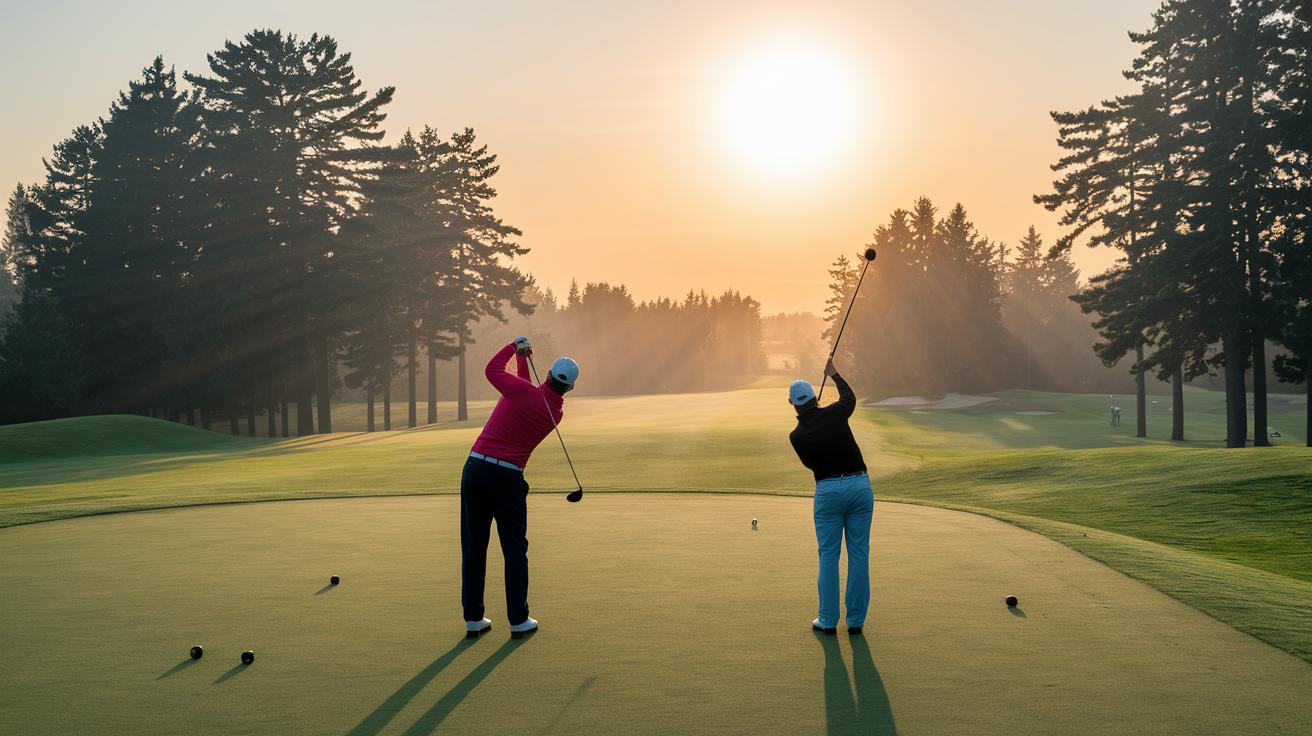
On a usual day, playing an 18-hole round takes about 4 to 4.5 hours, if everything runs smoothly. For the pros who face tougher courses and play at a faster clip, it usually takes between 4.5 and 5.5 hours. And when everyone tees off together in a shotgun start, most rounds finish in roughly 4 to 5 hours. Picture this: you head out at sunrise with your group and finish as the morning light peaks. That kind of timing really adds to the excitement of the game.
If you're playing in an amateur tournament (you can read more about those here: https://golfmarkets.com?p=782), the pace might be a bit more relaxed. But similar factors still affect the length of your round, such as:
- Group size and walking pace
- Course layout and how hard it is
- Your skill level and the way the competition is set up
- Weather and daylight conditions
Every one of these elements shapes how long you'll be on the course, making each round a unique experience.
Duration Differences Across Golf Tournament Formats
Club tournaments are often one-day events. Players complete 18 holes all in one session, making the competition quick and full of energy for local fans. Charitable meets work a bit differently. They might use a shotgun start, meaning every player tees off at the same time. Even though these events finish in one day, any delays or the festive vibe can make the day feel longer. Picture all players launching off together, it promises a day packed with non-stop action.
Amateur tournaments are usually set over several days or even a full weekend. This extra time helps accommodate many players with different skill levels and gives fans more chances to enjoy the game. Some local championships, where the stakes are higher, stretch over two days, offering a mix of intense competition and a relaxed atmosphere for everyone watching.
High-profile pro-am events like AT&T Pebble Beach or the Dunhill Links Championship can last up to four days. These tournaments mix serious professional rounds with fun, sponsor-driven activities, showcasing both top-level competition and community spirit.
- Event format and playing speed
- Field size and schedule logistics
- Competitive vs. promotional objectives
Each tournament format brings its own pace and style to the course, creating a unique experience for players and fans alike.
How Major Championships Affect Golf Tournament Length

Major tournaments like the Masters, U.S. Open, The Open Championship, and PGA Championship stick to a four-day format for play. Each day presents 18 holes, so players face a total of 72 holes during competition. But there’s more to these events than just four days of golfing. Practice rounds and pro-am events (friendly matches with amateurs) kick off before the official rounds, giving fans nearly a whole week of golf excitement. Believe it or not, before stepping up to the tee at the Masters, many players have already spent days on the course, fine-tuning their swings and enjoying warm-ups with sponsors and amateurs.
During championship week, it’s common for players to walk more than 20 miles while navigating the course, adding an extra physical challenge to the game. This longer schedule builds anticipation and offers several phases of play that capture fans’ attention, whether on the course or watching at home. It’s a blend of intense competition and off-course fun that creates a festive atmosphere. In short, the mix of practice sessions, official rounds, and celebratory pro-am events shows just how demanding and exciting these tournaments really are, keeping the energy high long after the final round.
Impact of Weather and Delays on Golf Tournament Timing
Bad weather really has a way of messing up tournament timing. Rain and strong winds force players to slow their game, and rounds can stretch far past the usual 4–5 hours. When the rain starts, players have to be extra careful on slippery greens, so groups naturally take their time to stay safe. Plus, tricky course spots like water hazards or deep bunkers make it hard to land a good shot, adding more delays. Even a tiny holdup can push back tee times and drag out the overall play.
Unexpected fixes, like sudden maintenance needs or an extra playoff hole, can pile on the delays, especially when every minute counts. It often feels like each little snag adds up to hours over the day. Here are a few things that tend to throw the schedule off:
- Heavy rain or gusty winds
- Tough course obstacles
- Slower play for safety
- Unplanned upkeep or extra playoff holes
All these factors affect more than just the timing, they change the playing experience for athletes and fans alike, adding an extra challenge to the day’s game.
Pre-Tournament and Post-Round Time in Golf Competitions

Before the tournament kicks off, players often hit the course for practice rounds. They might play 9 or 18 holes one or two days before the big day. This time lets them fine-tune their swing and get a feel for each hole. You can also catch pro-am or sponsor events the day before, which mix in some fun and help ease pre-game jitters.
Come tournament day, the action starts early, often by 7:00 AM. The whole schedule can stretch up to 10 hours with early tee times and wrap-up ceremonies at the end. After each round, there’s an extra 30 to 60 minutes spent on scoring, updating leaderboards, and holding players’ press conferences. It gives fans a chance to catch every insight and update.
Here’s a quick look at the timeline:
| Stage | Description |
|---|---|
| Practice Rounds | 9 or 18 holes to fine-tune the game. |
| Pro-Am & Sponsor Events | Fun sessions set up the day before. |
| Tournament Day | Early starts and long days, up to 10 hours. |
| Post-Round | 30-60 minutes of scoring and media sessions. |
Every bit of the schedule adds excitement and builds the story of the tournament.
Final Words
In the action, the blog post breaks down how pro tournaments run four days of play, highlighting each round’s typical span of 4 to 5.5 hours. We explored how factors like group size, course layout, weather, and delays shape each 18-hole round. We also looked at different tournament formats and how events refresh our experience from pre-round warm-ups to post-play ceremonies. This clear look answers the question of how long do golf tournaments last, keeping fans informed and the spirit of the game lively.
FAQ
How long do golf tournaments typically last per day?
The length of a golf tournament day usually spans 4 to 6 hours of play. In professional events, rounds start early and end in the early afternoon, while one-day tournaments follow similar early-to-late schedules.
How long does an 18-hole round of golf take for different group sizes?
An 18‑hole round for amateurs takes about 4 to 4.5 hours. Professional rounds may take 4.5 to 5.5 hours. The number of players, whether 4 or 8, usually does not change the average play time drastically.
How long does a charity golf tournament usually last?
A charity golf tournament is generally a one-day event where players complete an 18‑hole round within 4 to 6 hours, including brief ceremonies and scheduling breaks.
How long does a golf scramble usually last?
A golf scramble typically lasts one day. Teams play either 9 or 18 holes, with the overall event lasting about 4 to 5 hours, combining fun team play with a quicker pace.
How long do high school golf tournaments last?
High school golf tournaments are often held in one day. Players usually experience rounds lasting around 4 to 6 hours, depending on the course setup and number of holes played.
ivermectina oral
ivermectina oral
jalyn
jalyn
amoxicillin 875 mg
amoxicillin 875 mg
vibramycin acne
vibramycin acne
funny viagra t-shirts
funny viagra t-shirts
orlistat manufacturer
orlistat manufacturer
rogaine minoxidil instructions
rogaine minoxidil instructions
doxycycline acne after stopping
doxycycline acne after stopping
cialis pills walgreens
cialis pills walgreens
acyclovir for cold sores otc
acyclovir for cold sores otc
ketoconazole product overview
ketoconazole product overview
terbinafine dosage insights
terbinafine dosage insights
ketoconazole mechanism for scalp health
ketoconazole mechanism for scalp health
minoxidil medical overview
minoxidil medical overview
minoxidil onset vs duration
minoxidil onset vs duration
amoxicillin reference guide
amoxicillin reference guide
augmentin vs amoxicillin antibiotic comparison
augmentin vs amoxicillin antibiotic comparison