

Could two tournaments really spark a love of golf that changes a player's life? Picture the crisp crack of a perfect drive or the satisfying thwack of a winning putt. Grand Slam events mix dedication and skill to create true legends. These moments are so much more than just matches, they change lives. In this piece, we explore how two big tournaments light the fire to reach greatness on the green.
Understanding Golf Grand Slam Tournaments
Golf Grand Slam Tournaments mean winning all four big events: The Masters, the U.S. Open, The Open Championship, and the PGA Championship. These tournaments are the top prizes in men's golf. Picture the excitement when a golfer sinks a winning putt at The Masters, each win is a true show of skill and hard work.
Each event brings its own set of challenges. The U.S. Open can start early with tough conditions, while The Open Championship takes players through ever-changing UK weather. Winning just one is a big career moment on its own. When a golfer wins all four, they join a small club known for their flexibility and mental grit on every course.
There are two types of Grand Slam wins. A career Grand Slam happens when a golfer wins all four majors over their lifetime. On the other hand, a calendar-year Grand Slam means taking home each title in one season, a rare feat first achieved in 1930 by Bobby Jones. To date, only a handful of elite golfers have managed a career Grand Slam, making each major win not just a victory but a step into golfing history.
Evolution of Golf Grand Slam Tournaments

Golf’s Grand Slam first started as a way to honor major amateur championships in the early 1900s. Back then, it celebrated wins at events like the British Amateur and the U.S. Amateur. In 1930, Bobby Jones amazed everyone by winning all the top amateur events in one season, and that moment gave the term a whole new meaning. Then, in the 1960s, Arnold Palmer took the idea further by focusing on four major pro tournaments. As time passed, fans and media turned the Grand Slam into a symbol of top-notch skill and deep passion for the game.
| Year | Milestone | Description |
|---|---|---|
| Early 1900s | Amateur Beginnings | Winning big amateur championships like the British Amateur and U.S. Amateur was the original Grand Slam. |
| 1930 | Bobby Jones’ Calendar-Year Slam | Bobby Jones won all the major amateur events in one year, changing how we see the term. |
| 1960 | Professional Transformation | Arnold Palmer’s success shifted the focus to four major professional tournaments. |
| 1970s | Media Adoption | Big media coverage and public interest turned the Grand Slam into a lasting symbol of excellence in golf. |
This journey shows how the idea of the Grand Slam has grown and changed over the years, keeping the spirit and passion of golf alive for every generation of fans.
Profiles of Golf Grand Slam Champions
Not many golf achievements shine as brightly as earning a career Grand Slam. This rare feat is reserved for legends who’ve mastered every major tournament. Each win, whether it's the brisk pace of the U.S. Open or the precise challenge at The Masters, is a testament to their skill and tenacity. When these greats take to the green, you’re not just watching a game – you’re seeing history in the making.
The road to a career Grand Slam is full of personal battles and memorable victories. These icons started young and fought through financial hurdles, harsh weather, and tricky course conditions. Every major win is a proud moment that shows their deep passion for the game. Their journeys remind us that hard work, determination, and a love for golf can turn dreams into lasting legacies.
- Gene Sarazen – Turned pro at 19, won the 1922 U.S. Open, and wrapped up his Grand Slam with the 1935 Masters.
- Ben Hogan – Overcame early struggles, claimed his first major at the 1946 PGA Championship, and completed his Grand Slam with the 1953 Masters.
- Gary Player – Netted nine regular tour majors and sealed his Grand Slam with the 1978 Open Championship win.
- Jack Nicklaus – The Golden Bear bagged 18 majors and had his Grand Slam complete by 1966.
- Tiger Woods – Began his pro career in 1996, earned 82 PGA Tour wins, and finished his Grand Slam at the 2008 U.S. Open.
- Rory McIlroy – Snagged his first major win at the 2011 U.S. Open and completed his career Grand Slam with the 2025 Masters.
Golf Grand Slam Tournament Formats and Structures
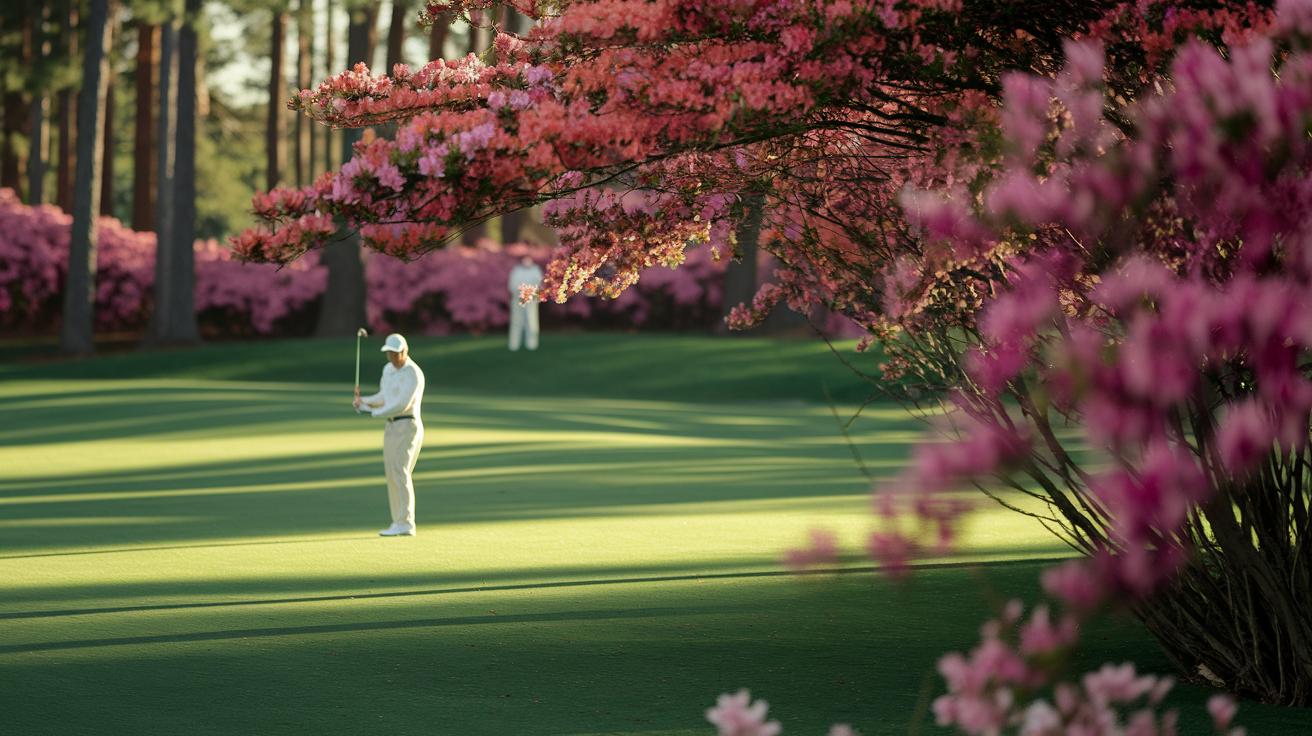
Every major tournament brings its own flavor to the game. The courses, rules, and setups change, making each championship a fresh challenge. With unique schedules, player fields, and course designs, fans and golfers alike feel the excitement all season long.
The Masters, held at Augusta National since 1934, offers a steady tradition. It’s a 72-hole contest played on one course, where every shot echoes history and precision. In early April, like the 2026 edition set for April 9 to 12, the vibe is all about tradition and the thrill of the game.
Since 1895, the USGA has run the U.S. Open, a test of grit held each mid-June at different venues. This 72-hole showdown starts with about 156 players. After a careful "cut" narrows the field to the top 60 and ties, golfers face tough conditions that require focus and quick adjustments.
Starting in 1860 at Prestwick, The Open Championship roams across the UK every year. Played over 72 holes in mid-July, it cuts the field to the best 70 players plus ties. Here, unpredictable weather on storied links courses adds an extra twist, keeping golfers on their toes.
The PGA Championship, born in 1916, takes place in August. Also played over 72 holes, it brings together around 156 players on rotating courses. This tournament is all about adapting to new course designs and competition styles, making each event a fresh, inviting challenge.
Challenges and Prestige in Golf Grand Slam Pursuits
Winning a Golf Grand Slam is a rare feat. Just six champions have managed it in modern times, and only Bobby Jones nailed a calendar-year Grand Slam under old amateur rules. These historic wins set the bar high, pushing today’s players to master smart, strategic play if they want to join this elite club.
Courses today test players with ever-changing layouts and weather. Imagine a major tournament where a sudden downpour forced the best players to quickly change their game plan, just like champions of the past who had to think on their feet. This fast-paced, adaptable approach is what separates modern players from the rest.
Staying sharp over four tough events takes more than great technique; it needs a steady, focused mind. Today’s golfers mix physical skill with cool, smart strategies, drawing on the legacy of past champions who braved intense media and high fan expectations. It’s all about balancing endurance with clever tactics on the course.
The Future of Golf Grand Slam Tournaments
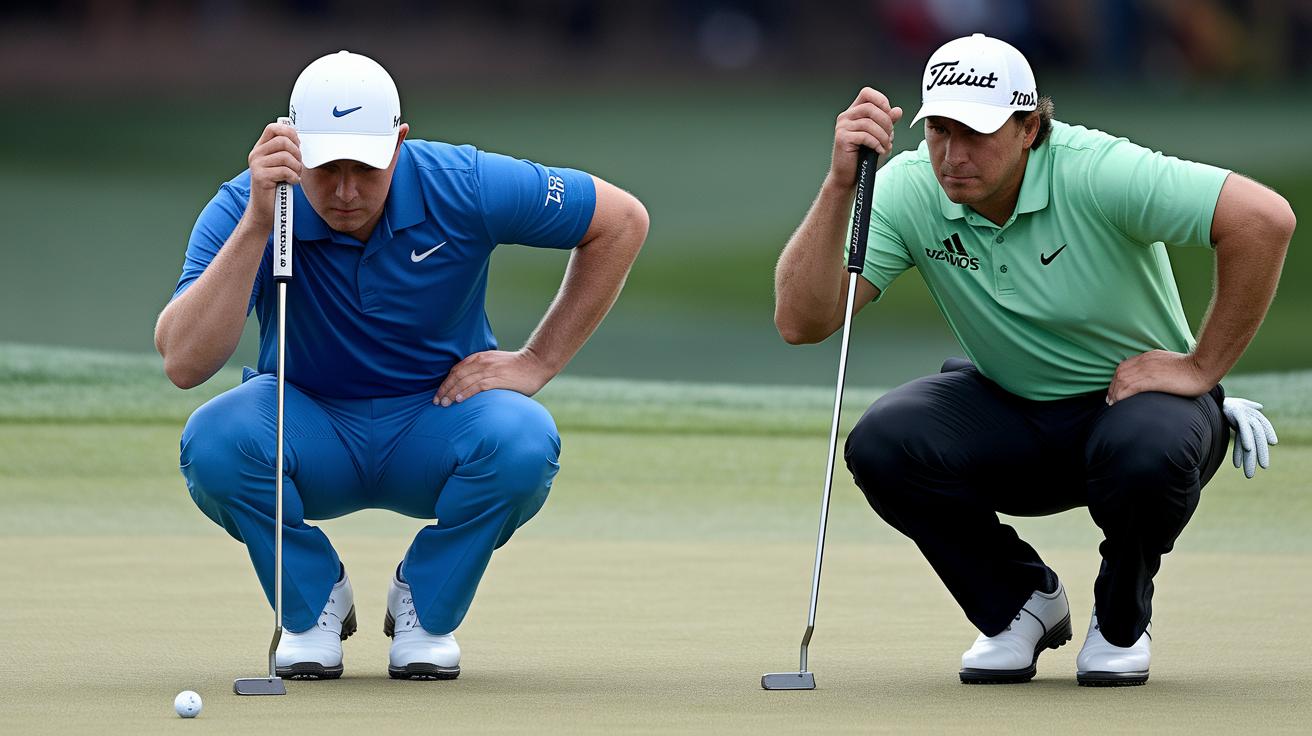
Jordan Spieth is one of the hottest names on the tour right now. He’s already clinched three of the four majors – the Masters, U.S. Open, and the Open Championship – and he’s setting his sights on bagging his first PGA Championship.
Phil Mickelson is another big story. He’s just one U.S. Open win away from a career Grand Slam. Even with his long list of successes, his journey is a bit tougher now due to his age and a few near misses along the way.
Looking forward, new challengers are stepping up, and the golf stage is buzzing with excitement. Some of these rising stars have already swallowed two majors and are hungry for more. Take Scottie Scheffler’s 2025 Open Championship at Royal Portrush – finishing at 267 strokes and 17 under par, his performance got everyone talking. Many now see a future where record-breaking plays come more often, and every tournament is a fresh chance for glory. Fans and experts are all eyes, waiting for the next breakthrough that could redefine what it means to rule the major events.
Final Words
In the action, we watched golf’s elite reveal what it takes to achieve greatness, from breaking down the four majors to celebrating the rare career and calendar-year feats. The piece highlighted legendary profiles, historical progressions, tournament formats, and future challenges that keep the spirit of the game alive.
Every part reminds us of the thrill on the course and the passion behind every swing in golf grand slam tournaments. What a ride it’s been, and the excitement is only growing!
FAQ
What does winning all four majors in one year mean and has anyone done it?
Winning all four majors in one season means achieving victories at the Masters, U.S. Open, The Open Championship, and PGA Championship in one year. Bobby Jones did this in 1930 under amateur rules.
Which tournaments are considered Grand Slam events in golf today?
Today’s Grand Slam events are the Masters, U.S. Open, The Open Championship, and the PGA Championship. While some refer to a fifth major, only these four are officially recognized in professional golf.
Who is close to completing a career Grand Slam in golf?
Many top golfers aim for a career Grand Slam, and players like Rory McIlroy are often in the mix. They work hard to win each of the four majors over their careers.
Who holds the most Grand Slams and how are winners noted by year?
Legends such as Jack Nicklaus have set records with multiple major wins. Historical records note winners by year, showcasing the impressive achievements of these champions.
What tournaments make up the Grand Slam in professional golf?
The four tournaments that form the Grand Slam are the Masters, U.S. Open, The Open Championship, and PGA Championship. Winning all of these over a career defines the rare career Grand Slam.
Who are the key golfers known for achieving the career Grand Slam?
Prominent figures include Gene Sarazen, Bobby Jones, Ben Hogan, Gary Player, Jack Nicklaus, and Rory McIlroy. Their victories have set a high benchmark for excellence in the sport.