

Ever wonder what makes a golfer's swing so perfect? In this post, we take a look at top players like Louis Oosthuizen, Jason Day and others using TrackMan's Compare Mode. The side-by-side visuals show how small changes in balance and timing can really change your game.
We break down the numbers and techniques that set these pro swings apart, revealing some simple tweaks you can try out yourself. Ready to see how a pro's form can help you play better?
Quick Comparative Overview of Professional Golf Swings

TrackMan’s Compare Mode, which started on September 26, 2023, lets you see your swing side-by-side with the top pros. It shows you easy-to-spot differences in stroke, balance, and overall motion, almost like having a pro coach right by your side.
By checking out how the pros swing, you quickly notice how changes in rhythm and form can affect your play. The tool displays clear key numbers so you can tweak your own swing while enjoying the unique style each golfer brings.
- Louis Oosthuizen – His swing has a smooth rhythm and clear basics that create a natural, flowing motion.
- Jason Day – He sticks to strong fundamentals that give every swing a clean, confident finish.
- Adam Scott – He shows an artistic flow that blends graceful movement with solid technique.
- Ben Hogan – He was known for his smart, efficient play, driven by his famous "5 Fundamentals."
- Steve Stricker – His swing is very repeatable, as shown by his 55 straight rounds played at par or better.
Each pro shows a distinct style that blends solid mechanics with the right tempo. Watching them can help you pick up clues to refine your own swing, making your time on the course more steady and fun.
Biomechanical and Kinematic Review of Professional Golf Swing Mechanics

TrackMan’s Compare Mode uses advanced sensors and fast cameras to capture every detail of your swing. It checks things like hip spin speed, shoulder-turn efficiency, release timing, and clubface angle in real time. Plus, you can watch a library of pro swing videos, including highlights from the January 4, 2024 indoor tournament, to see how your numbers stack up against stars like Brooks Koepka and Jim Furyk. The tool picks up the tiny details that show how much a bit of rotation or a small timing tweak can change your ball striking.
Hip Rotation Dynamics
Hip rotation is a big deal. A smooth, well-timed hip turn builds kinetic energy that flows right into the club at impact. Fun fact: A well-rotated hip can boost your swing power by transforming even slight movement into explosive energy. This insight helps show why nailing your hip motion is key to a strong and balanced swing.
Shoulder Turn Efficiency
Your shoulders add a lot to your overall swing. The system checks how smoothly your shoulders turn and lead your motion. When your shoulder turn is crisp, it helps fine-tune your release timing and clubface control. Even small changes in shoulder movement can shift the ball’s path and spin, proving that good shoulder mechanics are essential for consistency and precision.
Every measurement here proves that clear, fluid motion, paired with balanced energy transfer, sets top-level swings apart from the rest.
Performance Metrics and Data-Driven Insights in Pro Golf Swing Comparisons
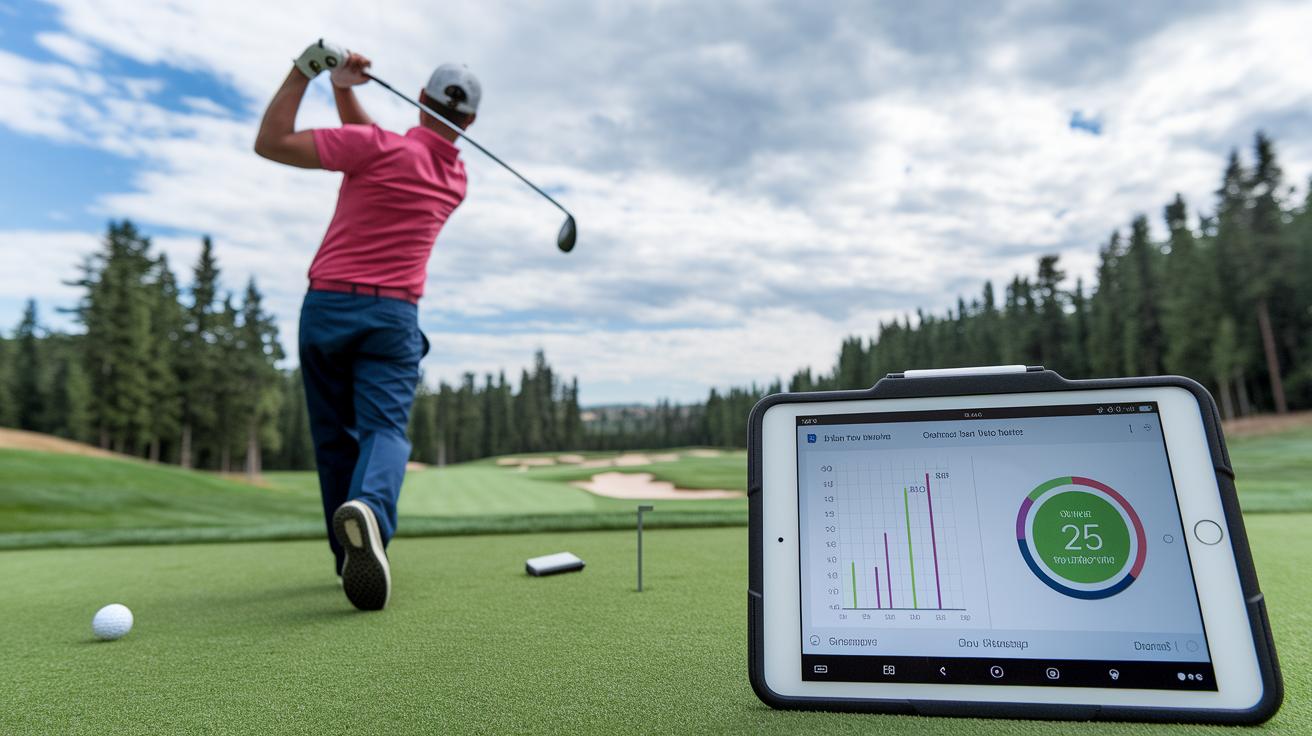
Sensor-based tools wipe away the guesswork by breaking your swing into clear, simple parts. Golf pros like Phil Mickelson say a firm stance and smooth impact matter a lot. By tracking clubhead speed, the loft at impact (dynamic loft), launch angle, and how energy transfers, you can easily see what’s working in your swing, and what isn’t. Even handy apps for golf swing analysis help you keep an eye on these numbers, so you can focus on what really counts.
| Metric | Definition | Measurement Method |
|---|---|---|
| Clubhead Speed | The pace of the club head when you hit the ball | High-speed sensors |
| Swing Tempo | The rhythm and timing of your entire swing | Timing devices |
| Face Angle at Impact | The clubface position when you make contact with the ball | High-speed cameras |
| Launch Angle | The angle at which the ball leaves the club after impact | Trajectory sensors |
| Dynamic Loft | The loft of the club at the moment of impact | Biomechanical analysis |
These key numbers are more than just stats, they turn raw data into tips you can use. When you look at clubhead speed and swing tempo, you see how your energy flows into every shot. Checking things like face angle and launch angle helps pinpoint spots to improve your shot-making. Phil Mickelson’s advice shows that mixing power with precision is a surefire recipe for success. With these insights, both beginners and seasoned players can fine-tune their swings for a game that feels just as smooth as it looks.
Stylistic Variations in Professional Golf Swings

Every pro’s swing is built on smart technical moves that decide how the ball flies. They mix things like the perfect moment to release the club, a smooth club path, and a balanced finish.
Louis Oosthuizen sticks to a textbook form with a smooth release. His club face lines up just right at impact. Imagine watching a line follow his club from start to finish, each part clear and planned.
Jason Day uses perfect timing and solid pivot moves. His weight shifts just right to keep his swing steady every time.
Adam Scott’s swing flows beautifully with a long follow-through. It shows his weight moves perfectly and his body turns just right.
Ben Hogan built his swing on five main fundamentals. These basics help keep his club moving smooth and in tune with his body.
Steve Stricker has a motion you can see over and over. His transition phase stands out, and his slower swing speed helps him hit the ball strong and clean.
Looking closely at details like the exact moment a golfer releases the club shows why some swings make more power. Experts like Tyler Ferrell say that a smooth club movement is the secret to keeping scores low.
| Pro Golfer | Technical Focus |
|---|---|
| Oosthuizen | Smooth release & clubface alignment |
| Day | Timing precision & weight shift |
| Scott | Follow-through length & weight transfer |
| Hogan | Fundamentals & biomechanical harmony |
| Stricker | Transition phase consistency |
These technical breaks help fans see beyond just style. They show how even small details can change a shot’s outcome on the course.
Leveraging Golf Swing Comparison Technology in Practice

TrackMan’s Compare Mode is a total game changer if you’re looking to up your golf swing. With its neat side-by-side video display and simple controls, you can watch every detail of your swing as it happens. You also get monthly updates with a trove of professional swing clips from top facilities in New Jersey and New York. And if you need that extra push, there are coaching options to help you get the most out of your practice.
Start by launching Compare Mode on your device and explore its easy setup. Next, pick a pro coach from the available library of swing clips. Then, check out key stats like swing tempo, motion sequence, and club-face accuracy to understand where you can improve. Finally, use the feedback to fine-tune your swing and keep track of your progress.
Step by step, this method lets you watch and learn from the best. Whether you’re at home or at one of their training centers, you can quickly jump in by clicking “Find A Coach,” “Join Now,” or “Get Free Access” to take your game to the next level.
Practical Training Strategies from Comparative Swing Analysis
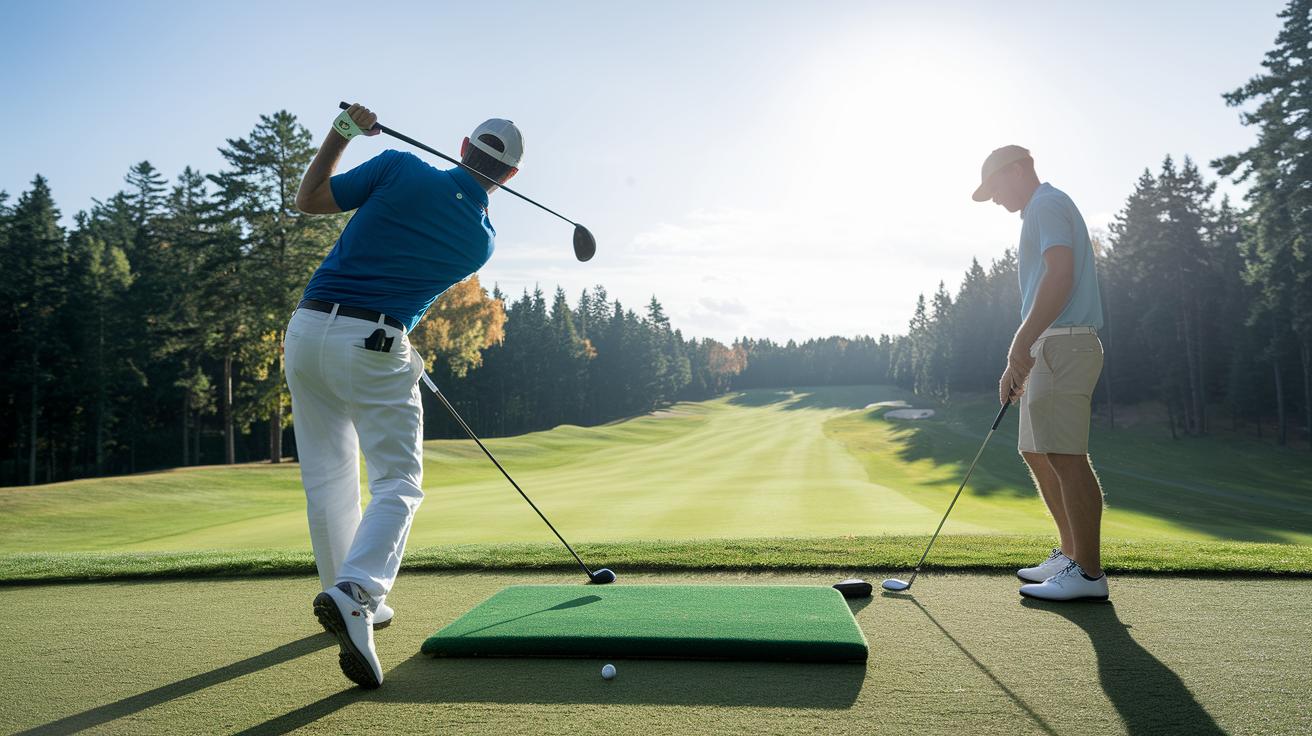
Getting your swing just right starts with watching the pros. Check out top golfers and see which moves work for you while leaving behind the tips that don’t fit your style. Tyler Ferrell shows that comparing pro swings gives you a clear way to improve. Instead of copying every single detail, focus on the big ideas that help you build a strong, repeatable swing. Let these insights guide you in creating a practice plan that boosts your body movements and overall play. This simple approach paves the way for steady success on the course.
Taking cues from stars like Phil Mickelson, you can shape your training with drills that blend power and precision. Try routines that work on smooth movement and build your core strength. These drills set up your muscle memory and give you a real boost in confidence. Work on keeping good timing and on nailing the perfect moment to let the club go. Every practice session lets you check your progress and tweak your game plan. Over time, these small changes help lower your score and lift your performance in tough games.
| Strategy | Drill Description |
|---|---|
| Tempo control | Practice drills to keep a steady swing rhythm and proper timing. |
| Weighted-club work | Swing with a heavier club to build strength and boost coordination. |
| Video-feedback loops | Record your swing, review it, and fix the spots that need work. |
| Ground-force drills | Practice exercises to build a stable base with better balance and power. |
| Release-timing exercises | Focus on the right moment to let go of the club for a cleaner shot. |
| Personalized motion tracking | Use digital tools to watch and fine-tune your swing with real feedback. |
Keep a close eye on your progress with clear feedback. Small, steady gains from daily practice add up to better scores each round.
Final Words
In the action, we saw top pros break down their swings with clear mechanics, performance metrics, and practical training tips. The breakdown covered everything from high-level stroke execution and biomechanical review to stylistic variations that make each swing unique. The insights help connect expert theory with everyday practice.
By diving into comparative analysis of professional golf swings, readers gain solid tips to refine their own game and keep enjoying every exciting swing on the course.
FAQ
What does slow motion comparative analysis of professional golf swings reveal?
Slow motion comparative analysis of professional golf swings reveals subtle differences in mechanics, rhythm, and balance, allowing golfers to pinpoint areas where they can improve their technique and overall performance.
How does Jim Furyk’s swing stand out in slow motion analysis?
Jim Furyk’s swing stands out in slow motion analysis because his unique rhythm and follow-through highlight a natural flow that many believe sets him apart from other pro swings.
What are the 10 best golf swings of all time?
The 10 best golf swings of all time showcase a mix of natural rhythm, clear mechanics, and memorable style, serving as inspiration for golfers to develop their own effective techniques.
How does the Golf swing Tracer app help analyze swings?
The Golf swing Tracer app helps analyze swings by tracking club paths and tempo, offering visual feedback that makes it easier for golfers to spot weaknesses and fine-tune their movements.
What is the significance of slow motion golf swing analysis?
Slow motion golf swing analysis is significant because it breaks down every detail from club speed to body alignment, giving clear insights that help golfers adjust and improve their swings.
What defines the PGA Tour in professional golf?
The PGA Tour is defined by its high-level competitions, where top professionals compete regularly, showcasing refined skills and setting standards for excellence in the sport.
What is unique about Jake Knapp’s swing?
Jake Knapp’s swing is unique due to its smooth transition and secure balance, offering a modern take on form that many appreciate for promoting consistency and control on the course.
How do world golf rankings affect professional players?
World golf rankings affect professional players by providing a snapshot of global standing, which influences tournament placements, sponsorships, and career advancement opportunities.
What is the 80 20 rule in golf?
The 80 20 rule in golf means that roughly 80 percent of your results come from 20 percent of your key techniques, emphasizing the benefits of focusing on crucial swing fundamentals.
Who is known for having the smoothest golf swing ever?
The smoothest golf swing ever is often attributed to players like Jim Furyk, whose effortless, fluid motion and balanced technique are widely admired in the golfing community.
Can AI analyze my golf swing?
AI can analyze your golf swing by using sensor data and video insights to break down key movements, enabling you to identify improvement areas and track your progress over time.