

Ever notice how some courses hit just the right balance between a fast pace and a comfy feel? Expert grass care turns ordinary turf into a golfer’s dream. Lush layers of Bermuda, Bentgrass, and Zoysia each offer a different play, some surfaces are fast and firm, while others feel soft and cushioned.
In this article, we take a look at how a careful trim and smart grass choice can boost your game. Every detail is tuned just right, making the greens come alive when built for play. Ready to see how these vibrant greens can shape your next round?
golf grass Shines with Lush Turf Care
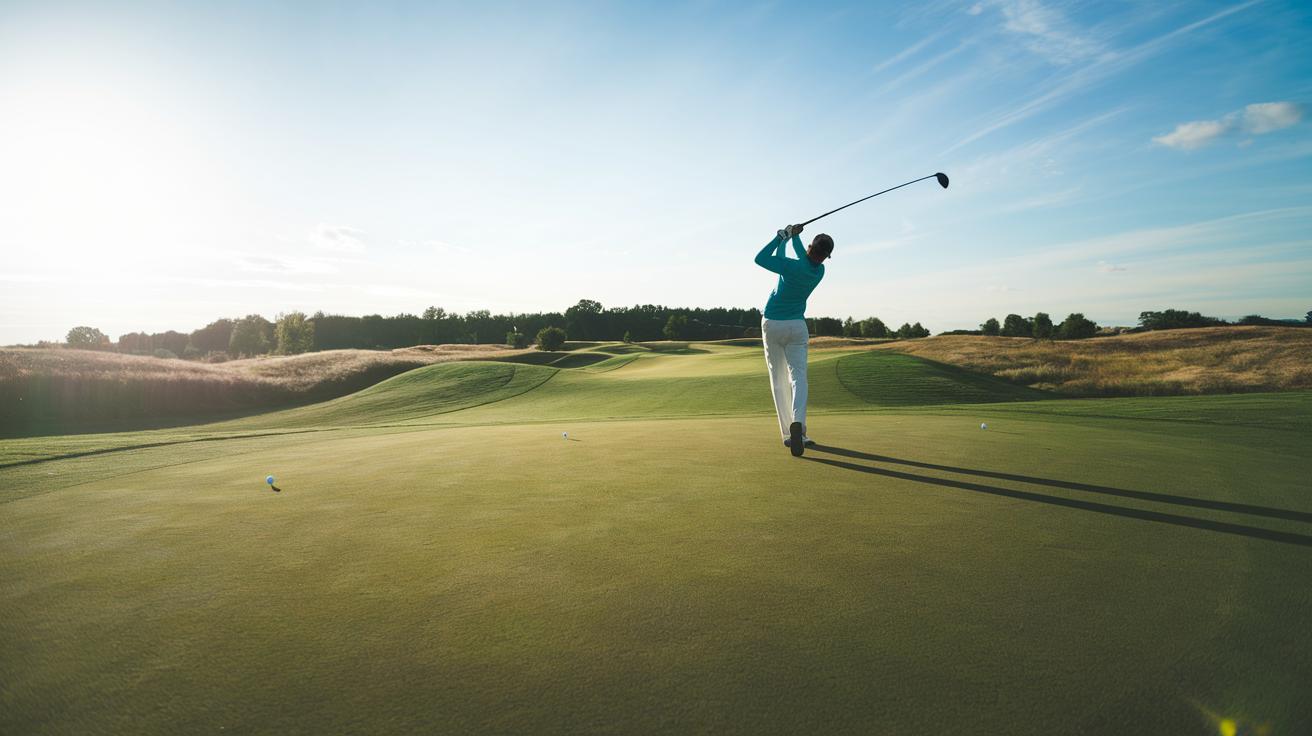
Bermuda grass really steals the show on a sunny day at the course. This warm-season favorite feels a bit grainy, which many golfers appreciate. When it's cut very short at 0.125 inches, you get a tough, fast surface that sends your ball flying true. But if you let it grow to about 0.5 inches, it gives you a softer, cushioned feel perfect for those long drives. Fun fact: before a young golfer even mastered his swing, he found out that his favorite green was made of Bermuda grass trimmed to perfection, kickstarting his journey toward championship glory.
Bentgrass, a cool-season variety, sports delicate, thin blades and is usually trimmed to around 0.1 to 0.13 inches during spring and fall. This results in super-smooth greens and fairways that keep even the best putters on their toes. Meanwhile, Fescue adds a classic, links-style charm. When grown between 0.25 and 0.375 inches, it works nicely on fairways, tees, and even the native rough.
Then there's Zoysia, known for its upright blades that create an even, uniform fairway. Its consistency helps ensure your shot rolls just as planned. Poa annua, although it grows quickly and produces a few seedheads here and there, can sometimes cause a few bumps later in the day that add a hint of unpredictability. And Rye grass often comes in as a reliable team player, providing extra durability by overseeding the mix.
| Grass Type | Key Benefit |
|---|---|
| Bermuda | Great for fast-paced play |
| Bentgrass | Smooth and finely trimmed surfaces |
| Fescue | Versatile across different course areas |
| Zoysia | Ensures a consistent ball roll |
| Poa annua & Rye | Balances playability with steady overseeding |
Cold and Warm Season Golf Grasses: Climate Adaptation and Selection
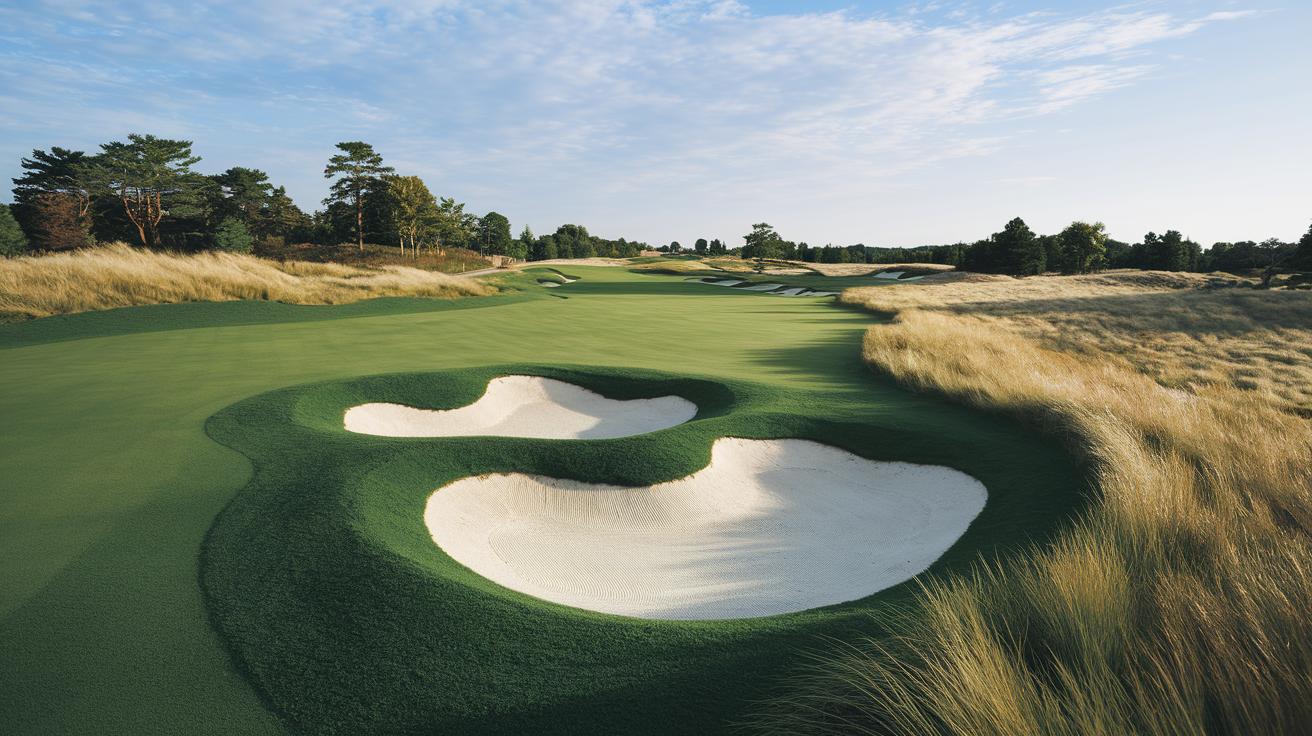
When you pick out golf grasses, it's all about matching the turf to your local weather and soil. Warm-season grasses like Bermuda do best when temperatures stay above 65°F. Bermuda sends out runners called stolons and rhizomes that help it hold water and fight off drought. Bahia is another favorite, spreading quickly along the edges to help keep soil in place in drier areas.
Cool-season grasses add their own charm. Kentucky Bluegrass offers a rich, lush look and stands up to heavy play in northern regions. When it comes to greens, elite bentgrass blends, like creeping bent, really stand out. Mowed as short as 0.1 to 0.13 inches, they create smooth surfaces that make every putt feel just right.
Soil pH is a big deal too. Bentgrass loves soil with a pH between 6.0 and 7.0, while Bermuda does better in slightly more acidic conditions, around 5.5 to 6.5. By matching the grass type to your region’s temperature, rainfall, and soil pH, you end up with a fairway that not only looks lush but plays beautifully too.
Course managers who weigh these factors can build courses that naturally adapt to the changing seasons, delivering reliable play just like that perfect swing.
Precision Golf Grass Choices for Putting Greens: Selection and Maintenance

Elite creeping bentgrass is the top pick for natural greens where every putt counts. Mowed super short, around 0.08 to 0.13 inches, it gives you a firm, fast roll that many golfers swear by. To keep these greens in tip-top shape, you need to do daily topdressing (that’s spreading a thin layer of sand or soil, about 0.1 to 0.25 tons per 1,000 ft²) and aerate every 4 to 6 weeks. Laying down a natural bentgrass green usually costs around $1.50 to $2.50 per ft².
On the flip side, synthetic putting surfaces bring a whole different vibe. Made from low-maintenance materials like polypropylene or polyethylene turf, these greens offer a steady ball speed with hardly any mowing and no watering at all. They’re perfect if you want to skip most of the upkeep, though they tend to run about $5 to $7 per ft².
Imagine stepping onto a perfect green every time without the hassle of daily chores! Natural greens serve up that classic, authentic feel with every stroke, while synthetic options promise a uniform play no matter what, despite the steeper initial price tag.
- Natural greens: Bring a traditional feel and need daily topdressing plus regular aeration.
- Synthetic surfaces: Offer steady performance with minimal care, but come at a higher cost.
In the end, it’s all about finding the right balance between excellent playability and the maintenance routine that suits you best.
Golf Grass Solutions for Fairways and Roughs: Ensuring Consistent Course Performance

A recent study shows that small changes in mowing and maintenance can really boost a course’s performance. On fairways, for example, Zoysia grass trimmed to 0.375–0.5 inches along with an annual core aeration done 0.5–1.0 inches deep gives players a ball roll that feels just right. One course even recorded the smoothest roll ever seen, with critics nodding in approval.
When it comes to the rough, keeping Fescue at 1.5–2.5 inches delivers a sturdy, links-style cut that golfers appreciate. In cooler regions, Poa annua is managed at 2–3 inches, offering a natural challenge that really hones a golfer’s focus. Imagine playing on a rough where minimal upkeep lets nature take its course, subtly adding to the challenge.
For the edges, Bahia grass planted with 6-inch spacing works well to protect against erosion, especially in dry areas.
| Area | Grass Type | Mowing Height | Maintenance Detail |
|---|---|---|---|
| Fairway | Zoysia | 0.375–0.5 in | Annual core aeration (0.5–1.0 in deep) |
| Rough | Fescue | 1.5–2.5 in | Links-style cut |
| Rough (Cool Regions) | Poa annua | 2–3 in | Low-intervention setup |
| Course Edge | Bahia | N/A | Planted at 6 in spacing to fend off erosion |
Essential Maintenance Equipment and Mowing Techniques for Golf Grass Care

When you want turf that looks its best, using the right gear and simple techniques really counts. Topdressers like the GT-100 for greens and the TT-2430 for tees are key players. They spread 1 to 4 pounds of sand per square foot each month, kind of like a gentle hand that leaves your greens as neat as a freshly primed canvas.
Next up, aerators do their magic. These machines, with tines about 0.75 to 1 inch long and spaced 2 to 4 inches apart, run every 4 to 6 weeks. They lift the soil and break up compacted patches, giving the grass roots just the room they need to breathe. Think of it as the turf taking a deep, refreshing stretch before it bounces back, ready for action.
Precision is everything when it comes to mowing. On greens, triplex reel mowers trim the grass to a crisp 0.08 to 0.13 inches. This keeps the surface firm and fast for every putt. Over on the fairways, rotary ride-on mowers cut the grass to about 0.375 to 0.5 inches. The result? Every ball roll feels smooth and true, just like a perfectly executed shot.
Finally, after a good mow, heavy-duty turf rollers come into play. They smooth out the surface and lock in that consistent finish needed for top-notch play. Curious about the costs? Check out the guide below:
| Equipment | Cost Range |
|---|---|
| Triplex Mowers | $40,000 – $65,000 |
| Aerators | $12,000 – $25,000 |
| Topdressers | $5,000 – $15,000 |
Soil, Water, and Nutrition Strategies for Healthy Golf Grass Year-Round

During the growing season, watering smartly is key. Aim for about 0.5 to 1 inch of water each time, given in deep, steady cycles twice a week. Imagine a greens crew checking their gauges after a blazing day and adding 0.75 inch of water – that refreshing soak boosts the turf and strengthens the roots.
Next, a solid fertilizer plan keeps your greens in top shape. In spring, use an N-P-K 12-4-8 mix (that's a blend with nitrogen, phosphorus, and potassium) at a rate of 1 pound of nitrogen per 1,000 square feet to kick off healthy growth. Come summer, switch to a slow-release formula that keeps nutrients coming steadily. Then in fall, give the grass a potassium boost with 0.5 pound per 1,000 square feet to ready it for cooler weather. One superintendent even said that thoughtful fertilizer timing turned their green into a tough, game-ready surface!
Don’t skip on pest control, either. Treat bentgrass with a fungicide every 3 to 4 weeks, and watch for grubs during summer’s heat. Seasonal practices like aeration and verticutting in spring and fall help ease soil compaction and boost root health. Together, these steps make sure your golf turf stays lush, vibrant, and ready to play all year long.
Golf Grass Installation and Budget Planning for Home and Course Turf Projects
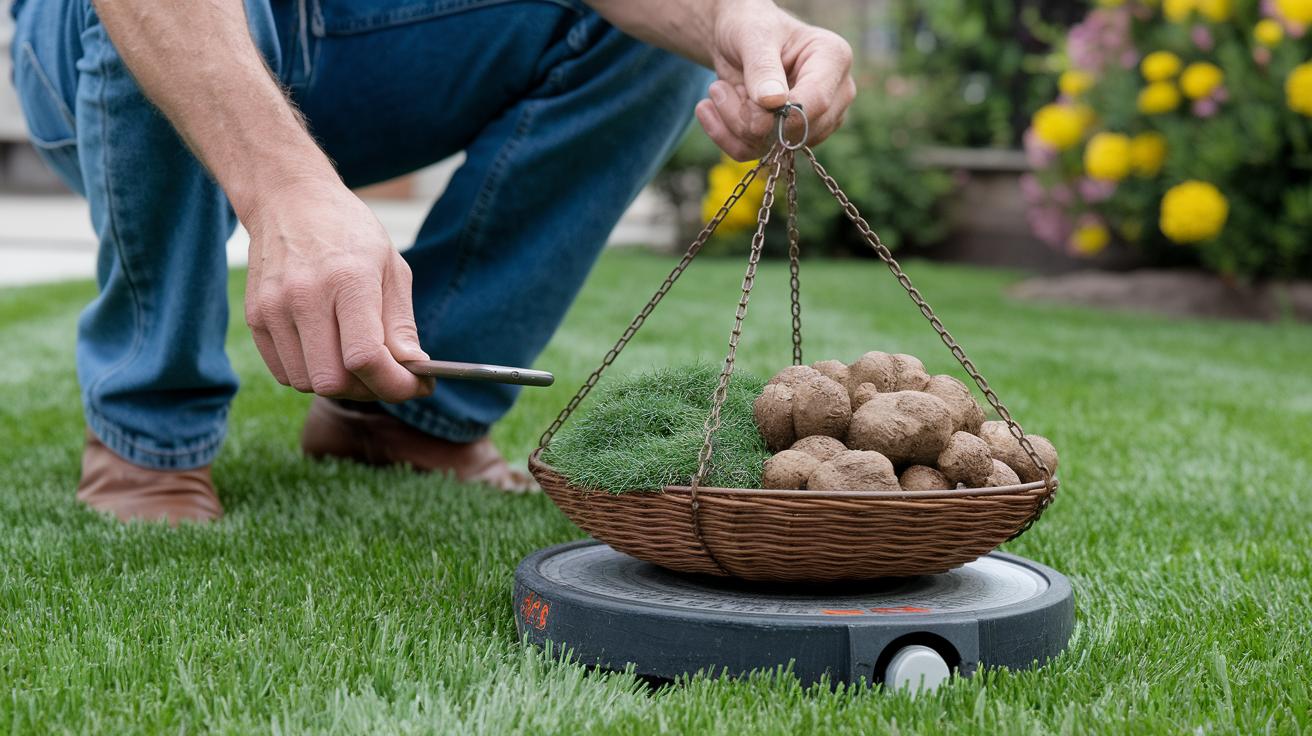
When you're setting up your own golf turf, you've got a few smart choices. Start with seed if you're keeping an eye on cost, a 50 lb bag covers about 5,000 ft² and comes in at just 2¢ to 5¢ per ft². Sod gives you an instant, lush green, costing roughly 30¢ to 50¢ per ft². And sprigging plugs land in the middle at around 15¢ to 25¢ per ft². It’s much like picking the right golf club; each option has its own special feel.
Budget plays a big role in a smooth project. Soil testing might run you $100 to $200, and tossing in some soil amendments could add another 5¢ to 10¢ per ft². Plus, labor usually bumps the cost up another 10¢ to 20¢ per ft². Doing a side-by-side of these numbers really helps you tailor your plan, whether you're crafting a sprawling course or just a charming backyard green.
For smaller projects, DIY backyard green kits are a neat trick. These kits come with preblended seed and easy-to-follow instructions, usually costing between $400 and $1,200 for a 400 ft² area. It’s a practical pick for transforming your outdoor space on a budget. By keeping an eye on all the installation and labor expenses, you can turn your turf project into a smart investment, delivering a quality golfing surface without overspending.
Final Words
In the action, we saw how different turf types, from Bermuda and bentgrass to Zoysia and fescue, work together to boost course play. Each section highlighted smart choices for fairways, greens, and roughs while showing off the unique benefits of each variant.
Quality maintenance techniques and equipment keep your golf grass thriving. Smart soil and watering plans round out a solid foundation. Every well-kept blade helps drive great shots on the course.
FAQ
Q: What is the golf grass price?
A: The golf grass price depends on the type, installation method, and maintenance expenses. For instance, sod costs around $0.30–$0.50 per square foot, while seed options can be more economical at about $0.02–$0.05 per square foot.
Q: What is the best grass for golf greens?
A: The best grass for golf greens is elite creeping bentgrass, typically maintained at 0.08–0.13 inches. This turf gives a fast, smooth surface essential for consistent putts and precise ball roll.
Q: What are golf grass seed and names?
A: Golf grass seed refers to the tiny kernels of various turf species such as Bermuda, bentgrass, and annual bluegrass. These names represent specific grass types chosen for their texture, durability, and playability on golf courses.
Q: How can I have golf course grass at home?
A: Bringing golf course grass home means choosing turf like Kentucky bluegrass that offers durability and a lush, well-manicured look. This selection mimics professional courses if your local climate and care routines match its needs.
Q: What are the golf course grass types in California and Florida?
A: Golf course grass types differ by region. In California, drought-tolerant varieties like Bermuda and Zoysia are common, while Florida courses often favor warm-season Bermuda because it thrives in heat and humidity.
Q: What do golf grass terms mean?
A: Golf grass terms include descriptors like bentgrass, bermuda, and annual bluegrass along with maintenance basics such as mowing heights and irrigation practices. These terms help communicate turf quality and course performance expectations.
Q: What is the grass in golf called?
A: The grass in golf is not one single type; it includes varieties like Bermuda, bentgrass, and Kentucky bluegrass. Each is selected for its unique properties that influence playability and the overall look of a course.
Q: Why is golf grass different and so nice?
A: Golf grass is different because it is chosen and maintained with precision. Specific mowing heights, irrigation, and care routines create a smooth, uniform surface that enhances ball roll and delivers a pleasing aesthetic for golfers.
Q: What are common types of golf grass?
A: Common golf grass types include bentgrass (or Agrostis stolonifera), annual bluegrass, and Kentucky bluegrass. Each offers unique textures and maintenance requirements, making them suited for different areas of a course.