

Ever wonder if golf lessons can be as exciting as a perfect drive? Today’s coaches mix timeless techniques with new tech to create sessions that are both fun and effective.
Imagine watching your swing in slow motion or getting tips as you play, it’s like having a mini coach right with you. Each lesson now offers a way to build skill and boost your confidence on the green.
Ready to up your game and enjoy every moment on the course? Let’s tee up for a fresh look at golf training.
Current State of Golf Instructor Training Trends
Golf instructors are mixing classic methods with new technology to make lessons more fun and effective. They now use online tools like GolfPass, Skillest, and YouTube to let players learn at their own pace. One coach even said, "I saw my students build their skills on their own, like tailored practice sessions for each swing." This approach is changing how lessons are given.
New tech is shaking up the way coaches work. AI and machine learning tools examine every part of a swing, spotting even tiny flaws by slowing down video footage. Imagine watching your swing in slow motion, seeing every detail as if by magic. Virtual reality lets you feel like you’re on a real course, while augmented reality adds live tips right before your eyes.
Wearable sensors and motion trackers also help a lot by recording data like swing speed and club angles. One instructor said, "Seeing the numbers in real time makes those tricky ideas feel real." Plus, by combining online modules with face-to-face sessions, coaches make sure you get the personal touch along with high-tech insights.
These fresh methods mix proven coaching with smart tech to spark real progress. By blending easy online tools with detailed swing analysis, golf instructors aren’t just teaching, they’re inspiring players to reach new heights on every green.
Emerging Coaching Models for Golf Instructors

Coaches now ditch cookie-cutter lesson plans for hands-on, scenario-based drills. Picture a coach saying, "Imagine reading the green with a sudden gust, adjust your shot on the fly." It feels like you're out on the course rather than stuck in a classroom.
Membership programs roll out benefits all year round. Young golfers can enjoy lessons during winter-league events indoors when the weather turns rough. Plus, reciprocal agreements give members access to different training spots, keeping skills sharp no matter the season.
Coaches also join forces in dynamic learning circles. They meet in peer-review sessions, casually sharing tips and tricks like chatting over a challenging putt. Small groups of players work together on quick decision-making, getting regular feedback and steadily improving.
This fresh approach inspires coaches to create real, immersive practice experiences. Scenario drills make lessons feel authentic while ongoing mentoring fine-tunes every swing. Moving away from one-size-fits-all to personalized coaching truly sparks excellence.
Technology Integration Tactics in Golf Instructor Training
High-speed cameras and cutting-edge video software give coaches a frame-by-frame look at a player's swing. Here's a cool fact: one analysis spotted a nearly invisible error that, once fixed, added extra yards to a drive. These tools help instructors catch even the tiniest shifts and fine-tune every move.
Virtual reality and augmented-reality overlays let players practice like they're on a real course. Imagine a digital round where changing weather and hazards mimic actual game conditions, every adjustment truly counts. Platforms like golf simulator industry offer fun off-site sessions that break away from traditional methods.
Smart gloves and wristbands deliver real-time feedback, making it easier for coaches to see changes in swing speed, club angles, or posture. One instructor shared that when students check live metrics and feel subtle vibrations, they make quick and meaningful improvements.
By blending modern tech with classic coaching, these tools create a focused, tech-driven training plan that feels fresh and effective, covering all the best innovative methods without any overlap.
Data-Driven and Biomechanical Assessment Approaches in Instructor Training
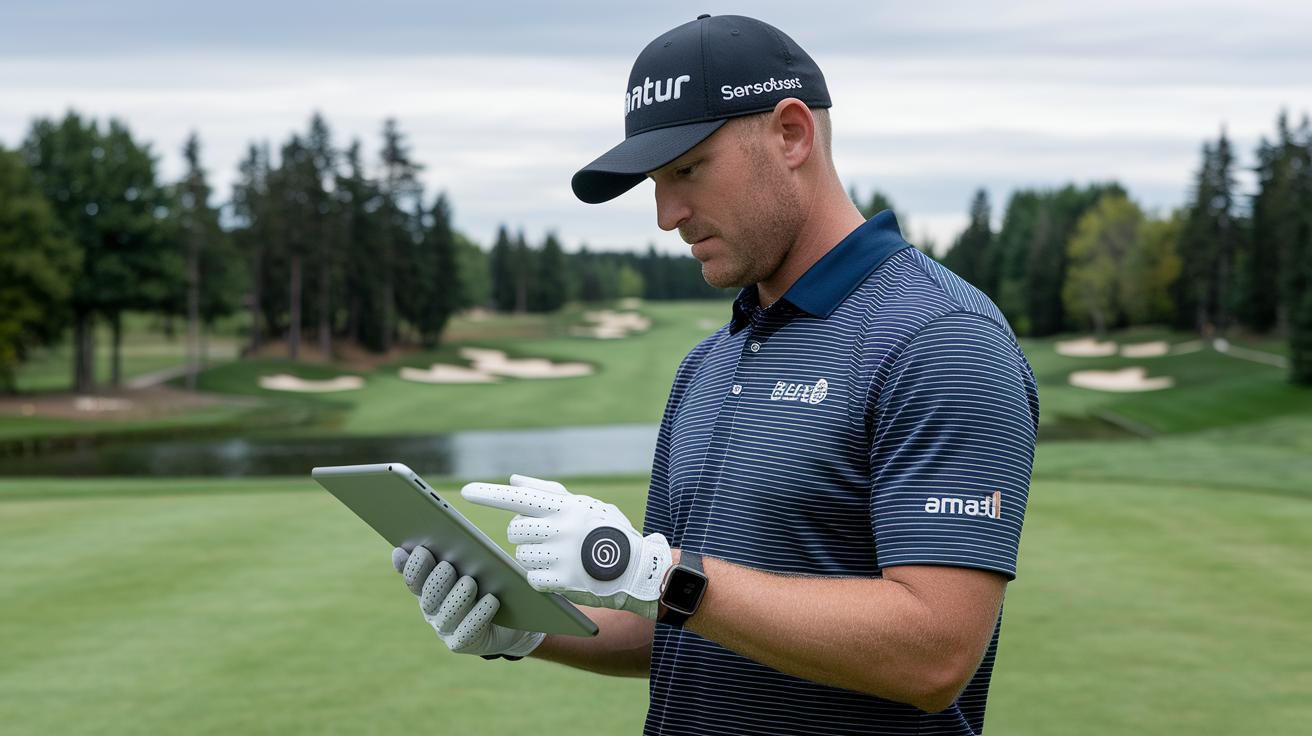
Coaches now rely on smart sensors built into clubs and gloves. These sensors pick up key details like clubhead speed, attack angle, and how much the club face rotates. The data goes straight into software that shows each frame of the swing. One coach said, "I noticed a slight misalignment in the data that, once corrected, really boosted my player's swing."
Remote assessments add another layer. They use cloud-based dashboards to track progress over weeks and months. This longer view helps coaches see trends that a single session might miss. For instance, a club member’s swing speed improved by 4 mph over two months after making targeted changes from the cloud data.
By mixing real-time sensor feedback with remote tracking, instructors can fine-tune their training plans. This blend of immediate and long-term data means coaching becomes more personal and effective as players grow.
- Sensors capture real-time swing details
- Biomechanical software breaks down the motion frame by frame
- Cloud dashboards show long-term progress trends
| Method | Strength |
|---|---|
| Sensors & real-time software | Quick feedback and clear swing analysis |
| Remote performance assessments | Long-term tracking that reveals growth trends |
Certification Curriculum Updates and Credentialing Pathways for Golf Instructors
Digital exam methods have taken over. Instead of spending hours on paper tests, instructors now get online, interactive evaluations. I used to dread those long paper tests, and now a live swing analysis captures every key detail. This change lets instructors prove their skills with clear benchmarks and real results.
Certification paths are changing too. They now offer special modules that dive into short-game techniques (think chip and putt), fitness drills, and programs for developing young talent. One coach shared, "I never thought a short-game module could change my whole approach until it made me focus on every chip and putt." This new approach means coaches can focus on exactly the skills they need to build.
Regulators have also updated the rules. Instructors now need to collect digital continuing-education credits. They must take online courses regularly to keep their credentials up to date. By staying on top of these digital courses, every instructor can guide players with the latest insights.
- Digital exam methods with clear competency checks
- Specialized modules for short-game, fitness, and youth development
- Mandatory digital continuing-education credits
Virtual and Remote Coaching Strategies in Golf Instruction

Live webinars let you get instant feedback during your swing. Your coach can spot a mistake right as it happens, so you can fix it on the spot. Think of it like, "Set up your camera and watch your swing live", and it's as simple as that.
Self-paced modules let you replay your swing at your own speed. You might say, "Watch that drill again until you see what needs a tweak." It puts you in charge, giving you the time to learn step by step.
High-resolution video sessions mix real-time coaching with quick data feedback. This approach makes remote coaching feel extra sharp compared to other tech methods. It’s like having a coach right there with you, even when you’re practicing at home.
Continuous Education, Mentorship, and Skill Refinement Approaches for Golf Instructors
Golf instructors are constantly leveling up their skills by diving into ongoing courses and mentor programs. They mix hands-on practice with real-life case reviews, sharing tips and experiences in a relaxed, friendly setting. One coach even mentioned, "I tried a new swing drill, and my peers confirmed it really made a difference." It’s like swapping stories over a cup of coffee, where each conversation fuels growth and sparks fresh ideas.
Next, off-site training events and live seminars add an extra push to practical learning. Imagine watching a top instructor demonstrate a clever swing fix and then being able to try it out right away. These sessions are full of situational drills that challenge coaches to sharpen both their teaching skills and their own swings.
New adaptive learning systems now tailor the intensity of lessons based on each instructor’s performance and feedback. This means every session is fine-tuned to be as effective as possible, ensuring that every coach continues to improve and feel more confident on the green.
Key points:
- Continuing education keeps techniques fresh and relevant
- Mentorship fosters a network of real-time feedback
- Regular practice drills boost both confidence and practical know-how
| Approach | Benefit |
|---|---|
| Mentoring Circles | Shared insights and instant feedback |
| Live Seminars | Practical swing fixes and new drills |
Case Studies of Innovative Golf Instructor Training Programs

Real-world stories show that new training tools can lead to big swing improvements. For example, the Sure-Set Training Aid and the SuperSpeed Golf Set have made it easy for instructors to see clear gains in a golfer’s swing. One coach said, "Using these tools is like watching your swing evolve right before your eyes." It really brings home how these gadgets turn practice into a lively, immediate experience.
Then there are molded tools like the G-Rip Trainer and the True Grip Glove. They come with special feedback zones that help golfers hold the club correctly for better control and consistency. On the range, these devices act as quick reminders to fix grip issues, mixing classic drills with a touch of smart technology.
Home-based tools add another layer of innovation. The Perfect Practice Putting Mat and the Puttout Devil Ball let players hone their putting skills at their own pace. These aids make it easy to set up a solid practice session between lessons, helping golfers build their skills through repetition. And then there's the Champkey Swing Trainer, which is designed to help develop a smooth tempo and rhythm by blending physical drills with tech feedback.
Quick tip – try a focused drill with one of these tools to sharpen your game. Each example shows how blending new devices into coaching can set fresh standards and hint at the exciting future of golf instruction.
Final Words
In the action, we've seen firsthand how innovative methods change golf instructor training trends. New tech, smart sensors, and online lessons now work hand in hand with traditional coaching. These fresh approaches lead to more personalized feedback and hands-on clinics, all while offering flexible, remote sessions. By sharing real examples from case studies to modern curriculum updates, the article brings these dynamic shifts to light. The future of golf instructor training trends looks bright and promising, driving both passion and progress on and off the green.
FAQ
What is the 70/30 rule in golf?
The 70/30 rule in golf suggests playing 70% of your strokes conservatively while dedicating 30% to riskier, take-charge plays. This strategy helps balance safe decision-making with opportunities for lower scores.
What is the 80 20 rule in golf?
The 80/20 rule in golf indicates that many of your strokes, about 80%, come from just 20% of mistakes. It emphasizes refining your faults to drastically improve overall performance.
What are the golf industry trends for 2025?
Golf industry trends for 2025 include the rise of online education platforms, the use of virtual and augmented reality for simulated practice, and hybrid coaching models that mix digital lessons with in-person feedback.
What is the 7/10 rule in golf?
The 7/10 rule in golf means that if you can hit your target or desired fairway around 70% of the time, you build a solid foundation for lowering your scores and boosting overall confidence on the course.