

Have you ever sat back and wondered why a golf broadcast feels so smooth? It’s all thanks to a tight-knit crew of producers, commentators, and tech directors who work together like a well-oiled team.
They use quick signals and smart cues to keep every play moving, so you end up feeling like you’re right there on the green. Behind the scenes, clever tricks and teamwork blend perfectly to turn each live broadcast into a brilliant experience.
Behind the Scenes of Golf Commentary Teams: Brilliant

Producers, commentators, and technical directors all work together like a well-oiled machine to bring you live broadcasts that feel as smooth as a perfect putt. They share real-time signals, quick hints sent on the fly, to sync up camera changes with the action on the course. Meanwhile, the production crew is busy editing non-stop, and technical directors keep a close ear on audio feeds to catch every detail.
Back in 2012, a seasoned commentator showed just how important it is to stick to a plan. His detailed play-by-play and clear cues helped producers make smooth shifts during live coverage, proving that a few well-timed prompts can really change the game.
When the 2020 PGA Championship played without fans, the team had to think on their feet. Without the usual roar of the crowd, they had to reset their cues. Commentators, producers, and technical directors tweaked microphone spots and camera views to match the quiet setting. These smart adjustments kept everything in perfect sync, so even an empty stadium couldn’t stop the broadcast from feeling lively and in tune with the action.
Team Dynamics in Golf Commentary Broadcasts

Every team member on a live golf broadcast has a special role, and when each person knows exactly what to do, the show runs like clockwork. Picture a script where one voice sets the scene and another fills in the fun details, nothing gets missed.
The lead announcer nails every play with clear, precise words, while the analyst offers insights on strategy and performance as the action unfolds. Out on the course, sideline reporters bring you live updates, letting you feel the mood and even the players' emotions. Together, they build a story that mirrors the thrill on the green, just like chatting with a friend about every perfect swing and putt.
What really makes the broadcast shine is the easy rapport among the team. Their friendly on-air chatter feels natural and warm, as if you're catching up with an old buddy. A light joke or a quick personal note during the game pulls you right into the action, turning routine commentary into a lively experience you'll really enjoy.
Backstage Operations of Golf Commentary Crews
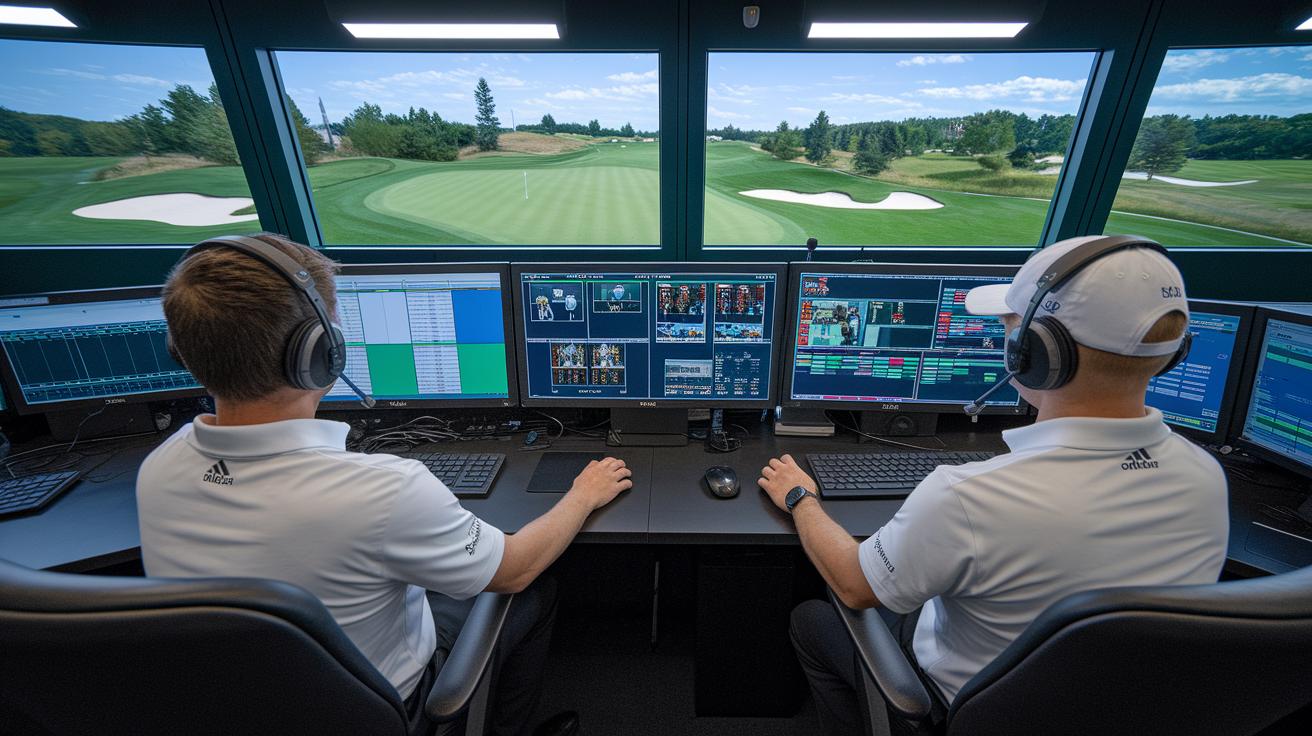
Producers, technical directors, and video switchers are the core of behind-the-scenes magic in golf commentary. They work together like a tight team, making sure every part of the broadcast clicks perfectly. At events like the Canadian Open, producers pick the best camera shots and add text overlays, while technical directors adjust audio settings. Video switchers mix live feeds so the play flows naturally. Imagine every quick decision coming together to create a live masterpiece, much like landing a perfect shot on a narrow fairway.
Clear signal routing and headset chats keep the broadcast booth running smoothly. The team stays connected with simple, clear talks so nothing gets lost, even when commentators are miles apart. Special channels make sure every cue lands on time, keeping the flow clear and precise. These little backstage tweaks help every exciting moment on the course shine with flawless coordination.
Technical Setup and Sound Engineering for Live Golf Commentary

For live golf commentary, using quality audio gear is a must. The crew depends on great mics, solid mixers, and reliable headsets to capture every soft whisper and loud cheer. They use techniques like diaphragm support and controlled breathing to keep the sound low and crystal clear.
Before each round, sound engineers run detailed checks. They set the mixing consoles, use noise gating to quiet the background, and inspect every piece of gear. This careful setup makes sure that each gentle whisper and sudden burst of applause is caught perfectly for a smooth broadcast.
Here are a few key tips for a perfect setup:
- Keep the mic 2–3 inches from the commentator’s mouth to pick up even the quietest words.
- Pre-set the EQ and noise gates so crowd noise stays in the background.
- Test the backup audio routing to be ready for any hiccup.
- Check that the headset comm-link is steady and clear.
- Record all the equipment calibration details.
- Watch the audio levels live to catch any changes right away.
During the broadcast, constant audio monitoring is essential. Engineers and producers keep a close eye on every sound level to avoid any mishaps. Their careful listening makes sure every whisper is heard and every cheer rings out with perfect clarity.
Scriptwriting and Real-Time Editing in Golf Commentary Teams

Before a broadcast, golf teams rely on a carefully planned script. These scripts include sponsor credits, player profiles, and key-shot breakdowns. They even have timing cues, like a prompt reading, "Gear up for the next big moment!" This setup makes sure every transition is smooth and gives broadcasters a clear roadmap before the live action.
When the show starts, real-time editing kicks in. Producers and commentators chat over headsets and keep an eye on on-screen prompts to adjust their lines on the fly. For example, a quick note might say, "Switch to shot analysis now" while editors update headers and segment breaks. This fast, responsive style blends the pre-planned script with live insights that match the excitement on the course. (Learn more about these techniques at https://golfmarkets.com?p=330.)
Balancing a solid script with spontaneous on-air reactions is the key. Commentators lean on the pre-written narrative but stay flexible to capture every unexpected thrill. This mix makes the broadcast feel both reliable in structure and full of live, on-course excitement.
Coordination Strategies Among Golf Commentary Hosts and Analysts

Golf commentary teams work hard to keep everything flowing smoothly. They use careful timing and set volume rules so every play stays in focus. Research even shows that a softer tone helps golfers concentrate. Every call, every handoff, is planned to build suspense while keeping the game clear and engaging.
Teams also mix in guest experts seamlessly. Each guest has a clear role, which makes the show sound natural and easygoing. Producers and main hosts chat briefly before each segment, laying out the plan. This way, even spontaneous expert opinions slide right in without messing up the flow.
Before going live, hosts and analysts get together for quick run-throughs. They practice their transitions and check their volume to match the live action perfectly. These rehearsals ensure the broadcast feels both lively and well-coordinated, almost like a perfectly executed swing on the green.
Pre-Match Briefings and Post-Game Processes of Golf Commentary Teams
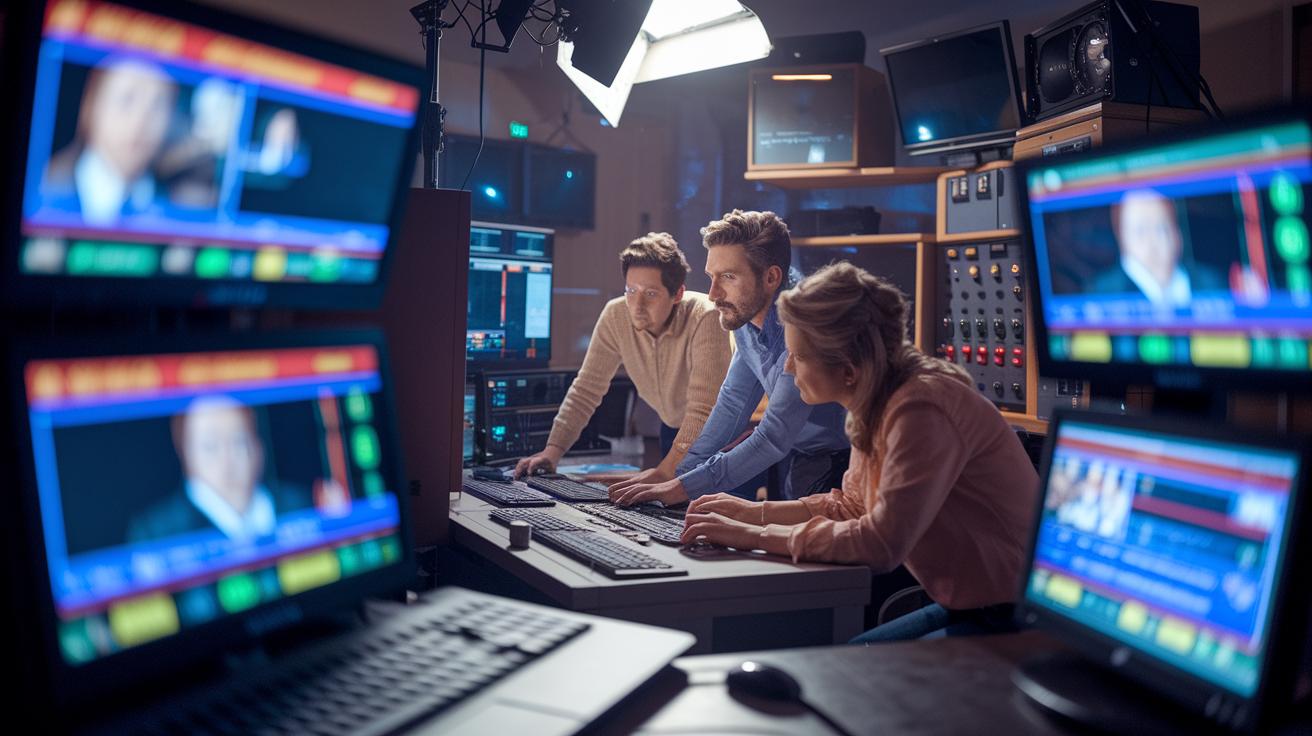
Before every live broadcast, the crew meets quickly for a pre-match chat. They run through tech checks, double-check player lineups, and confirm the scripts. Everyone pays close attention to make sure nothing gets in the way of a smooth, live show. They also go over timing and communication plans to keep things on track.
| Process | Activities |
|---|---|
| Pre-Match Briefing | Survey course layout, assign roles, confirm scripts |
| Live Coverage | Call shots, monitor sync, handle issues |
| Post-Game Debrief | Review performance, gather feedback, update reports |
After the game, the team gathers for a detailed post-game debrief. They go over key stats, chat about any unexpected delays or tech glitches, and listen to feedback from everyone involved. These insights help them fine-tune the scripts, adjust technical setups, and boost coordination for the next event. They also update incident reports and tighten communication between on-air talent and tech crews. This careful review makes every broadcast run smoother and keeps each live event better than the last.
Evolution and Innovations in Golf Commentary Teams

Golf commentary has come a long way. In the early days, announcers spoke softly to match the quiet of the greens, setting a calm and respectful tone. Legends like Jim Nantz helped shape a style that slowly turned into the vibrant, multimedia storytelling we enjoy today.
Now, watching a golf broadcast feels like stepping right onto the course. VR overlays make you feel like you’re standing right beside the players, while live social media and colorful graphics pull you into the action. Production crews mix live video with cool tech like augmented reality, ensuring every hole is filled with energy and smooth, seamless transitions.
Looking ahead, we can expect even more high-tech surprises. Future broadcasts may use AI to help direct cameras and fine-tune sound, all while giving viewers real-time stats and local insights. As producers continue to fine-tune the mix between planned commentary and live moments, one thing is clear: golf broadcasts will keep getting better, drawing in fans with every swing.
Final Words
In the action, producers, commentators, and technical crews work side by side to deliver sharp, real-time golf narration. The blog walked through how teams adjust their play-by-play in changing environments, share veteran insights, and fine-tune technical setups before live events.
Every step shows care and coordination that boosts coverage quality. The story gives a peek behind the scenes of golf commentary teams, leaving us excited and ready for the next tee-off.
FAQ
What are the best behind the scenes insights into golf commentary teams?
The best behind the scenes insights highlight how producers, technical experts, and commentators work together. They reveal the teamwork and quick thinking needed to deliver smooth, live coverage that keeps viewers hooked.
How can I watch behind the scenes coverage of golf commentary teams on YouTube?
Discover behind the scenes footage on YouTube that shows the workflow, technical setups, and real-time coordination of commentary teams, offering an insider’s look at what makes live golf broadcasts so engaging.
What did the behind the scenes look of golf commentary teams in 2022 reveal?
The 2022 behind the scenes look showed teams refining processes, adapting to unique challenges, and using new techniques for live broadcast narration to maintain high standards even under unexpected circumstances.
How does LIV Golf influence golf commentary teams?
LIV Golf has prompted commentary teams to embrace fresh broadcast methods and innovative production tools, resulting in a more dynamic presentation that gives audiences updated perspectives on the game.
Who is Su-ann Heng and what role does she play in golf commentary?
Su-ann Heng is known for her engaging presence and expert insights. She contributes to golf commentary by adding unique analysis and enhancing the narrative flow during live events.
How much money do golf commentators make?
Golf commentators earn varying salaries that depend on their experience, role, and event scale. Top commentators are well-compensated for their expertise and the engaging performances they deliver on air.
Who are some of the key golf announcers on the Golf Channel?
The Golf Channel features seasoned announcers such as David Feherty, Johnny Miller, and John Daly, who bring years of experience, keen observations, and a passion for the sport that resonates with fans.
What contributions have figures like David Feherty, Jerry Foltz, Nick Faldo, Johnny Miller, and John Daly made to golf commentary?
These icons have enriched golf commentary with insightful analysis, memorable play-by-play calls, and expert perspectives that enhance viewers’ understanding and enjoyment of the game.