

Ever wonder why top golfers love their launch monitors? These smart tools track every part of your swing, from ball speed to how your club moves. Forget guessing how well you played, today’s tech gives you a quick lesson right there on the course. They deliver real-time data that turns every practice swing into a chance to get better. Whether you’re picking out new gear or just trying to shave a few strokes off your score, these devices offer clear insights that make every shot count.
Core Functionality & Benefits of Golf Launch Monitors
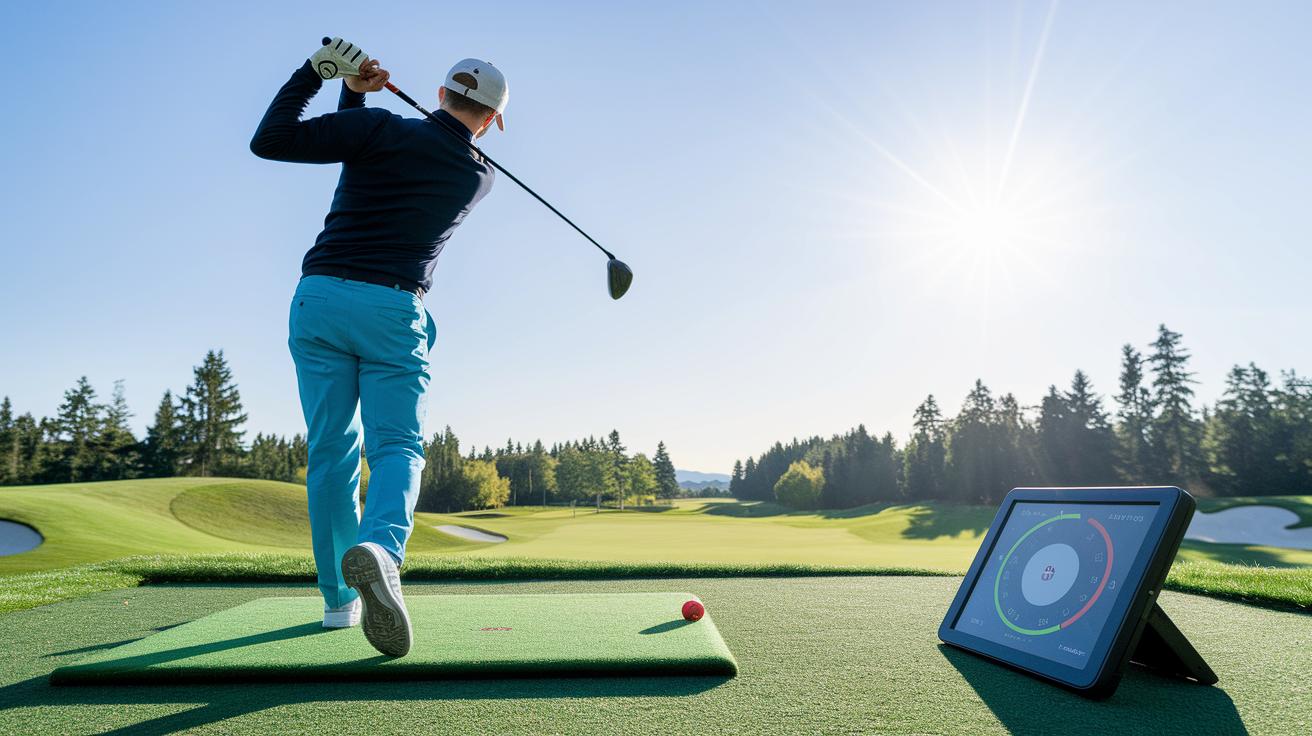
Golf launch monitors are neat gadgets that give you real-time swing data and ball flight details. They tell you everything from where the ball goes to how fast your club moves. Ever heard that before these monitors, pros mostly guessed what was happening? Now, every swing offers a clear chance to learn and improve.
You'll find these devices in many styles. Some are friendly on your wallet, while others offer high-end analysis for the serious player. Many models even work as portable swing trackers so you can get useful data whether you’re on the range or on the go.
These monitors give you instant feedback. They help spot swing mistakes and show you progress over time. Whether you’re practicing indoors or outdoors, the data arrives fast so you can tweak your stance, swing path, or strength right away. Simple steps like setting the monitor behind you ensure you get the best readings every time.
It’s a cool mix of high-tech help and the art of the game that makes every shot count.
How Golf Launch Monitors Work: Radar vs Photometric Systems

Golf launch monitors come in two forms: one that uses radar and one that uses high-speed cameras. The radar monitors work a lot like a speed gun. They track your ball right after impact, noting details like ball speed, angle, spin, and club path. You need about 6 to 10 feet of clear space behind you for them to work well. For example, if you set one up 8 feet behind you, it will quickly catch your ball's speed and angle, usually within about 5% of the actual distance.
Photometric systems, on the other hand, rely on high-speed cameras that snap many pictures every second. This means you can mount them in flexible spots, such as on a wall or even the ceiling. Their different angles capture everything from the club's path to tiny shifts in the ball's spin. Many players love these sensors for the rich details they provide, helping fine-tune a swing like a pro analyzer breaking down every shot.
Comparing these two systems can guide you in picking the right one for your game. If you enjoy seeing every small detail of your swing, the camera-based system might be a great fit. But if you prefer a quick, clear readout of your ball's speed and distance, the radar option could be the way to go. Both types work hard to turn every swing into a chance to learn, keeping errors to just a small margin. To explore more differences, check out some top-rated golf swing analysis devices at https://golfmarkets.com?p=140.
Golf Launch Monitor: Elite Features and Value

Budget Monitors
If you’re new to golf tech or want something simple, budget systems like the Garmin R10 and Rapsodo MLM2PRO are a great start. They cost between $300 and $700 and give you the basics, club head speed, ball flight, and trajectory. Setup is a breeze, so you can quickly see if your shot is off-target or if you need to fix your swing. It’s like getting instant feedback over a cup of coffee with a friend.
Mid-Range Monitors
Stepping up your game? Mid-range monitors usually run from $700 to $2,000 and come with cool extra features. Devices such as the SkyTrak+, FlightScope Mevo+, and ProTee VX not only track your swing but also show video clips and integrate with simulators. They pack portability and solid data analysis, so you can practice at home or at the range with ease. Imagine setting up a smart system that shows you clear video cuts along with your swing stats in real time.
High-End Monitors
For those serious about perfecting every shot, high-end systems cost over $2,000 and deliver coach-level insights. Models like the Foresight GCQuad/QuadMax and Uneekor EYE XO 2 take shots from multiple angles using Quadrascopic imaging, perfect for professionals or commercial indoor setups. These machines offer deep analysis of every little detail in your swing. Think of it as having a mini lab to study and improve each shot during your practice.
| Category | Price Range (USD) | Key Features |
|---|---|---|
| Budget | $300–$700 | Basic metrics, ease of use, quick feedback |
| Mid-Range | $700–$2,000 | Simulator integration, video feedback, portability |
| High-End | >$2,000 | Multi-angle capture, coaching analytics, commercial-grade |
Key Factors to Consider When Choosing a Golf Launch Monitor

When you're on the hunt for a golf launch monitor, you want a gadget that gives instant, clear stats without any fuss. A great monitor shows you key details like ball speed, launch angle, spin rate, and club path (that’s just a fancy way of saying how your club moves during your swing). Quick feedback helps you see if your swing is off so you can make changes on the fly.
It should be a breeze to set up and easy to carry from one spot to another, whether you’re practicing at home or out on a course. Many players love a monitor that works well both indoors and outdoors. And don’t forget about the extra features. Some monitors come with cool software and training games that really add to the fun. Just watch out for any surprise subscription fees that might put a dent in your wallet.
Also, think about the space you’ve got. Some monitors need extra room behind you for a full swing, while others can be mounted on a wall or ceiling. Keeping all this in mind, here are the major points to consider:
- Accuracy in capturing your stats
- Ease of setup and portability
- Suitability for both indoor and outdoor use
- Integration with simulator or training software
- Extra subscription or licensing costs
- The space needed for a proper swing
- What fits your budget
Setting Up & Using a Golf Launch Monitor Indoors and Outdoors

Indoor Use
When you set up your launch monitor indoors, you want a space that feels as real as a day on the course. Many golfers use photometric monitors that work perfectly with a DIY curved enclosure, strong impact screens, and a projector. Make sure your screen is tough enough to handle ball hits. Place the camera at an angle that clearly shows your swing and the ball’s flight. Adding extra lights or markers can really help you line up your shot. For example, having the camera set at a height that catches both your club and ball as they leave your hands makes a big difference. This setup often pairs well with sensor-based simulators seen in the industry. Good, even lighting inside stops shadows from messing with the sensor, and a clear space mimicking an outdoor feel makes switching between different setups a breeze.
Outdoor Use
For outdoor play, most golfers rely on radar-based devices like the Full Swing KIT. These setups work well on natural turf or batting mats. You need to set your monitor so there’s roughly 6 to 10 feet of space behind you. This extra room helps the device track the ball’s full flight. Be sure to watch the weather, as it can change how the radar reads your shot or affect the ball’s path. Also, check that your turf or mat is level and stable for the best readings. With natural lighting on your side, if the device lines up well with your swing, you’ll get accurate and exciting data every time.
Pros, Cons & Accuracy Insights for Golf Launch Monitors

Golf launch monitors work like digital ball flight recorders, giving you quick feedback on every swing. They show you details like club head speed, ball flight path, spin, and launch angle so you can spot small tweaks that might boost your distance and accuracy. Many golfers love how these tools make it easy to track progress over time.
But there are a few drawbacks too. They can be quite expensive, especially the models built for serious coaching or pro play, and some even require a subscription. Changing light or wind conditions can affect how well the sensors work, and whether you’re indoors or outdoors, you need enough space to capture your full swing. Even the best launch monitors can sometimes be off by about 5% from the true carry distance.
Balancing the benefits of instant feedback and detailed stats with the cost and occasional little issues is key when choosing the right monitor for your game.
Top Golf Launch Monitors & Recommendations for Every Golfer
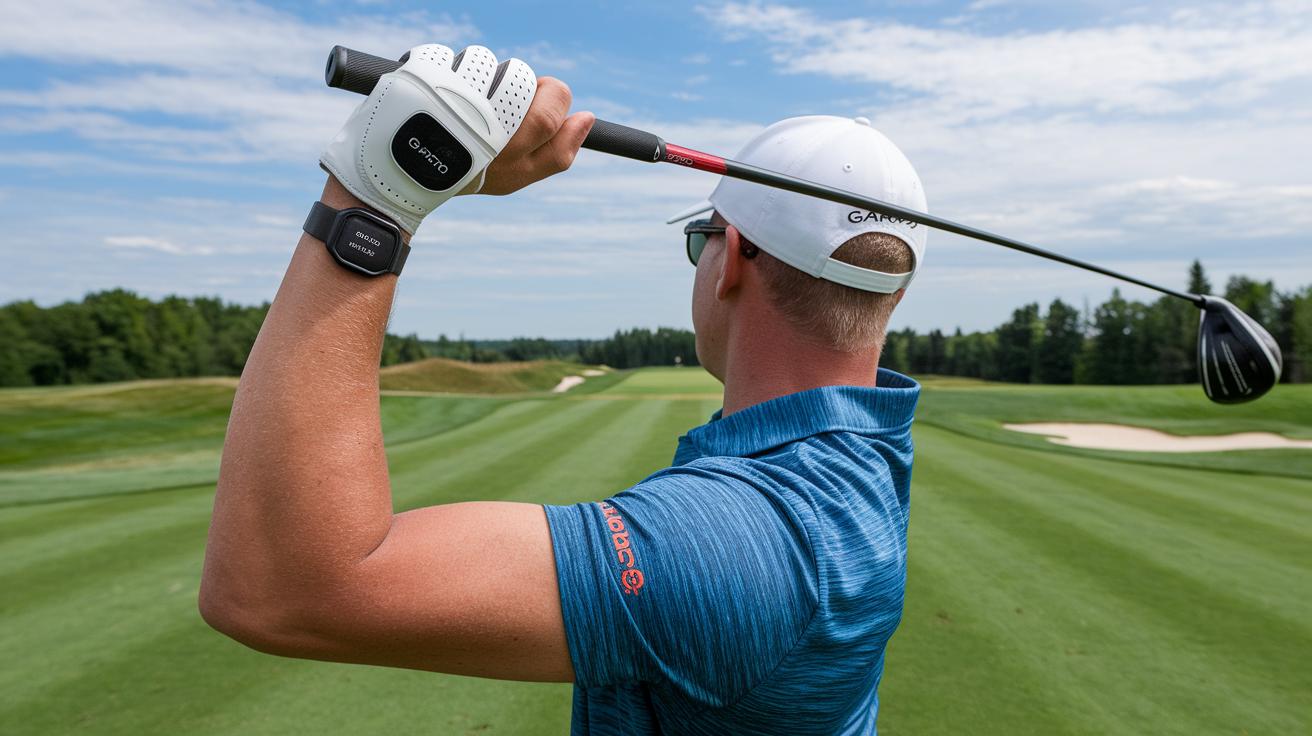
When choosing a launch monitor, it all comes down to what you value most, whether that's budget-friendly basics, fun interactive home practice, or detailed coaching advice.
Budget options like the Garmin R10 and the Rapsodo MLM2PRO pack in the key swing metrics you need without breaking the bank. The Garmin R10 shines with a simple interface that beginners love, while the Rapsodo MLM2PRO gives clear video feedback to make swing data easy to understand. One golfer even shared that after switching to the Garmin R10, every swing revealed details they never expected.
Mid-range picks, such as the SkyTrak+ and FlightScope Mevo+, add a splash of interactivity and portability perfect for home practice. Golfers enjoy the mix of solid software and engaging video help that lets them tweak their swings on the fly. Experts say these monitors strike a smart balance between deep insights and everyday ease.
At the high end, the Foresight GCQuad/QuadMax and Uneekor EYE XO 2 are favorites for their multi-angle views and in-depth analysis. Coaches and serious players trust these monitors to capture every tiny swing detail, turning that data into clear, actionable tips that can really boost performance.
Comparative reviews show that each price range has its own special strengths, meaning every golfer can find the right monitor to help take their game to the next level.
Final Words
In the action, we saw how a golf launch monitor tracks every detail of your swing and ball flight with smart sensor tech. We walked through the core functions, compared radar and photometric systems, and reviewed models from budget-friendly to high-end options. The guide also outlined key factors for setting up your device either indoors or outdoors while weighing the pros and cons. Enjoy the boost a reliable golf launch monitor can bring, and keep swinging with confidence on every shot!
FAQ
What is the best home golf launch monitor?
The best home golf launch monitor offers precise ball and swing data right from your living space. It should be user friendly, reliable, and connect with your favorite apps and review platforms.
What launch monitor does the PGA use?
The PGA often uses professional systems like the Foresight GCQuad or Uneekor EYE XO. These high-end devices deliver the accuracy needed for top-level competition.
What’s the difference between a golf simulator and a launch monitor?
A golf simulator creates virtual course experiences with graphics, while a launch monitor focuses on tracking ball speed, angle, and spin data for analysis and performance improvement.
What is the best outdoor golf launch monitor under $1000?
The best outdoor option under $1000 delivers accurate shot metrics and portability. Many golfers recommend models like the Garmin Approach R10 for a balanced mix of performance and affordability.
What is a golf launch monitor app?
A golf launch monitor app links with sensors or cameras to offer swing analysis on your phone. It provides real-time feedback, helping you track stats and improve your game wherever you practice.
What do golf launch monitor reviews and Reddit discussions highlight?
Reviews and Reddit posts stress ease of use, reliable data capture, and frequent software updates. They also focus on user experiences with different models, helping golfers choose the right tool for their needs.
What are some popular golf launch monitor models available?
Popular models include Rapsodo MLM2PRO, Square Golf Launch Monitor, Garmin Approach R10 and R50, Bushnell Launch Pro, FlightScope Mevo, and PRGR Portable Launch Monitor. These options cater to both beginners and seasoned players.