

Have you ever noticed how a great commentator can turn a calm game into a thrilling ride? We looked into what makes their words so captivating.
Clear speech, lively descriptions, steady pacing, and insightful commentary come together like a well-hit golf ball soaring through the sky. Next, we explore how these elements work hand in hand to light up every moment on the course, making each shot feel as exciting as if you were right there among the crowd.
Comprehensive Critique of Golf Tournament Commentary

Great commentary sets the stage for an unforgettable golf viewing experience. The right words can turn a normal shot into an exciting memory. When commentators speak with genuine care, you feel pulled into every swing, putt, and surprising twist.
They blend fun storytelling with clear, easy-to-understand golf talk that even newcomers can follow. When you hear voices like Jim Nantz delivering his lines in a calm, friendly style, it almost feels like you’re standing right there on the green with the action.
| Key Critique Factors |
|---|
| Tone consistency |
| Descriptive accuracy |
| Storytelling integration |
| Pacing |
| Expert insight |
| Neutrality |
| Catchphrase usage |
Focusing on these seven factors makes the commentary strong. A steady tone keeps the story clear and lively, while spot-on details help you picture every exciting moment. Good storytelling builds a real connection to the players and deepens your understanding of the game. Smart pacing gives everyone time to soak in the action without feeling rushed. With trusted voices like Notah Begay or Luke Donald adding expert insight, the conversation stays on point. Keeping things neutral means the focus always stays on the game rather than any bias. And overusing catchphrases? That just pulls you out of the moment.
When you mix in a few personal stories and sharp observations, commentary does more than share facts, it becomes the heartbeat of the tournament, guiding every fan through each thrilling moment.
Evolution and Traditions in Golf Tournament Commentary
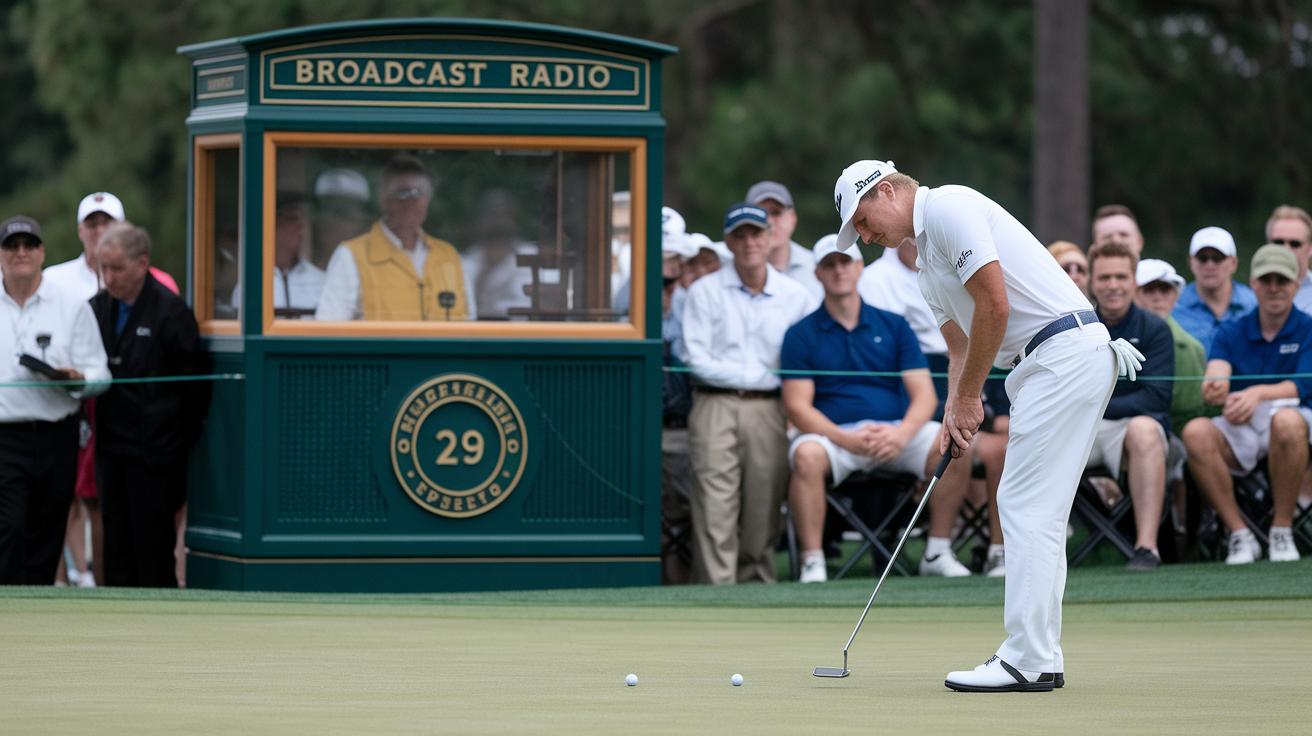
Back in the early days of radio, commentators kept their voices low so that players could stay focused. They would whisper during key moments, like when a player was putting, to keep the calm on the green. This quiet style not only helped players concentrate but also added a special feel to the game. Learn more about the history of golf commentary here: https://golfmarkets.com?p=250.
When broadcasters moved from radio to TV, those familiar quiet techniques stayed in play. Legendary voices like Verne Lundquist and Ian Baker-Finch used soft, respectful tones that let the game shine while gently building excitement for fans. Their style proved that a calm voice could still carry all the thrill of a big tournament.
Today’s announcers mix these classic whispering methods with modern technology and energetic presentation skills. Even with fancy gadgets and lively commentary, the need to avoid distractions is still strong. It shows that a little well-timed quiet can make a huge difference in telling a great golf story.
Comparing Commentary Styles Across Major Events

Golf commentary in big tournaments pulls you into the action with a mix of voices that cater to different tastes. Some commentators chat with a friendly, off-the-cuff style that feels like you’re at the clubhouse, while others stick to a clear Q&A format that’s all about the facts, even if it sometimes sounds a bit repetitive. Each style brings its own twist to the game, shaping how the story of the tournament unfolds. Imagine hearing a vibrant voice that makes every swing and pause feel exciting, right alongside one that nails every detail with precision.
| Commentator | Style | Strengths | Weaknesses |
|---|---|---|---|
| Shane Bacon | Conversational | Engaging, relatable | Occasional lack of depth |
| Amanda Balionis | Q&A-focused | Prepared, clear | Repetitive catchphrases |
| Charles Barkley | Humor/Opinion | Entertaining, bold | Polarizing views |
| Curt Byrum | Fact-based | Accurate, concise | Limited storytelling |
Different networks pick a style that fits their audience. Some go for a laid-back, chatty vibe that makes you feel like you’re part of the conversation on the course, while others choose a straightforward, fact-filled approach for those who love the technical side of the game. This blend of lively, relatable voices and well-grounded experts gives us fresh angles on every pivotal moment, ensuring fans stay both informed and entertained as each tournament unfolds.
Language and Narrative Techniques in Tournament Commentary

"Whispered: 'There it goes, just a gentle tap, like you’re sharing a secret with a friend.'" This soft call, with its controlled breathing and close mic, makes it feel personal. The words show how each putt is both careful and smart, drawing listeners into a private moment on the green.
"Color Commentator: 'That drive sliced through the early light like a bold stroke of art, setting up an epic final round.'" The commentator turns a simple drive into a work of art. The picture of a brushstroke lights up the play, mixing power with beauty to spark our excitement.
These language tricks, from quiet whispers at just the right time to bright, metaphor-rich commentary, bring fans closer to the game. By mixing clear, technical notes with a story-like feel, the play becomes an experience where every swing and putt feels real and filled with emotion.
Audience Response and Alternative Commentary Formats
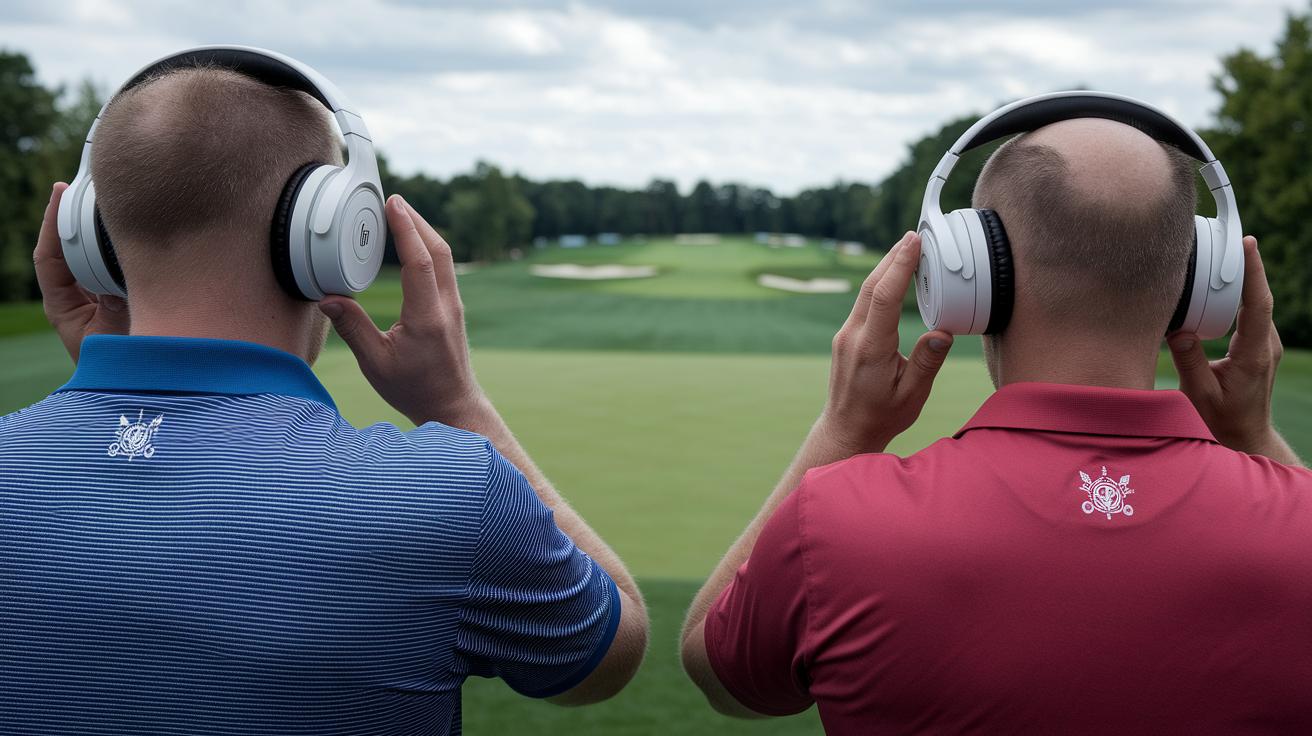
Fans are fed up with TV commentary that sounds like it’s on repeat. They say hearing the same phrases and stories over and over makes it hard to enjoy the thrill of live golf. One fan even said, "It feels like I'm hearing the same lines every hole!" This has many looking for fresh audio alternatives.
Radio coverage, on the other hand, wins big for its rich, descriptive storytelling. You can almost feel the crisp crack of the club and hear each swing clearly, as if you’re right there on the course. Meanwhile, digital formats mix live sound bites with real-time graphics to give a modern spin that plays both on what you see and hear. Surveys show a lot of fans like having different audio options because it turns up the excitement of the game.
Online commentary streams and fan-run podcasts are also catching on. They offer a lively, interactive way to cover tournaments, and many viewers find this fresh approach both genuine and energizing.
Best Practices for Effective Golf Tournament Commentary

Improving your commentary builds on solid examples and clear comparisons made before. Earlier tips on research, pacing, and tone already set the stage for a broadcast that's both spot-on and lively.
To keep your broadcast clear and engaging, mix these key points into your storytelling and analysis. This easy checklist echoes what earlier segments on tech and language stressed:
- Research
- Pacing
- Tone variation
- Audience awareness
- Storytelling
- Technical accuracy
- Balanced critique
- Mic technique
Check out more on golf broadcast commentary techniques here: golf broadcast commentary techniques
Bringing these ideas into your live broadcast helps you deliver a smooth, connected presentation. When you combine solid research, clear language, and a natural rhythm, every call will hit home with your audience.
Final Words
In the action, the piece captured how commentary shapes each moment on the course. We explored everything from tone to storytelling, showing how the analysis of golf tournament commentary fuels viewer connection.
The blog post broke down key factors like descriptive accuracy, pacing, and expert insight while examining historical twists and modern approaches. Every part of the discussion reminds us that clear, authentic voice makes the game even more engaging. Here's to more thrilling, well-crafted calls that keep the excitement alive!
FAQ
Q: Analysis of golf tournament commentary on YouTube and online
A: The analysis of golf tournament commentary on YouTube and online focuses on how tone, storytelling, and technical insight drive viewer engagement. It explores techniques that make broadcasts both clear and immersive.
Q: Who are the main golf announcers on the Golf Channel and are they former players?
A: The Golf Channel features announcers who mix seasoned broadcasters with former players. Their firsthand experience and analysis help viewers grasp the technical aspects of the game while adding expert insights.
Q: Why is the golf commentary so quiet?
A: The golf commentary is quiet to sustain a serene atmosphere on the course, allowing players to focus and communicate. This soft delivery helps maintain the traditional pace and concentration of the game.
Q: Why do golf announcers say “fore please”?
A: Golf announcers say “fore please” to remind everyone of the potential danger of an incoming ball. This call acts as a safety cue to alert nearby players and spectators quickly.
Q: How to analyze a round of golf?
A: Analyzing a round of golf involves assessing each shot for accuracy, strategy, and consistency. It means noting strengths and areas for improvement to better understand player performance throughout the round.
Q: What insights do noted voices like David Feherty, Jim Nantz, Gary March, Johnny Miller, Nick Faldo, and John Daly bring?
A: These seasoned commentators offer a mix of personal experience, clear storytelling, and technical analysis. Their unique styles deepen viewer understanding by combining detailed play breakdowns with engaging commentary.