

Ever wonder if golf could be even more exciting than the big tours? Minor league tournaments bring a fresh thrill with every shot. You can almost hear the crisp sound of clubs striking balls, and feel the excitement in the air.
These events are where future stars step up to the challenge, polishing their skills and proving they belong. With just a few dozen players in the field, every swing matters. Each good shot builds confidence, and fans get a clear look at the talent that could soon take center stage.
So, if you love watching the game unfold with raw passion, these tournaments are the perfect spot to see dreams in action.
Understanding Minor League Golf Tournaments: Structure, Format, and Pathways
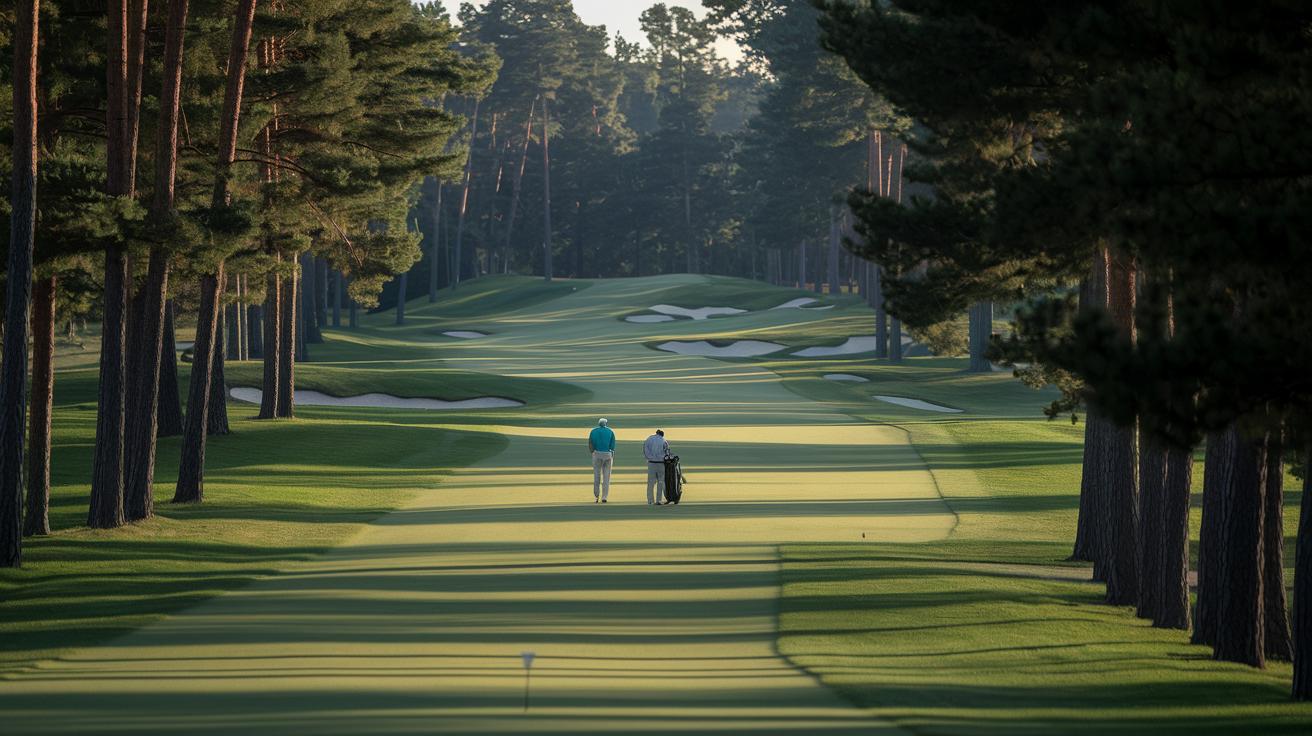
Minor league golf tournaments offer a unique challenge that feels quite different from the big tours. They mostly use a stroke-play format, where scores are added up over two or three rounds, keeping every shot under pressure. These events generally have small fields, often under 100 players. In fact, the Minor League Golf Tour usually sees about 30 players, but bigger events can draw nearly 100 competitors. This smaller setting creates a more personal feel, letting fans and players focus on each performance while building real competitive skills.
In these tournaments, players pay for their own travel, lodging, meals, and entry fees. This self-funded setup means every golfer has a personal stake in their success. Things started to change when the PGA Tour expanded its reach internationally in 2012, moving into markets like Latin America, Canada, and China. This shift drew talent and money away from older circuits like Egolf and Hooters, which eventually folded or were sold, making room for new, regionally focused events.
These tournaments now serve as key stepping stones for rising stars aiming for the major tours. Since its start in 2004, the Minor League Golf Tour has given over 4,000 players a chance to shine and has awarded more than $15 million in prize money. By playing in these competitions, emerging golfers gain valuable experience and build the profiles they need to move on to larger professional stages.
Minor league golf tournaments: Thrilling Play Awaits

Minor league golf tournaments spark real excitement and rapid player growth. They use stroke-play formats in small fields that push emerging pros to give it their all, building strong skills along the way. Many players see these events as an important step toward joining the big professional tours.
Minor League Golf Tour
Since 2004, the Minor League Golf Tour has given over 4,000 players a chance to shine. With more than $15 million in prizes over the years, every round is a big deal. Members pay around $950 to play, while non-members pay about $1,350. Every shot matters in this personal, competitive atmosphere.
Big Easy Golf Tour
Started in 2011, the Big Easy Golf Tour has been a springboard for talent like Gary Player, Ernie Els, and Louis Oosthuizen. It serves as a feeder into the Sunshine Tour and creates a warm, encouraging vibe where rising stars build confidence and gain valuable match play experience.
Challenge Tour
The Challenge Tour features 72-hole events with a cut after two rounds. Only the top 20 finishers move on to the DP World Tour, so every round is a test of calm under pressure and steady play. This structure rewards players who combine precision with endurance.
GProTour
Launched in 2013, the GProTour mainly plays in North Carolina, South Carolina, and Georgia, with occasional stops in nearby states. Its focused regional schedule gives players regular competitive rounds to fine-tune their skills in a dynamic setting.
Epson Tour
Formerly known as the Symetra Tour until 2021, the Epson Tour is the developmental stage for future LPGA stars. It has helped mold talents like Nelly Korda and Stacy Lewis, proving its role in turning promising players into household names.
Alps Tour
The Alps Tour stages more than a dozen events across Austria, France, Italy, and other European countries. With fields of 120 to 144 players and cuts for the top 40, it offers robust competition and prize opportunities that can open doors to the higher Challenge Tour.
| Tour Name | Established | Region(s) | Field Size | Advancement | Purse Range |
|---|---|---|---|---|---|
| Minor League Golf Tour | 2004 | Various | 30 to 100 | N/A | $15M+ total |
| Big Easy Golf Tour | 2011 | South Africa | Variable | Sunshine Tour feeder | Not specified |
| Challenge Tour | N/A | Europe | N/A | Top 20 to DP World Tour | Not specified |
| GProTour | 2013 | NC, SC, GA | Variable | N/A | Not specified |
| Epson Tour | Pre-2021 | USA | Variable | LPGA development | Not specified |
| Alps Tour | N/A | Multiple European | 120-144 | Challenge Tour feeder | ~$40K+ events |
Seasonal Event Schedules for Minor League Golf Tournaments
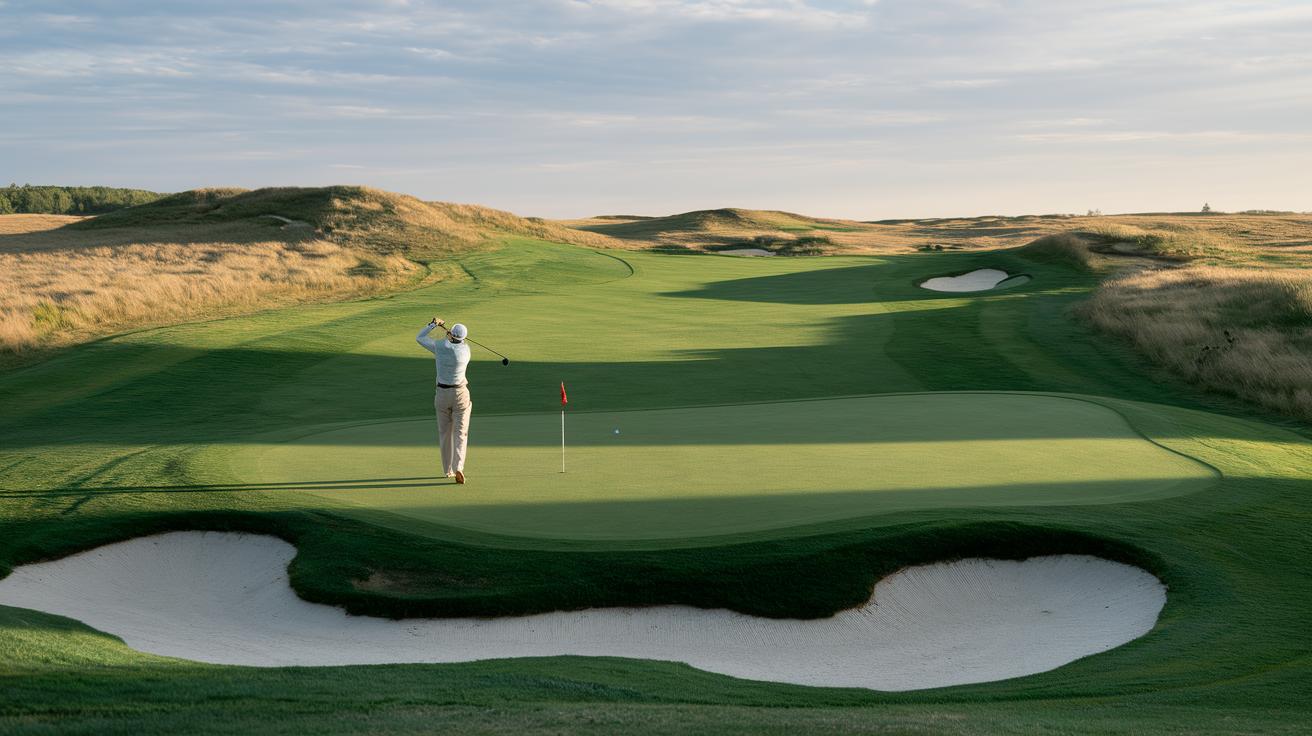
Across the nation, local mini-tours keep the thrill of golf alive all year long. Each tour sets its schedule to match local weather and preferences, letting fans enjoy nonstop action. For example, in North and South Dakota, the Dakotas Tour packs tight events that excite the community and give emerging players plenty of chances to shine.
Then there's the Asher Tour, known for its two-day, 36-hole events. With fees between $750 and $1,350, it’s perfect for players who crave fast, intense competition. The clear schedule lets golfers plan trips months ahead, adding to the anticipation of each match.
Down in the Southeast, tours like the Emerald Coast Tour and the Rolling Red Tour have carved out their own spots. The Emerald Coast Tour plays across Florida, Alabama, and Mississippi, while the Rolling Red Tour spans much of the Southern region. Meanwhile, the Florida Pro Tour features bigger events with prize purses ranging from $5,000 to $20,000 – and sometimes even up to $85,000 – which keeps fans buzzing about each upcoming contest.
Local tournament guides also highlight events like the BO Tour and West Florida Tour. The BO Tour typically gathers 20 to 35 players, and the West Florida Tour charges fees from $230 to $950 depending on event length. Plus, time-honored tours like the Carolina Mountain Tour and Moonlight Tour remind us that some traditions just never fade.
Tournament Finances in Minor League Golf Tournaments

Tournament finances set the stage for up-and-coming golfers. Entry fees, prize pools, and added costs like travel, lodging, and meals all play a part in the overall experience. This rundown brings together the main cost details from different tours so you can see what you're in for.
Looking at the numbers can help you balance what you might earn against the expenses you'll face. Here’s a quick breakdown:
| Tournament | Cost Details |
|---|---|
| All Pro Tour | $950 for members; $1,350 for non-members; season membership at $1,500 |
| Asher Tour | Entry fees range from $750 to $1,350 |
| West Florida Tour | Fees vary between $230 and $950 |
| Florida Pro Tour | Prize pools from $5,000 to $20,000; marquee events up to $85,000 |
| Minor League Golf Tour | Prize pools depend on field size, with players covering travel, lodging, and meals |
These clear financial details make it simple for players to compare tournament setups without wading through the same info over and over.
Emerging Player Profiles in Minor League Golf Tournaments

Minor league tournaments are where many budding pros first shine. Over 4,000 players on the Minor League Golf Tour grab their first wins here. These competitions let players challenge themselves while getting instant feedback, helping them hone skills that soon catch the eye of scouts and seasoned players.
Big moments from the Big Easy Golf Tour, with names like Gary Player, Ernie Els, and Louis Oosthuizen, show that success on mini-tours can open big doors. And then there’s Moonlight Tour veteran Patrick Sheehan, who’s racked up over 300 wins in two decades. His record speaks volumes about the hard work and dedication seen on these tours.
It’s not just about those legends. Epson Tour stars like Nelly Korda and Stacy Lewis kicked off their journeys here and raced to LPGA stardom. Lately, standout performances on the Asher Tour and Dakotas Tour have spotlighted fresh talent, sparking hope in a new generation of golfers who see every tournament as a step toward a long-lasting pro career.
How to Follow Minor League Golf Tournaments: Live Updates and Spectator Tips

Fans can keep up with minor league events online these days. You can use websites or phone apps where digital scorecards and live leaderboards show every shot as it happens. It’s just like hearing that crisp crack of the club right when the ball soars. One update might say, "The ball soared over the fairway," and you’d feel the thrill. Even the most dedicated fans trust these tools to catch every detail.
Ticket options change from place to place, so it’s smart to book ahead. Some shows have limited seats and special plans that let you get closer to all the action. Many fan guides suggest arriving early, taking a quick walk around the course, and checking the tee time schedule to make your day even more enjoyable.
And if you can’t be there in person, online streaming is a real winner. Some tournaments are streamed live on tour sites or social channels, giving you a clear, uninterrupted view of every round. Live commentary makes you feel like you’re right in the midst of the crowd, and tips on golf etiquette and instant score updates keep you in the loop. You even get close-up shots of each swing, making the whole experience come alive.
Evolution and Legacy of Minor League Golf Tournaments

Mini-tours did more than just spark competition. They turned local clubs into lively meeting spots where fans, clubs, and businesses all came together. Tours like the Carolina Mountain Tour and Moonlight Tour weren’t just showing off talent, they were changing the way tournaments worked. Back when big tours weren’t the norm, local clubs became the proving ground for raw skill and neighborhood pride. Organizers tweaked scoring and formats to encourage creative play that felt fresh and welcoming.
These events gave players a taste of real match pressure in a friendly setting. Local venues buzzed with energy as families and friends gathered to cheer on up-and-coming stars. Plus, changing the tournament structure meant the schedule fit better with what locals loved, easing players into bigger competitions. This blend of grassroots spirit and innovative ideas continues to shape how tomorrow’s pros get ready for the big leagues.
Final Words
In the action of this breakdown, we explored the ins and outs of mini-tournaments, from formats and cost details to epic live updates and standout player profiles. Each section showed how these events pave a pro pathway while fueling the golf scene with fresh talent and intense competition. Minor league golf tournaments keep sparking excitement, blending tactical play and real passion on every course. The passion for the sport is vibrant, leaving us all eager for the next round and the new stories they bring.
FAQ
What are the Minor League Golf Tour results?
The Minor League Golf Tour results show performance details from stroke-play events, highlighting standings and scores achieved by players. They help track emerging talent and upcoming winners.
Where can I find minor league golf tournaments near me, such as in California or Florida, including the West Florida Golf Tour?
The locations of minor league golf tournaments vary by region. Check official tour websites and local guides to find events in California, Florida, or on the West Florida Golf Tour.
Which tournaments are considered the best among minor league events?
The best minor league golf tournaments attract strong competition and offer solid prize pools. Tours like the Minor League Golf Tour, Big Easy Golf Tour, and West Florida Tour are popular choices.
Who are some standout Minor League Golf Tour players?
Standout Minor League Golf Tour players show consistent skill and performance. Many competitors on the tour have used it as a springboard to launch successful careers on bigger professional circuits.
How do you qualify for a minor league golf tour?
Qualifying for a minor league golf tour generally requires meeting entry fee, age, and amateur status conditions. Players must register, pay fees, and often complete preliminary rounds or criteria.
What tour is considered below the PGA?
The tour below the PGA is often made up of mini-tours and developmental circuits like the Minor League Golf Tour, which provide a competitive stepping-stone for players aiming to break into higher-level events.
Can anyone play in amateur golf tournaments?
Amateur golf tournaments invite any qualified player who meets basic entry fee and eligibility requirements. These events offer a chance for newcomers to enjoy competition at a local level.
What are the top junior golf tournaments?
Top junior golf tournaments spotlight young talent in highly competitive settings. They provide exposure and competitive experience that help young players progress towards professional careers.