

Ever think about how a radio broadcast can give a sport its heartbeat? For years, live play-by-play has made golf feel like a shared adventure. Every word on air draws a clear picture, letting you feel the thrill of each swing, almost as if you were there. Back when fans could only listen and imagine, those words turned golf into a lively story full of passion and warm details. Radio commentary has not only kept fans close but also turned golf into a lasting, joyful celebration.
Radio Commentary’s Role in Shaping Golf Culture

Live radio play-by-play remains a key part of golf, turning it into a shared experience. Fans can feel every swing and putt as if they were right there on the course. It’s a lot like tuning in for every thrilling moment on Tiger Woods’ tour back in the mid-1990s or listening for those close, personal updates during the COVID-19 days when everyone’s passion for golf came alive.
On air, radio hosts spoke with energy and simple words. They chatted about swing tips, game plans, and the ups and downs of every hole. One might even say, “Feel the crisp crack of the club as the ball soars, a sound that tells a thousand stories.” Their lively words made it easy for us to connect with the game and feel part of the story.
This fresh way of telling the game changed golfing traditions. Live radio brought the action to fans far from the course, showing that golf is more than a sport, it’s a real-life drama filled with heart and soul. With each broadcast, radio weaves a story that keeps golf’s legacy strong and alive.
Historical Evolution of Golf Radio Commentary
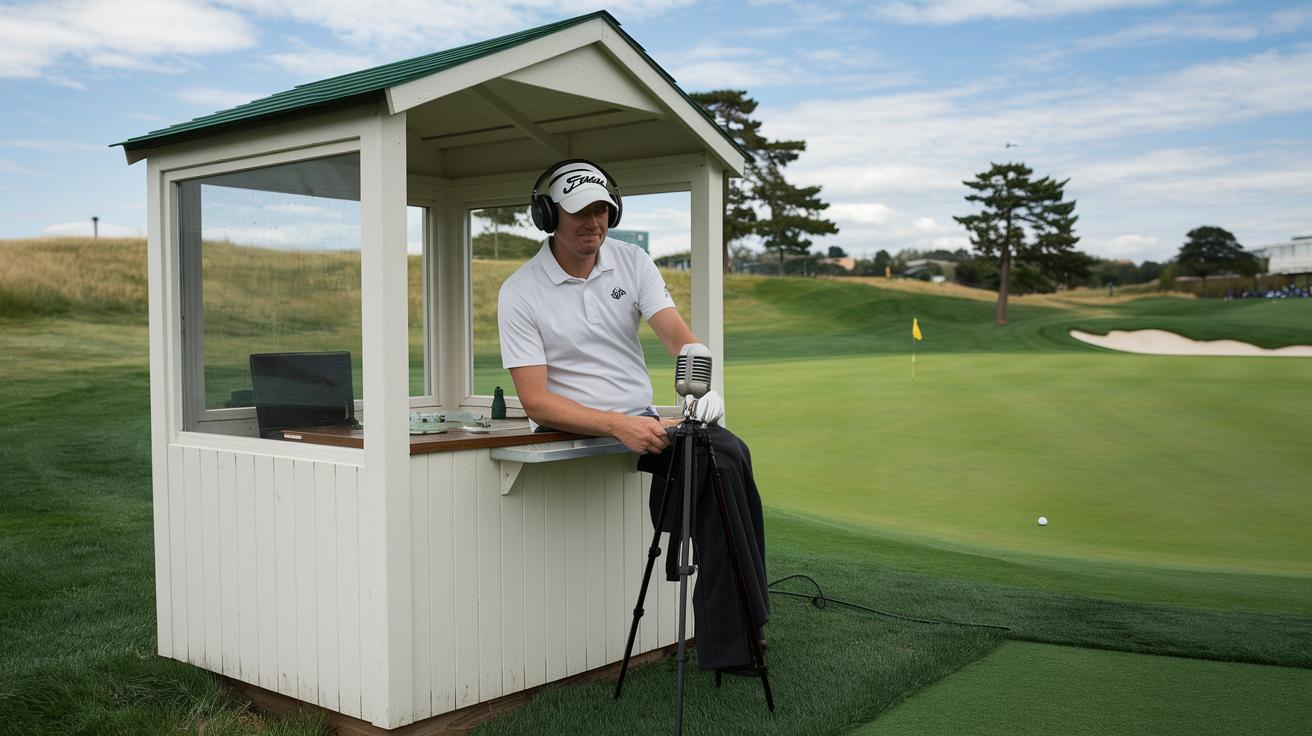
Early Golf Radio Broadcasts
Back in the 1920s, radio brought golf right into people’s homes, cars, and workplaces. Broadcasters set up simple gear on-site and described every tee-off and putt in real time. Their raw excitement made listeners feel like they were on the course with them. Imagine a reporter saying, "Before he was famous, his voice came from a small radio shack, catching every birdie call and crowd hum." Fans loved these vivid descriptions that captured the match’s high and low moments.
Expansion during the Golden Age
From the 1960s to the 1990s, golf radio commentary grew into a top-notch storytelling art form. FM stereo broadcasts and nationwide networks changed the game, letting fans enjoy crystal-clear calls like a perfect drive down the fairway. Dedicated golf shows became the norm, and every play was explained in a way that made it easy to follow. Big spikes in listeners came with icons like Tiger Woods and even during the COVID-19 lockdown in 2020, sparking a national passion for the sport.
| Era | Key Developments |
|---|---|
| 1920s-1940s | Simple live broadcasts and on-site commentary |
| 1960s-1990s | Nationwide reach, FM stereo sound, clear play-by-play |
Narrative Techniques and Tonal Styles in Radio Golf Commentary
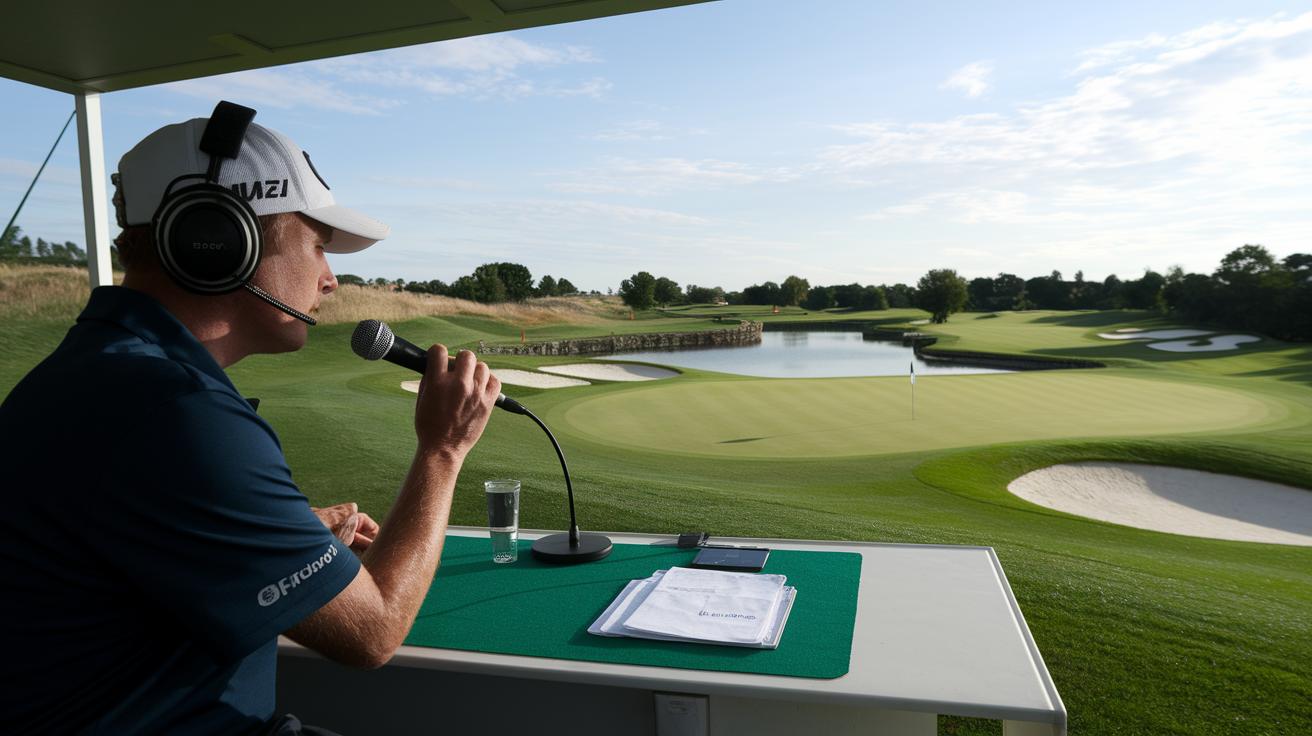
Radio hosts know how to spin a tale while calling a game. They use their voices like brushes, creating sound scenes that let you feel every swing and every cheer. With the right pace and tone, each call builds the excitement step by step. Imagine a commentator describing a tough putt: "That putt was so close, silence turned into cheers in a heartbeat." A small change in tone can turn an ordinary play into an unforgettable moment.
Their storytelling blends careful planning with on-the-spot excitement. They pick just the right time to speak faster or slow down, matching the game’s ups and downs. When a player swings for a big shot, the shift in tone shows the pressure ticking in. It feels like you’re right there on the green, sharing in the thrill.
Today’s golf media isn’t just about play-by-play anymore. It’s now packed with gear reviews, lifestyle tidbits, and cultural chatter. This mix keeps true to radio’s style of detailed, personal storytelling. Modern commentators share their own insights and background stories as they go. Their natural, easy style adds context and personality, keeping fans hooked whether it’s a record drive or some fun clubhouse banter.
These classic techniques still shape how we celebrate and understand golf. Every broadcast becomes a rich mix of sound and feeling, drawing listeners into the heart of the game.
Radio Commentary’s Influence on Fan Engagement and Perception

Radio shows pull you right into the heart of the game. With every swing and putt, the live commentary makes you feel like you're on the course. The clear, upbeat tone and lively storytelling keep you on the edge of your seat, whether it's a nail-biting playoff or a calm round on a sunny day.
Live analysis on air, complete with fun catchphrases, paints a colorful picture of the game. Picture a commentator shouting, "That shot was pure magic!" at just the right time. It turns an ordinary moment into one you'll remember.
Radio also builds a strong sense of community. Fans share these moments and feel connected, even when they’re tuning in from different places. The mix of radio with platforms like YouTube and Instagram brings a fresh twist that even young fans enjoy. Even if many follow the latest clips online, nothing beats the warm feel of a live radio call.
Listeners remember those familiar voices and the steady rhythm of the commentary with every drive and putt. This friendly style makes fans feel like they really know the broadcasters. With detailed play-by-play insights and little behind-the-scenes tidbits, radio keeps a diverse crowd of fans coming back.
Simple touches like recalling past game highlights and playful banter during matchups turn every broadcast into a chance to relive the satisfying crack of the club and the burst of cheers from the crowd.
Radio vs. Television and Digital Formats in Golf Coverage

Radio brings a unique, all-audio experience to golf. Unlike TV, which fills your eyes with moving pictures, radio catches your imagination. Imagine a call like, "That shot was poetry in motion!" where every word builds a picture of a tight putt and a roaring crowd. It fills your mind with sounds and feelings that pull you right into the action.
Radio came before both TV and online media. Back then, a warm, live play-by-play was the best way to share the game. Its simple, clear language brought the game into homes and cars long before video showed up everywhere. While TV thrills with its bright images and digital sites let you watch short clips, radio uses its well-chosen words and storytelling to pull fans in deep.
Digital media now offer live tweets and quick highlights. But they often miss the gentle mood swings that seasoned radio experts deliver with perfect timing. Radio’s sound storytelling has helped share the spirit of golf for decades. Its power to build suspense and bring the game to life shows that sometimes, just words can capture the heart of golf.
Expert Voices and the Legacy of Golf Radio Announcing
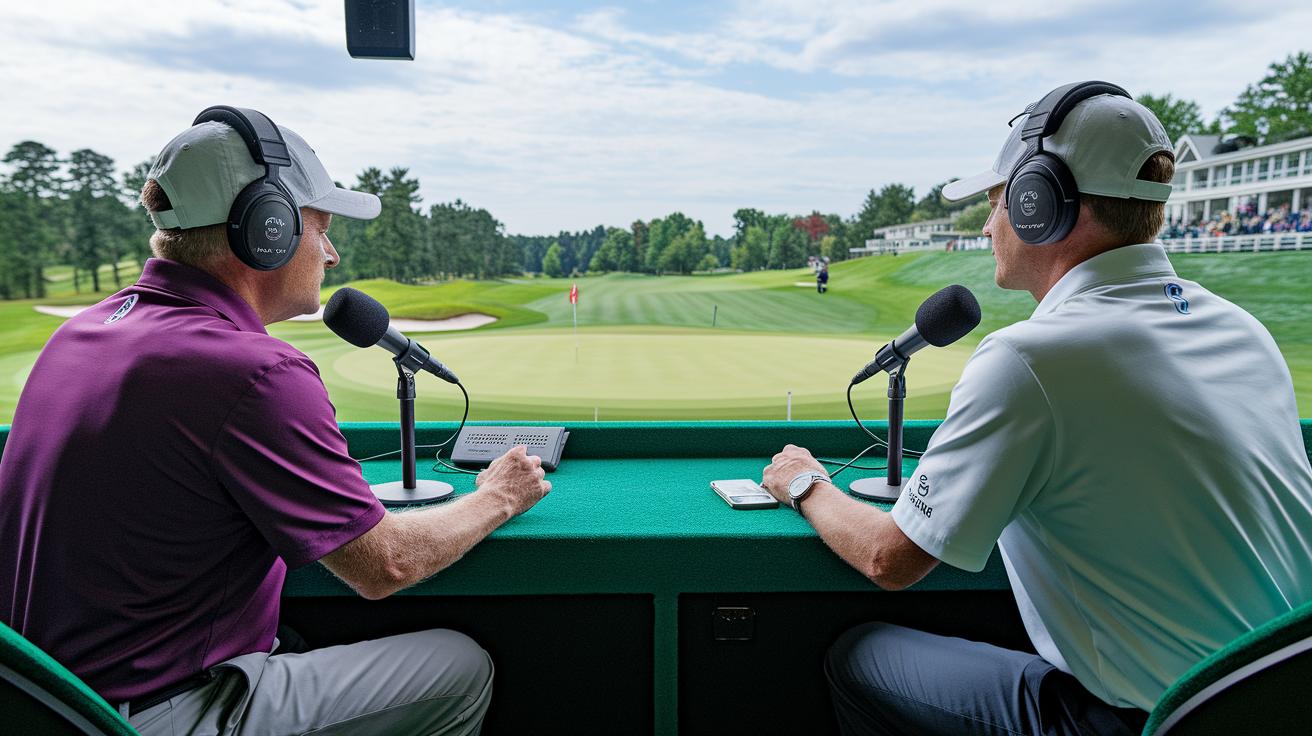
Radio announcers have long set the pace for golf lovers everywhere. Back in the day, they brought the game to life with clear and lively words. Imagine a broadcaster exclaim, "That swing was poetry in motion!", simple and vivid, like a scene you can almost see. Today’s hosts mix that timeless charm with a modern twist, much like new voices reshaping the talk on the course.
These folks do more than just call the shots. They share stories, personal nods, and even a bit of humor, making each perfect drive and tense putt feel real. Every gentle change in their tone makes fans feel like they’re right there on the green.
The blend of classic talent and fresh voices not only boosts the listener's experience, but it also sways sponsor choices and broadcast styles. As new stars join the lineup, keeping the balance between old traditions and modern insights is key. Every show honors the pioneers whose voices still beat at the heart of golf today.
Final Words
In the action, radio commentary has made golf more exciting with its lively, real-time storytelling.
The blog recapped early broadcasts, the golden age of radio, and the creative voice techniques that brought fans closer to the game.
It also showed how these calls have shaped listener impressions and deepened community ties.
The impact of radio commentary on golf culture remains strong, keeping the spirit of the sport fresh and engaging, swing after swing.
FAQ
How does radio commentary impact golf culture?
The impact of radio commentary on golf culture is clear in its ability to bring live play-by-play to fans, create engaging audio experiences, and build a shared passion among listeners.
What is the positive impact of radio commentary on golf culture?
The positive impact lies in making golf accessible, sparking excitement via vivid descriptions, and strengthening community bonds by connecting fans through shared, live experiences.
What is the negative impact of radio commentary on golf culture?
The negative impact may include a lack of visual detail, which can sometimes lead to simplified analysis and missed nuances compared to visual media.
How did radio impact culture?
Radio impacted culture by forming a link between live events and listeners, creating immersive experiences that provided real-time excitement and community connection.
Why is it called radio golf?
It is called radio golf because the sport is broadcast live over the airwaves, where listeners rely on play-by-play narration to visualize the game without seeing it.
How does radio golf end?
Radio golf ends with a clear wrap-up, as the commentator summarizes key moments, announces the final score, and ensures that listeners understand the match outcome.