

Have you ever thought your voice could change the game? Imagine calling every chip and putt like you’re right there on the green. Being a golf commentator is a lot like working on your swing, you need practice, training, and a clear plan. This guide shows you how a background in communications along with hands-on experience can set you up for that winning call. So, are you ready to turn your love for golf into a career that truly scores? Let’s take that first step toward the broadcast booth.
Roadmap to Becoming a Golf Commentator: Essential Career Steps

If you're dreaming of calling the shots on the green, start by earning a four-year degree in communications, sports journalism, or broadcasting. This gives you a solid base and opens doors to the industry. You'll get plenty of practice speaking in front of others through mirror drills or live events. That live experience helps make your delivery smooth and keeps those awkward "um"s out of your game.
Early opportunities like college internships can be real game changers. They let you get your feet wet and build solid connections. Plus, summer internships at radio or TV stations provide hands-on practice that builds your confidence. It’s like getting a practice swing before your big tournament.
Building a demo reel is key too. Think of it as your highlight reel, a collection of crisp live segments, brilliant recorded plays, and well-crafted video analyses. Creating at least 30 articles and video pieces on golf topics shows you know your stuff and builds your credibility.
Always be ready to reach out to professionals in the field. A quick message about your goals can spark new opportunities. This proactive approach not only sharpens your skills but also puts you on the radar of golf media insiders.
- Earn a bachelor’s degree in communications, sports journalism, or broadcasting.
- Practice your public speaking through mirror drills and live events.
- Grab summer internships for real-world experience.
- Build a demo reel with live and recorded segments.
- Produce at least 30 golf articles or video analyses.
- Connect with industry pros to grow your network.
- Learn about broadcast equipment and how signals travel.
Follow these steps, and you'll build a clear path from the classroom to the broadcast booth. Soon enough, you could be delivering live play-by-play with a confident, steady voice that keeps fans on the edge of their seats.
how to become a golf commentator: win big
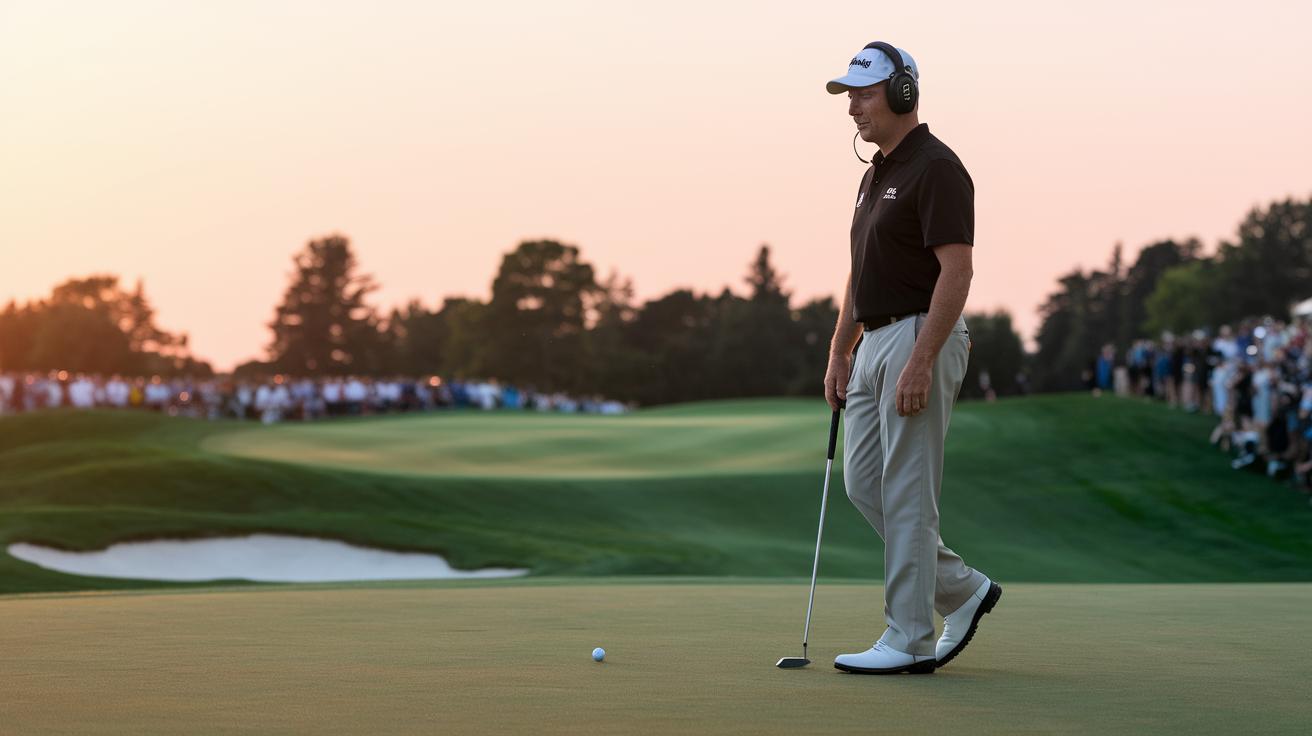
If you want to call golf events on TV, start by earning a bachelor’s degree in communications, sports journalism, or sports broadcasting. These courses, including media law, ethics, and digital production, help sharpen your speaking and writing skills for live broadcasts. Did you know that many top commentators got their start in programs that simulated real live reporting? It’s true and a great way to build a strong foundation.
Next, consider joining golf commentary workshops and athletic narration seminars for some real hands-on practice. Imagine calling the final moments of a championship game, keeping your voice clear, lively, and engaging. Certifications in audio reporting or broadcast journalism can also polish your skills, helping you stand out in a competitive market.
Choosing the right program means matching your career goals with courses that mix solid theory with practice. Look for programs that include mock broadcasts and live commentary drills. This mix builds your confidence and ensures you’re ready to meet the fast-paced demands of a live golf commentary career.
Mastering On-Air Skills for Golf Commentary

Getting your on-air game tight means sounding smooth and confident. Start by practicing in front of a mirror or taking real speaking gigs so you can ditch filler sounds like "um" or "ah." Voice coaches always say that exercises for breath control, clear speech, and a lively range can really make a difference. Here’s a fun fact: before reaching the pro level, a famous commentator put in hours of mirror practice to turn shaky talk into a crisp call.
Regular practice with mock broadcast scripts helps you nail the pacing, tone, and shifts needed during live coverage. This steady routine is like warm-up swings before a big drive, building your confidence and readying you for the quick pace of live golf events.
- Practice mirror drills to cut out filler words.
- Do breath control exercises with a coach’s guidance.
- Work on articulation drills to boost clarity.
- Try dynamic range workouts to add tonal variety.
- Run mock broadcasts to get your pacing right.
- Record and review your sessions to see your progress.
These drills lay a solid foundation for on-air performance. When you step into the broadcast booth, you’ll notice that these exercises help you handle the pressure and buzz of live commentary. They train you to shift your tone on the fly and keep your call engaging from start to finish. The improved vocal skills can be the difference between a standard update and a call that really pulls viewers in.
Gaining Real-World Experience as a Golf Commentator

Summer internships are your ticket to pitching fresh ideas to local radio or TV. You can suggest fun angles, like exploring a club’s history or uncovering hidden local talent, and don’t hesitate to ask behind-the-scenes questions. For instance, try proposing a segment on a local pro’s underdog journey, capturing the kind of surprise that makes a live call feel as thrilling as a hole-in-one.
Building a solid demo reel is key. Mix things up with written pieces, video breakdowns, or recorded opinion spots to show off your knack for calling tournaments. Kick it off with a cool fact, say, “I was the first to call a hole-in-one live at a local tournament, and the crowd’s reaction was unforgettable.” This approach highlights your insight while keeping a personal touch.
Live streaming is another great way to hone your skills in real time. Bring your ideas to a local community station and record your sessions to see where you can get even better. Share your wins, like handling unexpected on-air moments, and keep sharpening your presentation as you gain more hands-on experience.
Building a Professional Reel and Broadcast Portfolio

Put together a 2–4 minute demo reel that features your best live calls, game analysis, and on-camera interviews. Pair these lively clips with sharp broadcast scripts to show off your storytelling and dialogue skills. This brief portfolio proves you can make golf action pop while keeping things clear and engaging.
- Tournament play-by-play highlights
- Easy-to-follow analysis segments
- Fun on-camera interviews and co-host banter
- Short, clear instructional pieces
- Energetic broadcast scripts
Review your reel by trimming and stitching clips for a smooth flow. Then, share your polished portfolio with media pros to open doors in golf commentary and show you can call the game live.
Deepening Golf Expertise for Insightful Commentary
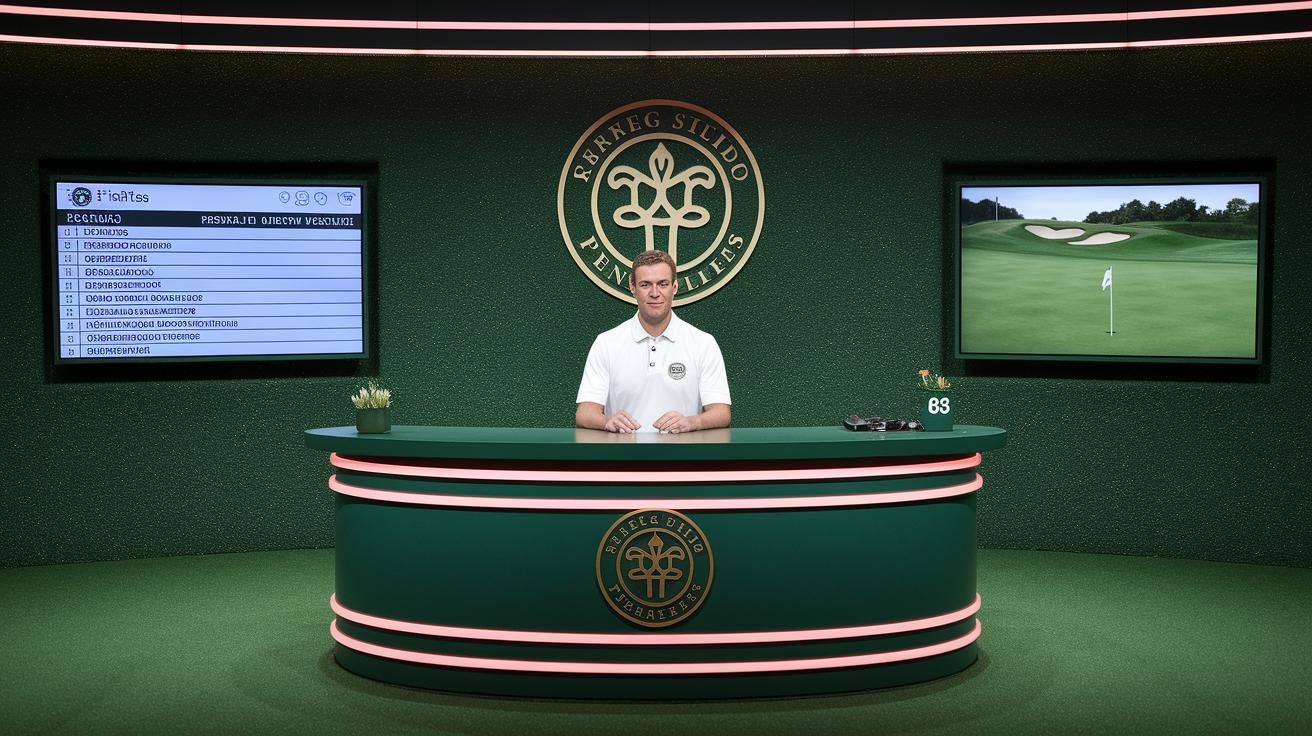
To start your journey as a trusted golf commentator, you must know the rules inside out. Study scoring and penalty guidelines from trusted sources like the USGA and R&A. Imagine breaking down a tricky penalty with the same clear style as detailing a perfect drive. That kind of skill really sets you apart when you're live on air.
Next, dive into the stories behind major tournaments. Picture lively chats over a captain's pick or the teamwork seen during the Ryder Cup. Knowing these tales and team dynamics helps you add extra flavor to your commentary, like sharing insider secrets that make every call more engaging.
Then, get familiar with the numbers side of golf. Learning stats such as driving accuracy and greens in regulation (which means hitting the green in as few shots as possible) adds a whole new layer to your analysis. By turning raw stats into real stories, you help fans see the game in a fresh, relatable way.
Technical Know-How: Broadcast Equipment and Signal Delivery

Every great golf commentator first learns the ins and outs of his gear. You’ve got microphones that come in two main types: dynamic mics for handling loud sounds robustly and condenser mics that pick up softer details. Mixing consoles and digital audio tools work hand-in-hand to keep every call crisp, much like a well-hit tee shot echoing perfectly across the course.
When you’re setting up for a remote broadcast, having the right broadcast kit is key. You need to know how to set up encoders, transmitters, and even backup connections. It’s a bit like lining up your swing, make sure everything is adjusted right so the broadcast flows smoothly from start to finish.
And don’t forget troubleshooting. Always check your audio levels, test for any interference, and polish your post-production edits. Fixing small issues fast is just like adjusting your grip mid-shot, it keeps things professional and engaging. With regular practice, you’ll handle any hiccup on-air as smoothly as your best drive.
Networking and Relationships in Golf Broadcast

Start by reaching out and chatting with golf media pros. Ask smart questions and set up quick, friendly interviews. If you get a chance to speak with an experienced reporter, share a little story, maybe how practicing play-by-play in front of a mirror boosted your confidence. This honest curiosity really goes a long way in building a solid network.
Next, attend golf events, media mixers, and seminars. These outings are great for linking up with producers, broadcasters, and behind-the-scenes insiders. Chat casually, swap ideas, and let your love for the game shine through, just like discussing that perfect clutch shot during a fun round on the course.
And don’t forget to be clear about your career goals. Let folks know you’re ready to jump in when needed. After an event, send a quick thank-you and express interest in further chats. This friendly follow-up and readiness to help only make your commitment to golf broadcasting even stronger.
Launching Your Golf Commentator Career in Media Outlets

Start your journey by checking out niche internships on digital platforms. Look at job boards like jobs in golf industry to find that perfect opening. I once grabbed an internship on a digital site that really boosted my commentary skills. Even a small break can open up big doors.
When it comes to pitching your ideas, keep things fresh and fun. Think about proposing segments that shine a light on digital highlights or live commentary that feels new and exciting. Imagine suggesting a show like "Digital Drive: Behind the Scenes of Streaming Golf Highlights" to connect with tech-minded fans. It’s a smart way to show you're ready to shake things up.
Also, invest in your future by seeking out mentors and joining workshops that focus on new media tools. Track your growth and be open to learning fresh production tricks that work in the digital space. With a clear plan and constant learning, you'll build a path toward exciting, advanced opportunities in golf commentary.
Final Words
In the action, we've outlined the key steps toward breaking into golf commentary, from solid education and hands-on practice to real-life internships and a polished demo reel. The guide breaks down everything you need, including sharpening your on-air skills, mastering technical tools, and building lasting industry connections. Save these insights as you work on your dream. Stay driven and positive as you explore how to become a golf commentator, ready to seize every opportunity that comes your way.