Home Blog Page 8

Kids Golf Clubs Spark Fun & Happy Swings

0

Have you ever noticed how the perfect club can make practice pure joy? Kids' golf clubs are made just right for little hands, sparking a love for the game from the very first swing.

Whether it’s toddler clubs under 30 inches or junior sets designed to build a solid drive, these clubs keep fun in the spotlight. They help every young player feel confident, grow their skills, and enjoy each happy swing on the green.

Kids golf clubs Spark Fun & Happy Swings

img-1.jpg

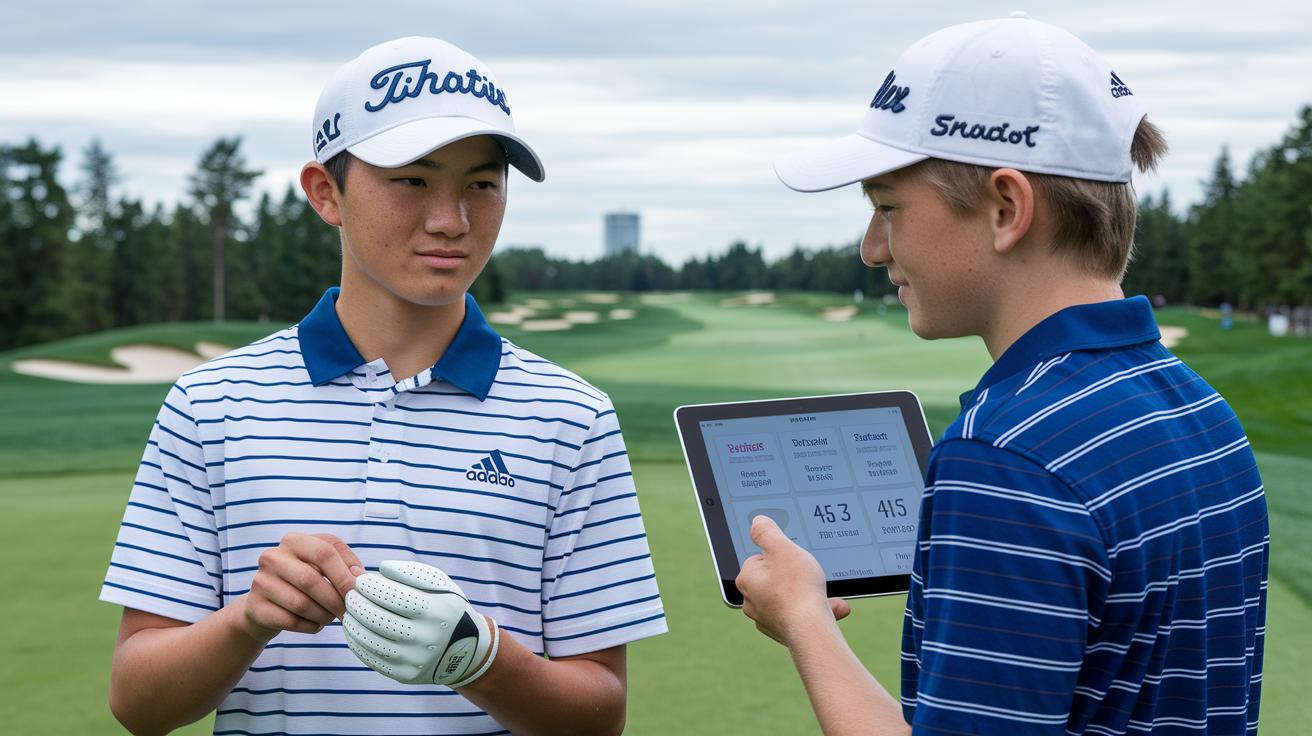
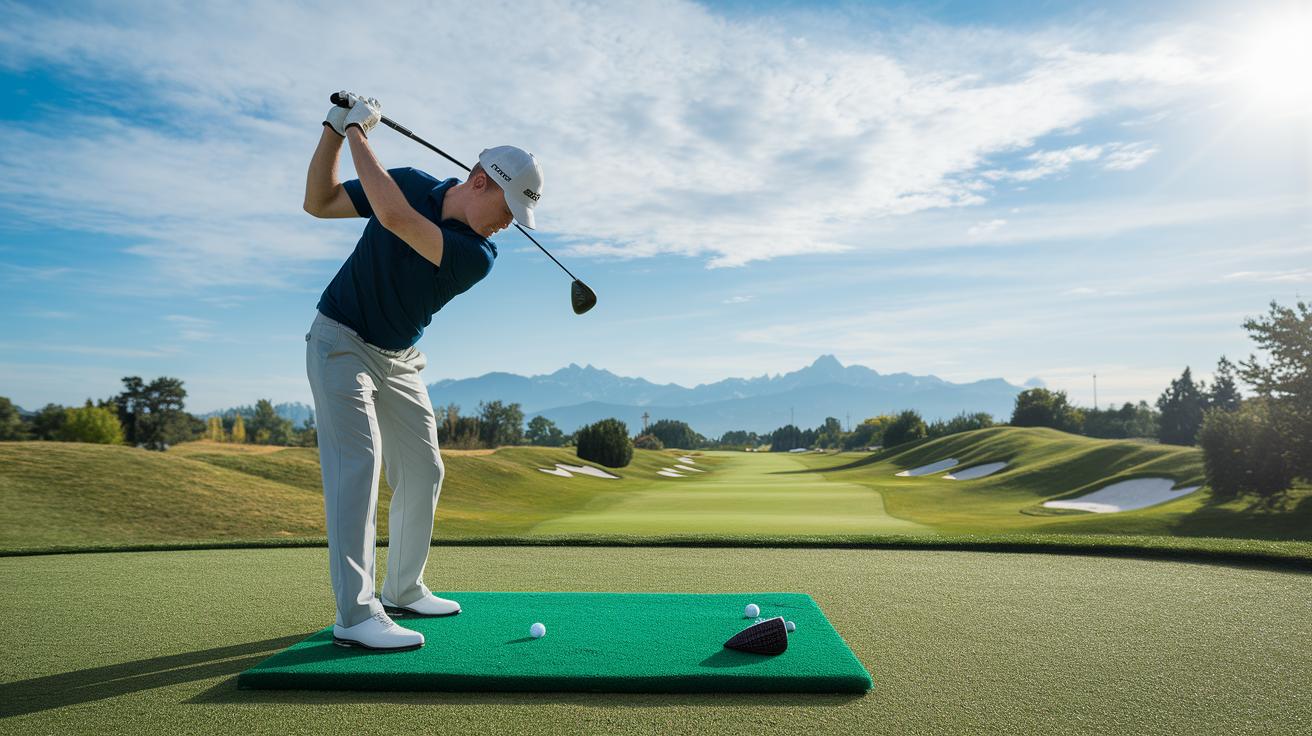
For little golfers, club sets come in many sizes to make every swing fun. Toddler clubs measure between 21 and 27 inches and include light stainless steel irons, putters, and an aluminum driver. Their matching golf bag is just right, standing 21.5 inches tall with a 4-inch opening, weighing only 1 lb 7 oz, and holding 3 to 4 clubs. It’s the perfect starter kit for kids trying golf for the first time.

Junior sets are made for players aged 5 to 8 and range from 46 to 53 inches. Many beginners start with a 48-inch Player Height Yard Club that makes learning easy. And when a young golfer is ready for a bit more challenge, the Ultralight series helps them hit shots higher, farther, and straighter.

The full junior lineup features 46 items. This lets you easily filter clubs by height (60 to 63 inches), handedness, club system, color, type, shaft, and condition.

Picture a young golfer nailing the perfect swing with a club that fits just right, turning a simple drive into a moment of joy.

Altogether, this range of clubs makes sure every young player finds the perfect fit to spark fun and happy swings on the course.

Fitting and Sizing Guide for Kids Golf Clubs

img-2.jpg

Clubs for Ages 3–5

Kids aged 3 to 5 get toddler clubs that measure from 21 to 27 inches, perfect for those under 45 inches tall. They even come with a bag that opens to 4 inches. It’s a warm welcome to golf, like your very first smooth swing on a bright day.

Clubs for Ages 5–8

For children between 5 and 8, junior sets range from 46 to 53 inches. Many beginners love the 48-inch club for its perfect balance. It’s designed to help young golfers develop a smooth swing with just the right weight and feel.

Sets for Ages 9–12

Young players aged 9 to 12 enjoy ultralight clubs that are typically 60 to 63 inches long. These clubs use light materials so kids can focus on a consistent swing without any extra strain.

Complete Sets for Ages 12–14

The epTOUR collection is made just for players aged 12 to 14. This kit includes custom drivers and putters that ease the transition to adult clubs, helping to build stronger swings as skills grow.

Age Group Club Length Notes
3–5 21″–27″ Toddler clubs for kids under 45 inches
5–8 46″–53″ Balanced clubs, with a popular 48-inch option
9–12 60″–63″ Ultralight design for a steady swing
12–14 Custom epTOUR range for growing skills

Top Kids Golf Club Sets Reviewed and Compared

img-3.jpg

Using our size and fit guide, we break down each club set to show what makes them special. We highlight key benefits, share some tips, and offer clear advice to help you pick the best set for your little golfer.

Below is an easy-to-read comparison of prices and features:

Set Name Age/Height Materials & Features Price Tier
Toddler Club Set <45″ Steel irons/putter, aluminum driver, canvas/leather bag Affordable
Junior Set (5–8) 46″–53″ Lightweight irons, padded strap bag Mid Range
48″ Yard Club 48″ Entry-level training club Budget
Ultralight Package 60″–63″ High-launch design Mid Range
epTOUR Range Varies Custom drivers & putters Premium

Here’s a quick look at the pros and cons for each set:

  • Toddler Club Set
    Pros: Built tough at a great price, making it perfect for those first swings.
    Cons: Its basic design might not keep up as your child’s swing develops.
    Example: Think of it as a starter club that can handle plenty of practice.

  • Junior Set (5–8)
    Pros: Lightweight irons paired with a padded bag make it comfy for longer play and early swing practice.
    Cons: Limited adjustability means it might not grow with your golfer’s skills.

  • 48" Yard Club
    Pros: A balanced, budget-friendly choice that builds early confidence with its simple, user-friendly design.
    Cons: It lacks extra features that advanced players might want later.

  • Ultralight Package
    Pros: Designed for high launches, which older juniors can use to add distance and speed to their game.
    Cons: The higher price might not fit every budget.
    Example: Imagine a club that sends the ball higher and straighter, ideal if you’re ready to level up.

  • epTOUR Range
    Pros: Offers custom drivers and putters made for precision and advanced performance.
    Cons: Its premium cost means it’s really for those serious about perfecting their technique.

This guide mixes our fitting tips with practical reviews so you can make the best choice for your young golfer.

Specialized Training Clubs for Young Golfers

img-4.jpg

Young golfers always remember the thrill of that very first swing. One young fan said, "When I swung, it felt magical; the ball soared, and I knew I was on my way." Coach Mike Reynolds adds, "These clubs help build not just your swing, but wonderful memories."

Beginners find that an entry-level club creates a special first connection. Here are a few simple tips to get started:

  • Hold the club with a relaxed grip
  • Practice a smooth, steady swing
  • Enjoy every small win

As players progress, intermediate clubs boost both distance and control. One player recalled the excitement of watching the ball fly farther than ever before. That moment truly changed everything on the course.

For elite young golfers, performance-driven gear sharpens skills and eases the move to higher-level play. Coach Lisa Carter says, "It's incredible to see young players break local records with the perfect club in hand." These clubs aren’t just tools, they become a cherished part of every young golfer’s story on the green.

Kids Golf Clubs Buying Guide: Tips for Parents

img-5.jpg

When you’re shopping for kids golf clubs, it’s all about finding the right match for your child’s height, age, and swing style. These clubs are built for young players and come with features that help them swing with confidence, much like picking out the perfect bat for little league. Look for clubs that can grow with your child, choose materials like steel or aluminum for durability, and make sure the grip fits those small hands.

Next, here’s a simple checklist to guide your shopping:

  • Measure your child’s height before buying clubs
  • Choose clubs with adjustable lengths so they can grow into them
  • Pick lightweight materials for easy, smooth swings
  • Match the grip diameter to your child’s small hands
  • Ensure you select the correct right- or left-handed model
  • Weigh the benefits of affordable models against premium features
  • Consider a training club to help build skills

It’s a smart idea to try the clubs first to see if they fit well. Also, check the return policy so you know you can easily exchange if needed. Enjoy the process, finding the right clubs can really boost your child’s love for the game!

Care and Maintenance for Kids Golf Clubs

img-6.jpg

After each round, give your clubs a gentle wipe-down using a soft cloth and a bit of warm water. This simple step sweeps away dirt and moisture that might cause rust. Make sure you dry the clubs completely, damp spots can slowly weaken the metal.

Keep the clubs safely in a padded bag and stand them upright so the shafts stay straight. It's an easy trick that helps the clubs stay in good shape for those fun swings. Also, check that the bag is clean; dust and spills can cause extra wear.

Every 10 rounds, take a closer look at the grips. Watch for any cracks or signs of wear, and if they seem rough or damaged, go ahead and replace them. And remember, don’t overpack the bag to avoid putting extra pressure on the shafts.

Lastly, steer clear of extreme temperatures. Whether your clubs are in a hot car trunk or a cold storage unit, harsh heat or cold can hurt them. Teaching your kids these basic care tips early sets them up for a lifetime of fun and safe swings!

Where to Purchase Kids Golf Clubs: Retail and Online Outlets

img-7.jpg

When it comes to picking out kids golf clubs, there are loads of solid options. You can find brand-new clubs at big golf stores, specialty shops that focus on junior gear, and even buy straight from the makers. Big sporting goods stores sometimes offer special sales during certain seasons, giving you a chance to snag quality gear at a good price. You can look around and compare different choices to make sure you pick clubs that fit your child’s level and budget. Sometimes, you even get bundled deals that include lessons and gear, which makes the deal even sweeter.

If you're open to buying pre-owned clubs, there are plenty of cost-effective options that still give you great quality. Many trusted outlets check these used clubs to make sure they work well. So, for serious discounts, check out certified pre-owned stores. There are even financing plans available, so families can invest in clubs as their child's skills get better. Whether you shop in a store or online, a bit of research helps you find the perfect match for any young golfer.

Also, be sure to use trusted websites when shopping for used clubs or browsing golf club makers online. These sites usually provide clear details and customer reviews, making your decision smooth and informed.

Final Words

In the action, we've seen a clear look at the lineup of kids golf clubs meant to suit each age and height. The guide broke down fitting tips, specialized training options, and easy maintenance steps for top performance on the course.

Each section offered insight into choosing the right set, from toddler clubs to advanced epTOUR options. It's an exciting time for young golfers, with plenty of choices to match every swing. Enjoy every moment on the green!

FAQ

What junior golf clubs are available for toddlers (ages 3–5)?

Junior golf clubs for toddlers are sized from about 21″ to 27″ with lightweight steel irons and aluminum drivers. They come with small bags that suit little hands and help with easy swing control.

What junior golf clubs work best for ages 5–8?

Junior clubs for ages 5–8 feature lengths between 46″ and 53″ and include lightweight irons with padded bags. They are designed for comfortable swings and help young players build a solid game.

What options exist for junior golf clubs for ages 9–12?

For kids aged 9–12, options include Ultralight sets that cater to heights of 60″ to 63″. These clubs are built to boost launch angles and improve shot accuracy for budding golfers.

Are there U.S. kids golf clubs available?

U.S. kids golf clubs are available through major retailers and online sites, offering age-suited, performance-tested options that meet the needs of young golfers across the country.

Where can I find kids golf clubs near me and at Dick’s?

Kids golf clubs are sold at local sports stores and Dick’s Sporting Goods. Visit your nearest store or their website to check out the latest junior club sets designed for young players.

How do I choose the right junior golf clubs for my child?

Choosing the right club set means matching the clubs to your child’s height and age, opting for adjustable lengths, lightweight builds, proper grip sizes, and features that fit their skill level.

Disc Golf Tournaments: Thrilling Dates And Venues

0

Have you noticed how disc golf tournaments are the talk of the town? This sport mixes quick thinking with careful throws, making every event feel like a fun battle for players of all levels.

This guide lays out the tour dates, places, and easy sign-up tips by region. So whether you want to play near home or try your skills on a global stage, you’ll get all the info you need. Mark your calendar and get ready for some exciting disc golf action!

Upcoming Disc Golf Tournaments: Dates, Locations & Registration Details

img-1.jpg

If you're ready to hit the course, this page is your one-stop guide to upcoming disc golf tournaments. We break things down by region, Canada, the United States, and International, so you can quickly find events near you.

Every listing shows dates, venues, and registration windows, making it easy to spot when your next tournament is coming up. Whether you're eyeing a local matchup or a big international championship, you'll see clear details like sign-up dates and entry fees.

We’ve organized the events by region for a simple, no-fuss look at tournaments. Key details like schedules and registration steps are easy to find, so you always know when and where to play.

Tournament Name Date Location Registration Link
Spring Swing Open May 15, 2023 Toronto, Canada Sign Up
Summer Fairway Classic June 20, 2023 Orlando, United States Register Now
Autumn Ace Challenge September 10, 2023 Denver, United States Sign Up
International Disc Duel October 5, 2023 Berlin, International Register Now
Winter Wind Open December 12, 2023 Vancouver, Canada Register Now

Be sure to watch those registration deadlines so you can lock in your spot early. Signing up ahead of time not only saves you from last-minute hassle but also helps you dodge any extra fees. Mark your calendar and enjoy getting ready for a round of exciting disc golf action!

Regional Disc Golf Tournament Calendars

img-2.jpg

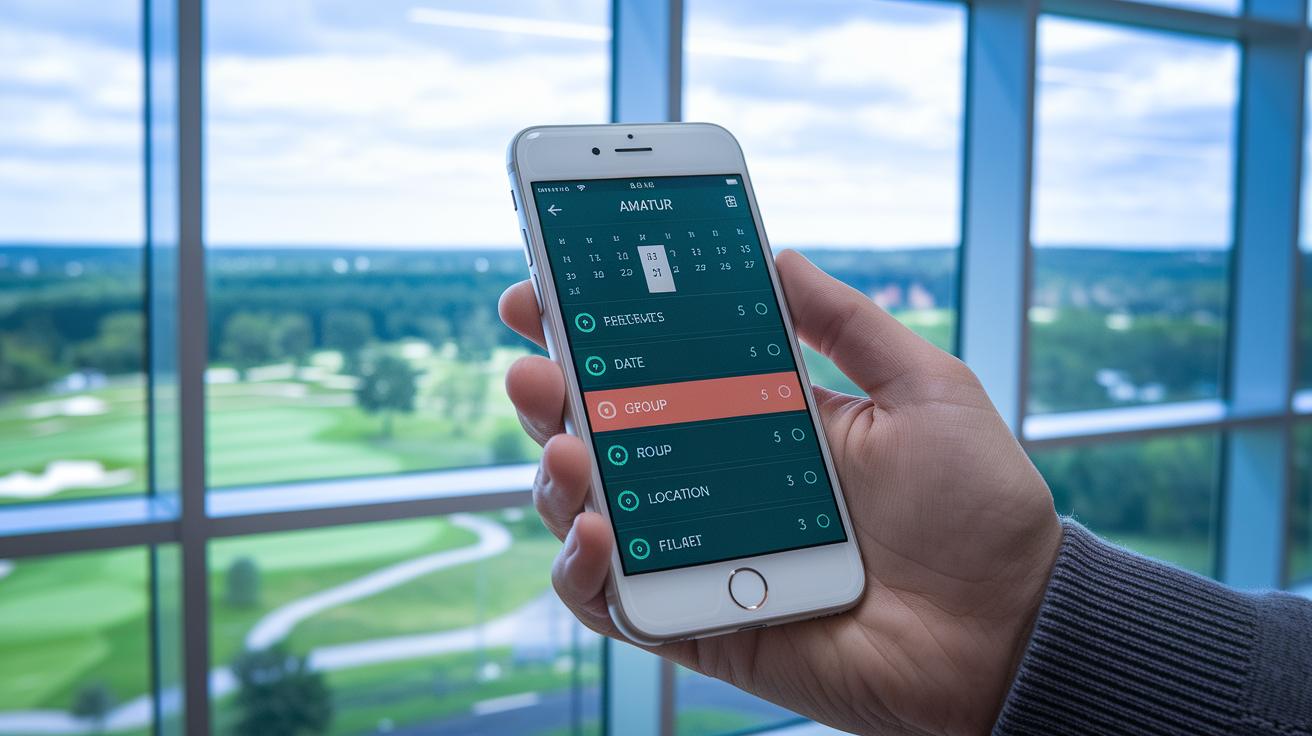
The tournament calendar lays out events in clear order so you can easily spot what fits your schedule. You can filter by date, by player group (like amateur or pro), and by location. It turns a plain list into an interactive guide that really works for you.

In Canada, the calendar covers everything from small local rounds to major championships on all kinds of courses. You can sort events by date and pick those that match your skill level or preferred course.

Over in the United States, you’ll see big-name competitions that draw both amateurs and pros. The smart filtering lets you quickly choose events based on your desired time frame or player category, making it simple to plan your rounds.

The International section brings together matchups from around the world. It mixes familiar local traditions with challenging courses. The filtering tool helps you pick tournaments that work with your schedule, so you never miss a chance for an exciting game.

Seasonal highlights and local guides add even more value by offering timely venue tips and insights. This turns the calendar into a handy, interactive resource rather than just a basic list.

Past Disc Golf Tournaments: Results & Player Rankings

img-3.jpg

At the Wisconsin Tour Finale on October 9, 2021, fans witnessed more than a simple round of disc golf. Players battled with a unique scoring twist that named the top scorer in each division as the Tour Champion. When a division hosted five or more events in the season, the competition heated up even more with a battle for an overall title. Every win came with a prized black disc, and state champions got to take home shiny trophies. The DISC GOLF CODE kept the game smart and fair all along.

Every tournament followed the strict scoring rules set by the DISC GOLF CODE. This clear system made it easy for everyone to see how every shot and point mattered. It wasn’t just about personal glory, it ensured the playing field was even and every competitor's effort was noticed.

Division Champion
Men’s Open Alex Johnson
Women’s Division Sarah Lee
Mixed Doubles Mike Smith
Senior Division Jane Carter
Amateur Division Bob Williams

These standings play a big part in shaping a player’s future in disc golf. High rankings can open doors to top tournaments and better sponsorship. For amateurs, a solid ranking is a great stepping stone to move up the ranks. Detailed records from these events help organizers, players, and fans celebrate each competitor’s hard work and progress.

How to Enter Disc Golf Tournaments: Procedures & PDGA Membership

img-4.jpg

When you follow the official entry steps, your tournament experience stays smooth. Just sign in or sign up on the website, and you’ll see all the PDGA event details, everything from registration deadlines to entry fees is laid out clearly. Stick to these steps so your entry gets noticed without any hiccups later on. Imagine a player who always double-checks each deadline and never misses a chance to register; that small habit makes a big difference.

PDGA Membership & Event Listings

To play in sanctioned disc golf tournaments, you must have a valid PDGA membership. There are two levels: Amateur and Professional. Amateurs usually enjoy lower fees and some starter perks, while Pros get early registration and special access to events. Either way, joining means becoming part of a community of savvy players. The website makes it easy to find and register for tournaments by listing upcoming events with all the entry details. Think about scrolling through a list and quickly spotting an event that fits your schedule and skill level.

Be sure to register well before the deadlines. Early entry helps you avoid late fees and ensures you meet all event rules, so you can focus on your game and really enjoy every moment on the course.

Disc Golf Tournament Venues & Course Layout Analyses

img-5.jpg

Every disc golf course starts with its design. A smart layout brings in varied distances, sharp angles, and natural hurdles that make you plan each shot with care. With a good setup, every throw and putt turns into a well-thought-out decision.

Each course shapes how players score and manage risk. A clever design doesn't just test your power; it also rewards accuracy and smart choices. Whether you face snug fairways or wide-open greens, the terrain can change the whole game in a blink.

Take Highbridge Hills Mega-Plex for example. This venue hosted the 2021 Wisconsin Tour Finale on October 9 and featured a mix of hazards and hole lengths that called for precision. A flyover video showed water risks and clusters of trees that kept players on their toes. With long par 4s (holes where you aim to score under par) mixed with tricky technical holes, players had to throw hard while keeping an eye on accuracy. It really brought out the excitement of the tournament.

Now, look at three top tournament courses, each with its own twist. One course has narrow fairways edged by rugged dunes, inviting players to take it slow and steady. Another shows off open greens with big hills that call for bold and aggressive shots. And then there's a course known for its standout holes, where sudden wind shifts and hidden obstacles test even the best. In each case, picking the right shot and knowing the landscape are key to success.

Live Scoring & Broadcasting in Disc Golf Tournaments

img-6.jpg

Live scoring and streaming bring the thrill of disc golf right to your screen. You can catch every throw as it happens, and players get feedback and results instantly. This digital link makes it super easy for fans and players alike to stay in the moment.

Jomez Pro Updates & Video Highlight Reels

Jomez Pro keeps you in the loop with regular, play-by-play updates. Imagine watching a full-round video just hours after the contest ends, it’s like reliving every exciting toss and putt. Their highlight reels capture the best moments, turning key plays into quick, shareable clips.

PDGA Live Scoring & Digital Scorecards

The PDGA Live Score App stands out with its real-time leaderboards and digital scorecards. With cool features like push alerts and clear leaderboard stats, you instantly know about every score change. Plus, third-party digital scorecard apps add even more ways to track progress on the go. Whether you’re on the course or watching from afar, you’re always up-to-date.

Expert Tips & Strategies for Disc Golf Tournament Success

img-7.jpg

Following the Disc Golf Code helps you play smart and fair. It reminds you to think through your shots, respect the course, and be a good sport. It's like having a trusty playbook that guides you to play your best.

When picking your discs, think about the wind, the terrain, and how far each hole is. On a blustery day or a course with tricky shots, go for a disc that stays steady and hits true. It's a lot like choosing the right club for a precise short drive. This simple step can help your performance and keep your game smooth when it counts.

Playing safe is a major part of smart disc golf. Look at the layout of those narrow fairways, and adjust your line when you see hills or sudden weather shifts. It’s like solving a little puzzle with every shot, you choose the right moment and angle to avoid trouble. A well-planned shot can turn a normal round into a winning one by keeping mistakes away.

When the pressure builds, take a deep breath and stay focused. Trust the practice you’ve put in and keep your cool, just like the pros who picture success with every swing. Remember, a calm mind makes it easier to hit that perfect shot.

Final Words

In the action, this roundup kept us on our toes with details on upcoming disc golf tournaments, regional calendars, past results, registration steps, course layouts, live score streaming, and expert play tips. We covered clear dates and venues, membership needs, and strategic advice for competitive play. Every part of the article was designed to help you follow and enjoy the sport, from pinpointing event deadlines to squeezing the most out of each tournament round. Stay tuned, stay sharp, and enjoy the excitement on the course!

FAQ

Q: Where can I find disc golf tournaments near California, Texas, or local to me?

A: The disc golf tournaments near California, Texas, and your local area are listed in regional calendars that provide clear dates, venues, and registration windows to help you plan your next event.

Q: What are the disc golf tournaments happening today and this weekend?

A: Disc golf tournaments today and those scheduled for this weekend offer current event updates, easy registration links, and complete location details, making last-minute planning a breeze for players.

Q: What should I know about disc golf tournaments in 2025?

A: Disc golf tournaments in 2025 are featured in the “All upcoming” listings, showcasing future events with detailed dates, locations, and registration deadlines so you can plan ahead confidently.

Q: How does the current disc golf scene and PDGA tournaments operate?

A: The disc golf scene and PDGA tournaments operate with strict entry procedures, real-time live scoring, and a points system that upholds sportsmanship and competitive spirit for players at all levels.

Q: What is the Disc Golf Pro Tour and PDGA World Championships?

A: The Disc Golf Pro Tour and PDGA World Championships are elite events that bring together the best players, complete with full coverage, digital scorecards, and in-depth analysis from experts in the sport.

Q: What distinguishes the United States Disc Golf Championship and European Open?

A: The United States Disc Golf Championship and European Open stand out by featuring top competitors, clear registration processes, and a competitive field that appeals to both local and international disc golf enthusiasts.

Q: How does the European Rugby Champions Cup relate to disc golf tournaments?

A: While the European Rugby Champions Cup is a rugby event, it is often mentioned alongside disc golf tournaments to highlight how major sporting events worldwide draw diverse audiences with thrilling competition formats.

Tiger Woods Golf Stats: Stellar Career Numbers

0

Ever been amazed by records that seem impossible? Tiger Woods did more than win titles, he changed the game with every swing.

His 82 PGA wins and perfect playoff record show his skill and drive. Imagine having a level of talent and focus that left more than 800 other players behind. Each number tells a story of hard work, smart choices, and pure passion for golf.

This look at his stats not only celebrates his wins but also reminds us that great focus and determination can set the standard for everyone on the course.

Tiger Woods Golf Stats: Comprehensive Career Performance Metrics

img-1.jpg

Tiger Woods made a huge mark on the golf course. From 2003 to 2019, his numbers told a story of hard work and control that few have ever matched. In 2004, his strokes gained stats shone brightly, showing off a mix of skill and steady focus that set him apart from more than 800 other players.

His records reveal not only great talent but also a fierce competitive spirit. Whether he was in major tournaments, in sudden-death showdowns on the PGA Tour, or battling it out on the European Tour, Tiger always came out on top, leaving everyone, from fans to experts, in awe. His stats still set the gold standard in golf and push both seasoned pros and newcomers to aim higher.

Achievement Highlights
Record-Breaking Span (2003–2019) Outperformed over 800 peers
82 PGA Tour Wins Includes numerous major tournaments
15 Major Titles Proved his might on the biggest stages
3-0 in Major Playoffs Never lost a playoff in majors
8-1 in PGA Sudden-Death Playoffs Strong when it counted most
10-0 in European Tour Playoffs Includes a standout win in Australasia

Every record in his career speaks of precision, smart adjustments, and a drive that never quit. Tiger’s journey on the course shows us that with focus and passion, you can set the bar high and leave a legacy that inspires for generations.

Major Championship Victories and Evolution of Tiger Woods’ Title Record

img-2.jpg

Tiger Woods has been a major force in golf for over two decades. He burst onto the scene with a win at the 1997 Masters and capped his journey with another at the 2019 Masters. His wins span 22 years, each one thrilling fans and breaking records. Before his breakout, Tiger honed his skills on local courses, with every swing bringing him closer to greatness.

Tiger always shined under playoff pressure. He won all three playoff battles in major championships, showing he could step up when every stroke counted. His perfect playoff record proves he was built for the big moments, earning him a spot among golf’s true legends.

Over time, Tiger kept evolving. He changed his strategy and sharpened his skills to stay on top of the game. His wins mix raw talent with attention to every detail, a combination that kept his performance fresh even as the game changed around him.

In the end, Tiger’s record in major titles is a lasting mark of his legacy. Each victory tells the story of his unyielding spirit and knack for excellence when the stakes were highest.

Tournament Win Analysis: Playoff Performance and Victory Margins in Tiger Woods Golf Stats

img-3.jpg

Tiger Woods's playoff record is more than just a bunch of numbers. It’s a story of smart adjustments and nerve that helped him outplay his rivals. Every pressure shot he took was a mix of raw instinct and cool, calm precision that many future stars have learned from.

Major Championship Playoff Record

In major championships, Tiger never lost a playoff – he went 3-0. Every time the stakes were high, he switched things up on the fly to grab his win. It’s like he knew exactly when to change his strategy mid-round, setting the bar for how to handle crunch time.

PGA Tour Sudden-Death Success

On the PGA Tour, Tiger’s record in sudden-death shows his knack for quick thinking, with an 8-1 run in these nail-biting scenarios. Imagine the tension of a final hole with the clock ticking, the way he lined up his shot was almost poetic, leaving his competitors scrambling in his wake.

European Tour Playoff Perfection

Tiger also shined on the European Tour, boasting a perfect 10-0 record in playoffs, whether in World Golf Championships or other events. He had a real gift for reading the course, adjusting his shot to fit every unique challenge. Picture him studying the green’s gentle slopes and then making that winning play under tough pressure.

Australasia and Other Tour Victories

One memorable moment came at the 1998 Johnnie Walker Classic. Tiger sealed the win with a clutch birdie on the second playoff hole. That shot turned a near miss into a victory, showing off his talent for fine-tuning his play when it mattered most.

Driving Accuracy and Distance Benchmarks in Tiger Woods Golf Stats

img-4.jpg

Back in 2004, Tiger showed off his game by posting one of his biggest strokes gained off the tee. He mixed strong drives with laser-like accuracy, shaving strokes off his score even on the trickiest holes. Imagine a drive that flies perfectly straight, turning a tough hole into an easy chance for a lower score.

Tiger also set himself apart with his average driving distance. His drives went farther than most, which meant he had shorter and simpler approach shots. This extra yardage gave him a clear edge on long par fours and par fives. Picture lining up a drive that not only covers a lot of ground but lands right where you need it.

His fairway hit rate played a big role in his long game. Often ranked among the top five on the PGA Tour, Tiger’s precise shots kept him clear of the rough and in great scoring spots. With a high percentage of on-target drives, he built a strong foundation that helped him score well round after round.

Short Game Efficiency: Greens in Regulation and Putting Efficiency Stats

img-5.jpg

Tiger Woods has always made smart use of his short game. He’s known for hitting his approach shots close to the pin, which opens up birdie chances even on the toughest holes. This knack for precision boosted his greens in regulation, giving him the confidence to control his score round after round. He even kept an eye on bogies on par fives to fine-tune his game, setting up a solid base for bold, aggressive play.

Tiger's putting game is just as impressive. His strong putting stats showed that every stroke mattered, especially in tight matches. He often turned near bogeys into timely birdies by sinking key putts at crucial moments. With a calm demeanor under pressure, Tiger made every putt count, adding valuable strokes off the board when they mattered most.

Strokes Gained Analysis and the Tiger Five Scorecard in Tiger Woods Golf Stats

img-6.jpg

Tiger Woods made his name by blending strength, sharp focus, and clever play. With his Tiger Five system, he broke his game into five parts to see where he won strokes. In 2004, he was over two strokes ahead of most players each round, showing he could tune every piece of his game when it mattered most.

Strokes Gained: Off-the-Tee

Off the tee, Tiger was all about hitting long, straight drives that landed him in a great spot for his next shot. His drives set him up for easier approaches, leaving his rivals with fewer chances to catch up. Picture a drive that lands you right in the zone, Tiger did that naturally.

Strokes Gained: Approach

When it came to mid-iron shots, Tiger turned tough approaches into real birdie chances. Every hit took him closer to the hole and cut his score. His skill with irons made a big difference in his overall game.

Strokes Gained: Around-the-Green

Around the green, his soft touch turned tricky chips into smart play. He managed short game shots so well that he cut out mistakes and saved strokes. In close matches, these strokes made all the difference.

Strokes Gained: Putting

On the green, Tiger’s putting showed his cool under pressure. He read each green well and sunk putts that turned near bogeys into smooth birdies. His putting was a standout part of his game.

Strokes Gained: Total

When you add up all five parts, Tiger’s total strokes gained gave him an edge that few could match in any round. This overall measure shows why he was one of the best on the course.

img-7.jpg

Tiger Woods was known for keeping his rounds in the low 70s during his peak years. In seasons like 2004 and 2006, he averaged around 68 strokes, which is impressive when you think about the pressure on each hole. It shows his knack for staying focused and managing every shot with skill.

Tiger also built an amazing streak of top-10 finishes and low rounds. He consistently put on strong performances throughout tournaments, something many players still dream of today. It wasn’t just his swing; his mental toughness really shone through on the course.

And then there’s his flair for comebacks. When things started off rough, Tiger often rallied back with brilliant rounds. These moments not only proved his resilience but also his ability to change tactics mid-game, always delivering high-class play no matter how his earlier rounds went.

Final Words

In the action, we traced Tiger Woods’ career performance, from his record-breaking run to his clutch playoff finishes. We broke down key moments, smart driving and precision on the greens, and the strokes gained system that kept him ahead of the field.

Our deep look at tiger woods golf stats shows the power behind those numbers and the thrill of his game. It’s a story of skill, passion, and pure excitement that continues to inspire every golf fan.

FAQ

What is Tiger Woods net worth?

The Tiger Woods net worth means his overall financial value. It is estimated to be around $800 million from tournament earnings, endorsements, and business ventures, reflecting his superstar status in golf.

What is Tiger Woods age?

The Tiger Woods age tells us he is 47 years old, born on December 30, 1975, and continues to display his enduring passion and skill on the course.

Who is Charlie Woods?

The Charlie Woods reference points to Tiger Woods’ son, who has grown up around the sport and occasionally appears at tournaments, hinting he might follow in his father’s footsteps.

What are Tiger Woods wins by year?

The Tiger Woods wins by year show his tournament successes over decades. His career boasts 82 PGA Tour wins, including 15 major championships that mark key milestones.

Who is Tiger Woods wife?

The Tiger Woods wife details refer first to Elin Nordegren, whom he married in 2004 before their divorce in 2010. Today, he is with Erica Herman.

What are Tiger Woods major wins?

The Tiger Woods major wins count stands at 15 major titles, including the Masters, U.S. Open, The Open Championship, and PGA Championship, underlining his elite performance in golf.

Is Tiger Woods retired?

The Tiger Woods retirement status reveals that he isn’t officially retired. Although hampered by injuries at times, he still competes in select tournaments when his health allows.

What is Tiger Woods next tournament?

The Tiger Woods next tournament depends on his current schedule and recovery status. Fans should check his official updates for the latest event details as they become available.

What is Tiger Woods craziest statistic?

The Tiger Woods craziest statistic highlights his record-breaking span from 2003 to 2019, where he outperformed over 800 peers, showcasing one of the most striking facts of his career.

What golf records does Tiger Woods hold and how good are his stats?

The Tiger Woods golf records include 82 PGA Tour wins, 15 majors, and impeccable playoff records on both major and European tours. His stats reveal remarkable strokes gained and consistency over decades.

Who is statistically the best golfer of all time?

The best golfer statistically sparks debate, yet Tiger Woods’ groundbreaking records and consistent performance place him among the top contenders when measuring career achievements.

Youth Golf Participation Trends Soar With Insights

0

Ever wonder why more kids are picking up golf these days? New numbers show a big jump in young golfers. Kids between 6 and 12 have increased by about 33%, and teens by nearly 50% since 2019. While other sports are seeing fewer young players, golf is winning them over. It's clear that it's not just about the numbers, the easy challenge and relaxed pace of golf are really appealing. Next, we'll look at what’s driving this trend and how it could change the game for future players.

img-1.jpg

New numbers show that more kids and teens are taking up golf. The National Golf Foundation tells us that kids aged 6 to 12 have grown by about 33%, and those between 13 and 17 have jumped nearly 50% since 2019. Meanwhile, team sports for ages 6 to 17 have slipped by 6%, which means around 1.2 million fewer young players are joining in.

Demographic % Change Net Change
Ages 6–12 +32.6%
Ages 13–17 +49.1%
Team Sports (6–17) –6% –1.2M

This clear shift toward golf shows that individual sports are capturing young hearts. It seems like the unique challenge and pace of golf are really resonating with families, potentially transforming the sports scene for the future.

Historical Growth and Demographic Patterns in Youth Golf

img-2.jpg

Before 2019, youth golf was pretty steady. Most kids started playing in their later teens, and the crowd was quite traditional. The numbers were modest, and the type of players joined in just like they always had, with older teens taking center stage and fewer little ones making it to organized leagues.

Since 2019, things have really changed. The National Golf Foundation has shown a big jump in participation, especially among young kids and teens. There’s also been a fresh push for more diversity and inclusion on the course. Programs like the Best Pee Wee Golf Swing contest, with the deadline on September 30 at 11:59 p.m., show that the sport is reaching out to beginners, not just the elite few.

We’re also seeing more minority players stepping up and making their mark. This change isn’t only about the numbers, it’s about adding new energy and different viewpoints to the game. It brings a lively vibe to golf as it grows into a more diverse community of fans and players.

img-3.jpg

Youth golf is shaking up the sports world with its fresh vibe and modern training. It offers a one-on-one focus and high-tech practice tools that set it apart from traditional team sports.

Golf is winning over young players with its personal play style and evolving coaching methods. With fewer kids opting for team sports, clubs and schools are carving out new space to boost individual programs.

Clubs are now unveiling tech-forward training centers and customized coaching sessions to match the rising demand. This trend is paving the way for a brand-new competitive landscape that feels both exciting and accessible.

Primary Factors Driving Early Engagement in Youth Golf

img-4.jpg

The pandemic led families to spend more time outdoors, and many discovered golf as a safe, fun escape. With group activities on hold, both kids and parents turned to golf, a solo sport that offers fresh air and exercise. Believe it or not, a quiet golf course became a safe retreat when indoor play wasn't an option, inspiring many to try the game.

Parents have been a big help in guiding their kids toward golf. They see that the game builds health, coordination, and, most importantly, confidence in young players. Imagine a parent saying, "I love how golf builds both physical skill and self-belief in my child."

Local contests like the Best Pee Wee Golf Swing have added to the fun. These events spark excitement and give young golfers a chance to show off their growing skills. Every swing in these contests creates memories that last well beyond the course.

New coaching methods are also making a difference. Coaches now offer lessons specifically for young learners, helping them pick up skills quickly. These tailored sessions keep youngsters coming back for more, making golf even more inviting for budding athletes.

Structure and Impact of Youth Golf Development Programs

img-5.jpg

Youth golf programs have grown fast, giving newbies plenty of ways to learn and succeed. Some come from school leagues, others from community clubs, and still others through youth academies. Data shows school programs lock in 20% more students, community clubs have experienced a 25% jump in new members since 2019, and youth academies help players grow skills while building strong friendships. In short, these programs boost confidence and spark a real love for the game.

School-Based Leagues

School leagues offer a clear, steady setting where young golfers pick up teamwork and a competitive spirit. Regular practices and organized matches help sharpen the basics and keep kids interested, no wonder these leagues see a 20% higher stay rate. Think of a school team that meets every week, turning each practice session into a fun blend of friendly rivalry and shared learning.

Community Clubs

Community clubs are the go-to spot for beginners who want to ease into golf. These clubs, open to locals, mix social fun with skill drills, and their membership has surged by 25% since 2019. Picture a neighborhood club hosting weekly events and mini-tournaments that make the sport feel welcoming and enjoyable.

Youth Academies

Youth academies take a long view by focusing on steady, ongoing growth. They offer expert coaching, detailed training sessions, and personal feedback to help young golfers fine-tune their swings. Plus, these academies foster strong bonds among players, making learning as much about building friendships as about honing technique.

• School-Based Leagues: Clear training paths, better retention, strong peer ties
• Community Clubs: Growing memberships, friendly social vibes, local accessibility
• Youth Academies: Long-term skill building, personalized coaching, deep team spirit

img-6.jpg

In the Southeast, youth golf has taken off big time. Kids aged 6–12 are playing about 40% more now, while the Northeast has seen a rise of around 28%. Middle school golfers have jumped by 30%, and high school teams are up 35%. These numbers show that golf is catching on differently from one region to the next.

Warm weather really does make a difference. In sunny areas, golfers can practice all year, making the sport more fun and easy for families. Local clubs and schools jump in with beginner programs and special training, which gives kids a real head start.

All in all, great weather combined with community support is driving more young people to the game. This mix of local benefits is setting the stage for a bright future in youth golf across the regions.

Innovations Fueling Youth Golf Training and Development

img-7.jpg

Young golfers are now using cool tech like simulator programs and junior apps to practice their swings. These tools offer a real-life feel of the course, even when you're indoors. For example, video systems let kids watch their swings on screen, which is pretty neat. And interactive apps turn practice into a fun game with instant feedback that helps build skills and makes the sport easy to enjoy.

Golf academies are stepping up with gadgets that show your swing in real time and digital coaching that tweaks your training. Coaches track every shot and adjust lessons to help each player get better bit by bit. This smart, data-based way of training gives young players clear tips on what to improve, making practice both smart and personal.

img-8.jpg

Analysts expect youth golf to grow about 10% each year over the next five years. This means more young players are taking up the sport each season, making it clear that junior golf is on the rise.

This steady growth brings new chances for business too. Clubs and training centers are boosting their youth programs and adding fresh scholarship options for up-and-coming players. Sales of kid-focused equipment might jump by around 15%. And with more digital engagement and community ties, the sport is expanding its reach.

Club leaders and coaches should seize this momentum. They can grow their programs with new scholarships, better training methods, and enhanced online outreach. Even smaller clubs can follow trends seen in emerging golf strategies to promote first-time play and build local junior leagues.

Final Words

In the action, our post broke down how numbers are changing on the course, with new stats on youth golf participation trends lighting up the scene. We saw clear gains for young players and shifts away from team sports, while tech and regional factors add extra swing to the game. This snapshot of rising young golfer stats and program growth paints a bright picture. Golf keeps evolving, and the future looks promising and full of exciting challenges ahead.

FAQ

What are the youth golf participation trends in 2022?

The youth golf participation trends in 2022 show vibrant growth, with a 32.6% rise for ages 6–12 and a 49.1% increase for ages 13–17, highlighting strong early interest in the sport.

What percentage of golfers in the United States are 35 years old or younger in 2024?

The percentage of golfers aged 35 or younger in 2024 isn’t pinpointed by exact numbers, yet rising youth engagement suggests that nearly half of U.S. golfers may fall into this age group.

Is participation in golf declining?

Participation in golf is not declining. In fact, the sport is buoyed by strong growth among young players, even as traditional team sports experience lower numbers.

What do the 70/30 and 80/20 rules in golf signify?

The 70/30 and 80/20 rules in golf illustrate that a small part of your game often drives most results. Focusing on key skills or mistakes can make a big difference in overall performance.

What are the golf industry trends for 2025?

Golf industry trends for 2025 point to continued youth growth, enhanced digital coaching, and rising equipment innovation. Clubs plan to expand junior programs and use new tech tools to boost player development.

Golf Grass Shines With Lush Turf Care

0

Ever notice how some courses hit just the right balance between a fast pace and a comfy feel? Expert grass care turns ordinary turf into a golfer’s dream. Lush layers of Bermuda, Bentgrass, and Zoysia each offer a different play, some surfaces are fast and firm, while others feel soft and cushioned.

In this article, we take a look at how a careful trim and smart grass choice can boost your game. Every detail is tuned just right, making the greens come alive when built for play. Ready to see how these vibrant greens can shape your next round?

golf grass Shines with Lush Turf Care

img-1.jpg

Bermuda grass really steals the show on a sunny day at the course. This warm-season favorite feels a bit grainy, which many golfers appreciate. When it's cut very short at 0.125 inches, you get a tough, fast surface that sends your ball flying true. But if you let it grow to about 0.5 inches, it gives you a softer, cushioned feel perfect for those long drives. Fun fact: before a young golfer even mastered his swing, he found out that his favorite green was made of Bermuda grass trimmed to perfection, kickstarting his journey toward championship glory.

Bentgrass, a cool-season variety, sports delicate, thin blades and is usually trimmed to around 0.1 to 0.13 inches during spring and fall. This results in super-smooth greens and fairways that keep even the best putters on their toes. Meanwhile, Fescue adds a classic, links-style charm. When grown between 0.25 and 0.375 inches, it works nicely on fairways, tees, and even the native rough.

Then there's Zoysia, known for its upright blades that create an even, uniform fairway. Its consistency helps ensure your shot rolls just as planned. Poa annua, although it grows quickly and produces a few seedheads here and there, can sometimes cause a few bumps later in the day that add a hint of unpredictability. And Rye grass often comes in as a reliable team player, providing extra durability by overseeding the mix.

Grass Type Key Benefit
Bermuda Great for fast-paced play
Bentgrass Smooth and finely trimmed surfaces
Fescue Versatile across different course areas
Zoysia Ensures a consistent ball roll
Poa annua & Rye Balances playability with steady overseeding

Cold and Warm Season Golf Grasses: Climate Adaptation and Selection

img-2.jpg

When you pick out golf grasses, it's all about matching the turf to your local weather and soil. Warm-season grasses like Bermuda do best when temperatures stay above 65°F. Bermuda sends out runners called stolons and rhizomes that help it hold water and fight off drought. Bahia is another favorite, spreading quickly along the edges to help keep soil in place in drier areas.

Cool-season grasses add their own charm. Kentucky Bluegrass offers a rich, lush look and stands up to heavy play in northern regions. When it comes to greens, elite bentgrass blends, like creeping bent, really stand out. Mowed as short as 0.1 to 0.13 inches, they create smooth surfaces that make every putt feel just right.

Soil pH is a big deal too. Bentgrass loves soil with a pH between 6.0 and 7.0, while Bermuda does better in slightly more acidic conditions, around 5.5 to 6.5. By matching the grass type to your region’s temperature, rainfall, and soil pH, you end up with a fairway that not only looks lush but plays beautifully too.

Course managers who weigh these factors can build courses that naturally adapt to the changing seasons, delivering reliable play just like that perfect swing.

Precision Golf Grass Choices for Putting Greens: Selection and Maintenance

img-3.jpg

Elite creeping bentgrass is the top pick for natural greens where every putt counts. Mowed super short, around 0.08 to 0.13 inches, it gives you a firm, fast roll that many golfers swear by. To keep these greens in tip-top shape, you need to do daily topdressing (that’s spreading a thin layer of sand or soil, about 0.1 to 0.25 tons per 1,000 ft²) and aerate every 4 to 6 weeks. Laying down a natural bentgrass green usually costs around $1.50 to $2.50 per ft².

On the flip side, synthetic putting surfaces bring a whole different vibe. Made from low-maintenance materials like polypropylene or polyethylene turf, these greens offer a steady ball speed with hardly any mowing and no watering at all. They’re perfect if you want to skip most of the upkeep, though they tend to run about $5 to $7 per ft².

Imagine stepping onto a perfect green every time without the hassle of daily chores! Natural greens serve up that classic, authentic feel with every stroke, while synthetic options promise a uniform play no matter what, despite the steeper initial price tag.

  • Natural greens: Bring a traditional feel and need daily topdressing plus regular aeration.
  • Synthetic surfaces: Offer steady performance with minimal care, but come at a higher cost.

In the end, it’s all about finding the right balance between excellent playability and the maintenance routine that suits you best.

Golf Grass Solutions for Fairways and Roughs: Ensuring Consistent Course Performance

img-4.jpg

A recent study shows that small changes in mowing and maintenance can really boost a course’s performance. On fairways, for example, Zoysia grass trimmed to 0.375–0.5 inches along with an annual core aeration done 0.5–1.0 inches deep gives players a ball roll that feels just right. One course even recorded the smoothest roll ever seen, with critics nodding in approval.

When it comes to the rough, keeping Fescue at 1.5–2.5 inches delivers a sturdy, links-style cut that golfers appreciate. In cooler regions, Poa annua is managed at 2–3 inches, offering a natural challenge that really hones a golfer’s focus. Imagine playing on a rough where minimal upkeep lets nature take its course, subtly adding to the challenge.

For the edges, Bahia grass planted with 6-inch spacing works well to protect against erosion, especially in dry areas.

Area Grass Type Mowing Height Maintenance Detail
Fairway Zoysia 0.375–0.5 in Annual core aeration (0.5–1.0 in deep)
Rough Fescue 1.5–2.5 in Links-style cut
Rough (Cool Regions) Poa annua 2–3 in Low-intervention setup
Course Edge Bahia N/A Planted at 6 in spacing to fend off erosion

Essential Maintenance Equipment and Mowing Techniques for Golf Grass Care

img-5.jpg

When you want turf that looks its best, using the right gear and simple techniques really counts. Topdressers like the GT-100 for greens and the TT-2430 for tees are key players. They spread 1 to 4 pounds of sand per square foot each month, kind of like a gentle hand that leaves your greens as neat as a freshly primed canvas.

Next up, aerators do their magic. These machines, with tines about 0.75 to 1 inch long and spaced 2 to 4 inches apart, run every 4 to 6 weeks. They lift the soil and break up compacted patches, giving the grass roots just the room they need to breathe. Think of it as the turf taking a deep, refreshing stretch before it bounces back, ready for action.

Precision is everything when it comes to mowing. On greens, triplex reel mowers trim the grass to a crisp 0.08 to 0.13 inches. This keeps the surface firm and fast for every putt. Over on the fairways, rotary ride-on mowers cut the grass to about 0.375 to 0.5 inches. The result? Every ball roll feels smooth and true, just like a perfectly executed shot.

Finally, after a good mow, heavy-duty turf rollers come into play. They smooth out the surface and lock in that consistent finish needed for top-notch play. Curious about the costs? Check out the guide below:

Equipment Cost Range
Triplex Mowers $40,000 – $65,000
Aerators $12,000 – $25,000
Topdressers $5,000 – $15,000

Soil, Water, and Nutrition Strategies for Healthy Golf Grass Year-Round

img-6.jpg

During the growing season, watering smartly is key. Aim for about 0.5 to 1 inch of water each time, given in deep, steady cycles twice a week. Imagine a greens crew checking their gauges after a blazing day and adding 0.75 inch of water – that refreshing soak boosts the turf and strengthens the roots.

Next, a solid fertilizer plan keeps your greens in top shape. In spring, use an N-P-K 12-4-8 mix (that's a blend with nitrogen, phosphorus, and potassium) at a rate of 1 pound of nitrogen per 1,000 square feet to kick off healthy growth. Come summer, switch to a slow-release formula that keeps nutrients coming steadily. Then in fall, give the grass a potassium boost with 0.5 pound per 1,000 square feet to ready it for cooler weather. One superintendent even said that thoughtful fertilizer timing turned their green into a tough, game-ready surface!

Don’t skip on pest control, either. Treat bentgrass with a fungicide every 3 to 4 weeks, and watch for grubs during summer’s heat. Seasonal practices like aeration and verticutting in spring and fall help ease soil compaction and boost root health. Together, these steps make sure your golf turf stays lush, vibrant, and ready to play all year long.

Golf Grass Installation and Budget Planning for Home and Course Turf Projects

img-7.jpg

When you're setting up your own golf turf, you've got a few smart choices. Start with seed if you're keeping an eye on cost, a 50 lb bag covers about 5,000 ft² and comes in at just 2¢ to 5¢ per ft². Sod gives you an instant, lush green, costing roughly 30¢ to 50¢ per ft². And sprigging plugs land in the middle at around 15¢ to 25¢ per ft². It’s much like picking the right golf club; each option has its own special feel.

Budget plays a big role in a smooth project. Soil testing might run you $100 to $200, and tossing in some soil amendments could add another 5¢ to 10¢ per ft². Plus, labor usually bumps the cost up another 10¢ to 20¢ per ft². Doing a side-by-side of these numbers really helps you tailor your plan, whether you're crafting a sprawling course or just a charming backyard green.

For smaller projects, DIY backyard green kits are a neat trick. These kits come with preblended seed and easy-to-follow instructions, usually costing between $400 and $1,200 for a 400 ft² area. It’s a practical pick for transforming your outdoor space on a budget. By keeping an eye on all the installation and labor expenses, you can turn your turf project into a smart investment, delivering a quality golfing surface without overspending.

Final Words

In the action, we saw how different turf types, from Bermuda and bentgrass to Zoysia and fescue, work together to boost course play. Each section highlighted smart choices for fairways, greens, and roughs while showing off the unique benefits of each variant.

Quality maintenance techniques and equipment keep your golf grass thriving. Smart soil and watering plans round out a solid foundation. Every well-kept blade helps drive great shots on the course.

FAQ

Q: What is the golf grass price?

A: The golf grass price depends on the type, installation method, and maintenance expenses. For instance, sod costs around $0.30–$0.50 per square foot, while seed options can be more economical at about $0.02–$0.05 per square foot.

Q: What is the best grass for golf greens?

A: The best grass for golf greens is elite creeping bentgrass, typically maintained at 0.08–0.13 inches. This turf gives a fast, smooth surface essential for consistent putts and precise ball roll.

Q: What are golf grass seed and names?

A: Golf grass seed refers to the tiny kernels of various turf species such as Bermuda, bentgrass, and annual bluegrass. These names represent specific grass types chosen for their texture, durability, and playability on golf courses.

Q: How can I have golf course grass at home?

A: Bringing golf course grass home means choosing turf like Kentucky bluegrass that offers durability and a lush, well-manicured look. This selection mimics professional courses if your local climate and care routines match its needs.

Q: What are the golf course grass types in California and Florida?

A: Golf course grass types differ by region. In California, drought-tolerant varieties like Bermuda and Zoysia are common, while Florida courses often favor warm-season Bermuda because it thrives in heat and humidity.

Q: What do golf grass terms mean?

A: Golf grass terms include descriptors like bentgrass, bermuda, and annual bluegrass along with maintenance basics such as mowing heights and irrigation practices. These terms help communicate turf quality and course performance expectations.

Q: What is the grass in golf called?

A: The grass in golf is not one single type; it includes varieties like Bermuda, bentgrass, and Kentucky bluegrass. Each is selected for its unique properties that influence playability and the overall look of a course.

Q: Why is golf grass different and so nice?

A: Golf grass is different because it is chosen and maintained with precision. Specific mowing heights, irrigation, and care routines create a smooth, uniform surface that enhances ball roll and delivers a pleasing aesthetic for golfers.

Q: What are common types of golf grass?

A: Common golf grass types include bentgrass (or Agrostis stolonifera), annual bluegrass, and Kentucky bluegrass. Each offers unique textures and maintenance requirements, making them suited for different areas of a course.

Golf Grass: Prime Turf For Course Success

0

Ever wondered why some courses just feel perfect for that smooth swing? The secret is in the grass under your feet.

Each type of grass has its own character. For instance, Bermuda gives a solid, bouncy feel on fairways, while Bentgrass offers a soft, smooth roll on greens.

We’re here to show you how warm-season and cool-season grasses can change your game. With the right turf, every shot feels better, and the whole course plays like a charm.

Stick with us, you’re about to see how the right grass can make all the difference on the course.

Overview of Golf Grass Varieties for Fairways, Greens, and Roughs

img-1.jpg

Every type of golf grass brings a special feel to the course, whether you're on a fairway, a green, or roaming the rough. Think of a perfectly trimmed fairway, it’s like stepping onto a smooth, freshly painted canvas that just invites you to play.

Let's talk warm-season grasses first. Bermuda grass loves heat and dryness. When it's mown really short on a fairway, it gives you a firm, fast surface that serious players appreciate. And Zoysia, another warm-season choice, stands tall with an upright blade so you always get a steady ball stance. These grasses usually shine in Southern regions where the sun and dry weather rule.

Then there are the cool-season grasses for milder climates. Bentgrass is a hit on greens during spring and fall because it offers a smooth, true roll that golfers treasure. Kentucky Bluegrass adds rich color and a lively bounce to lawns and fairways in Northern states. Poa annua grows quickly, which can sometimes lead to a bumpy green later in the day. Fescue is pretty flexible, it works well in naturally growing areas or in spots that are carefully mowed short. And Rye is often mixed with other grasses in the rough to give the course a balanced look and great playability.

Ever heard this cool fact? When cared for just right, Bermuda grass not only speeds up play but can feel as crisp as that first hit on a bright spring morning. This guide shows how matching each turf to its best spot boosts your game.

Regional Climate and Natural Turf Choices for Golf Grass

img-2.jpg

Regional weather plays a big role in picking the right golf grass. The temperature, soil pH, and rainfall all shape the choice of grass. In Southern states like Florida and California, warm-season options such as Bermuda and Zoysia thrive in hot, dry conditions. Bermuda offers a firm, fast surface that helps players keep their shots sharp, while Zoysia provides a steady ball stance even when the heat is on.

In cooler areas where temperatures usually fall between 60°F and 75°F, cool-season grasses like Bentgrass and Kentucky Bluegrass win out. Bentgrass is favored for its smooth roll and can even handle cold spells down to 20°F. Kentucky Bluegrass tends to go dormant near freezing but still keeps a lively color and bounce. In these regions, turf managers also pay close attention to soil pH and rain timing to steer their seed choices and adjust maintenance routines.

Curious about local green performance? Simply search for golf courses near me to get the latest insights.

Golf Grass: Prime Turf for Course Success

img-3.jpg

Keeping your course lush and ready for play starts with smart turf care. You gotta watch your greens, fairways, and roughs with regular mowing, watering, and air treatment. Aim to give your grass about 0.5 inches of water each week. This keeps it hydrated without drowning the roots. Twice a year, use core aeration along with monthly spiking to loosen the soil so every blade can breathe. And every month, topdress with a thin 1/8-inch layer of sand to smooth things over.

Make sure your mowing heights are spot on:

  • Greens: 0.10–0.125 inches – This keeps the roll tight for those key putts.
  • Fairways: 0.5–1 inch – Just the right length to set up a firm shot.
  • Roughs: 1.5–2.5 inches – A bit longer for a softer landing while still staying playable.

These routines not only boost how the course plays but also help your turf stay healthy longer. Choosing the right equipment is important too. For instance, the TT-2410 Topdresser spreads sand evenly, while the Fairway Gang Roller helps relieve soil compaction. Then there's the Advantage Aerator to break up the soil for healthy roots, and tools like the FX650 Material Handler and a Heavy Duty Turf Roller keep everything smooth and easy to handle.

Equipment Model Function
TT-2410 Topdresser Sand distribution
Fairway Gang Roller Compaction relief
Advantage Aerator Soil decompaction
FX650 Material Handler Material management
Heavy Duty Turf Roller Even turf laying

Comparing Natural Golf Grass to Synthetic Turf Options

img-4.jpg

When you check out your course, you'll usually see two main options: natural grass and synthetic turf. Natural grass feels familiar underfoot, giving you that classic, live vibe on the course. On the flip side, synthetic turf is made from materials like nylon and polyethylene. Here’s a fun fact: when testing synthetic putting greens, many golfers found the ball roll so smooth it nearly matched the speed of Bentgrass (a finely cut grass used on greens)!

Synthetic turf offers some clear perks. It delivers a uniform ball roll every time and needs very little water, which can really save on resources. But, there are a few challenges too. Installing synthetic turf can cost anywhere between $9 and $35 per square foot. Plus, these surfaces can heat up quickly, in direct sunlight, temperatures may soar up to 15°F higher. They also require occasional brushing and infill top-ups to keep the playing surface level.

  • Consistent ball roll every time
  • Minimal water usage
  • Can heat up under strong sun
  • Extra care needed with brushing and infill

Looking ahead, many course managers believe that the long-term savings on upkeep can balance the initial investment over 10 to 15 years. It’s a smart option for those aiming to control costs while keeping playability top-notch.

Golf Grass: Prime Turf for Course Success

img-5.jpg

Getting your course ready starts with proper soil care. First, check your soil pH, aiming for between 6.0 and 7.0. Then, shape the land to have a gentle 1% to 2% slope. These steps help set up a turf that stays healthy and feels great to play on.

When it's time to install new grass, you have two main choices: sod or seed. Sod gives you a fast, ready-to-play field within 7 to 14 days. It usually costs about $0.50 to $1.50 per square foot. Meanwhile, quality turf seed is much easier on the wallet at roughly $0.10 per square foot, though you might need to wait 7 to 21 days for it to fully grow.

Here’s a quick guide:

  • Test your soil pH and make sure it’s between 6.0 and 7.0.
  • Grade the area to a smooth 1% to 2% slope.
  • Choose sod if you want immediate playability, or seed if you prefer a lower cost.
  • For sod, lay the pieces with staggered joints (like puzzle pieces) and roll the area right after putting it down to lock it in place.
  • For seeding, mix the seed into the soil about 0.25 inches deep and sprinkle at a rate of 2–4 pounds per 1,000 square feet for cool-season grasses.

Imagine laying sod like putting together a giant puzzle, it fits together so well, making a surface that feels just right when you hit the ball. Whether you go with seed or sod, these steps make sure your course is all set for a perfect round.

Ongoing Golf Grass Care: Disease Prevention, Drought Resistance, and Seasonal Guidelines

img-6.jpg

Keeping your course looking its best means taking care of a few important tasks all year round. Drought-resistant grasses like Bermuda and Zoysia have roots that reach deep, so they can grab water even when it's very hot. Every year, remove about 0.25 inches of thatch to help fight off diseases. A good care routine can be the difference between a course that feels smooth to play on and one that leaves you frustrated.

In spring, add 1 lb of nitrogen for every 1,000 sq ft to give your grass a strong start. When summer comes, raise your mowing height by around 0.1 inches and water at dusk when it’s cooler, so your grass holds onto moisture better. This helps reduce stress and makes a big difference in how the turf looks and plays. To keep diseases like dollar spot and brown patch at bay, apply fungicides such as azoxystrobin and propiconazole.

When fall rolls in, core aerate and overseed any cool-season patches. This helps revive your grass before winter. Following this seasonal plan not only keeps the course playing nicely, but also prevents common turf problems that could spoil a great day on the links.

Cost and Investment Considerations for Golf Grass Projects

img-7.jpg

Breaking down turf costs means checking every little detail to keep your course in shape without any nasty surprises. Costs change based on the type of turf and how you care for it. For example, installing warm-season turf usually runs about $0.50 to $1.50 per square foot, while cool-season seed is around $0.10 per square foot. You should also remember that renting equipment like aerators can cost roughly $200 per day and labor tends to run at about $25 per hour.

It helps to think of your budget as a list of key parts:

  • Turf and soil prep (the groundwork for a great course)
  • Equipment needs (rentals or buys)
  • Labor costs (for setup and ongoing care)
  • Chemicals (like fertilizers and fungicides)
Budget Item Cost Estimate
Warm-season turf (installed) $0.50–$1.50 per sq ft
Cool-season seed $0.10 per sq ft
Aerator rental $200 per day
Annual maintenance per acre $4,000

By choosing resilient grass, you might even cut repair costs by about 15% over five years. Simple, clear planning goes a long way in keeping both your greens lush and your budget in check.

Final Words

in the action, the post broke down golf grass choices for fairways, greens, and roughs while matching each turf type to its ideal climate. We saw how warm-season and cool-season grasses, plus synthetic options, stack up against each other for cost and maintenance. Maintenance tips like optimal mowing heights and proper irrigation round out a winning plan. By understanding these basics, every course benefits from durable, healthy golf grass, making every round as smooth as a well-played putt. Enjoy the game!

FAQ

What is the price of golf grass?

The price of golf grass varies based on species and installation type. Costs range from a few dollars per square foot for seed to higher amounts for quality sod on fairways and greens.

What is the best grass for golf greens and overall golf courses?

The best grass for greens is often Bentgrass for its smooth surface, while Bermuda and Zoysia suit fairways in warmer regions due to their firmness and drought resistance.

What are common golf grass names and terms?

Common golf grass names include Bentgrass, Bermuda, Zoysia, Kentucky bluegrass, Festuca ovina, Agrostis stolonifera, Scutch grass, and Tall fescue, each chosen for specific playing qualities.

What do golf grass turf and seed refer to?

Golf grass turf is the established grass covering a course, while golf grass seed is used to plant new areas or repair worn spots, with each option tailored to climate and maintenance needs.

Can I grow golf course grass at home?

Growing golf course grass at home is possible by selecting a suitable turf variety for your local climate and following proper care routines like mowing, watering, and occasional fertilizing.

What is the role of Zoysia grass in golf courses?

Zoysia grass offers a sturdy, drought-tolerant surface that holds up well under heat, making it a popular choice for warm-weather courses looking for consistent ball roll and durability.

What type of grass is used on Florida golf courses?

In Florida, warm-season grasses such as Bermuda and Zoysia are commonly used because they handle the heat and drought conditions, providing a firm, resilient play surface.

Golf Tournament Betting Preview: Expert Picks

0

Ever wonder if golf betting is all about luck or a bit of skill too? The tournament is getting exciting, and experts are backing the top players while also eyeing underdogs with some pretty interesting odds.

Smart bettors have plenty to mull over as early moves shake up the usual favorites. Our expert tips cut through the chatter to show where the smart money is landing.

Stick with us as we break down the plays, share friendly insights, and maybe even change how you see betting this season.

Golf Tournament: Betting Preview with Expert Forecasts and Favorites

img-1.jpg

Open De Espana 2025 is ready to thrill golf fans and betting enthusiasts alike. The tournament is already sparking buzz as experts share their favorite picks and smart value plays. A team led by a seasoned sports journalist is breaking down the action, pointing out where the smart money is going.

Right now, odds on the top players are all over the board. Early betting moves show that favorites are drawing strong support, while a few underdogs offer a chance for a good payout if they surprise us.

Check out these expert picks:

Player Odds Key Rationale
Jon Rahm 2.5 Great ball striking and strong finishes in past championships
Rory McIlroy 3.0 Sharp putting and smart course management in tight clusters
Sergio Garcia 3.5 Strong recovery shots and solid experience under pressure
Collin Morikawa 4.0 Recent good form and steady play on key holes
Scottie Scheffler 4.5 A promising underdog with past surprise surges in similar events

Keep an eye on Scottie Scheffler. His longer odds could reward bettors if he outperforms expectations. And don’t forget, any bonus betting offers only last for 7 days and are for new customers only.

Contender Performance Snapshot: Key Golf Players in the Betting Preview

img-2.jpg

Recent form is a big deal when you place your bets. Even a small change, like a slight shift in world ranking or a neat, crisp shot, can change a player's odds in a big way. A look back at big events like the 2022 and 2025 Masters and historic Open Championships, including the 150th at St. Andrews, shows that players who hit strong shots often roll their momentum into new tournaments.

The top three favorites have been knocking it out of the park in major events. Jon Rahm has had standout finishes and posted impressive strokes-gained numbers during clutch moments. Rory McIlroy has shown off great putting and smart course management regularly. Sergio Garcia, with his mix of experience and solid play when it counts, is another name to watch.

Then there are the underdogs, two players who have been on the rise. Collin Morikawa, known for his solid course history, is climbing the ranks in major events and could offer a nice edge. Scottie Scheffler has also surprised many with his tough, resilient game, making him a smart pick for those looking beyond the typical favorites.

Player World Ranking Recent 5-Event Finish Positions
Jon Rahm 2 T2, 1, T3, 1, 2
Rory McIlroy 3 1, T3, 2, T4, 3
Sergio Garcia 8 T4, T5, 1, 3, T2
Collin Morikawa 7 T5, 2, T3, 4, 3
Scottie Scheffler 5 2, 3, T4, 2, T3

Balancing your bets is all about mixing the steady play of the top guys with the exciting chances offered by the underdogs. Happy betting!

Course Conditions Impact on the Betting Preview

img-3.jpg

At Club de Campo Villa de Madrid, you step onto a par-71 course that stretches about 7,100 yards. The Bermuda fairways and tidy greens are kept in top shape, giving players a real challenge with every shot. For the latest on upcoming events, check out the PGA Tour Schedule or see This Week’s Golf Tournaments.

The fairways here are pretty narrow, so every tee shot needs to be spot on. Firm, wavy greens make putting a fine art, where even a tiny misread can cost a stroke. Plus, well-placed water hazards add a dash of risk, making a bold shot a real gamble. Golfers have to think fast and adapt on the fly, rewarding those who can adjust their game quickly.

Bettors take note: these course features offer useful clues. Players known for sharp approaches and quick recoveries from tricky spots usually shine here. Keeping an eye on past success on similar courses can help spot the ones most likely to handle these challenges well, making them smart picks in the betting markets.

Weather Influence Report: Adjusting Bets in the Golf Tournament

img-4.jpg

This week at the course, the forecast hints at breezy days with winds around 15-20 mph and chances of light, scattered rain. Mornings may start off partly cloudy, then clear up by mid-afternoon. The temperature will hover in the 50s early on and warm up to the mid-70s later. These are typical conditions at this time of year and can gently change how the players plan their game.

Windy bursts can really mix things up. Big hitters might see their power shots take a detour from crosswinds, while those who rely on precision usually handle the gusts better. When the wind kicks in, accuracy is king because it can twist the ball’s path. So, a player's knack for adjusting on the fly makes all the difference for great scoring. Even established power hitters might struggle if they're not used to these sudden shifts.

For those placing bets, it’s a good idea to rethink your wagers with the weather in mind. You might want to lower your stakes on players known for aggressive, long drives when the wind picks up, and instead lean toward those who are steady with their precision, especially if a light rain is on the way. This smart strategy keeps your bets in tune with the way the day unfolds.

img-5.jpg

Winners who repeat and players who often finish in the top five have always set the pace at this tournament. When a golfer keeps showing strong form, bettors take notice. Look back at past championships and you'll see a few players who keep leading the leaderboard. This pattern gives smart bettors hints about which players can keep their cool under pressure. History shows that a handful of names often pop up, and their solid track record might keep shaping today’s betting odds. You can even see similar trends in big events like the 2025 LIV Golf Hong Kong.

Record low rounds, big winning gaps, and dramatic comebacks are a big part of this tournament’s story. There have been moments when players hit nearly perfect rounds, breaking scoring records and shifting the leaderboard in a big way. Fans have watched players turn a tough start into a last-minute win. By looking at these past performances, bettors can pick up clues on how players might perform under pressure. In short, these trends help build smart betting strategies based on the rich history of the tournament.

Betting Odds Comparison: Market Movement and Best Value Picks

img-6.jpg

The starting odds for the top 10 players were pretty tight, with favorites ranging from 2.5 to 5.5. At first, betting was steady, but as more money came in, the numbers shifted. Fans and savvy bettors noticed these changes, showing extra confidence in a few early picks.

Some players stood out as their odds shortened a lot. One seasoned favorite, for example, saw his odds drop from 3.2 to around 2.6, an indicator that many felt he was a smart play. Another top contender saw his line tighten by about 0.5 points, suggesting a boost in public confidence, maybe thanks to good performance news. These changes get punters double-checking the numbers and wondering where the smart money is landing.

On the flip side, a few steady performers saw their odds widen even though they had a strong history on the course. One consistent underdog moved from 5.0 to around 6.0, potentially creating a value bet opportunity. Another rising star’s line stretched a bit, hinting that the market was a bit hesitant. Remember, if interactive odds widgets aren’t working, make sure to enable JavaScript to get the latest updates.

Strategic Wager Planning: Risk Management and Hedge Strategies

img-7.jpg

Betting smart means managing your risk well. When you use only part of your funds on one player, you avoid putting everything on the line. Spreading your wagers across several golfers can help keep you safe when odds shift and give you more ways to win.

Keep an eye on your favorites. If their odds change quickly, say, if a top player's line drops fast, it’s a hint to hedge your bet. That might mean placing a lay bet or cashing out a bit early to lock in your gains. These signals, noticed by seasoned pros, can help reduce your losses if a tournament takes an unexpected turn.

To maximize returns while keeping risks low, set clear rules for when to move your money and watch the live odds closely. Experts recommend a plan: set firm cut-off points, assess the risk-to-reward for each bet, and be ready to adjust on the fly. This way, you can chase a win without putting your entire bankroll at risk.

In-Play Betting Dynamics: Live Odds Perspective for Golf Tournament Bets

img-8.jpg

Live odds on golf tournaments can change from hole to hole, and that keeps the game extra thrilling. When a golfer lands a game-changing birdie (one stroke under par) or slips with a bogey (one stroke over par), you can see the odds shift right away. It almost feels like the course itself is reacting to every swing.

Keep your eyes on key stats like birdie runs and bogey streaks. When you see a flurry of birdies, it might be a perfect moment to back that player. On the flip side, a string of bogeys signals you might want to play it safe. Watching these trends in real time lets you adjust your bets as fast as the action unfolds on the green.

Just remember not to spread your bets too thin. The fast pace of live odds means you need to stay focused to catch those golden chances. Stick with the best moments, and you'll be right in the middle of the thrilling action every step of the way.

Final Words

In the action, we explored the highlights of our golf tournament betting preview. We touched on expert picks, odds shifts, course conditions, and weather impacts. The recap laid out trending market movement signals and risk management tips for backing both favorite performers and smart underdogs.

The preview was made to give a clear, upbeat look at the betting landscape. Enjoy the thrill of each swing and bet smart, today’s play inspires tomorrow’s score!

FAQ

What does a golf tournament betting preview reveal today?

A golf tournament betting preview today lays out key storylines, favorite performers, and market shifts, offering a quick look at odds and expert insights to help guide your betting choices.

Is there a free golf tournament betting preview available?

A free golf tournament betting preview provides a concise rundown of betting trends, top contenders, and expert picks, making it easier to place informed bets without cost.

How do Ben Coley’s golf tips influence betting selections this week?

Ben Coley’s golf tips shape betting selections this week by analyzing player performance and recent trends, giving bettors practical advice for making well-informed wager decisions.

What are this week’s expert golf picks and predictions?

This week’s expert golf picks and predictions highlight top favorites and promising sleepers, using current form, early line moves, and market signals to steer bettors toward smart wagering opportunities.

What free golf betting tips can be found on platforms like Racing Post?

Free golf betting tips available on platforms like Racing Post offer real-time insights into odds and market shifts, helping bettors spot value plays and adjust their bets based on the latest trends.

Data-driven Golf Performance Analysis: Boost Your Game

0

Ever thought about sharpening your golf game with a bit of science? Imagine every swing backed by a huge record of shots. Data-driven analysis turns cold numbers into smart, real-time advice that matters.

Instead of relying on your gut, you get clear stats that show your weak spots. This lets you tweak your swing and focus your practice on what really counts. Soon, you might notice fewer strokes and a boost in confidence on every hole.

Give it a shot and see how data can truly transform your game.

How Data-Driven Golf Performance Analysis Improves Your Score

img-1.jpg

Arccos Golf has tracked over a billion shots on the course. That's the largest collection of golf data around. Michael Hutchinson, the Senior Director of Data Science, says this huge stash makes every stat accurate and trustworthy. With a real-time loop, golfers see shot details and get tips they can use right away. For example, the analysis doesn't just log your drive, it also shows little details like swing speed and the ball's arc (the path the ball takes). Here's an interesting tidbit: before big data came along, experts had very few tools to predict a golfer's success.

One 12-handicap golfer dug into this treasure trove by reviewing ten rounds of play. It helped her spot issues with her driver. Instead of swinging blindly, she figured out exactly where her gear was holding her back. Thanks to clear data, every round turns into a chance to work on a weak spot. This approach replaces endless, generic practice with focused drills that cut strokes and boost confidence on each hole.

Using data in practice is changing the game when it comes to lowering scores. When you mix loads of shot data with smart stats, you can fine-tune every part of your game. You don't have to rely on feel alone; you now have solid proof to adjust your swing and plan your play. And with real-time feedback linking every tweak to better performance, golfers can sharpen their skills with each round. This modern, evidence-based practice really helps shave strokes off your score.

Evaluating Core Performance Metrics in Data-Driven Golf Analysis

img-2.jpg

When you dig into data-driven golf performance, it's not just about hitting the fairways. We look at things like strokes gained (how many strokes you save), shot dispersion (how far your shots spread), ball speed (how fast the ball goes), spin rate (how much the ball spins), and green-in-regulation percentage (how often you land on the green in the right number of strokes). All these stats come together to give you a clearer picture of your game.

There are also some hidden numbers, such as club motion dynamics and outcome consistency, that show how small changes can boost your score. With careful data collection and well-calibrated tools, every sensor reading offers a clue to understanding your swing and on-course performance.

Some of the key metrics we track include:

  • Strokes gained per club
  • Shot dispersion radius
  • Ball speed at impact
  • Spin rate and launch angle
  • Green-in-regulation percentage
  • Clubhead path consistency

When you check out these figures, you can spot little differences that might change your score. A small shift in ball speed or a tiny tweak in the clubhead path might be the difference between a great shot and a missed chance. By zeroing in on these details, golfers can adjust their practice, fix weak spots, and get more confident on the course. In short, these numbers turn raw data into tips that really help your game.

Leveraging Swing Biomechanics in Data-Driven Performance Analysis

img-3.jpg

Launch monitors such as TrackMan, Rapsodo, and FlightScope are shaking up how golfers fine-tune their swings. These tools capture details like club speed, swing angle, and the path of your club face in real time, giving you instant clues about your mechanics. For instance, you might notice that a tiny clubface misalignment can change your shot pattern, something you might otherwise miss.

Then there are 3D motion-capture systems that dive even deeper. They keep an eye on your joint angles, swing path, and how you shift your weight, key elements that old methods often overlook. With this tech, you can spot exactly where your swing veers off course or where your weight transfer during the downswing (the moment you move your body down) is off timing.

New biomechanical sensors now show how power moves from your body to your club by tracking energy transfer and measuring efficiency. Seeing these numbers lets you adjust your technique with pinpoint accuracy, and even small tweaks can lead to smoother, more powerful swings that really lift your game.

Implementing Shot Tracking Technology for Data-Driven Golf Analysis

img-4.jpg

Arccos shot-tracking sensors clip right onto your club grips and hook up with an app to record every shot you hit. They capture the full path of your ball, from start to finish, with clear, easy-to-read details. It’s like having a friendly coach watching every swing, giving you quick tips on how to improve.

Radar systems jump in by measuring key stats like launch angle, spin (the spin on your ball that affects its flight), carry distance, and total distance. They deliver readings so precise you can tell how a tiny change in your swing alters the ball’s journey. A small tweak here can mean a big difference on a tricky hole.

Mixing different sensor types gives you a full picture of how your ball flies during your round. When the systems work together, you see every detail from tee to green. This combined view helps you understand and fine-tune every part of your shot. Tracking each club’s performance means you can focus on making smart adjustments, which can really boost your game and lower your scores.

Designing Improvement Strategies with Data-Driven Coaching Tools

img-5.jpg

Predictive modeling uses past performance data to give players a good idea of where their shots might end up. This means players can set realistic goals for their game. Coaches use this info to build training routines that really target weak spots. For instance, a small change in stance on approach shots can lead to clear improvements.

Machine learning now plays a big role in shaping practice sessions. It looks at past rounds, figuring out what works and what doesn't. The result is a customized set of drills that help players work on exactly what they need, making each training session more effective.

Coaching tools now combine clear analytics dashboards, video reviews, and smart alerts to guide training. When hard data meets coach expertise, every on-course habit gets a fine-tuning. This mix of automated feedback and personal insight helps players improve steadily, making every swing matter.

Final Words

In the action, this post broke down how data and tech can sharpen your game. From real-time feedback to swing biomechanics and shot tracking, every piece of detail plays a role in lowering your score.

We talked about using data-driven golf performance analysis to pinpoint strengths and fix problems. The blend of hard data and coaching tools shows that improvement is just a swing away. Keep pushing forward and enjoy every shot on the green!

FAQ

What does data driven golf performance analysis PDF capture?

The data driven golf performance analysis PDF outlines key metrics from on-course shot data and real-time feedback. It explains how using this information can help golfers pinpoint weaknesses and lower their scores.

What do golf data analytics jobs involve?

The golf data analytics jobs involve examining large-scale shot and swing data to help players improve. Professionals use this data to uncover trends and guide targeted training strategies that refine overall performance.

What does the term data golf mean?

The term data golf means using numbers and sensor readings from shot tracking and swing biomechanics to assess performance. It helps highlight a player’s strengths and weaknesses for smarter improvement.

How does data science in golf work?

Data science in golf uses advanced analysis, like machine learning, to study metrics such as shot dispersion and club dynamics. It turns raw data into actionable advice that can enhance a golfer’s game.

What role does analytics in golf play?

Analytics in golf gathers information from shot tracking, swing sensors, and predictive models. It gives golfers clear insights into their performance, guiding practice routines and helping lower scores on the course.

Pebble Beach Golf Courses: Stellar Rounds & History

0

Ever teed off where the ocean meets history? Pebble Beach isn’t just any golf course; it feels like stepping into a story. With five full courses plus a friendly 9-hole, every round is like walking into a vivid postcard. Imagine a cool sea breeze mixed with the thrill of famous tournaments and unforgettable shots. Whether you’re a seasoned pro or trying it out for the first time, Pebble Beach invites you to enjoy a round full of charm and classic challenge.

Pebble Beach Golf Courses: Stellar Rounds & History

Pebble Beach is a real gem on the Monterey Peninsula. The resort features five 18-hole courses – Pebble Beach Golf Links, Spyglass Hill, Cypress Point, The Links at Spanish Bay, and Del Monte – plus a fun 9-hole course called The Hay. Each park has its own vibe and challenge. Pebble Beach Golf Links, for instance, is known for its amazing ocean views and has hosted five U.S. Opens along with the annual AT&T Pebble Beach Pro-Am.

Many golfers say playing here feels like walking in the footsteps of legends, where every swing seems to whisper stories from the past. It’s not just about a round of golf – it’s about joining a rich coastal legacy that blends sport with history.

Booking a tee time comes with a little twist. Only guests staying at the resort can reserve a spot more than 24 hours in advance, and during the busy summer months, you’ll need to book at least a two-night stay (three nights, actually, for peak times). This rule adds an exclusive feel to the experience while keeping the luxury and sport perfectly balanced.

Located at 1700 17-Mile Drive, the resort sits in a perfect spot. It’s just 15 minutes from Monterey and only a few hours from big cities like San Francisco and Los Angeles. With easy access and top-notch golf, Pebble Beach remains a must-play destination for anyone looking to be part of golf history.

Hole-by-Hole Breakdown of Pebble Beach Golf Courses

img-1.jpg

Imagine stepping onto a fairway where every hole tells its own story. Pebble Beach Golf Links is famous for its holes right by the Pacific Ocean. Holes 4 to 10 and 17 to 18 let you enjoy cool ocean breezes and views that greet you from every tee. When you take a swing, you might even feel the soft pull of the sea air, like the gentle strum of a relaxing tune.

At Spyglass Hill, crafted by Robert Trent Jones Sr, the first five holes wind along coastal dunes. Here, you're challenged by the wind and the thrill of risk versus reward. One shot might slow you down as gusts of air swirl around, it's nature reminding you it's always in the game.

Then there’s Del Monte Golf Course, the oldest in the West, born in 1897. Its par-72 layout spans 6,357 yards and offers tricky par-3 holes and fast greens that demand smart and careful plays. And don't forget The Hay, a fresh take on a short game with nine holes, inspired by Tiger Woods. Multiple tee boxes mean everyone, no matter their skill level, finds a shot that challenges them.

Course Hole Yardage
Pebble Beach Golf Links 4 415 yds
Pebble Beach Golf Links 7 190 yds
Pebble Beach Golf Links 17 240 yds
Spyglass Hill 1 450 yds
Spyglass Hill 3 350 yds
Del Monte Golf Course 5 180 yds
The Hay 2 125 yds

Every hole here has its own charm. They invite you to sharpen your skills while soaking in breathtaking ocean views and the rich history that makes these courses so unforgettable.

Booking, Pricing, and Travel Logistics for Pebble Beach Golf Courses

Standard 18-hole rounds cost $625 for the green fee plus extra for carts and caddies. Tee times go only to hotel guests if booked at least 24 hours in advance. From March to August, a three-night stay is required, while the rest of the year needs a two-night booking.

Plan your arrival so you can snag your tee time as soon as the window opens. That way, you'll be set to enjoy this famous course without a hitch.

Rooms at The Lodge at Pebble Beach start at about $1,100 per night. Always ask about multi-day package deals because they can save you money while adding extra perks to your stay.

Pebble Beach is easy to reach. It’s just 15 minutes from Monterey, 50 minutes from Santa Cruz, about 2 hours from San Francisco, and 75 minutes from San Jose. Onsite, you'll find convenient parking, a reliable shuttle, and transfers from Monterey Regional Airport and San Jose International Airport.

Keep in mind local travel details like weather delays. Coastal winds can affect tee times, so allow extra time, it's like packing an extra club for those unexpected gusts.

Finally, plan your schedule to match check-in times and any short delays from shuttles. A flexible itinerary and smart advance bookings will help ensure you don’t miss a swing at one of golf’s most legendary spots.

For other top-rated courses in the area, check out golf courses near me.

Nearby Amenities and Resort Packages at Pebble Beach Golf Courses

img-2.jpg

Pebble Beach isn’t just for golf, it’s a full-on resort getaway. Picture playing rounds on well-kept greens and then sinking into cozy, luxury accommodations. One cool offer is the three-night package at the Inn at Spanish Bay, where you get a round of golf each day. It’s a great way to mix the thrill of the game with a comfy place to rest.

When it comes to lodging, there’s a choice for every taste. The Lodge at Pebble Beach gives off a classic, upscale vibe. Casa Palmero feels intimate and steeped in history, while the Inn at Spanish Bay is perfect for an all-inclusive retreat. Each option brings its own unique charm to make your stay special.

Food plays a big part in the experience too. Several signature restaurants let you dine on patios with views of the ocean, serving up delicious meals paired with scenic beauty. And with resort dining credits, you can treat yourself without fretting over the bill.

Beyond the greens, there’s plenty more to enjoy. You can unwind at a full-service spa after a long game, hit the fitness center for a quick workout, or practice your swing on the driving range and greens. There’s even The Hay short course for a fun warm-up or cool-down session.

Championship Events and Pro-Am Heritage at Pebble Beach Golf Courses

Pebble Beach Golf Links is where some of golf’s most memorable moments come to life. The course has seen U.S. Opens in 1972, 1982, 1992, 2000, and 2019. In 1982, Jack Nicklaus gave a performance that still sends shivers down the spines of fans, while Tiger Woods in 2000 set a whole new bar with his skill.

Every year, the AT&T Pebble Beach Pro-Am mixes PGA Tour pros, celebrities, and top-notch amateurs in a game full of friendly rivalry and relaxed fun. Picture this: a pro’s powerful swing perfectly timed with a cheeky remark from a celebrity, creating a scene straight out of a classic highlight reel.

One snippet put it best: “In a single swing on an oceanfront hole, history is made, leaving a legacy that goes far beyond the greens.”

These championship events and Pro-Am tournaments remind us of Pebble Beach’s rich history and its lasting impact on the world of golf.

Course Design Features and Difficulty Levels of Pebble Beach Golf Courses

img-3.jpg

Spyglass Hill now brings a real risk-reward challenge. Its winding layout demands smart club choice and careful planning for several shots ahead. When you face a tricky approach, try adjusting your swing timing to better handle shifting winds.

Pebble Beach Golf Links now focuses on refined shot shaping. The natural slopes and wind pockets on this course push you to get creative with your swing. For better accuracy on long drives, try aligning your stance with a gentle slope.

Del Monte tests your touch with fast greens and narrow fairways. You need to measure both distance and spin carefully here. One tip is to use a controlled follow-through to keep the shot on the fast greens and avoid overshooting the pin.

The Hay challenges you with smart tee placement and changing yardages across nine holes. It’s like a practice lab for your short game. Try adjusting your stance between holes, small changes can really boost your putting accuracy.

Final Words

In the action, the blog breaks down everything about Pebble Beach's top-notch courses, from the detailed hole-by-hole looks to booking tips and travel routes, and even the cool resort amenities.

The analysis covers championship events and challenges across diverse layouts, delivering clear insights for every swing.

Whether you're planning your next golf trip or simply curious, the post brings the lively spirit of pebble beach golf courses to every page with genuine passion and upbeat energy.

FAQ

Frequently Asked Questions

What are the rates for Pebble Beach golf courses and green fees in 2025?

The rates at Pebble Beach start around $625 for an 18‐hole round, with extra fees for carts and caddies. Green fee prices often change with the season and booking policies.

Where can I find the Pebble Beach golf courses map?

You can find a detailed map on the Pebble Beach Resort website, which shows the layout of each course along the coast and helps with planning your visit.

Which are the best Pebble Beach golf courses?

Pebble Beach Golf Links, Spyglass Hill, and The Links at Spanish Bay are widely celebrated for their scenic views and challenging holes, making them top choices for golfers.

What resort packages and amenities does Pebble Beach offer?

The resort provides packages that bundle lodging with daily golf rounds and access to upscale dining, a spa, and practice facilities, all designed to enhance your golf experience.

How many golf courses does Pebble Beach have, and which are they?

Pebble Beach offers five 18‐hole courses—Pebble Beach Golf Links, Spyglass Hill, Cypress Point, The Links at Spanish Bay, and Del Monte—plus The Hay, a 9‐hole short course.

What distinguishes Pebble Beach Golf Links?

Pebble Beach Golf Links is famed for holes that border the Pacific Ocean, offering breathtaking views and a rich history marked by major championship events.

What sets Spyglass Hill apart as a golf course?

Spyglass Hill stands out with its design by Robert Trent Jones Sr, featuring coastal dunes and winding fairways that demand smart shot planning and precise play.

What features define Del Monte Golf Course?

Del Monte Golf Course, established in 1897, is known for its tricky par‐3 holes and fast greens, providing a historic and uniquely challenging golfing experience.

What is The Hay short course like at Pebble Beach?

The Hay is a modern 9‐hole course designed for all skill levels, featuring varied tee positions that let golfers enjoy a shorter, fun round.

What championship events are hosted at Pebble Beach?

Major tournaments like the U.S. Open and the annual AT&T Pebble Beach Pro‐Am are held here, showcasing Pebble Beach’s deep ties to the professional golf world.

What is PGA Pebble Beach known for?

PGA Pebble Beach is best known for its annual AT&T Pro‐Am, where top professionals play alongside celebrities, creating a unique, high‐profile tournament experience.

What travel logistics and booking details should I know for Pebble Beach?

Pebble Beach is just 15 minutes from Monterey and accessible by shuttle or airport transfers. Tee times are reserved for resort guests, with booking restrictions during peak seasons.

How does Bandon Dunes Golf Resort compare to Pebble Beach?

Bandon Dunes Golf Resort, located in Oregon, is celebrated for its links‐style courses and natural settings, offering a different coastal golf experience from Pebble Beach.

Golf Cornhole: Exciting Fusion Of Rules & More

0

Have you ever tried mixing golf putting with tossing a beanbag? Golf cornhole brings two classic games together in a fun new way.

Imagine lining up your putt and then quickly switching to toss a beanbag. It tests your aim and keeps your mind on its toes. Our guide explains the easy rules, how to keep score, and some simple setup ideas so you can start playing right away.

Get ready to challenge your skills and enjoy a fresh twist on two games you already love.

How to Play Golf Cornhole: Rules and Scoring

img-1.jpg

Cornhole Golf® mixes golf putting with the classic bag toss game. It doesn't matter if you're flying solo, with a buddy, or playing in a team of four – it's fun for everyone. Imagine lining up a neat putt one minute and tossing your bag onto the board the next.

Scoring is super simple. Every bag that lands on the board earns 1 point, but if it slides through the hole, that’s 3 points. And here's a fun fact: one misstep on the foul strip can really change the game, testing your accuracy and patience! If you step over the foul line, your toss won't count.

Before starting, agree on a target score – whoever hits that score first wins. To keep things fair and fun, set clear rules about fouls and pace your tosses smoothly. You can even add tie-breaker rounds if needed, like extra rounds where only bags that go in the hole count for triple points.

Just enjoy each toss, keep the rhythm steady, and always call out any potential fouls. Have fun and play fair!

Equipment and Layout for Your Golf Cornhole Course

img-2.jpg

Setting up your golf cornhole course is a breeze, just like a smooth drive off the tee. All you need is a few basic tools and a clear space, whether it’s in your backyard or at a company event, to get the game rolling. Start by using a tape measure to mark a rectangle that’s 20 inches wide by 30 inches long, and you're all set to play.

  • Board type
  • Number of bags
  • Measuring tool
  • Obstacle pieces
  • Carrying case
  • Stakes
  • Chalk/markers

Next, position your boards so they’re angled perfectly for some exciting tosses. Pick boards made from wood or plastic (they often come with adjustable legs) and line them up across your marked rectangle. Be sure to double-check the distances with your tape measure to keep everything centered. The play area should be flat, this way, you won’t get any unexpected roll-offs. You can secure the boundaries using stakes or chalk markers.

If you want to add a little extra challenge, toss in a few mini-golf obstacles. Just place them thoughtfully inside the rectangle so they’re fun without crowding the game. These steps will help you create a neat, fair setup that makes backyard golf tossing enjoyable for players of all skill levels.

Golf Cornhole Variations and Challenge Modes

img-3.jpg

Cornhole Golf® isn’t just about tossing bags onto a board. It sets up a fun, 18-hole course filled with ramps, tunnels, and loop-de-loops that test your skills. You can play different game modes that challenge your chipping, putting, and swing. Each game mode has its own simple rules and fun twists, making the game exciting for both casual and competitive players.

Chipping Toss Challenge

In this mode, you mix quick golf chip shots with careful bag tosses over different distances. It’s all about hitting the right spot, get it right and your score gets a nice boost.

Precision Chipping Contest

This is a timed challenge where every second counts. You aim for tiny targets, and your goal is to hit those small spots to pick up points quickly. It’s fast, fun, and makes you focus on every move.

Putting Bag Toss Hybrid

This game mode brings together your favorite putting strokes and the thrill of bag tossing. A smooth putt landing on the board scores you a point, and if you get a hole in one, you earn bonus points. It’s like playing two games at once!

Beer-Style Hybrid Toss

This mode takes a more relaxed approach with a twist. It adds creative scoring penalties for a bit of extra fun, making the game a casual and social event. Get ready for a playful challenge as you and your friends enjoy a unique game experience.

Hosting Golf Cornhole Events: Planning and Tips

img-4.jpg

Start by picking a spot that fits your guest list and the vibe you want. Whether it’s a relaxed backyard session or a team outing at a local park, figure out how many people will join early on. Compare renting equipment with buying your own before you decide. Use reviews on golf toss sets to see what suits your event best, whether it’s for league play or just some fun casual rounds.

Setting up a game bracket keeps things fair and fun. You might try a tournament bracket so everyone gets a fair shot, or go with a round-robin style if your group is small. It helps to have someone in charge of the scores and to stick with usual scoring rules. And don’t forget safety, lay out clear boundaries and check the bags before every round to make sure everything’s in tip-top shape.

For an event that really shines, consider reaching out to sponsors to help cover costs. You could even add branded holes, like the ones planned for upcoming events, to draw in some local business support. Chat with potential sponsors about ways to get their name out there during the tournament. Also, set clear play times and standard rates to keep things running smoothly. With these tips, your golf cornhole event will be fun, safe, and easy to enjoy for everyone involved.

Choosing and Caring for Golf Cornhole Equipment

img-5.jpg

When you're checking out toss kits for golf cornhole, each option has its own perks and trade-offs. Wood boards feel classic and last long, but they need a bit of extra care when it’s wet out. Plastic boards are super light and easy to move around, great for those quick backyard games, while composite boards stand up well to weather and stick around for many rounds. Budget kits usually run anywhere from $60 to $100, perfect for casual play. On the other hand, premium sets can cost over $200 and sometimes even offer custom designs. Toss bags – often made from canvas or waterproof nylon and weighing about 16 oz per official rule – can really boost how your game feels.

Portable boards are built with convenience in mind. Many come with foldable legs and a compact frame, making them a snap to transport and store. Quick setup can really change the game, especially when you're hosting friends or hopping between practice sessions. These boards give you a smooth, solid playing surface without any hassle. Whether you're reading a review of golf toss sets or scouting out a budget option, the trick is to find the gear that fits your style and makes setup simple.

Taking good care of your gear is key to keeping it in top shape. After each game, give your board a quick wipe to clear off dirt and moisture. Then, take a look at the bag seams to catch any early signs of wear. Finally, check that the hardware is tight and the board remains stable. A little regular maintenance goes a long way, keeping both your boards and bags looking good and playing great round after round.

Final Words

In the action, we explored the lively mix of rules, equipment tips, and game variations that make playing golf cornhole a blast. We broke down how each element, from scoring to party planning, keeps the game fun and accessible for all ages. The post brought forward creative ways to set up your game, care for your gear, and even host memorable events. It's all about enjoying the game, connecting with friends, and making each toss count.

FAQ

Cornhole Golf near me

The phrase “Cornhole Golf near me” refers to searching for local venues or events offering Cornhole Golf. You might find it at community events, local parks, or recreational centers.

Backyard Golf games for Adults

The inquiry “Backyard Golf games for Adults” signifies looking for fun, outdoor games that combine tossing and golf skills, perfect for social gatherings and casual backyard competitions.

Chippo golf game and its rules

The term “Chippo golf game” means a variant combining golf and tossing games. It involves aiming for targets with bags, and its rules typically mirror cornhole scoring by rewarding precise placement.

Bucket Golf

The question “Bucket Golf” refers to a twist on traditional toss games where players aim to land bags into buckets. Scoring is based on accuracy, offering a fresh, fun challenge.

Best Golf chipping game

The search “Best Golf chipping game” highlights toss games that mix golf precision with chipping elements. These games score players based on how well they land bags on designated targets.

Bucket golf yard game

The phrase “Bucket golf yard game” describes a backyard setup where players toss bags into buckets. It’s a fun outdoor activity with rules similar to cornhole, designed for competitive play.

Backyard chipping game

The term “Backyard chipping game” implies an easy-to-set-up contest that mixes golf chipping skills with tossing challenges, making it a great option for friendly outdoor gatherings.

Golfer Poulter: Stellar Career And Rising Success

0

Ever wonder how a golfer turns pressure into a winning play? Ian Poulter’s story starts humbly and builds to moments that leave fans in awe. His career is all about bold moves and surprising twists, imagine a shot that flips the whole game in an instant. In team events or one-on-one challenges, Poulter grabs every chance with both hands. Each practice swing and tense round adds to a legacy that's as exciting as it is inspiring.

Golfer Poulter: Comprehensive Profile and Career Highlights

img-1.jpg

Ian Poulter is a top English golfer who fans lovingly call "The Postman" because he always delivers when his team needs him. He grew up in England with a deep love for the game, and his talent showed early on, like sinking an unbelievable putt in practice, everyone knew he was meant for greatness. His bold style and natural skill on the course have become his signature.

His breakthrough came in 2010 at the Hong Kong Open at Sentosa Golf Club. That win marked his first big international title and changed the game for him. It was like a twist in your favorite sports movie, turning heads and making fans and rivals see him in a new light. All those hours on the practice range paid off in a big way.

Ian also became a key player for Team Europe in the Ryder Cup. His knack for hitting the right shot during intense match play has helped shape the momentum of many games. More recently, he has joined the LIV Golf Tour, where he shows off his skills in both team and solo events. This move keeps his competitive fire burning and adds fresh chapters to an already exciting career.

Golfer Poulter’s 2024 LIV Golf Performance Analysis

img-2.jpg

At the LIV Golf Michigan Team Championship, Ian Poulter faced a real test. With a season full of ups and downs, he started the round ranked 52nd. Along with his Majesticks GC co-captains, he battled hard while playing on a tough course where every shot mattered.

  1. He stepped onto the course as the 52nd overall, setting the stage for a nerve-wracking contest.
  2. Poulter lost a stroke at the 14th and 16th holes, which nearly derailed his game.
  3. Then he hit four birdies in a row, those crisp, well-timed shots sparked hope.
  4. These key points helped him dodge relegation and kept his team in the fight.

Poulter’s comeback in the second half showed his knack for handling pressure. It was a moment that told everyone he still has plenty of talent. With the Michigan event possibly marking his final chance to play alongside legends like Stenson, Westwood, and Horsfield, big changes could be coming for his team. This round added a surprising twist to his LIV Golf journey, a reminder that in golf, anything can happen.

Golfer Poulter at Sentosa: Course Performance and Key Milestones

img-3.jpg

At Sentosa Golf Club, Poulter has made some unforgettable plays. He first burst onto the scene by winning the 2010 Hong Kong Open at Sentosa. That win set a high bar early on, showing he had the guts to take on the top players.

Then in 2023, he gave fans a real treat by tying for 8th at a Sentosa event during the LIV Golf season. His game that day was all about precision and grit, adjusting well to the course's tricky layout. Later, at another Sentosa event, he recorded a 14th-place finish in driving accuracy with 71.43 percent, even though other stats slipped into the lower half.

These results show both his strengths and spots for improvement. His smart shot-making and effort under pressure stand out, while the ups and downs remind us even the best can have off days. Poulter’s time at Sentosa is a clear sign of his competitive spirit and constant drive to sharpen every part of his game.

Event Result
2010 Hong Kong Open Winner
2023 Sentosa (LIV) T8 Finish
2024 Sentosa Driving Stats 71.43% Accuracy (T14)

Golfer Poulter’s Ryder Cup Legacy and Signature Moments

img-4.jpg

Ian Poulter, known as The Postman, has been a key player for Team Europe in many Ryder Cups. He’s famous for sinking clutch shots in both singles and foursomes that turned the game around. His bold style and unyielding drive make him a favorite among teammates and fans alike.

  • He nailed a match-winning putt in a must-win singles match, shifting the game’s momentum.
  • He hit a series of clutch shots in a foursomes match, saving tough situations and sparking victory.
  • He’s known for staying cool under pressure, with many saying he could be the next Ryder Cup captain.

His leadership on the greens shows just how dedicated he is. Every decisive stroke not only boosts his team but also fires up fans and fellow players. Poulter’s knack for remaining calm during high-pressure moments continues to raise the bar in modern golf. These memorable moments capture the heart and grit of his career, ensuring his impact lives on for years to come.

Golfer Poulter’s Off-Course Insights: Controversies and Media Spotlight

img-5.jpg

Poulter set the stage for a lively conversation when he let slip, "Only in America that the stupidness comes out," aimed squarely at U.S. fans. His offhand remark quickly lit up social media and the news, sparking both cheers for his raw honesty and frowns over his choice of words. It’s a reminder that Poulter’s personality off the course is as big a part of his story as his game on the green.

Soon, the spotlight shifted to his LIV deal and overall public image. Reporters and fans dug into his contract, debating his role in modern golf and his potential as a Ryder Cup leader. Every word he speaks fuels discussions among golf lovers everywhere, proving that his candid style keeps him in the public eye long after the round is over.

Golfer Poulter’s Upcoming Schedule and Future Prospects

img-6.jpg

Poulter is off to Singapore next, where he’s set to earn key points for the 2025 LIV Golf season. After finishing T35 in 2024, he’s clearly focused and ready to hit the ground running in the early rounds. The results from the Michigan Team Championship could even shake up his role at Majesticks GC. If you’re curious about his upcoming events, you can always check out This Week’s Golf Tournaments for the details.

Looking ahead to 2025, Poulter is sharpening his game and aiming to move up the global rankings. His entry in important tournaments is sure to bring fresh energy and maybe even a few surprises along the way. All in all, his schedule shows a real drive that promises a strong start to the new season.

Final Words

In the action, we tracked golfer poulter’s exciting career milestones from his standout Sentosa victory to his clutch Ryder Cup moments. The article showcased his recent LIV Golf season, pinpointing key plays that kept his team in the game. We also touched on his outspoken off-course comments and mapped out his upcoming events. Each segment paints a picture of a player always ready to surprise on the green. It’s a great reminder that every swing adds to a legacy built on passion and persistence!

FAQ

Q: Who is the golfer called Poulter?

A: The golfer called Poulter is Ian Poulter, an English professional known for his bold shots and clutch play in big tournaments like the Ryder Cup.

Q: What is Ian Poulter’s nickname?

A: Ian Poulter’s nickname is “The Postman” because he reliably delivers crucial points, especially during match play in key Ryder Cup and tour events.

Q: What has happened to Ian Poulter recently?

A: Ian Poulter has been active on the LIV Golf Tour, posting strong performances and facing relegation pressures in events such as the Michigan Team Championship.

Q: How much did Ian Poulter get from LIV Golf?

A: Ian Poulter’s exact earnings from LIV Golf have not been publicly disclosed, and reports continue to fuel discussion about his contract’s value within the tour.

Q: What is known about golfer Poulter’s net worth?

A: Ian Poulter’s net worth isn’t detailed in public records, but his long, successful career and tournament wins suggest he has built a solid financial foundation.

Q: Who are Luke Poulter, Katie Poulter, Danny Poulter, Will Poulter, and Joshua Poulter?

A: Luke, Katie, Danny, Will, and Joshua Poulter refer to different individuals online and are not connected to Ian Poulter’s golfing career.

Q: What information is available on Golfer Poulter’s Wikipedia page?

A: Ian Poulter’s Wikipedia page offers a comprehensive biography, outlining his career highlights, Ryder Cup contributions, and his current role on the LIV Golf Tour.

Q: Why are names like Rory McIlroy, Justin Rose, Henrik Stenson, and Rickie Fowler mentioned in relation to Poulter?

A: Names like Rory McIlroy, Justin Rose, Henrik Stenson, and Rickie Fowler appear to highlight Ian Poulter’s competitive field and provide context on elite players in modern golf.

Kirkland Golf Clubs: Remarkably Reliable & Affordable

0

Ever wonder if you can score great clubs without splurging? Kirkland golf clubs hit the sweet spot at only $499. Designed for beginners and seasoned players alike, they give you that smooth, solid swing every time.

Imagine stepping onto the course with clubs that feel like they were built for a pro, plus, you’ll still have plenty of cash left for your next round. Kirkland is shaking up the game with high quality you can trust and a price that feels just right.

Kirkland golf clubs: Remarkably Reliable & Affordable

img-1.jpg

Kirkland golf clubs are turning heads with an unbelievable price of $499. They break the usual cost rules, giving you top-notch performance without emptying your wallet. Imagine stepping onto the course with clubs that feel solid while you still have cash left for your next round.

These clubs are made for everyone, from beginners to seasoned pros. They let you enjoy the game without the usual high price tag. In fact, every time a new set drops, it sells out fast because golfers just love the deal. It even makes a great holiday gift, combining both reliability and affordability.

Kirkland clubs show that you don't have to sacrifice quality for a low price. Many golfers are surprised that a $499 set can offer club forgiveness and steady play, nearly matching more expensive models. Ever tried a set like this? It’s a real game changer, giving you great performance without the heavy price tag.

Kirkland Golf Clubs: Set Composition & Technical Specifications

img-2.jpg

The Kirkland Signature iron set mixes quality with smart design. Made for right-handed golfers, this set has seven clubs, from a 4-iron all the way to a pitching wedge. Each club is designed for a quick swing and smooth feel, giving you that satisfying thwack with every shot. The clubs feature a hollow, urethane-injected stainless steel body and face along with tungsten weighting inside. In simple words, each swing feels more forgiving and balanced. This design shows that these Costco edition irons are built tough while still being fun to play, whether you're a beginner or a seasoned player.

They’re built with True Temper Elevate 115 steel shafts and Lamkin Crossline 360 grips. These parts help every strike feel confident, boosting both ball speed and carry distance while keeping your contact solid. The set comes in two shaft-flex choices, Regular and Stiff, so you can pick the one that suits your swing best. Here’s a quick breakdown of the seven clubs included:

  • 4-Iron
  • 5-Iron
  • 6-Iron
  • 7-Iron
  • 8-Iron
  • 9-Iron
  • Pitching Wedge

With clear specs on both shafts and grips, it’s easy to choose the right club for your swing speed and style. Simply put, every golfer can find a club in this set that feels just right for their game.

Kirkland Golf Clubs Performance & Forgiveness Analysis

img-3.jpg

Early tests show the Kirkland irons work well with each swing. Golfers noticed steady carry distances, strong ball speeds, and just the right backspin. One tester even said, "Every shot felt reliable, like the club took the edge off a rough lie." This means even a less-than-perfect swing can still end up solid, giving players extra confidence.

Surveys back up these test results too. Nearly 72% of players had a positive impression, saying the irons turned off-center hits into playable shots. Plus, 56% mentioned they'd consider switching to these irons, which shows the forgiving design is a real game-changer.

The data so far hints that these irons will rank in the top half of the 2024 distance iron tests. Even with a small testing group, the steady results and feedback tell us these clubs could be a dependable boost for any golfer on the green.

Kirkland Golf Clubs vs Competitors: A Comparative Review

img-4.jpg

Golf fans have been chatting about how Kirkland Signature irons look a lot like TaylorMade’s P790 clubs. With a bright, full-chrome finish that catches every eye, it’s hard not to notice the similarity. But here’s the fun part – you can grab Kirkland irons for only $499, while the P790 comes with a much higher price tag. Many golfers enjoy the feel and look of both sets, though some might lean toward one finish over the other. In short, Kirkland is a tempting choice if you want great performance without stretching your budget.

Feature Kirkland ($499) TaylorMade P790 (approx. $1799)
Clubs in Set 7 irons (4–PW) 7 irons (4–PW)
Price $499 Higher MSRP
Finish Shiny chrome Standard chrome

Kirkland irons really stand out with an excellent balance of price and performance. Although both clubs dazzle with their chrome look, Kirkland offers serious value, making it a smart pick for golfers looking to get the most out of every swing without a premium price tag.

Kirkland Golf Clubs Pricing & Availability at Costco

img-5.jpg

Costco is the only place selling the Kirkland Signature iron set for $499. It quickly sold out, especially as a popular holiday gift. Fans say these clubs vanish like a pro's clutch shot in a big game.

If you're eager to grab the set, check Costco's updates often and sign up for restock alerts. This way, you'll know right away when it's back, so you won't miss out on this great deal.

Who Manufactures Kirkland Golf Clubs? Inside the Kirkland Signatures Line

img-6.jpg

Costco hasn’t revealed which company makes the Kirkland clubs, and that mystery leaves many fans wondering. The clubs share design traits with big-name brands, which only fuels the chatter among golf insiders. Since Kirkland is a private-label product, Costco prefers to keep details of its production under wraps. Even if you dig around for hints from other golf club makers, the complete story remains a secret.

This air of mystery only adds to the charm of the Kirkland Signatures line. Golfers love how these clubs look great and perform well, regardless of who actually made them. In a way, the unknown background just makes these affordable, reliable clubs even more intriguing.

Kirkland Golf Clubs Customer Reviews & Feedback

img-7.jpg

Golfers love how these clubs make off-center hits feel better. Many say that even if you miss the sweet spot, the clubs help smooth out your swing. One player mentioned, "Every swing felt smoother, almost like the club fixed my mistake." Lots of golfers appreciate that these clubs offer great performance without the high price tag.

Still, not everyone is 100% happy. Some players aren’t fans of the all-chrome look, saying it might not match their style. Left-handed players, in particular, feel left out since the clubs are only made for right-handers. One reviewer put it simply, "I love the feel and performance, but I wish there were options for lefties." This shows that while saving money is a big plus, personal style and preference still count.

Overall, most reviews show that Kirkland clubs deliver solid performance and value. Golfers seem to balance the forgiving nature of these clubs against small style issues, finding that cost savings often win over traditional brand names.

Final Words

In the action, we unraveled the story behind Kirkland Signature irons, from standout specs to real-world testing. We broke down club construction, performance figures, and a side-by-side look with top competitors. The review dives into pricing, availability at Costco, and customer feedback, offering a clear picture of the set's appeal. It all comes together to show why kirkland golf clubs are capturing attention, making golf gear more accessible for everyone. Embrace the innovation and enjoy the game!

FAQ

Q: Kirkland golf clubs Reddit

A: Kirkland golf clubs Reddit discussions share real user experiences, highlighting the clubs’ affordability and forgiving design, which many golfers say work well for both beginners and seasoned players.

Q: Kirkland golf clubs lawsuit / What is the lawsuit against Kirkland golf clubs?

A: The lawsuit against Kirkland golf clubs involves claims of design imitation. Limited details are available, and legal proceedings remain a topic of discussion among golf enthusiasts.

Q: Kirkland golf clubs review

A: Kirkland golf clubs review feedback points to strong on-course performance and exceptional value. Many appreciate the forgiving irons despite noting the all-chrome finish and right-hand-only design.

Q: Kirkland Golf clubs wedges

A: Kirkland Golf clubs wedges are not included in the standard iron set. The focus is on a complete group of irons from 4-iron through pitching wedge for versatile play.

Q: Costco golf clubs / What golf club brands does Costco sell?

A: Costco golf clubs include the Kirkland Signature irons, celebrated for their balance of cost and performance. While Costco carries a few other brands, Kirkland remains a fan favorite for quality and value.

Q: Who makes Kirkland golf clubs?

A: Who makes Kirkland golf clubs remains a mystery as Costco keeps the original equipment manufacturer’s identity secret, leading to ongoing speculation among golf fans.

Q: Kirkland golf driver

A: Kirkland golf driver details are less highlighted since the brand is best known for its iron sets. Golfers tend to focus on the proven performance of the irons instead.

Q: When will Kirkland irons be back in stock?

A: When Kirkland irons are back in stock is a hot topic, with rapid sellouts reported. Golfers should check Costco’s website regularly for the latest stock updates and restock alerts.

Q: Why did Costco stop selling Kirkland golf balls?

A: Why did Costco stop selling Kirkland golf balls is debated online. Changes in product lines and sourcing decisions likely play a role, though no official explanation has been given.

Q: What irons did Kirkland copy?

A: What irons did Kirkland copy is discussed by comparing them to well-known models like TaylorMade’s P790. Observers note similarities in finish and structure while praising Kirkland’s cost advantage.

Minor League Golf Tournaments: Thrilling Play Awaits

0

Ever wonder if golf could be even more exciting than the big tours? Minor league tournaments bring a fresh thrill with every shot. You can almost hear the crisp sound of clubs striking balls, and feel the excitement in the air.

These events are where future stars step up to the challenge, polishing their skills and proving they belong. With just a few dozen players in the field, every swing matters. Each good shot builds confidence, and fans get a clear look at the talent that could soon take center stage.

So, if you love watching the game unfold with raw passion, these tournaments are the perfect spot to see dreams in action.

Understanding Minor League Golf Tournaments: Structure, Format, and Pathways

img-1.jpg

Minor league golf tournaments offer a unique challenge that feels quite different from the big tours. They mostly use a stroke-play format, where scores are added up over two or three rounds, keeping every shot under pressure. These events generally have small fields, often under 100 players. In fact, the Minor League Golf Tour usually sees about 30 players, but bigger events can draw nearly 100 competitors. This smaller setting creates a more personal feel, letting fans and players focus on each performance while building real competitive skills.

In these tournaments, players pay for their own travel, lodging, meals, and entry fees. This self-funded setup means every golfer has a personal stake in their success. Things started to change when the PGA Tour expanded its reach internationally in 2012, moving into markets like Latin America, Canada, and China. This shift drew talent and money away from older circuits like Egolf and Hooters, which eventually folded or were sold, making room for new, regionally focused events.

These tournaments now serve as key stepping stones for rising stars aiming for the major tours. Since its start in 2004, the Minor League Golf Tour has given over 4,000 players a chance to shine and has awarded more than $15 million in prize money. By playing in these competitions, emerging golfers gain valuable experience and build the profiles they need to move on to larger professional stages.

Minor league golf tournaments: Thrilling Play Awaits

img-2.jpg

Minor league golf tournaments spark real excitement and rapid player growth. They use stroke-play formats in small fields that push emerging pros to give it their all, building strong skills along the way. Many players see these events as an important step toward joining the big professional tours.

Minor League Golf Tour

Since 2004, the Minor League Golf Tour has given over 4,000 players a chance to shine. With more than $15 million in prizes over the years, every round is a big deal. Members pay around $950 to play, while non-members pay about $1,350. Every shot matters in this personal, competitive atmosphere.

Big Easy Golf Tour

Started in 2011, the Big Easy Golf Tour has been a springboard for talent like Gary Player, Ernie Els, and Louis Oosthuizen. It serves as a feeder into the Sunshine Tour and creates a warm, encouraging vibe where rising stars build confidence and gain valuable match play experience.

Challenge Tour

The Challenge Tour features 72-hole events with a cut after two rounds. Only the top 20 finishers move on to the DP World Tour, so every round is a test of calm under pressure and steady play. This structure rewards players who combine precision with endurance.

GProTour

Launched in 2013, the GProTour mainly plays in North Carolina, South Carolina, and Georgia, with occasional stops in nearby states. Its focused regional schedule gives players regular competitive rounds to fine-tune their skills in a dynamic setting.

Epson Tour

Formerly known as the Symetra Tour until 2021, the Epson Tour is the developmental stage for future LPGA stars. It has helped mold talents like Nelly Korda and Stacy Lewis, proving its role in turning promising players into household names.

Alps Tour

The Alps Tour stages more than a dozen events across Austria, France, Italy, and other European countries. With fields of 120 to 144 players and cuts for the top 40, it offers robust competition and prize opportunities that can open doors to the higher Challenge Tour.

Tour Name Established Region(s) Field Size Advancement Purse Range
Minor League Golf Tour 2004 Various 30 to 100 N/A $15M+ total
Big Easy Golf Tour 2011 South Africa Variable Sunshine Tour feeder Not specified
Challenge Tour N/A Europe N/A Top 20 to DP World Tour Not specified
GProTour 2013 NC, SC, GA Variable N/A Not specified
Epson Tour Pre-2021 USA Variable LPGA development Not specified
Alps Tour N/A Multiple European 120-144 Challenge Tour feeder ~$40K+ events

Seasonal Event Schedules for Minor League Golf Tournaments

img-3.jpg

Across the nation, local mini-tours keep the thrill of golf alive all year long. Each tour sets its schedule to match local weather and preferences, letting fans enjoy nonstop action. For example, in North and South Dakota, the Dakotas Tour packs tight events that excite the community and give emerging players plenty of chances to shine.

Then there's the Asher Tour, known for its two-day, 36-hole events. With fees between $750 and $1,350, it’s perfect for players who crave fast, intense competition. The clear schedule lets golfers plan trips months ahead, adding to the anticipation of each match.

Down in the Southeast, tours like the Emerald Coast Tour and the Rolling Red Tour have carved out their own spots. The Emerald Coast Tour plays across Florida, Alabama, and Mississippi, while the Rolling Red Tour spans much of the Southern region. Meanwhile, the Florida Pro Tour features bigger events with prize purses ranging from $5,000 to $20,000 – and sometimes even up to $85,000 – which keeps fans buzzing about each upcoming contest.

Local tournament guides also highlight events like the BO Tour and West Florida Tour. The BO Tour typically gathers 20 to 35 players, and the West Florida Tour charges fees from $230 to $950 depending on event length. Plus, time-honored tours like the Carolina Mountain Tour and Moonlight Tour remind us that some traditions just never fade.

Tournament Finances in Minor League Golf Tournaments

img-4.jpg

Tournament finances set the stage for up-and-coming golfers. Entry fees, prize pools, and added costs like travel, lodging, and meals all play a part in the overall experience. This rundown brings together the main cost details from different tours so you can see what you're in for.

Looking at the numbers can help you balance what you might earn against the expenses you'll face. Here’s a quick breakdown:

Tournament Cost Details
All Pro Tour $950 for members; $1,350 for non-members; season membership at $1,500
Asher Tour Entry fees range from $750 to $1,350
West Florida Tour Fees vary between $230 and $950
Florida Pro Tour Prize pools from $5,000 to $20,000; marquee events up to $85,000
Minor League Golf Tour Prize pools depend on field size, with players covering travel, lodging, and meals

These clear financial details make it simple for players to compare tournament setups without wading through the same info over and over.

Emerging Player Profiles in Minor League Golf Tournaments

img-5.jpg

Minor league tournaments are where many budding pros first shine. Over 4,000 players on the Minor League Golf Tour grab their first wins here. These competitions let players challenge themselves while getting instant feedback, helping them hone skills that soon catch the eye of scouts and seasoned players.

Big moments from the Big Easy Golf Tour, with names like Gary Player, Ernie Els, and Louis Oosthuizen, show that success on mini-tours can open big doors. And then there’s Moonlight Tour veteran Patrick Sheehan, who’s racked up over 300 wins in two decades. His record speaks volumes about the hard work and dedication seen on these tours.

It’s not just about those legends. Epson Tour stars like Nelly Korda and Stacy Lewis kicked off their journeys here and raced to LPGA stardom. Lately, standout performances on the Asher Tour and Dakotas Tour have spotlighted fresh talent, sparking hope in a new generation of golfers who see every tournament as a step toward a long-lasting pro career.

How to Follow Minor League Golf Tournaments: Live Updates and Spectator Tips

img-6.jpg

Fans can keep up with minor league events online these days. You can use websites or phone apps where digital scorecards and live leaderboards show every shot as it happens. It’s just like hearing that crisp crack of the club right when the ball soars. One update might say, "The ball soared over the fairway," and you’d feel the thrill. Even the most dedicated fans trust these tools to catch every detail.

Ticket options change from place to place, so it’s smart to book ahead. Some shows have limited seats and special plans that let you get closer to all the action. Many fan guides suggest arriving early, taking a quick walk around the course, and checking the tee time schedule to make your day even more enjoyable.

And if you can’t be there in person, online streaming is a real winner. Some tournaments are streamed live on tour sites or social channels, giving you a clear, uninterrupted view of every round. Live commentary makes you feel like you’re right in the midst of the crowd, and tips on golf etiquette and instant score updates keep you in the loop. You even get close-up shots of each swing, making the whole experience come alive.

Evolution and Legacy of Minor League Golf Tournaments

img-7.jpg

Mini-tours did more than just spark competition. They turned local clubs into lively meeting spots where fans, clubs, and businesses all came together. Tours like the Carolina Mountain Tour and Moonlight Tour weren’t just showing off talent, they were changing the way tournaments worked. Back when big tours weren’t the norm, local clubs became the proving ground for raw skill and neighborhood pride. Organizers tweaked scoring and formats to encourage creative play that felt fresh and welcoming.

These events gave players a taste of real match pressure in a friendly setting. Local venues buzzed with energy as families and friends gathered to cheer on up-and-coming stars. Plus, changing the tournament structure meant the schedule fit better with what locals loved, easing players into bigger competitions. This blend of grassroots spirit and innovative ideas continues to shape how tomorrow’s pros get ready for the big leagues.

Final Words

In the action of this breakdown, we explored the ins and outs of mini-tournaments, from formats and cost details to epic live updates and standout player profiles. Each section showed how these events pave a pro pathway while fueling the golf scene with fresh talent and intense competition. Minor league golf tournaments keep sparking excitement, blending tactical play and real passion on every course. The passion for the sport is vibrant, leaving us all eager for the next round and the new stories they bring.

FAQ

What are the Minor League Golf Tour results?

The Minor League Golf Tour results show performance details from stroke-play events, highlighting standings and scores achieved by players. They help track emerging talent and upcoming winners.

Where can I find minor league golf tournaments near me, such as in California or Florida, including the West Florida Golf Tour?

The locations of minor league golf tournaments vary by region. Check official tour websites and local guides to find events in California, Florida, or on the West Florida Golf Tour.

Which tournaments are considered the best among minor league events?

The best minor league golf tournaments attract strong competition and offer solid prize pools. Tours like the Minor League Golf Tour, Big Easy Golf Tour, and West Florida Tour are popular choices.

Who are some standout Minor League Golf Tour players?

Standout Minor League Golf Tour players show consistent skill and performance. Many competitors on the tour have used it as a springboard to launch successful careers on bigger professional circuits.

How do you qualify for a minor league golf tour?

Qualifying for a minor league golf tour generally requires meeting entry fee, age, and amateur status conditions. Players must register, pay fees, and often complete preliminary rounds or criteria.

What tour is considered below the PGA?

The tour below the PGA is often made up of mini-tours and developmental circuits like the Minor League Golf Tour, which provide a competitive stepping-stone for players aiming to break into higher-level events.

Can anyone play in amateur golf tournaments?

Amateur golf tournaments invite any qualified player who meets basic entry fee and eligibility requirements. These events offer a chance for newcomers to enjoy competition at a local level.

What are the top junior golf tournaments?

Top junior golf tournaments spotlight young talent in highly competitive settings. They provide exposure and competitive experience that help young players progress towards professional careers.

Pga Championship Tee Times Spark Dynamic Schedules

0

Can tee times really matter in a big tournament? The 2025 PGA Championship shows they do. Every minute counts, from early split tees to an unexpected twist with groups of three later on.

This guide tells you when top golfers like Rory McIlroy, Scottie Scheffler, and Xander Schauffele step up to the tee. Their schedules set the stage for moments that will get your heart racing. You'll know exactly when to catch the live action.

Stick around as we break down the key tee times for this unforgettable championship.

2025 PGA Championship Tee Times Schedule Overview

img-1.jpg

The 2025 PGA Championship is packed with thrilling tee times that promise to keep you hooked from start to finish. Set on May 18, every moment matters in this game of precision. This isn’t just a list of times; it’s a guide outlining how the competitive play will flow with each swing. ESPN locked in the full schedule on May 17, 2025, at 8:23 PM ET, so you'll know exactly when to tune in for live updates.

The first two rounds kick off bright and early with split-tee groups. Top golfers like Rory McIlroy, Scottie Scheffler, and Xander Schauffele are set to light up the course. Round 1 starts at 7:30 a.m. ET and Round 2 follows at 7:45 a.m. ET, giving you a front-row seat to their skill and strategy. Imagine witnessing McIlroy’s famous crisp swing, it’s moments like these that make the day unforgettable.

Round 3 brings a fresh twist with a threesomes and split-tee setup beginning at 8:20 a.m. ET. This change of pace is sure to stir up the excitement. Then, Round 4 starts at 8:10 a.m. ET, delivering the final push in what promises to be a storied championship. With this easy-to-follow schedule, every key moment is set up for live viewing, helping fans track each stroke as the action unfolds.

img-2.jpg

The championship schedule offers fresh tee time setups and standout player pairings every round. It’s like getting a behind-the-scenes look at who’s playing when. Below you'll find a neat chart that lists start times (Eastern Time), the format for each round, and the top groupings to watch.

Round Start Time (ET) Format Featured Pairings
1 7:30 a.m. Split Tees McIlroy/Scheffler/Schauffele
2 7:45 a.m. Split Tees McIlroy/Scheffler/Schauffele
3 8:20 a.m. Threesomes/Split Scheffler’s Moving Day Group
4 8:10 a.m. Single Tee Kirk/Garcia

This streamlined schedule is your go-to guide for every key tee time and player pairing, keeping things simple and clear for fans and media alike.

Accessing Official PGA Championship Live Tee Time Updates

img-3.jpg

Trusted sources have just rolled out the official PGA Championship tee time updates for all fans. ESPN posted a bulletin on May 17, 2025, at 8:23 PM ET, sharing the complete event schedule. You can check all the details on the PGA Tour website, where every time is laid out clearly. Fans and media alike have been counting on this update as the go-to guide for following every live moment on the course.

If you want to catch every swing and putt as they happen, why not tune into PGA Tour Live? ESPN+ subscribers get a live feed that shows key plays and the schedule as it unfolds. The updates refresh often so you won't miss any crucial moment. Simply log in to your ESPN+ account, search for PGA Tour Live, and enjoy non-stop, real-time coverage from tee off to the final putt.

Spectator Guide to PGA Championship Tee Times and Course Access

img-4.jpg

Each day, the course gates swing open 90 minutes before the first tee time, giving you a relaxed start. If your group tees off at 7:30 a.m., try to get there around 6:30 a.m. That extra time means you can breeze through security and soak in the cool morning air while you wait. Imagine standing there, watching players warm up and getting ready to swing.

Once you arrive, head to the parking areas that open with the gates. Follow the clear signs to the security checkpoints and find your way to the best viewing spots. These areas give you a perfect view of every tee shot, so you won't miss that satisfying thwack as the ball soars.

Final Words

In the action, this post laid out every detail of the 2025 PGA Championship tee times. We covered round start times, split tee formats, and even highlighted key player pairings like McIlroy, Scheffler, and Schauffele.

The post also guides you to live schedule updates via the PGA Tour site and ESPN. It’s a handy breakdown to help fans plan their day and follow every swing. Enjoy the game and stay tuned for more on pga championship tee times!

FAQ

What time and format are the PGA Championship Round 3 tee times?

The Round 3 tee times start at 8:20 a.m. ET. This round uses a threesomes/split format, featuring dynamic groupings such as Scottie Scheffler’s moving day group.

What time are the PGA Championship Round 4 tee times?

Round 4 kicks off at 8:10 a.m. ET with a single-tee start. This final round showcases pairings like Chris Kirk and Sergio Garcia, wrapping up the championship.

Where can I find today’s or tomorrow’s PGA Championship tee times?

Real-time tee time updates can be viewed on PGA Tour Live via ESPN+ as well as the official PGA Tour website, letting fans access current and upcoming round details quickly.

How do the 2025 PGA Championship tee times fit within the overall event schedule?

The 2025 schedule features early rounds at 7:30 and 7:45 a.m. ET, with later rounds at 8:20 and 8:10 a.m. ET. ESPN confirmed these times on May 17, 2025, ensuring fans know when to tune in.

How can I check the live PGA Championship leaderboard along with tee times?

The live leaderboard is published alongside the tee time schedule. Fans can track real-time scores and pairings during the tournament from trusted sources like ESPN and the PGA Tour website.

Innovative Golf Swing Trends Fuel Winning Shots

0

Ever thought your swing might need an update? New trends blend clever club designs with digital tools that help you save strokes and make each shot count.

Picture your club giving you real-time tips while you feel the satisfying power of a well-controlled strike. These tools show you exactly where to improve, so every swing builds up your confidence on the course.

It's a fresh approach that sparks winning shots and is shaping a new way to play golf.

img-1.jpg

This year, 2024 has brought a burst of new clubs and gadgets that are changing the way we play. The 357 and 359 Fairway Hybrids help you hit the ball at the best angle, giving you a smoother, more controlled flight. The SQ Putter, with its perfect square face, makes putting more true. And newer clubs like the AnyLie Hybrid and The Hinge tweak how your club works with your wrists, adding fresh style to your game. The SF1 Driver keeps your drives steady through smart weight balance, while the ONE Wedge offers extra options with its unique sole design. Even cool tools like the Click Stick, The Launch Deck, and the Pendulum Swing Trainer focus on getting every part of your swing just right.

Digital helpers are also stepping up. AI tools like SWINGFIX AI and SWING REVIEWS act like a friendly coach, watching your swing and offering quick tips. Imagine getting a video breakdown in the middle of practice, just like having a buddy there, helping you fine-tune every move.

All in all, mixing advanced club design with smart digital feedback is reshaping the game. No single gadget fixes everything, but together they let you improve your swing from every angle. It’s a neat blend of art and science, turning each practice into a chance to build a more powerful and sure shot.

img-2.jpg

SWINGFIX AI, the TRAINING PLATFORM, and SWING REVIEWS are completely changing how we analyze a golf swing. They use smart machine learning to break down every move you make. Picture a system that watches your swing and gives tips in real time, as if you had a coach right there with you. These tools capture every angle and even the tiniest mistakes.

Thanks to sensor-based evaluations, your mobile device gets live feedback on your swing. For instance, mobile apps let you replay your swing shot by shot so you can see exactly where to smooth out your follow-through. And if you use desktop software, you'll get on-demand video breakups powered by smart prediction to help optimize your swing path.

Predictive modeling checks out your past swings and points you to the best route for your next shot. It’s like having a coach who's always on call, ready with practical advice. New training devices mix clever sensors with user-friendly software, giving instant, actionable insights. With these digital analysis tools, golfers can boost both their tempo and accuracy, turning every swing into a winning one.

Here's a fun fact: before data-driven feedback, many golfers missed tiny swing flaws that cost them crucial strokes. Now, this technology is making every swing count and fueling those winning shots.

img-3.jpg

Smart training tools are changing how golfers work on their swings. They break your swing into parts so you can focus on each step to improve your game. For example, the Sure-Set Training Aid helps keep your club in the right spot every time. And the SuperSpeed Golf Training Set boosts your drills to add extra yardage with cool distance exercises. Meanwhile, the G-Rip Grip Trainer gives quick feedback on your hand placement so your grip stays perfect for better control.

If you want to practice your short game at home, the Perfect Practice Putting Mat brings the feel of the green right into your living room. Then there’s the Puttout Devil Ball, a clever tool to help you hit with a square club face. The Champkey Swing Trainer helps you find a steady swing pace every time. You can even add the Me and My Golf True Grip Glove for extra visual cues on grip pressure and hand positioning even though it’s not shown in the table below.

Training Aid Primary Function
Sure-Set Training Aid Club-position consistency
SuperSpeed Golf Training Set Distance-boost drills
G-Rip Grip Trainer Hand-placement feedback
Perfect Practice Putting Mat Indoor putting practice
Puttout Devil Ball Square-face impact aid
Champkey Swing Trainer Tempo regulation

Each tool sharpens a different part of your swing, making them key gadgets for today’s golf training.

img-4.jpg

New studies are breaking down the secrets behind a powerful swing in a simple, eye-opening way. Researchers have taken a close look at how your body moves, especially the dance between your hips and shoulders. They found that a little extra separation can boost your clubhead speed, making your drive feel extra crisp, almost like turning up the volume on a perfect shot.

They’re also focusing on the wrist bend, often called The Hinge. A timely wrist hinge helps you make a smooth transition and an even, solid impact. Even small changes in the swing path, the route your club takes, can shift where your ball lands on the green.

It gets even more interesting with the brain-muscle connection. Studies suggest that when your brain and muscles work together in sync, your swing feels more rhythmic and balanced. By fine-tuning everything from your posture to your swing path, you can see real improvements in both shot accuracy and distance.

img-5.jpg

Below is a rundown of key club models that mix sleek design with smart weight balance. We touched on these cool features in our chat about innovative swing trends that lift performance.

  • 357 Fairway Hybrid
    Fine-tuned launch angles help your ball soar on the perfect path.

  • 359 Fairway Hybrid
    Engineered to cut down spin, making for a steady, true flight.

  • AnyLie Hybrid
    Lets you tweak the club-face to match different lies on the course.

  • SQ Putter
    Its square face is set up for a smooth and even roll every time.

  • SF1 Driver
    With adjustable weights, you can easily balance your swing for better shots.

  • ONE Wedge
    Designed with a special sole-grind that makes escaping bunkers a breeze.

  • ONE Wedge (Enhanced)
    Improved weight distribution gives you extra control during your game.

img-6.jpg

Indoor golf spots are shaking up the way players perfect their swings. Around the region, places like GolfCave at 1 Clarkton Dr in Clark, NJ; 34 Industrial Way E in Eatontown, NJ; and 93 Knollwood Road in White Plains, NY open their doors from 9AM to 9PM, with some even offering 24/7 access for members. These locations are kitted out with high-tech simulators and practice areas that let you work on your swing no matter what the weather has in store.

Special offers like double referral rewards and Free Women’s Golf Wednesdays add extra appeal. And with indoor simulator leagues and tailored membership programs, new players are finding a fun twist on traditional golf. This mix of tech and hands-on practice is pushing fresh swing trends throughout 2024, making innovative training available in urban centers and neighborhoods near you.

img-7.jpg

In 2024, a new rollback rule is changing how players shape their shots. Golfers now need to fine-tune their swings to suit lower spin and faster roll. This change pushes them to focus more on shot shaping, like adjusting clubface angles and swing paths. For example, a player who once swung with pure power now has to add a bit of finesse to hit the perfect fade or draw.

Big tournaments, such as the Black Desert Tournament and the 300-Yard Challenge, are testing these fresh trends. They push golfers to try new techniques and experiment with shot-making under tougher conditions. Extras like Free Women’s Golf Wednesdays and referral bonuses are drawing in even more players. With extra trend-focused practice sessions, every swing has a chance to shine. This mix of rule changes and event challenges is giving modern swing styles a whole new twist, making every round a test of skill and creativity.

Final Words

In the action, we explored a range of game-changing ideas. We broke down how club innovations, smart sensors, and biomechanical research are shaping performance. New AI tools and modern training aids bring fresh energy to the sport. Every segment gave a glimpse of how innovative golf swing trends are transforming the way we play. It leaves us feeling upbeat about what’s ahead, a future full of smart moves and bright opportunities on the course.

FAQ

Innovative golf swing trends irons

The innovative golf swing trends irons use modern design and smart tech to boost shot accuracy. They combine sleek looks with performance tweaks so you can hit consistently on the course.

Bryson Dechambeau swing 2024

The Bryson Dechambeau swing 2024 approach features powerful weight shifts and a focused rotation. His method uses modern techniques that aim to increase club speed and deliver more distance.

How to lengthen my golf swing

The advice on how to lengthen your golf swing is to work on flexibility, weight transfer, and timing. Using targeted drills and practical exercises can help extend your swing while keeping control.

Golf Digest backswing

The Golf Digest backswing style promotes a smooth, balanced turn with effective weight movement. It sets a sturdy base that enhances your downswing and overall shot precision.

Golf Digest exercises

The Golf Digest exercises emphasize core strength, balance, and flexibility. They help improve posture and build the power needed to maintain a consistent swing throughout your round.

Drills for smooth transition in golf swing and golf transition drills

The drills for smooth transition in a golf swing focus on perfect timing and weight shift. They assist in merging your backswing with your downswing, delivering a controlled and fluid shot.

Ditch the line on your golf ball

The phrase ditch the line on your golf ball means to adjust your ball position instead of relying on alignment marks. This tweak can enhance contact and lead to more reliable ball flights.

What is the 80 20 rule in golf?

The 80/20 rule in golf means that a major part of your success relies on a small portion of key swing elements. Focusing on these critical moments can improve your overall game performance.

What is the 7/10 rule in golf?

The 7/10 rule in golf means that roughly 70% of your swing’s build-up occurs before impact. This guideline helps in creating a strong setup that leads to a more powerful follow-through.

What is the Juju swing in golf?

The Juju swing in golf describes a creative and unorthodox style that mixes unique movements with proven swing principles. Players adopt it to add personal flair while keeping their shots in control.

What is the 8 second rule in golf?

The 8 second rule in golf advises completing your swing within eight seconds after addressing the ball. This pace helps maintain a steady rhythm and keeps your focus sharp during each swing.

2 Live Golf Commentary Breakdown: Brilliant Insights

0

Ever wonder how live golf chat can make a regular game feel like an epic story? Think about the thrill when every big moment is caught just right, like when a champion's face lights up with surprise.

We break down cool tricks like using time stamps and sharing each shot one by one. Mixing in player stats, the feel of the course, and spontaneous moments makes the whole experience extra special. Every swing feels personal, like you’re right there on the green.

Deconstructing Live Golf Commentary: Core Techniques

img-1.jpg

Live golf commentary relies on key techniques that give a broadcast its rhythm and excitement. These methods help organize the fast-moving action and draw viewers into every key moment. For example, when a commentator points out, "At exactly 2:36 PM, the camera catches that split-second look on Tiger Woods' face," it gives fans a clear moment to remember. Using tricks like timestamp framing makes sure every detail clicks, tying the live play back to a story that feels personal and clear.

Another big part is mixing smart game insights with what’s happening on the course right then. Whether talking about Jeeno Thitikul’s win in Shanghai or Xander Schauffele’s big plays at the Baycurrent Classic, a good commentator blends a player’s history with solid game stats and a feel for the course. This mix not only spices up the broadcast but also helps fans understand the ups and downs of each round without any guesswork.

  • Timestamp framing to pinpoint key moments
  • Breaking down shots with game and course details
  • Shifting tone and rhythm during big plays
  • Merging player backstory with stats
  • Keeping the narrative fresh to hook viewers

By using these techniques, broadcasters turn simple play-by-play into a layered, engaging story. Fans aren’t left guessing why a shot mattered or how conditions shaped a play; everything ties back to the match and the tournament story. This real-time blend of solid facts and genuine feel makes every swing and putt feel both personal and thrilling.

Shot-by-Shot Live Golf Commentary: Play-by-Play Deconstruction

img-2.jpg

Live commentary blends exact timestamps, swing details, and on-screen visuals into one lively story. Rather than just listing out each shot, it paints a vibrant picture with little details that often fly under the radar. For instance, you might hear an announcer say, "At 2:36 PM, that drive really shifted the energy on the course, like a perfect cue in a well-rehearsed act."

Shot mapping now mixes bold camera angles with commentary that calls out tiny changes, like a subtle shift in a player's stance or a breeze affecting the ball. These video clips match up perfectly with real-time stats, giving you a scene that feels both fresh and deep. Picture an expert remarking, "Watch how the camera zooms in just as the smallest change in posture alters the ball’s flight, kind of like the precision of a well-timed putt."

At big events such as the DP World Tour’s Open de España final, commentators dive into the play in real time to bring out details that go beyond the basics. Instead of only talking about common moves, they uncover overlooked factors, like a tiny delay in a swing that changed a shot's path. Imagine hearing, "That approach shot curved unexpectedly, almost like it was following a secret plan," adding a new layer of insight without rehashing the usual points.

Highlighting Key Moments in Live Golf Commentary: Tournament Call Evaluation

img-3.jpg

Tournament call evaluation is all about spotting the moments that change the feel of the match. It uses clear timestamps and lively commentary that links every technical move to a game-changing event. For instance, when a commentator says, "Just as the crowd hushed, one decisive swing flipped the script," they capture the split-second that turned the tide of the game.

In Shanghai, experts drew attention to Jeen Thitikul’s final-round tweaks, noting exact moments in round 3 and the closing round. At the Baycurrent Classic, the commentators broke down Xander Schauffele’s shifts during rounds 3 and 4, showing how even small changes hint at a big swing in momentum. They use steady, clear language to explain these technical quirks in a way that everyone can enjoy.

By zeroing in on these details, each key shot turns into a mini-story of its own. It’s not just about the play itself, it’s about how smart timing and well-picked words make the fans feel every moment.

Live Golf Commentary Course Insights: On-Air Course Review Techniques

img-4.jpg

At the Korn Ferry Tour Championship 2025, Round 3 on the Pete Dye Course at French Lick Resort in Indiana, the on-air team brought the course to life. They walked fans through every hole, explaining the course layout and the little design choices that make the course unique. You could almost feel the character of each fairway and green as they showed how the course shapes every play.

The broadcasters made the commentary even more lively by talking about the lay of the land, the wind, and hazards like bunkers. They used aerial views and live graphics to show slope changes and tiny gusts that could affect the shot. Their simple language helped everyone picture the challenge of each hole, turning tough plays into a fun story.

They also used interactive cues and clear, detailed narration to guide viewers hole-by-hole. Announcers leaned on timely prompts, linking what you saw on screen with what they were saying, making the broadcast feel like a friendly guided tour. Starting at 9:00 AM EDT on October 13, every shout-out and observation turned each hole into an exciting moment on the course.

Voice and Audio Analysis in Live Golf Commentary: Cadence and Delivery

img-5.jpg

Live segments are all about creating an instant bond with viewers through sound. Starting at 9:00 AM EDT, audio cues set the rhythm while crowd cheers and subtle sound effects spotlight game-changing putts and sudden momentum shifts. For example, a commentator might cheer, "Feel the surge in the crowd as that crucial putt drops," instantly boosting the energy.

Mixing up the pace with lively voice techniques adds real flavor to the play-by-play. Commentators adjust their tone to match the on-course action, raising their voice during epic moments or softening it for reflective pauses. A quick "That shot was pure magic" right when the camera captures a perfect swing makes every word hit home.

Best practices in live broadcast keep viewers hooked. Clear talking, well-timed pauses, and natural voice changes ensure information lands just when it’s needed. This blend of upbeat delivery with just the right breaks turns even technical details into an experience that draws you into the live action.

Timing and Pacing Dissection in Live Golf Commentary: Real-Time Broadcast Breakdowns

img-6.jpg

Live networks set up an exciting broadcast by timing every moment just right. They line up replays, ad breaks, and split-screen views so you never miss a twist. Imagine a commentator sharing a quick, clear insight about a key shot and then cutting to the replay at exactly the right moment, it makes every moment feel live and thrilling.

During critical shots, the commentary moves rapidly but also takes a brief, thoughtful pause to help you follow the action. Take the Baycurrent Classic, for example, where commentators blend fast observations with careful breaks to explain the play. This mix keeps you hooked without feeling overwhelmed by too much detail.

And then there’s the smart breakdown of call dynamics during high-pressure plays. A split-second pause paired with a clear explanation of a player’s choice makes you feel like you’re on the course with them. This precision turns simple footage into an unforgettable, shared experience.

2 live golf commentary breakdown: Brilliant insights

img-7.jpg

Announcers with a creative flair stand out during live broadcasts by building their own personal style. They pepper their shows with catchy phrases and fun, brief stories from the past that really click with fans. Their unique touch not only shows off their personality but also weaves a story that keeps viewers tuned in throughout the tournament.

Some announcers mix clever wordplay with interactive bits, like sharing fan tweets or chatting with a guest in the studio. For instance, one might shout, "That shot is pure poetry in motion!" or tell a short tale about a past tournament that matches what's happening now. These lively touches break up the routine and make the broadcast feel both personal and real.

The way these announcers deliver each call and describe the action adds a whole new level to live coverage. By mixing vivid commentary with clear, sharp insights, they boost the viewer's experience. Their style turns regular updates into moments that are both fun and informative, helping their broadcasts stand out from the crowd.

Final Words

In the action, we saw every pivotal moment unfold. The piece broke down live golf commentary, highlighting how expert analysis links each shot to the game’s broader story.

We explored techniques from customized timestamps to dynamic voice cues that keep fans engaged. Real-time burst insights and strategic call evaluations enriched our view, offering an inside look at tournament rhythms.

This live golf commentary breakdown reminds us that every call adds depth and excitement to the sport. Keep enjoying the game, you never know what thrilling moment lies ahead!

FAQ

What does live golf commentary breakdown today involve?

The live golf commentary breakdown today involves real-time play analysis, timestamped details, and clear commentary that walks fans through every swing and strategic shot.

Where can I enjoy live golf on TV and radio for free?

Enjoying live golf on TV and radio free means tuning into streams that offer real-time tournament coverage with expert play-by-play insights and clear, engaging descriptions of each key moment.

Who are the commentators on PGA Tour and Liv Golf live broadcasts?

The commentators on PGA Tour and Liv Golf live broadcasts bring years of experience and clear insights to every tournament, ensuring fans enjoy concise, lively, and informative play-by-play coverage.

Is Amanda Balionis returning to golf commentary?

Amanda Balionis is being watched closely by fans for a potential return to golf commentary, with many excited by her previous engaging style and expert tournament insights.

What happened with Paul Azinger on NBC golf coverage?

Paul Azinger’s role on NBC golf coverage changed recently, sparking discussions among fans who noticed shifts in his commentary style during key tournament moments.

Golf Tournament Expert Picks: Bold Victory Outlook

0

Ever wonder how one swing can flip a tournament on its head? Experts are excitedly sharing their bold picks for the top players in the next big events.

For example, there’s plenty of chatter about Scottie Scheffler making an impressive comeback at the Memorial Tournament and some exciting returns at the Baycurrent Classic. These choices mix pure talent with real grit.

In this post, we break down the standout performances and the reasons these expert picks could tip the scales in a big way when it counts the most. Keep reading, we might just see the game surprise us all.

golf tournament expert picks: Bold Victory Outlook

img-1.jpg

For the Memorial Tournament, experts are all in on world No. 1 Scottie Scheffler. The tournament kicks off Thursday at Muirfield Village Golf Club in Dublin, Ohio. Scheffler is known for his fast, clean shots and smooth swing. He turned a rough patch earlier this week into a strong finish last weekend. One analyst remarked, "Think about a player who bounces back under pressure, much like a surprise birdie (one stroke under par) that shifts the momentum." His skill on tree-lined fairways and challenging greens makes him the top choice when the stakes are high.

Over at the Baycurrent Classic, experts have lined up five strong picks, each with their own flair:

  • Alex Noren (23-1) is back in form after a seven-month injury break. A third-place finish at the Wyndham Championship and a win at the British Masters, along with his 4th ranking in SG: Putting on Bentgrass (a measure of putting on lush greens), show he’s ready for courses with vibrant, well-kept greens.
  • Kurt Kitayama (26-1) has nailed it with consistent rankings in SG: Ball Striking and SG: Approach (which track how sharp his iron shots and approach plays are) over his last 24 rounds. His precise play on tight fairways makes him a reliable pick.
  • Christiaan Bezuidenhout (52-1) has demonstrated great recovery skills. He led the Sanderson Farms field in Scrambling (quick recovery shots when things go wrong), and his strong numbers in Good Drives Gained and Par 4s, capped by a recent 6th-place finish, show his grit on tricky holes.
  • Mac Meissner (65-1) is turning heads with a 14th finish at Sanderson Farms and a runner-up spot at the Wyndham. With a 13th rank in SG: Ball Striking and 7th in SG: Approach, he might just turn solid stats into a standout performance.
  • Kevin Roy, at near 100-1, has impressed with steady performances this summer. His string of top finishes, along with a 4th spot in SG: Par 4s and strong play off the tee, marks him as a dark horse to keep an eye on.

Each expert brings a unique advantage, setting the stage for an event full of excitement and brilliant moments on the fairways.

Performance Analytics Review for Expert Golf Picks

img-2.jpg

We build on our earlier overview by checking how current stats stack up against past trends. It gives us a clear look at what could happen in the upcoming rounds.

Alex Noren sits at 4th in SG – Putting on Bentgrass. His putting has improved steadily this season, and a single strong putt can set the tone for an entire round.

Kurt Kitayama, ranked 3rd in SG – Ball Striking, continues to wow with his crisp swings. His performance keeps him right up there with the best.

Christiaan Bezuidenhout tops the scrambling charts. This knack for quick recoveries might be his secret in tight spots when the pressure is on.

Mac Meissner holds the 13th spot in SG – Ball Striking. This shows he could fine-tune his aggressive approach, which will be key as tournament play heats up.

Kevin Roy is steady at 4th in SG – Par 4s. His skill on tight holes might give him an edge in the later rounds.

Player Primary Stat Field Rank
Alex Noren SG – Putting on Bentgrass 4th
Kurt Kitayama SG – Ball Striking 3rd
Christiaan Bezuidenhout Scrambling 1st
Mac Meissner SG – Ball Striking 13th
Kevin Roy SG – Par 4s 4th

These insights add another layer to our analysis, hinting that course conditions and past trends could shape the outcomes this weekend.

Tournament Conditions Shaping Golf Tournament Expert Picks

img-3.jpg

Course designs and green conditions have a big impact on how players perform. Take Alex Noren, for example. He earned a strong 4th-place in SG: Putting on Bentgrass, showing that courses with bentgrass greens – like those at Muirfield – suit his modern putting style. His success on these well-kept greens gives him a real edge.

Kurt Kitayama is performing well too, ranking high in both ball striking and approach shots. This means he enjoys tough courses where precise iron play is key. On courses with tighter fairways, his crisp iron shots really help him save strokes.

Christiaan Bezuidenhout tops the scrambling stats and also shows strong numbers in Good Drives Gained and Par 4s. This tells us he has the recovery skills needed on long, challenging holes. On courses that help with recovery, he has plenty of chances to boost his score.

Mac Meissner also stands out with his reliable ball-striking. He excels on faster courses with narrow fairways where steady drive control is crucial.

Kevin Roy shows his strength on demanding mid-length holes with tight tee shots, thanks to his superior performance on Par 4s. And Scottie Scheffler, with his adaptability on tree-lined fairways and tricky green setups, is a top pick on courses that test every part of the game.

Leading Odds Assessment for Expert Golf Tournament Picks

img-4.jpg

Market odds now mix recent performance with live betting trends to give a fresher view of the action. Instead of repeating old details, today's odds pull in facts like shifting betting volumes and market buzz. Ever seen a surprise coming? For example, an underdog's odds might change sharply when big bets start coming in.

Indicators on the course reveal small, telling shifts. Alex Noren, at 23-1, shows growing confidence as bettors back his surefooted play on the greens. Kurt Kitayama, priced at 26-1, earns steady support thanks to crisp ball striking and consistent wagers. And then there’s Christiaan Bezuidenhout at 52-1, whose odds now reflect his knack for scrambling under pressure, a factor that some see as a market soft spot.

Mac Meissner, at 65-1, looks ready for a breakout with recent form improvements and a rise in smart bets. Kevin Roy, around 100-1, benefits from a surge in underdog wagers that add an extra twist to his risk-reward story. Meanwhile, World No. 1 Scottie Scheffler, favored between 3-1 and 4-1, continues to draw heavy backing, with bettors leaning on his solid finishes and powerful game.

Player Odds Market Insight
Alex Noren 23-1 More bets signal rising confidence in his greenside play
Kurt Kitayama 26-1 Solid ball striking keeps his odds steady
Christiaan Bezuidenhout 52-1 His scramble skills under pressure catch market attention
Mac Meissner 65-1 Improving form and rising wagers hint at a breakthrough
Kevin Roy ~100-1 Increasing underdog bets add a fresh take on his value
Scottie Scheffler 3-1 to 4-1 Heavy support and strong analytics reaffirm his favorite status

By blending live betting analytics with recent performance, these market odds offer a richer, more detailed view. This fresh mix helps experts fine-tune their picks while trimming away unnecessary details.

Integrating Golf Tournament Expert Picks into Your Betting Strategy

img-5.jpg

To put together a winning betting plan, try splitting your bets between solid picks like Scheffler and those tempting long shots like Kevin Roy. Basically, put more money on players who are steady and smaller amounts on intriguing underdogs. This way, you keep your risk low while still chasing a big win.

Next, divide your bets wisely. Keep your wager small on longshots, and consider increasing your bet on players with steady stats. For example, if a player consistently shows strong numbers, you might want to bet a bit more on them.

Also, be sure to watch the course and weather conditions. They can really change how players perform. Check the latest stats and course insights before placing your bet.

Finally, keep an eye on live leaderboards during the final rounds. Adjust your bets quickly to hedge your risk and secure your advantage.

Final Words

In the action, our guide broke down each expert's selection. We dove into Scheffler's standout form at the Memorial Tournament and the strong showing from the Baycurrent picks. We also looked at key stats, course features, and market odds.

These golf tournament expert picks help you hold tight to clear favorites while spotting smart high-odds choices. Enjoy the insights and let your strategy shine on every exciting round.

FAQ

FAQ

What do golf tournament expert picks refer to?

The expert picks refer to selections for upcoming tournaments, highlighting players like Scheffler and top Baycurrent Classic contenders based on recent form, performance stats, and course insights.

How do expert picks from sources like Golf Digest, ESPN, and PGA Tour influence predictions?

The expert picks from these sources guide predictions by showcasing key player metrics, recent performances, and odds, helping fans and bettors gauge who may excel in tournaments such as the PGA Championship or RBC Canadian Open.

What makes free golf tournament expert picks valuable?

The free expert picks provide insightful evaluations of players’ strengths and current form, offering ready-to-use advice that can shape betting strategies and keep you informed about upcoming major golf events.

How do assessed odds in PGA and PGA Tour expert picks affect betting strategies?

The assessed odds, like Scheffler’s favorite status and high-odds for longshots, influence decisions by allowing bettors to balance risk through well-calculated stake allocations during individualized tournaments.

How can fans integrate expert picks into their betting strategy?

The integration of expert picks into a betting strategy involves reviewing performance analytics and course conditions, while adjusting stakes based on live leaderboards and market odds for a more informed wagering plan.

Golf Swing Tempo Analysis: Boost Your Timing

0

Ever worry that your swing rhythm might be holding you back? Checking your swing tempo – that is, the timing of both your backswing and downswing – could be the key. Think of your swing as a dance where every move matters. When your motions line up just right, your shots become cleaner and stronger. For instance, keeping a steady 3:1 ratio can really change the game. So, pay close attention to your timing and enjoy the game even more.

Measuring Your Golf Swing Tempo: Key Metrics and Baseline Analysis

Golf swing tempo is all about the rhythm and timing of your swing. A steady tempo sets you up for both distance and accuracy. When your body moves in sync, you get a cleaner hit. For example, many golfers use a 3:1 timing, three times longer on the backswing than the downswing, to hit balanced, strong shots. Fun fact: many top players once struggled with timing until they nailed that steady 3:1 rhythm!

Keeping an eye on your stroke rhythm is really important because a poor tempo can mess up your ball striking. If your swing shifts too quickly from the tops of your backswing to your downswing, it cuts your speed, power, and control. This rushed transition often leads to fat shots or weak contact. By checking your timing, you can see if your clubhead speed meets your performance goal.

A close look at your swing can help spot common timing mistakes. Two big ones are a hurried start to your swing and a too-fast move through impact. These mistakes stop your body from getting into the right order, which hurts your balance and clean contact. Imagine trying to hit a drive but your swing feels like a sudden flick instead of a smooth flow.

Building a solid performance baseline through tempo analysis lets you know where to improve. Tracking numbers like clubhead speed in both your backswing and downswing acts as a handy guide. This approach not only polishes your technique but also opens the door to more power and control on every shot.

Golf Swing Tempo Analysis Tools: Devices and Apps for Timing Measurement

img-1.jpg

Cutting-edge apps like the World’s Best Swing App give you real-time feedback on your swing tempo. Imagine stepping up to the tee and seeing your backswing and downswing times right on your phone. This tool breaks down your swing timing and helps you hit that perfect 3:1 ratio. For example, it might show a 1.5-second backswing followed by a 0.5-second downswing so you can check your rhythm instantly.

Wearable sensors and launch monitors add another layer to your practice. These handy devices track every move of your swing and instantly calculate the ratios for each phase. Picture a small sensor on your golf glove capturing each millisecond of your motion, giving you clear feedback to keep your swing steady.

Slow-motion video analysis is another favorite among golfers. High-speed cameras that record at over 240 frames per second let you freeze your swing right before impact. This makes it easy to review each step in detail and spot any timing issues that might be causing weak contact or slices.

For more options, try exploring some hardware in the
golf swing analysis devices section or check out the
apps for golf swing analysis page to see how mobile solutions can boost your practice.

Golf Swing Tempo Analysis: Boost Your Timing

Want to smooth out your swing tempo? Start with drills that sharpen your movement and timing. One fun drill is the Pause Drill. With this drill, you pause at the top of your backswing for 1-2 seconds. That little break helps your body and club work together perfectly, just like that brief moment of calm before an exciting swing.

Next, try pulse timing practice. Use a metronome or simply count out loud. Count "1-2-3" on your backswing and then "1" as you begin your downswing. This steady beat keeps your swing smooth and prevents you from rushing.

Also, work on your balance. Drills on unstable surfaces, like a balance board, can really help. They fine-tune your weight shift and stop early acceleration, ensuring your whole body stays in sync.

Drill How to Do It
Pause Drill Hold at the top of your backswing for 1-2 seconds
Pulse Drills Use a metronome or vocal count to set your rhythm
Balance Drills Practice on an unstable surface to fine-tune weight shift

Video Analysis for Golf Swing Tempo: Data-Driven Timing Insights

img-2.jpg

Using slow-motion video lets you see your swing in tiny detail, frame by frame. High-speed cameras catch every move, from your hips and torso to your arms and club, so you can spot even the smallest delay. Imagine noticing a 0.05-second lag between your hip turn and arm swing; that split-second can mean the difference between a crisp hit and a pesky slice.

Now, our analysis tool comes with a handy side box that walks you through each step. It compares the smooth rhythm of a pro with the quicker transitions of an amateur, showing how even a slight pause or a rushed move can throw off your ball contact and control.

Key Timing Observations:

Observation Insight
Delayed hip rotation May lower clubhead speed
Quick transition Often leads to mishits like fat shots or slices
Smooth sequential movement Boosts control and precision

By using these data-driven tips, you can fine-tune your swing one phase at a time. Watch your slow-mo footage closely, mark where timing counts, and adjust your moves so each transition flows naturally. Start by recording your swing at high speed and watch for that key moment when your hips kick into action. That tiny split-second might just be the cue that changes your game.

Expert Coaching Pointers for Golf Swing Tempo Consistency

Start your downswing by turning your lower body. Coaches say that letting your hips lead helps keep a natural lag and keeps your swing tempo steady. When your hips set the pace, your upper body follows, making your movement smooth and connected. Think of it like unlocking a door: your hips get the motion started, and everything else falls into place.

Next, focus on building up speed slowly. Instead of cranking up your clubhead quickly, let it accelerate gradually. This measured build not only improves your accuracy but also helps you make solid, well-timed contact with the ball. Imagine your swing as a gentle song, where each beat increases steadily, rather than a sudden burst that throws everything off.

Finally, try exercise drills that progressively challenge your swing. Begin with slow, deliberate swings to master your form, then gradually boost your tempo as you grow more confident. These step-by-step drills build solid muscle memory, so soon your swing feels natural and controlled even under pressure. With practice, you'll lock in a consistent tempo that feels just right, much like a seasoned pro on the course.

Pro Insights: Applying the 3:1 Ratio in Golf Swing Tempo Analysis

img-3.jpg

Top ball hitters love the 3:1 rhythm, where the backswing lasts three times longer than the downswing. They often check this by watching video clips and using sensor data to track the smooth switch from a three-second backswing to a one-second downswing. A coach might sit down with a player, review the footage, and tweak the timing just a bit to improve both control and power.

Some pros take it even further. They use split-second timing apps that measure each part of the swing during regular practice. A simple drill is to count out loud, three counts for the backswing and one count for the downswing. This technique catches even the tiniest timing slips, helping the player keep a steady and reliable swing under pressure.

Drill Focus
Video Analysis Reviewing each split-second phase
Timing App Measuring the backswing and downswing balance

Tracking and Recording Golf Swing Tempo for Long-Term Improvement

Tracking your swing practice helps you spot both your strong moments and areas that need work. Jotting down details like how long your backswing and downswing take (that’s the time your club swings back and then forward) lets you see trends over time. For instance, after a long round, you might find your downswing slows down, which can lead to off-center hits. Recording these details helps you compare your swings week by week, revealing patterns tied to tiredness, heavy practice days, or even changes in your gear.

A basic system, like a notebook or a digital app, acts like your personal swing diary. By checking your numbers regularly, you can see how your tempo is evolving and learn exactly where to tweak your technique.

Some tips to help you track your progress:

  • Write down the tempo ratio for each session.
  • Notice any timing shifts during intense practice periods.
  • Adjust your drills based on what you observe.

This simple plan shows you a clear way to improve your swing and helps guide your focus for steady progress.

Final Words

In the action, we dove into key metrics that help sharpen every swing. We looked at the timing of the backswing and downswing, used real-time tools, and shared drills to build steady pace and balance. Video comparisons and expert pointers also showed how a 3:1 ratio can make a difference in your game. Each section builds on the last, giving a clear view of how to improve your performance through focused golf swing tempo analysis. Keep practicing, and enjoy smoother swings on the green!

FAQ

Golf swing tempo analysis chart

The golf swing tempo analysis chart visually breaks down your swing’s timing, highlighting key metrics like backswing and downswing durations to pinpoint areas for better consistency and timing improvement.

Golf swing tempo 1-2-3

The golf swing tempo 1-2-3 uses a simple count to mark the backswing, pause, and downswing, guiding you toward a smoother motion and well-timed swing.

Golf swing tempo metronome

The golf swing tempo metronome offers a steady beat during your practice, helping keep your swing consistent and rhythmic while you build a balanced stroke.

Golf swing tempo Trainer

The golf swing tempo trainer provides drills and feedback tools that sync your body movements with precise time cues, making it easier to develop a steady and repeatable swing.

Golf swing tempo app

The golf swing tempo app uses video analysis and sensor data for real-time feedback, enabling you to track your swing timing and adjust your ratios for better performance.

Swing tempo music

The swing tempo music offers rhythmic beats for practice sessions, acting as a cue to maintain a steady pace and ensuring your backswing and downswing flow in harmony.

21/7 tempo sound

The 21/7 tempo sound delivers a specific beat pattern that some golfers use to set their swing rhythm, dividing timing cues into clear segments for a more controlled swing.

Golf swing analyzer

The golf swing analyzer captures timing and clubhead speed metrics, providing useful insights into your swing rhythm so you can fine-tune your technique for consistent, powerful shots.

What should my golf swing tempo be?

The ideal golf swing tempo follows a 3:1 ratio, where your backswing takes about three times longer than the downswing, helping improve balance, control, and overall consistency.

What is the 7/10 rule in golf?

The 7/10 rule in golf describes a timing concept where maintaining a balanced rhythm in the transition phase leads to a smoother downswing and more consistent ball contact.

What swing speed do you need to hit 250 yards?

The swing speed required to hit 250 yards usually ranges from about 100 to 115 mph, though proper contact and technique also play big roles in achieving that distance.

What is the 80/20 rule in golf?

The 80/20 rule in golf suggests that most of your shot outcome is determined by focusing on a small yet critical part of your swing, such as the transition and follow-through.

Tpc Sawgrass Golf Courses: Majestic Greens Beckon

0

Ever wondered what makes TPC Sawgrass so special? Crafted by Pete Dye, this course turns every swing into a fun challenge with its clever twists and turns. The Stadium Course hosts big, top-notch events, while the cozy Valley Course shows off classic Florida charm.

Every hole feels like a new test of skill. Picture that heart-racing moment when you face the famous island green. Each round here spins a unique story that you’ll remember. In this post, we’ll look at how these amazing greens mix history and excitement, making TPC Sawgrass a must-play spot for every golf fan.

tpc sawgrass golf courses: Majestic Greens Beckon

At 110 TPC Blvd., Ponte Vedra Beach, Florida 32082, TPC Sawgrass is a must-visit for every golf fan. Crafted by the famed Pete Dye, no two holes here steer in the same direction. Ever heard of that twist? It means every hole brings a fresh challenge on both THE PLAYERS Stadium Course and Dye’s Valley Course.

The Stadium Course shines by hosting THE PLAYERS Championship. The burst of energy, especially on its famed 17th island green (a short par-3 that really gets the heart racing), makes each hole a unique story for pros and weekend players alike. Meanwhile, Dye’s Valley Course charms with a classic Florida feel, water hazards and rolling fairways keep every swing exciting.

And it isn’t just about the play. Step into a five-star Mediterranean-style clubhouse and feel the welcome. You get a full-service golf shop, great dining choices, cozy locker rooms, and walls filled with PGA TOUR memories. One fan even said playing here is like stepping into a living museum of golf glory. The venue smartly blends Florida’s golf heritage with a friendly, accessible vibe, ensuring each round is as memorable as it is fun.

Historical Significance and Championship Venue Legacy at TPC Sawgrass

img-1.jpg

Pete Dye designed TPC Sawgrass to be a fair test for top golfers, and it hosts THE PLAYERS Championship each year. Now, the course is stepping into a new era with planned updates from March 10–15, 2026. These changes add modern features and boost the fan experience, all while keeping the famous 17th island green just as it is.

The upgrades bring in smart technology for keeping an eye on the course and connecting with the crowd, making sure this classic venue stays in tune with today’s trends in golf.

Imagine this: new tech smooths out old issues and lets golfers enjoy fresh, interactive experiences as they play, all while the excitement and tradition of the game live on.

Detailed Layout Overview of the Stadium and Dye’s Valley Courses

THE PLAYERS Stadium Course Layout

The Stadium Course is a real treat for any golfer. It offers a mix of par-3 (short), par-4 (medium), and par-5 (long) holes that keep you guessing with every stroke. No two holes face the same way, so every swing asks for a fresh approach. Imagine stepping up to the tee and knowing that your next shot will have you changing your aim completely, that’s pure golf challenge.

The course leads you through a mix of hole lengths until you reach the famous 17th. This par-3 hole features an island-green, meaning your ball must beat a watery trap to avoid drama. One player summed it up perfectly: “Every time you line up at the 17th, it’s like playing high-stakes precision!” Simply put, this layout demands smart strategy and spot-on accuracy.

Dye’s Valley Course Layout

Dye’s Valley is a whole different ball game. It features a classic Florida design with water hazards lining almost every fairway and green. With six tee boxes available, golfers of any skill level can find a challenge that suits them.

The course stretches to 6,847 yards from the back tees and is kept to championship standards. Each hole presents new water features that not only add beauty but also an extra challenge. Imagine hitting a drive along a fairway flanked by sparkling water, it’s a clear sign you need skillful planning. Whether you’re a seasoned pro or just out for a fun round, Dye’s Valley offers a balanced and engaging golf experience.

Course Back Tees Yardage Par Tee Sets
Stadium Course 7,215 yards 72 5
Dye’s Valley Course 6,847 yards 72 6

Signature Course Features and Player Challenges at TPC Sawgrass

img-2.jpg

Players rave about the split-second decisions that make TPC Sawgrass so unique. Pros remember the times when a small misread of the wind on a curved hole meant they had to change clubs instantly. One veteran even said, "It wasn’t power that won the hole, it was quick thinking under pressure," after adjusting his aim when a sudden gust hit.

New insights include:

  • Rethinking dogleg holes: Golfers often change their approach when a sharp curve calls for a softer shot.
  • Handling water hazards: Many rely on past experience to judge how the ball will roll near water and sometimes pick a safer, shorter club.
  • Adjusting play on par variations: A mix of smart caution and bold moves can open up chances for scoring.
  • Reading greens with fresh eyes: Today’s golfers look for subtle hints, like the soft rustle of nearby trees, to figure out the green’s speed.

Sawgrass’s design pushes players to mix gut instinct with solid technique.

For strategy tips, start with a surprising fact like, "One seasoned pro once turned a near miss by the water into a chip-in simply by readjusting his aim at the last moment."

Challenge Player Strategy
Curved doglegs Opt for controlled shots over power drives
Water hazards Analyze ball roll angles and adjust stance accordingly
Par shifts Balance risk and safe plays based on course feel

Amenities, Club Services, and On-Site Facilities at TPC Sawgrass

Step into the Mediterranean-style clubhouse at TPC Sawgrass, where several dining spots set the scene for a top-notch experience. Inside, you’ll find a full-service golf shop stocked with PGA TOUR apparel and gear, so you can freshen up your look or snag the perfect accessory for your game.

The locker rooms are cozy and spacious, giving you plenty of room to stash your stuff and relax between rounds. The elegant design of the facility perfectly matches the lively spirit of the courses, making your visit all the more enjoyable.

Curious about the club’s storied past? Join one of the guided tours where friendly docents share interesting memorabilia and stories that bring the club’s history to life.

And if you don’t have your own clubs, no worries, you can easily rent them on-site and get out on the green. Every service and area at TPC Sawgrass is set up to offer comfort and ease, ensuring you enjoy the very best in golf amenities.

Relax, refresh, and dive into a world-class golf experience today. Enjoy every moment.

Booking Options: Green Fees, Tee Time Reservations, and Membership Insights

img-3.jpg

At TPC Sawgrass, booking your round is easy, thanks to a friendly team that works hard to lock in tee times, hotel deals, and custom trips. They offer simple, flexible choices that make life easier for every golf fan. Green fees shift with the seasons, so you might score discounts on multiple rounds or snag special weekday rates when the course is quieter.

Planning a round? Check out the green fee pricing guide first. A handy tip is to ask about seasonal specials, you could save a lot this way. Many golfers have found that booking during off-peak times brings great discounts. And if you're looking around at local tee time options, a quick search for "golf courses near me" might reveal even better deals.

TPC Sawgrass membership is more than just a key to play. It gives you access to both The Players Stadium Course and Dye’s Valley Course, along with a chance to enjoy a luxurious clubhouse. This means you can hit well-kept courses and then unwind in style. Many fans love the overall value, from lower green fees to exclusive invites to special events.

Remember, planning ahead is the secret to locking in the best rates and ensuring your golfing day is unforgettable.

Tournament Schedule and Competitive Event Analysis at TPC Sawgrass

Every May, TPC Sawgrass buzzes with life as it hosts THE PLAYERS Championship, one of golf’s top events. Top players from around the world gather for a heated contest, and fans get an insider’s view with live scoring that shows every swing and putt. It’s like being right there on the course with the crisp sound of each shot.

Between March 10 and 15, 2026, the venue will unveil facility updates and new event features that add even more excitement. These changes aim to amp up the fan experience with tournament previews and easy-to-follow insights into seasonal trends. They not only boost the atmosphere but also help everyone understand how players perform through each round.

Key parts of the event analysis include:

  • Live leaderboard updates that refresh instantly.
  • Performance tracking dashboards for clear play insights.
  • Seasonal tournament trends that show how play changes over time.

This fresh approach shifts how we see the game, turning each event into a dynamic learning experience for newbies and longtime fans alike. Blending classic competition with modern analytics makes every tournament at TPC Sawgrass a truly captivating show.

Visitor Experience: Mapping Tools, Contact Details, and Resort Integration

img-4.jpg

Ready for a smooth visit to TPC Sawgrass? Plan your trip with ease knowing the exact spot is 110 TPC Blvd., Ponte Vedra Beach, Florida 32082. With handy GPS coordinates, you'll be guided right to the heart of the action. Once you arrive, a simple mapping tool helps you wander the beautiful grounds and spot every key detail along the way.

Resort ties add plenty of charm to your stay. Enjoy a range of golf-and-stay deals with local resorts just steps away. Whether you're on a solo adventure or traveling with a crew, friendly booking experts are on hand to set up custom group trips. Reach out anytime via a dedicated phone line, prompt email support, or an online form that keeps planning as smooth as a perfect drive.

You can even dig into local hotel options and travel deals, making your entire golf trip as effortless as a well-played round. Clear directions and easy contact choices ensure you’re all set for a flawless experience.

Final Words

In the action, we took a close look at TPC Sawgrass, uncovering its clever design, memorable challenges, and rich tournament legacy. The post covered everything from unique layouts and eye-catching holes to top-notch amenities and booking tips. It felt like chatting about a favorite course that always brings fresh excitement with every round. All these details combine to show why tpc sawgrass golf courses remain a true highlight for anyone passionate about golf.

FAQ

What does the TPC Sawgrass golf courses map show?

The TPC Sawgrass courses map shows the layout of both the Stadium and Dye’s Valley courses, helping golfers understand hole configurations and navigate the greens with ease.

What do the TPC Sawgrass green fees include?

The TPC Sawgrass green fees vary by season and round, with multi-round and weekday discounts often available to help golfers enjoy championship-level play at a great rate.

What makes TPC Sawgrass’ 17th hole special?

The TPC Sawgrass 17th hole is known as a par-3 island challenge, famous for its small, water-surrounded green that demands precision on one of golf’s most dramatic holes.

Which are the best TPC Sawgrass golf courses?

The best choices at TPC Sawgrass are the Stadium Course, with its signature 17th island green, and Dye’s Valley Course, known for its scenic water hazards and versatile tee options.

How are TPC Sawgrass tee times managed?

TPC Sawgrass tee times are managed by an expert team through their official booking system, ensuring a smooth reservation process so golfers can plan their round with confidence.

What does the TPC Sawgrass scorecard detail?

The TPC Sawgrass scorecard details each hole’s par and yardage, aiding players in tracking their progress and planning shot strategies throughout their round.

What is the TPC Sawgrass course layout like?

The TPC Sawgrass course layout includes a mix of hole directions with no consecutive holes facing the same way on the Stadium Course, while Dye’s Valley features water hazards on many holes.

What defines the PLAYERS® Stadium Course at TPC Sawgrass?

The PLAYERS® Stadium Course is known for its varied holes and the dramatic 17th island green, making it a signature venue for one of golf’s richest tournaments.

How many golf courses are at TPC Sawgrass?

TPC Sawgrass features two primary courses—the Stadium Course and Dye’s Valley Course—each offering unique challenges and scenic play for golfers of all levels.

How much does it cost to play golf at TPC Sawgrass?

The cost to play at TPC Sawgrass varies by season with different rates for weekdays and multiple rounds, ensuring options are available for a range of budgets.

What is known about the world’s most expensive golf course?

While TPC Sawgrass offers competitive rates for championship play, discussions about the most expensive golf course vary as fees depend on exclusive memberships and location across the globe.

Can the public golf at TPC Sawgrass?

The public can golf at TPC Sawgrass by booking tee times through their official channels, with options for equipment rental and multi-round discounts for non-members.

Consumer Behavior In Golf Industry Sparks Insightful Trends

0

Have you ever noticed how more people are falling in love with golf every day? Every swing and putt draws a growing crowd, turning a simple game into a lively event. Fans on the course mix habits and cravings, creating a unique story each time they play.

Every hit of a club tells us something new about changing tastes and smart choices in gear and experiences. This piece explores what makes golfers pick up their clubs and how brands can keep up with these exciting, ever-changing trends on and off the green.

Understanding Core Consumer Behavior in the Golf Industry

img-1.jpg

Golf is drawing more fans than ever before. Last year, 123 million Americans picked up a club, marking a 14% rise in play over the past five years. Imagine arriving at a course and feeling the buzz of chatty players and the crisp crack of the club hitting the ball, it feels like a reunion with old friends every time you tee off.

Digging into how players approach the game shows a strong love for golf. A whopping 95% of regular golfers plan to keep improving, and 40% are even looking to play more rounds. Only a tiny 5% expect to cut back. Women are joining the fun too, with a 25% surge in their participation over the last four years and a clear desire to play even more.

When it comes to spending and future plans, things get even more exciting. More than two-thirds of these golfers are setting their sights on golf trips, eager to explore new courses and experiences. And about one in three will spend on new clubs, believing that better gear means a better game. These trends show a market that's not just enthusiastic but also ready to invest in making every round count.

Segmenting Golf Consumers: Demographics and Psychographics in the Golf Industry

img-2.jpg

Breaking down golf consumers cuts to the core of the market. Knowing who plays and why guides courses and brands in the right direction. It’s like reading a lively scorecard, each segment tells its own tale. For example, did you know that 51% of Gen Z golfers prefer playing solo for self-care and reflection? This shows that sometimes hitting the course on your own is a mindful escape. By sorting players by age, play frequency, and digital habits, brands can craft experiences that really speak to each group.

  • Core Golfers
  • Occasional Players
  • Digital Enthusiasts
  • Social Media Fans

These four segments each have their own charm. Core Golfers are the die-hards who play regularly and invest in new gear, about two out of three even plan golf-specific trips. Occasional Players enjoy the course in a laid-back way, often balancing golf with other fun activities. Digital Enthusiasts are drawn to new tech like ball-tracking systems (tools that show where your ball goes) and simulators, echoing the trend of 50 million Americans watching golf clips on Instagram and YouTube. And then there are Social Media Fans. They might not play as often, but they keep the sport alive online, with 80% of their engagement coming from digital platforms.

Courses and brands use these insights to shape their offerings. They might host exclusive tournaments for Core Golfers or offer flexible booking for Occasional Players. For Digital Enthusiasts and Social Media Fans, interactive apps and behind-the-scenes digital content keep the excitement high. And with female participation among Core Golfers rising 25% over the past four years, it’s clear that a targeted approach creates a dynamic golf scene that meets every fan’s needs.

Technological Influence on Consumer Decisions in the Golf Industry

img-3.jpg

Golf is riding a tech wave that's changing the game. More than half of young golfers in Gen Z and Millennials now choose high-tech simulator sessions over a regular day on the course. These simulators track the ball’s movement and show how well you're playing, giving a fresh twist to the sport. And it doesn't stop there, social experiences are growing too. With social media drawing in 50 million Americans, many of whom aren’t even stepping on a green, tech is shaping interests and spending habits.

Technology Adoption Insight
Golf Simulators Half of Gen Z and Millennial golfers are into these as a fun alternative to traditional play; see golf simulator industry.
Ball-Tracking Systems They help golfers review their performance and share cool stats with friends, adding a fun layer to the game.
Social Media Platforms They boost engagement by reaching 50 million viewers, even if most don’t play on grass.

This tech surge is a game-changer for marketers and course owners. By using these innovations, like simulators and ball-tracking systems, brands can set up interactive experiences that boost both play and spending. According to golf technology trends 2024, mixing digital tools into the game can make experiences hit home with today’s tech-savvy crowd. Simply put, technology is not just changing how golf is played; it’s making the sport more fun and accessible, guiding how fans spend their time and money on the green.

Memberships, Pricing Sensitivity, and Purchase Patterns in the Golf Industry

img-4.jpg

Young golfers are shaking things up by diving into memberships. Nearly 74% of players aged 18–34 plan to grab a membership or season pass next season, and 66% of all golfers are checking out these wallet-friendly options. New tech and modern package deals are changing how players think about joining in, making it easy to switch from paying per round to enjoying regular play with memberships or multi-round packages, perfect for those busy schedules.

Rising daily fees have many looking for a better way. More than 35% of Gen Z and Millennial golfers are eyeing memberships or multi-round deals that offer clear, budget-friendly pricing. With digital platforms making it a snap to book these deals, planning your day on the course has never been simpler. It’s all about keeping things transparent and affordable without missing out on the fun.

There’s also a trend when it comes to spending on gear and experiences. About one-third of golfers are ready to invest in new clubs, eager to upgrade their game, while two-thirds are planning golf trips to mix up their routine. This shows that today’s players aren’t just focused on playing, they’re all about enhancing every part of their golf experience.

Brand Loyalty, Post-Purchase Behavior, and Future Trends in the Golf Industry

img-5.jpg

Our core golfers stick with the game. Almost 95% say they’ll play as much or even more, showing a deep love for every round. And it’s not just the usual crowd, more women are stepping up, too. This means that golf isn’t just a pastime; it’s a passion for a true community.

After a round, players chat about their experiences. They share their stories in person and online, giving quick feedback that courses use to make small, smart changes. This back-and-forth keeps every visit fresh and fun, making the whole experience even better.

Courses today are all about making things easy. With simple booking, mobile check-ins, and quick access to facilities, they create a welcoming vibe for everyone, from solo players to seasoned pros. They even plan events and send out friendly updates that hit the mark, keeping both loyal fans and newcomers happy.

Looking ahead, the game is set to get even more dynamic. More people are playing, and new tech and digital content are making their mark on the sport. Courses that focus on smooth, top-notch service and simple experiences are likely to shine as we head toward 2025. Expect more frequent play, smarter gear, and innovative course tech that perfectly blends tradition with fresh ideas. Every swing on the fairway or chat online adds to the lively spirit of golf, keeping the love for the game alive.

Final Words

In the action, this piece unraveled how golfers connect with every element of the sport, from daily swings to clever tech moves. We looked at shifts in play, spending hints, and consumer behavior in golf industry that drives trips, memberships, and equipment choices.

Our breakdown paints a clear picture of a lively sport where passion and smart decisions go hand in hand. The energy on the course stays high, and the outlook remains optimistic for every fan and player.

FAQ

Q: What does consumer behavior in the golf industry 2022 cover?

A: The consumer behavior in golf industry 2022 covers play frequency, spending habits, and engagement levels. Detailed reports often highlight trends like the increase in participation among 123 million Americans over five years.

Q: What does a golf industry market analysis include?

A: A golf industry market analysis includes trends, growth assessments, statistics, and future projections such as trends for 2025. It uses data to help brands and planners understand market shifts and consumer preferences.

Q: What is the 24-38 rule in golf?

A: The 24-38 rule in golf refers to a guideline for short-game drills where players aim to score between 24 and 38, helping them focus on precision in chip shots and putting efficiency during practice.

Q: What is the 80/20 rule in golf?

A: The 80/20 rule in golf means that about 80% of the game’s outcome comes from 20% of the shots, typically those in the short game like putting and chipping, underscoring their importance for lowering scores.

Q: What are the 3 P’s in golf?

A: The 3 P’s in golf stand for Pace, Precision, and Power. They capture essential elements of the game that influence swing timing, shot control, and overall performance on the course.

Q: How are consumer behavior and sales related in the sport industry?

A: The relationship between consumer behavior and sales in the sport industry is direct. Understanding players’ habits and spending patterns allows brands to offer products and services that resonate with consumers, thereby boosting sales.

Golfer Angel Jimenez: Celebrating A Legendary Career

0

Ever seen a golfer who never seems to age? Angel Jimenez has been wowing fans for over 43 years with gutsy shots and steady wins. His journey began on sunny Spanish greens, where he learned the game by chasing balls, and now he leads big events like the Sanford International.

Imagine the crisp sound of a club connecting with a ball on a bright day. That’s the spirit Angel brings to every round. He even shares handy golf tips on Instagram, making the game fun and easy to understand for everyone, from new fans to longtime followers.

Today, we tip our hat to his legendary career and celebrate the passion that continues to inspire golf lovers everywhere.

Angel Jimenez: Career Overview & Key Statistics

img-1.jpg

Miguel Ángel Jiménez has spent 43 years on the golf course, leaving his mark with bold plays and steady wins. One of his standout moments came at the 2024 Sanford International in Sioux Falls, where he led from start to finish. Each round he plays tells a tale of determination and talent, earning him a special place among golf legends.

He’s also embraced the digital age. On Instagram, at @jimenezgolf, he shares his passion and expert tips with thousands of fans. Every post shows off his grit and skill, drawing everyone into the excitement of the game. His long list of achievements not only celebrates his career but also inspires a fresh wave of golf enthusiasts.

Check out the key stats of his amazing career below.

Statistic Value
Years as Pro 43
Total PGA Tour Wins Over 20
Career Earnings Over $30M
Instagram Followers 250K
Latest Victory 2024 Sanford International

Angel Jimenez’s Early Life & Personal Background

img-2.jpg

Angel Jimenez was born on October 5, 1961, in Málaga, Spain. Growing up by the coast, he enjoyed early mornings on local golf courses where the fresh air and soft light sparked his love for the game. Picture a young Angel, chasing a rolling ball on sunlit greens and smiling as he discovered his natural talent.

Life off the course has been just as full. In 1992, he began a new chapter when he married Maria Garcia, stepping into a world of shared dreams and steady support. Later, in 2005, he celebrated his second marriage with Carmen Rodriguez, adding even more warmth and depth to his journey. These important relationships gave him a solid foundation, making his public success all the more meaningful.

Angel is a devoted family man who treasures the balance between his busy career and quality time at home. The laughter and love of his family amplify the joy of his on-course victories, showing that life’s true wins come both on and off the green.

Relationship Details
First Spouse Maria Garcia (Married 1992)
Second Spouse Carmen Rodriguez (Married 2005)
Daughters Ana and Sofia Jimenez
Son Javier Jimenez

Angel Jimenez’s Professional Career & Tournament Wins

img-3.jpg

Angel Jimenez burst onto the European Tour in the early 1990s with a mix of sharp ball-striking and bold determination. His rise quickly captured the spotlight, and before long, he was wowing fans with electrifying performances. From his very first rounds, he showed nerves of steel and an inventive approach, earning a reputation for creative shots and steady play.

  1. 1994 Shell Houston Open
  2. 2014 CF Global Classic
  3. 2024 Sanford International
  4. 2005 Windermere Classic
  5. 2008 Coastal Championship

Each win carries its own story of grit and smart strategy. On some of golf’s biggest stages, his game plan was all about clear thinking and quick adjustments to changing course conditions. Whether he was navigating tough hazards or clinching a win with a key putt, his ability to think fast made all the difference.

He mixes careful planning with on-the-spot creativity, leaving fans delighted with every round. Every match felt like a chess game played on a green, where timing and knowing the course were the real winners. This focus on strategy, rather than just power, helped him consistently finish in the top 10 on both the European Tour and PGA Tour Champions.

Select Major Victories

Big moments defined his career. Wins at events like the Andre Agassi Invitational and the Senior PGA Championship showed that he could rise to any challenge. These tournaments didn’t just push his skills to the limit, they highlighted his passion and competitive spirit on the world stage.

Angel Jimenez’s Career Earnings & Net Worth

img-4.jpg

Angel Jimenez has had an amazing run on the course, earning over $30 million in tournament winnings. He pulls in prize money and scores big with endorsement deals from trusted brands. When he shines in major tournaments, those wins add even more to his income. It’s clear his skills on the green turn into solid rewards.

Off the course, Jimenez is busy growing his net worth through his work with Jiménez Golf Academy and other business ventures. Today, his net worth is estimated to be around $40 million. Part of that wealth is thanks to his luxury car collection, worth roughly $2 million, a true sign of his long-term success. His mix of tournament earnings, endorsements, and smart investments shows how passion for golf can lead to real financial stability.

Source Amount
Tournament Earnings $30M+
Endorsement Deals Substantial
Academy Revenue Boosts Net Worth
Car Collection Value $2M

Angel Jimenez’s Training, Technique & Practice Routine

img-5.jpg

Every round kicks off with a 15-minute dynamic stretch right at the tee. Angel gets his muscles warmed up and his focus dialed in for the game ahead. Each stretch helps his body relax, making sure his swing stays smooth and flexible for a competitive day out.

  • Warm-up drills that get his body moving
  • Exercises to sharpen his swing mechanics (how he controls his shot)
  • Short-game routines to boost chipping and putting skills
  • Cardio work to build stamina for those long rounds
  • Strength workouts to keep his flexibility and balance in check
  • Mental visualization to hone concentration before each shot

These drills are the heart of his routine. He throws in 50 practice swings and spends a dedicated 30 minutes on chipping and putting drills. His bi-weekly strength training zeroes in on flexibility, helping him stay nimble on the course even at 63. Every step, from dynamic stretches to focused drills, is aimed at nailing precise shots under pressure. It’s clear that his commitment to this routine keeps him performing at his best and enjoying many more great rounds on the green.

Angel Jimenez’s Sponsors, Business Ventures & Social Media Presence

img-6.jpg

Angel Jimenez masters the art of balancing golf with smart business moves. Off the course, his energy is just as magnetic as his play on the green. His Instagram handle, @jimenezgolf, has 250K fans who eagerly follow every update. You’ll find behind-the-scenes snapshots from tournaments, candid practice moments, and peeks into his chic lifestyle. Recently, media appearances have elevated his profile, sparking buzz about his ventures among golf fans.

Sponsor/Business Description
PXG Contract A major deal with a top equipment brand
Montecristo Endorsement A backing from a well-known name in the industry
Jiménez Golf Academy A place to nurture and train upcoming golf stars
Boutique Spanish Wine Label A stylish venture that blends business with passion

At press events and fan meet-ups, Angel chats openly about juggling life on the course with his off-course projects. His friendly and honest style makes it easy for people to connect with him. Whether he’s discussing a new sponsor or unveiling creative business ideas, his insights offer a genuine look into the life of a true golf enthusiast.

Angel Jimenez’s Recent Performances & 2025 Tournament Schedule

img-7.jpg

Angel Jimenez stunned fans with a wire-to-wire win at the 2024 Sanford International. He played with power and cool nerves, showing off both strength and smart strategy during the tough Sioux Falls round. This win has set the stage for a full schedule in 2025, and we’re excited to see him bring that same energy to future rounds.

SAS Championship 2025

Set for September 10–13 at Prestonwood Golf Club in Cary, NC, the SAS Championship tests even the best with a tricky layout. Jimenez has shown he can handle challenging courses with precise drives and smooth putting. We’re sure he’ll come prepared and ready to light up the leaderboard again.

Dominion Energy Charity Classic 2025

The Dominion Energy Charity Classic runs from October 1–4 at The Country Club of Virginia in Richmond, VA. This course calls for a mix of raw power and gentle finesse. Expect Jimenez to lean on his hard practice and keen game sense as he tackles every hole with determination.

Simmons Bank Championship 2025

Scheduled for October 15–18 at Pleasant Valley Golf Club in Little Rock, AR, the Simmons Bank Championship is steeped in history and features a competitive field. Jimenez’s strong track record on legendary courses has fans eagerly awaiting another standout performance.

Event Date Venue
SAS Championship 2025 Sept 10–13 Prestonwood GC, Cary, NC
Dominion Energy Charity Classic 2025 Oct 1–4 CC of Virginia, Richmond, VA
Simmons Bank Championship 2025 Oct 15–18 Pleasant Valley GC, Little Rock, AR

For more details, check the PGA Tour schedule.

Angel Jimenez’s Legacy & Influence in Golf

img-8.jpg

Jimenez has made a big mark on our game. He hasn't just set records with his wins – he also takes time to mentor young players. In fact, he holds the record as the oldest winner on PGA Tour Champions, proving that skill and heart come with experience. Young players like rising star Adrian Meronk look up to him, learning that passion and hard work can beat any challenge.

Off the fairway, Jimenez goes beyond golf. Every year, he hosts a charity event that benefits children’s hospitals. This shows his deep care for the community and his belief in giving back. His work in golf and charity has earned national honors like Spain’s Royal Order of Sports Merit. His blend of competitive spirit and community service makes him a standout role model.

Accomplishment Detail
Oldest PGA Champions Winner Set a record by winning at an advanced age
Academy Alumni Successes Helped young players build great careers
Charity Tournament Impact Hosted events that support children’s hospitals
National Honors and Awards Awarded Spain’s Royal Order of Sports Merit
Cultural Contributions Enhanced golf and community spirit

Final Words

In the action, we watched golfer angel jimenez dazzle us with a career spanning decades and filled with standout moments. His major wins, solid stats, and personal journey reveal his impact on the sport and his unwavering passion on the course.

From his strategic practice routines to his upcoming tournament schedule, every detail speaks to a life fully lived in golf. Keep enjoying his relentless spirit as more thrilling highlights come your way.

FAQ

What does Miguel Ángel Jiménez’s marital history and wife details reveal about his personal life?

Miguel Ángel Jiménez’s marital history shows he married twice—first in 1992 and then in 2005. Details about his current wife’s age remain private.

What is Miguel Ángel Jiménez’s net worth and how have his career earnings shaped it?

Miguel Ángel Jiménez’s career earnings exceed $30 million from tournaments and endorsements, pushing his net worth to around $40 million, although his exact 2025 earnings remain unspecified.

How old is Miguel Ángel Jiménez and what is his background in golf?

Miguel Ángel Jiménez, born on October 5, 1961, is about 63 years old in 2025 and has enjoyed a long, successful career spanning over four decades.

What details are known about Miguel Ángel Jiménez’s car collection?

Miguel Ángel Jiménez owns a luxury car collection valued at approximately $2 million, showcasing his taste for high-end automobiles off the course.

What is notable about Miguel Ángel Jiménez’s cigar endorsement?

Miguel Ángel Jiménez partners with the renowned Montecristo cigar brand, aligning his sophisticated image with a product his fans appreciate.

What connection exists between Miguel Ángel Jiménez and Keegan Bradley?

Miguel Ángel Jiménez and Keegan Bradley share a competitive spirit on tour, with both golfers showing a dedication to excellence in their respective careers.

Is Miguel Ángel Jiménez still playing golf?

Miguel Ángel Jiménez continues competing in tournaments, proving that his skills and passion keep him active on the tour despite his illustrious career.

Where does Ángel Jiménez call home?

Ángel Jiménez maintains strong ties to Spain, his home country, while frequently traveling for tournaments and off-course business ventures.

How did Miguel Ángel Jiménez perform in terms of earnings in 2025?

Miguel Ángel Jiménez’s specific earnings for 2025 have not been detailed publicly, but his overall track record shows substantial winnings and endorsement income over the years.

What do Miguel Ángel Jiménez, Ángel Cabrera, Ernie Els, Bernhard Langer, Fred Couples, and Pádraig Harrington have in common?

These golfers are celebrated figures known for remarkable achievements, each leaving their mark with distinctive styles and long-lasting contributions to the game.

Ping Golf Clubs: Radiant Specs & Trusted Reviews

0

Ever wondered why so many golfers choose Ping clubs? There’s a reason. The G440 driver and Scottsdale putter mix clever design with steady, reliable performance. It’s like hearing a pro explain why your swing feels just right.

We’re taking a closer look at the specs and reviews that have earned Ping its trusted name. These clubs blend forgiveness and power so you can control every shot like a seasoned veteran. It’s a bit like the satisfying thwack as the ball shoots off the tee and the soft cheer from the crowd.

If you’re gearing up for your next round and need clubs that boost your confidence, consider giving Ping a try. You might just find they’re the perfect fit to up your game.

Overview of Ping Golf Clubs Models and Specs

img-1.jpg

Ping is known for its careful design, smart ideas, and clubs that fit you just right. The brand has earned a great reputation among golf fans and experts. They make clubs that boost your game by offering forgiveness and steady performance.

Below is a quick look at some Ping models and what makes them great:

  • G440 Driver: This club features a wide design for extra forgiveness. It helps you swing fast and hit powerfully.
  • G440 Fairways: Made for a solid, steady launch from the fairway, so you can trust every shot.
  • G440 Hybrid: Blends a forgiving design with a modern look. It’s versatile enough for many play styles.
  • G440 Irons: Crafted to give you firm control with a face that is both forgiving and responsive.
  • G430 MAX 10K Driver: Combines strong power with a stable design. It makes it easier to hit long, accurate drives.
  • G430 Irons: Designed to offer smooth control and consistent ball flight on each shot.
  • BunkR Wedge: Optimized for better scoring, this wedge gives quick, clear feedback around the greens.
  • Scottsdale Putter: Uses precision milling to help you line up your shot and roll the ball smoothly.
  • iDi Irons: Perfect for players who want clear feedback and a balanced feel during their swing.
  • i240 Irons: Fuses the feel of a traditional blade with forgiving traits, ideal for mid-handicappers.

Ping’s range of clubs shows a long history of smart, player-focused design. Each club is built to help golfers of all levels feel confident on the course.

Technology Behind Ping Golf Clubs and Driver Performance

img-2.jpg

Ping builds their clubs with precision and personal care, almost like having a tailor for your game. They blend scientific insights with hands-on tweaks to match each player's swing. This means you enjoy steady control every time you hit the ball, with a crisp, satisfying sound that speaks for itself. Every club is designed for quick play and reliable performance.

Next, there’s the G440 Driver that really shows off Ping’s smart design. This driver uses a high-MOI design, which helps keep the club steady even on off-center hits. Its advanced tech fine-tunes the sound so every strike produces a clear, crisp tone. Plus, its forgiving build minimizes mishits, giving you more distance with a smooth, steady flight. Think of it like a finely tuned engine powering your swing – fast, precise, and full of power.

In-Depth Review of Ping Irons: The New i240 Versus Previous Models

img-3.jpg

The new Ping i240 irons are designed for golfers who hold mid-handicap to 20-handicap scores. They mix the sharp precision of a classic blade with a bit of extra help from a game-improvement design. Built on the trusted i230, these clubs add a few smart tweaks that cater to today’s performance-minded players.

In tests, the 7-iron travels between 169 and 175 yards. That’s very close to top competitors that hit around 170 yards and the older i230 at 174 yards. The club numbers include a 7-iron with a 33° loft, a pitching wedge at 45°, and a 4-iron at 22.5°. This 4-iron angle is a half to a whole degree stronger than what came before, helping golfers control distance while keeping that familiar feel.

But there’s more than just numbers here. A cool carbon-textured detail gives these irons a modern look, while an undercut cavity filled with activated elastomer helps boost the feel and consistent launch. Plus, a badge that’s 8 grams lighter improves stability and helps tighten the ball dispersion by 11% on the tricky 4-iron. Even when you hit a slightly fat shot, the design keeps the ball flying true, showing that every detail was carefully thought out.

At about £190 per club, the i240 irons present a strong choice for those wanting both a classic look and modern tech. And if you lean toward a more vintage style or a budget-friendly option, the older i230 irons on the second-hand market are still a smart pick.

Evaluating Ping Hybrids and Fairway Woods

img-4.jpg

Ping’s G440 Fairways and Hybrids are a real game-changer for any golfer’s bag. These clubs are built to give you a steady swing whether you’re hitting from a neat fairway or trying out a hybrid shot on a tougher lie. Pros and weekend players alike love the way these clubs deliver a smooth ball flight, even when your hit isn’t dead center. One player even said, "Every swing felt confident and controlled, like the club was made just for me."

Ping’s precise engineering shines through with these models, offering a ball flight that stays true no matter your style. The G440 Fairways mix power and a gentle touch, while the G440 Hybrids add a layer of flexibility for those tricky long shots. Whether you’re eyeing accuracy or need a club that bounces back when things aren’t perfect, these options have got your back. It’s like having a club that understands your game and makes every shot a little more fun.

Custom Fitting Guide for Ping Club Performance

img-5.jpg

At Ping, the club fitting process is as finely tuned as the clubs themselves. They match your swing with gear made just for you, thanks to expert fitters who also act as coaches. When you step into a session, you get a friendly, detailed look at your game, all at no extra charge.

Here's what happens during a custom fitting session:

  1. Spec Check: They start by checking out your current clubs to see what's working and what could be better.
  2. Swing Analysis: Using smart tech and plenty of know-how, they capture details of your swing to figure out which club features will suit you best.
  3. Head-to-Head Comparison: The team tests your clubs against new recommended ones to show you the benefits in a clear way.
  4. Personalized Recommendations: Based on all the insights, they suggest clubs with custom tweaks that fit your swing perfectly.
  5. Final Club Optimization: They fine-tune every detail so each club gives you just the right mix of forgiveness and control on the course.

Every step is crafted to make sure the clubs you get truly match your swing. This custom fitting guide shows how Ping goes above and beyond to boost your performance on every drive and approach shot.

Purchasing Options: New, Pre-Owned, and Price Guide for Ping Golf Clubs

img-6.jpg

If you're ready to try the newest Ping clubs, you can grab the i240 irons for about £190 each. This price shows Ping’s focus on top-notch precision, quality, and performance. Buying new means you get the latest tech and custom-fit options that can really boost your swing.

• Check online sites and forums to see what current prices look like.
• Browse trusted sites like used golf clubs for well-kept pre-owned Ping gear.
• Look for listings that share clear details about the club’s history, condition, and any changes made.
• Compare prices among different sellers to find a great deal on older models like the i230, which mix classic design with savings.
• Make sure the seller provides clear pictures and descriptions so you know exactly what you're getting.
• Read reviews and ratings if you're buying from a reseller.

When picking between new and pre-owned clubs, think about getting the latest tech versus saving a bit of cash. Pre-owned Ping clubs hold their value well, making them a smart choice if you want high-performance gear without breaking the bank. Taking the time to check all your options will help you find clubs that truly match your game.

Comparative Performance: Ping Models Versus Competitors

img-7.jpg

Ping clubs are loved by many for their mix of modern updates and proven performance on the course. Even small changes in iron design can lead to real benefits when you're in a tough tournament. In simple terms, every little tweak counts when it comes to stability and forgiveness.

Below is a quick look at how far different 7-irons carry:

Model 7-Iron Carry (yd) Notes
Ping i240 169-175 New design gives a better feel and small performance boosts
Ping i230 174 Classic design that stays true to its distance
Titleist T100 170 Steady distance and trusted by tour pros

The numbers show that the i240 irons push just a bit further than the i230 and even go toe-to-toe with the Titleist T100. This means you get a blend of precision and a safety net if you miss a shot. Tour players value the extra grip and tighter shot spread, which is why Ping gets the thumbs up from the pros. Even tiny advances in club design can change the game, and this head-to-head comparison shows that Ping continues to be a top pick for serious golfers.

Final Words

In the action, we covered every detail of ping golf clubs, from their standout drivers and irons to clever fitting steps and purchase options. Each section offered a clear look at what makes these clubs special.

We broke down specs, compared models closely, and shared design highlights that boost performance on the course. This review shows how a well-made club can lift your game and spark real excitement. Enjoy every swing and keep your passion alive!

FAQ

Where can I buy a full set of Ping golf clubs and what is the price?

The full Ping set is available through authorized retailers and online stores with new sets offered at premium pricing, while used sets often provide cost savings and maintain strong value.

What kind of golf bag does Ping offer?

The Ping golf bag features durable construction and smart storage, designed to complement their clubs and provide ample space for gear and accessories on the course.

What are the highlights of the Ping G430 model?

The Ping G430 is crafted with performance and forgiveness in mind, delivering modern innovation and reliable playability for golfers seeking consistency in every swing.

Do Ping golf clubs have options for women?

The Ping lineup includes clubs designed with female golfers in mind, featuring lighter swing dynamics and tailored performance characteristics to match varying play styles.

Where can I find used Ping golf clubs for sale near me?

You can find used Ping clubs through local retailers, specialty shops, or online marketplaces dedicated to pre-owned golf gear, ensuring quality and strong value retention.

Is Ping a good brand for golf clubs?

The Ping brand is renowned for precision engineering and a custom-fitting process, offering reliable clubs that are trusted by both amateurs and professionals alike.

Why are Ping Eye 2 clubs considered illegal?

The Ping Eye 2 clubs are deemed illegal because their design does not comply with the current regulations on club shape and size set by golf authorities.

What is better, Ping or Callaway?

The comparison depends on your game; Ping is celebrated for custom fitting and precise craftsmanship while Callaway focuses on power and forgiveness, so your choice should reflect your style.

Is Ping owned by Callaway?

The Ping company remains independent and is not owned by Callaway, maintaining its unique approach to design, engineering, and custom fitting.

How does Ping compare to other brands like TaylorMade, Titleist, and Cobra Golf?

Ping stands out among leading brands with its emphasis on custom-fit technology and meticulous engineering, offering a dependable option alongside other renowned manufacturers.

Most Major Golf Tournaments Won: Top Legends Soar

0

Ever wonder what it takes to leave your mark on the golf course? The rush from a big win stays with you after every solid swing. Legends like Jack Nicklaus and Tiger Woods have set records that still wow fans today.

In this post, we take a closer look at players who ruled the biggest tournaments and changed the game. Get set to relive the moments that made golf unforgettable and see how these stars became true icons on the green.

Leading Golfers by Total Major Tournament Wins

img-1.jpg

When a golfer wins a major, it’s so much more than grabbing a trophy, it’s a moment that sticks with you, like the satisfying thwack of a well-hit drive. Every time a player lifts one of these treasures, they add a new chapter to an already exciting story of talent, bravery, and passion on the biggest stages.

Golfer Majors Won Career Span Championship Breakdown
Jack Nicklaus 18 1962-1998 6 Masters, 5 PGA, 4 U.S. Opens, 3 Opens Championship
Tiger Woods 15 1996-present 5 Masters, 4 PGA, 3 U.S. Opens, 3 Opens Championship
Walter Hagen 11 1914-1940 2 Masters, 3 PGA, 3 U.S. Opens, 3 Opens Championship
Gary Player 9 1953-1978 3 Masters, 6 Opens Championship
Tom Watson 8 1972-1999 2 Masters, 1 PGA, 5 Opens Championship
  • Jack Nicklaus built a legendary career with 18 majors, including 6 Masters that still set the bar high.
  • Tiger Woods claims 15 majors, known for his amazing comebacks and dynamic energy on the course.
  • Walter Hagen’s 11 majors highlight his early, groundbreaking talent that changed the game.
  • Gary Player won 9 majors, proving his skills wrapped up in global success and lasting influence.
  • Tom Watson’s 8 majors speak to his cool, clutch performance in the most challenging events.

Now, let’s dive into each championship. We’ll break down how these icons shined in tournaments like the Masters and U.S. Open, giving us a closer look at record-setting performances

Most Major Tournament Wins by Individual Championship

img-2.jpg

At the Masters, golf’s biggest stage, legends are born. Jack Nicklaus racked up six wins that still make fans smile, while Tiger Woods has wowed us with five titles of his own. Lately, champions have pulled off clutch shots, a final putt here, a perfect drive there, that capture the spirit and thrill of the tournament.

The U.S. Open tests a golfer’s nerves and skill like no other. Early stars like Walter Hagen and Willie Anderson each earned four wins on challenging, unforgiving courses. Their historic victories remind us that precision and determination go hand in hand, even when the pressure is fierce.

Over at The Open Championship, unpredictable weather and rough terrain make every shot count. Harry Vardon claimed six titles, and Tom Watson added five more, proving that skill and perseverance can conquer nature’s hurdles. The ever-changing conditions force players to stay sharp and think on their feet throughout the match.

At the PGA Championship, rich tradition meets today’s intense competition. Jack Nicklaus and Walter Hagen both celebrated five wins in this storied contest, setting the bar high for future champions. Now, fresh talent and refined skills are pushing the envelope, blending time-honored techniques with modern flair to light up the course.

Evolution of Record Championship Wins in Major Golf

img-3.jpg

Walter Hagen broke new ground in the 1920s and 30s by winning 11 major championships. This set the first big milestones in golf history.

Champions like Arnold Palmer and Gary Player later took the stage. Palmer played with a lively style, and Player worked hard every single day. They changed what major wins meant in their time.

Then came Jack Nicklaus. By 1980 he had scooped up more than 14 wins and by 1986 he reached 18 majors. He even played in 146 majors in a row from the 1962 Masters to the 1998 U.S. Open, a nonstop streak of success.

Tiger Woods picked up the modern torch, earning 15 major wins and taking the record to exciting new heights.

Comparative Metrics of Most Major Tournament Wins

img-4.jpg

When you check out the numbers side by side, you really see how golf legends shined in their own time. It lets us track how steady their careers were and spot the big moments of brilliance along the way. In simple terms, these stats show you both the long-lasting careers and those sudden, amazing bursts that made each golfer a true star.

Golfer Total Majors First Major Year Last Major Year Average Majors per Decade
Jack Nicklaus 18 1962 1998 5.4
Tiger Woods 15 1997 2019 4.2
Walter Hagen 11 1914 1940 3.7
Gary Player 9 1953 1978 3.0
Tom Watson 8 1972 1999 2.5

Looking at these figures side by side, you can see clear differences in when each golfer hit their peak. Some legends kept winning for many years, while others surprised us with quick, brilliant runs that made their mark.

Landmark Achievements in Major Golf: A Decade-by-Decade View

img-5.jpg

In the early days, Walter Hagen and Gene Sarazen set the stage with bold wins and smart shots. Their crisp swings and daring plans paved the way for what golf could be, inspiring generations to dream big on the fairways.

Next, from the 1950s through the 1970s, Arnold Palmer's friendly smile and smooth play teamed up with Gary Player’s fierce drive. Their fun and relentless energy not only made golf more exciting worldwide but also sharpened the way players tackled tough courses.

Then, in the 1980s, Jack Nicklaus emerged as a true champion. With a record 18 major wins, his skill and persistence broke new ground. Every victory felt like a burst of cheers rippling through a packed gallery.

Finally, from the 1990s to the 2020s, Tiger Woods carried the torch with 15 major wins while rising stars like Rory McIlroy and Jordan Spieth carved out their own paths. Their creative play and resilience keep the spirit of the game alive, building on the legacy of legends and setting up new chapters in golf history.

Forecasting Future Contenders for Most Major Golf Tournaments Won

img-6.jpg

Top golfers are steadily inching closer to breaking major-win records. Most have single-digit wins now, and every tournament adds a new feather to their caps. Experts are watching every stat and play, from team tactics to individual performance, to see who might surprise us next.

Rory McIlroy, 36 years old with 4 major wins, never fails to impress with his smooth swing and precise play. He mixes powerful drives with careful putting, making each round a memorable display on the world stage. Every game builds his growing legacy.

Jordan Spieth, at 30 with 3 major titles, lights up the course with creative shots and cool composure under pressure. His smart plays and steady leadership in tough moments hint at even bigger achievements ahead. You can tell he’s ready for more breakthroughs.

Brooks Koepka, 35 and boasting 5 major victories, is known for his raw power and fierce competitive spirit. His recent tournaments show off his robust game and steady focus, and his bold play on challenging courses keeps him solidly in the running.

Out of all these stars, McIlroy’s blend of skill and determination makes him the most likely to challenge Jack’s record of 18 major wins.

Final Words

In the action, we explored a rich mix of record-setting moments and timeless talents that have defined golf’s legacy. We walked through the stats, compared champions, and examined how legends paved their way to success across major tournaments. The breakdown of the most major golf tournaments won sheds light on both historical feats and modern challenges. Each section brought its own flavor of excitement, showing that the heart of the sport still beats strong and full of promise. Keep your eyes on the course for more inspired plays ahead!

FAQ

What are the top 10 most major golf tournaments won?

The top 10 most major tournament winners show the legends who have carved their legacy in golf. These players, like Nicklaus and Woods, have gathered impressive major titles over decades.

Who has won the most major golf tournaments of all time?

The record for the most major tournament wins is held by Jack Nicklaus, who amassed 18 major titles that cement his legacy in golf history.

What are the 5 majors in golf?

The recognized majors in golf traditionally include four events—the Masters, U.S. Open, The Open Championship, and PGA Championship. Some count the Players Championship as a fifth because of its prestige.

Who has won all 4 golf majors in the same year?

The feat of winning all four majors in a single year remains unachieved by professional golfers, though Bobby Jones once completed a Grand Slam as an amateur in 1930.

Who has the most PGA Tour wins?

The record for the most PGA Tour wins is shared by Sam Snead and Tiger Woods, with both players reaching 82 victories during their storied careers.

Who has more majors, Tiger or Jack?

The comparison shows Jack Nicklaus with 18 majors, surpassing Tiger Woods, who has 15, marking a clear lead in major win count.

Who has the most golf tournament wins ever?

In terms of major wins, Jack Nicklaus leads with 18 titles, while overall tournament success also highlights Sam Snead and Tiger Woods for their record-setting PGA Tour victories.

Has anyone won all 5 majors?

No golfer has clinched victories in all five recognized majors; while Tiger Woods has won each of the four core majors, the added title remains out of reach.

Golf Digest Inspires Winning Golf Strategies

0

Ever wonder why the best golfers seem to know what’s coming next? Since 1950, Golf Digest has been sharing clear, smart tips that make even the toughest shots feel easier.

They break down each move with simple drills and friendly advice, like Viktor Hovland’s idea of using a box, belt, and stick. It’s old-school wisdom mixed with fresh digital updates that really helps you shine on the green.

Keep reading to see how Golf Digest turns hard shots into smart steps and makes your game better, one swing at a time.

Golf Digest Overview: Comprehensive Guide to the Magazine’s Content

img-1.jpg

Golf Digest first hit the stands in 1950, and it’s been a trusted companion for golf fans ever since. With over 900 issues published, its monthly releases dive into topics like Instruction (simple drills you can try), Travel, Equipment Reviews, Player Profiles, and News & Events. For example, they even share cool tricks like Viktor Hovland’s training tip, just a box, a belt, and a stick, to make expert advice clear and easy to follow.

The print magazine is loved for its deep-dive articles and expert insights. Readers get to explore what really makes a swing perfect or why a putt feels just right. Over the years, Golf Digest has built a strong reputation for quality and even includes video gallery links that let you take a peek behind the scenes.

Digital subscribers can access a huge archive of past issues, taking you on a journey through decades of golf wisdom. Plus, you get extra web content that matches the print articles, so keeping up with the latest advice and tournament tips is a breeze.

Key offerings include:

Section Description
Instruction Practical drills you can actually use
Travel Guides to amazing golf destinations
Equipment Reviews Honest, easy-to-understand gear analysis

Simply put, since 1950, Golf Digest has been turning tricky swing techniques into lessons anyone can understand. Its blend of a long history and modern digital access makes it a go-to resource for every golfer ready to up their game.

Golf Digest Editorial Sections and Expert Insights

img-2.jpg

Golf Digest is all about sharing expert ideas in simple, easy-to-read sections. Their instruction articles break down swing moves into clear, step-by-step tips, think of Viktor Hovland’s well-known "box, belt, and stick" method. These articles serve up basic coaching advice that even new golfers can pick up in no time. For example, a fun fact they share is that before perfecting his swing, a top pro fine-tuned every little detail using a Tiger-inspired putting drill that turned practice into pure art.

Feature stories bring you closer to the personal journeys and breakthrough moments that can shape your game. Oihan Guillamoundeguy’s inspiring experiences show that every golfer can overcome hurdles and sharpen their skills. The magazine also offers player selection breakdowns, shining a light on who’s making a big impact on the course. Plus, expert Q&A sessions with instructors like Peter Cowen turn complicated strategies into simple, clear advice.

The perfect blend of step-by-step coaching, heartfelt profiles, and behind-the-scenes tips makes Golf Digest a trusted friend on your journey to better golf and memorable shots.

Golf Digest Equipment Reviews and Hot List Predictions

img-3.jpg

Golf Digest really knows its clubs. Each year, they try out over 200 different club models, from drivers and irons to wedges and putters, to help golfers see what truly makes a difference. They check clubs for distance, feel, forgiveness, and workability. Imagine hitting a drive that snaps perfectly, sending your ball soaring with ease, that’s the kind of magic they capture.

The magazine’s Hot List is a must-read for anyone who loves golf. It sorts clubs by performance so it’s easy to spot the best ones in the field. As one expert put it, a Hot List prediction is like your secret guide to picking the club that could boost your game. These reviews pack gear updates, precise performance numbers, and even handy tables to break down all the details.

Golf Digest also dives deep with special guides on irons and putters that explain the little things that can turn an ordinary swing into a winner. Check out this quick view of their Gear Guide:

Club Type Key Feature
Driver Distance and forgiveness
Iron Feel and workability

These reviews and Hot List picks give every golfer solid advice to help claim their spot on the green.

Golf Digest Tournament Coverage and Analytical Tools

img-4.jpg

Golf Digest covers tournaments in real time, giving fans a front-row view of the game. It feels like you're right there with every shot. Their live updates share scores and on-course moments that capture the excitement. For example, at the Hong Kong Open with 31 LIV players, every swing and putt was caught as it happened.

Their experts break down the game with easy-to-understand stats. The analysts explain the numbers in a simple way that makes even a tough shot clear. One recap walked us through Abhishek Kalla’s win at Al Mouj using the Individual Stableford system (a scoring method where points are given based on performance per hole). Key stats and clever plays were highlighted, giving fans a peek at the game’s strategy.

When it comes to prize money, Golf Digest lays out every detail. They provided a clear payout breakdown for big events like the 2025 Buick LPGA Shanghai, which had a $2.25 million purse, and the Baycurrent Classic with $1.75 million. They explain the figures in a way that’s easy for anyone to follow.

The magazine also dives into tournament data to show trends and player performance. In events like the DP World Tour Play-Offs in the UAE, their analysis links live action with careful data, helping fans see patterns and predict future moves.

By mixing event recaps, live updates, and friendly expert insights, Golf Digest gives readers more than just stats, it offers a secret playbook for winning strategies as you watch your favorite tournaments unfold.

Golf Digest Subscription Options: Print vs Online Access

img-5.jpg

Golf Digest gives you two cool ways to keep up with the game. The print plan costs $19.99 a year, and every month a fresh magazine lands at your door. Plus, you get full digital-archive access, which is like having a library of old-school golf tips right at your fingertips. Imagine flipping back to your favorite swing advice from years ago!

If you want more flexibility, the digital-only plan might be for you. For $9.99 a month, you get ad-free articles, engaging videos, and special online features that bring the fairway right to your screen. With this plan, you don’t just read about a perfect drive, you watch it in action through interactive video lessons that really put you in the game.

Both options are all about keeping you in the swing of things. With free trials and special promo bundles available, you can try before you subscribe, making it easy to pick a plan that fits your golfing style perfectly.

Golf Digest Video Galleries and Interactive Instruction

img-6.jpg

Golf Digest brings the thrill of on-course play right to your screen with over 500 video clips. These clips show simple swing drills led by top coaches, on-course chats with champions, and even monthly live Q&A sessions where experts explain winning moves. For example, you might hear, "Feel the crisp sound of a perfectly hit ball while learning a drill that turns every swing into a winning shot."

The video galleries are easy to use and update live with the latest tournament action. Recent updates for mobile users let you enjoy cool features like shot-tracing and a chipping simulator. Plus, interactive polls let you pick your favorite drills. The top picks jump into the channel highlights, so whether you need quick tips before a practice round or want to dive into a detailed live session, you'll find what matters most.

Every interactive feature makes you feel like you're right on the course. Each visit turns into a lively strategy session that blends stunning visuals with hands-on learning. It's like being part of the action every time you watch.

Golf Digest Course Evaluations and Global Destinations

img-7.jpg

Golf Digest dives deep into course evaluations that help you pick a winner for your next round. They break down courses with easy-to-read green ratings, clear cuts on design and layout, and insights on overall value. In the 2024 Top 100 Courses list, St Andrews clinched the top spot while Pebble Beach came in second. Each review spells out key features like green quality and practice facilities, making it easier for you to plan your game strategy.

The magazine also shines a light on courses from around the world. From timeless favorites to newly opened public fairways, you get the full picture of what makes each venue special. Check out fresh spots like Shura Links in Saudi Arabia, which opened in 2025 and earned a #45 rating, or Al Mouj with its revamped clubhouse scoring #52. These profiles cover design, playability, and even the history of each course, giving you a real feel for what to expect on game day.

Golf Digest Career Opportunities and Industry Trend Reports

img-8.jpg

The world of golf simulators is buzzing and set to reach $2.5 billion by 2026. PGA media directors are saying that live-streaming is changing the way fans and professionals connect during a game. Plus, swing-analysis software use among amateurs has jumped 20% over the past year, opening up fresh opportunities for anyone looking to build a career in golf.

There are lots of paths you can take in the golf world. Whether you're into coaching, club management, equipment design, or creating digital content, there’s plenty of room to grow. Experts note that these roles are expanding as media continues to evolve, making now a smart time to jump into the industry.

  • Coaching: Help golfers polish their swings and reach their best game.
  • Club Management: Oversee events and keep the club running smoothly.
  • Equipment R&D: Dive into creating the next generation of clubs and gear.
  • Content Creation: Craft engaging stories, videos, and interactive content that connect with fans.

Golf Digest's trend reports give a clear look at emerging tech and creative media platforms. These insights show how new digital tools are paving the way for a lively and vibrant job market in golf.

Final Words

In the action, we've seen a full swing of topics from Golf Digest’s storied history and detailed course evaluations to hands-on equipment reviews and live tournament analysis. Each section gave a real look into expert insights, online access perks, and exclusive video content. The blog post mix paints a clear picture for every golf fan looking for the ultimate golf digest update. Stay tuned and keep the love for the game alive, great times ahead on the green!

FAQ

Frequently Asked Questions

Q: What is the 4.5% rule in golf?

A: The 4.5% rule in golf indicates a scoring adjustment guideline. It suggests modifying scores by roughly 4.5% based on course difficulty to help balance performance evaluations.

Q: How far should a 70 year old male drive a golf ball?

A: The estimated driving distance for a 70-year-old male can range from 170 to 200 yards. This varies with swing speed, technique, and overall physical strength.

Q: What is the 24-38 rule in golf?

A: The 24-38 rule in golf serves as a guideline for club selection or shot distance. It helps determine optimal yardage thresholds, though individual playing conditions and skill levels may adjust its application.

Q: Is the Golf Digest still published?

A: The Golf Digest publication remains active in both print and online forms. It has released monthly issues since 1950, offering expert insights, equipment reviews, and detailed tournament analysis.

Q: What are Golf Digest picks and expert picks?

A: Golf Digest picks refer to the magazine’s top recommendations for clubs and courses. Expert picks are influenced by seasoned professionals, helping readers make informed decisions on equipment and venues.

Q: Where can I find Golf Digest on YouTube?

A: Golf Digest’s YouTube channel features instructional videos, expert analysis, and tournament highlights. Fans can access swing tips, on-course strategy sessions, and engaging feature clips through the channel.

Q: What subscription options does Golf Digest offer?

A: Golf Digest provides print subscriptions starting at $19.99 per year with full digital-archive access, and digital-only plans at $9.99 per month, offering ad-free articles and exclusive interactive content.

Q: What is the Golf Digest Hot List?

A: The Golf Digest Hot List is an annual ranking of clubs, based on rigorous testing for distance, feel, forgiveness, and workability. It serves as a trusted guide for golfers selecting new equipment.

Q: How does Golf Digest rank the top 100 courses?

A: Golf Digest ranks the top 100 courses by evaluating design, green quality, facilities, and overall playability. Each course is reviewed in detail, helping readers explore premium venues worldwide.

Q: What content does Golf Digest magazine include?

A: Golf Digest covers instruction, equipment reviews, player profiles, news, and tournament coverage. Its mix of expert insights and detailed analysis caters to every golf enthusiast’s interests.

Q: How does Golf Digest differ from other golf magazines?

A: Golf Digest stands out by combining in-depth equipment reviews, expert-led instruction, and engaging interactive features. Its extensive archives and quality tournament insights offer a rich experience for loyal readers.

Golf Performance Trend Insights: Elevate Your Game

0

Ever wondered if your swing could be sharper? Golf these days isn’t only about raw power; it's all backed by smart numbers. In 2023 alone, more than 530 million rounds were played. That shows golf thrives on both strength and precision.

Data now breaks down every shot, from tee-off (the start of a hole) to putt (a gentle stroke focused on a small cup). This means you can see exactly where to improve. In this post, we'll chat about how the right clubs, advanced tools, and focused training can boost your game.

So, grab your clubs and get ready to see the difference in every swing.

img-1.jpg

In 2023, players around the world completed over 530 million rounds, showing just how popular golf is. Most amateurs count on their driver for tee shots, 88% of them hit with it, even though top pros only hit it 6–8% farther on average.

Big-data tools now break down every part of the game, from driving distance to how well you putt. This means players can see a clear picture of their strengths and weaknesses.

Look out for new AI-powered swing analysis devices coming in 2025 (https://golfmarkets.com?p=140). They promise to change the way golfers train by adding tons of performance data to the mix.

Metric 2022 Avg 2023 Avg % Change
Driving Distance 230 yd 235 yd +2.2%
Putting Accuracy 55% 57% +3.6%
Up-and-Down Rate 25% 27% +8%
Swing Speed 100 mph 102 mph +2%
  • Modern equipment improvements
  • Advanced analytics tools
  • Targeted conditioning programs

These changes show that golf isn’t just about hitting the ball far. Better clubs add power, while smart analytics give a detailed look at every swing. Plus, focused training helps players build both power and precision. With this data-driven approach, golfers can make smarter decisions on the course and fine-tune their game with real statistics.

Equipment Evolution in Golf Performance Trend Insights

img-2.jpg

Custom club fittings have truly changed the game. Today, advanced tools like 3D imaging and AI help club makers craft the perfect club for each golfer. Players notice a balanced feel and sharpened swing right from the first tee. It also smooths out swing mechanics, making the game feel more connected and fun.

Drivers are getting some cool upgrades too. With features like adjustable weights, golfers can easily control how the ball flies. And multi-layer golf balls now give you both control and power, making every shot count. Manufacturers are blending smart design with real performance needs to boost your drive and enhance play.

Real-time launch monitors now track ball flight as you play, so you can tweak your game on the spot. They map out your shot patterns, ensuring each drive is spot-on. Plus, clubs are tested with eco-friendly materials, proving you can play great golf while caring for the planet. This mix of tech and tradition is setting the stage for more confident swings every time you go out.

img-3.jpg

Sensor-Based Swing Assessment

Golfers nowadays use wearable sensors that truly change how they look at their swing. These clever gadgets track things like how steady your force is, the path your club follows, and even the rhythm of your swing. For example, a slight tweak in your grip might boost your force consistency by a few percent, a small change that can make a big difference. It’s like getting a quick tip right then and there, with data that helps you improve your swing over time.

Video Analysis and Machine Learning

High-speed cameras and smart computer models work together to give a crystal-clear picture of your swing. These video tools catch every detail, from when the club makes contact with the ball to the exact direction the club head travels. The machine learning part then sorts through all this footage to spot even the tiniest shifts, like when your contact point moves just a little bit because you're tired. This mix of visual feedback and detailed numbers shows you exactly where to fine-tune your swing, making your play smoother and more precise.

The blend of sensor data and video insights is really opening the door for more consistent swings. With clear, easy tips on adjusting your stance or building up your power, every drive feels more on-point than ever.

Strategic Course and Performance Metrics in Golf Performance Trend Insights

img-4.jpg

Golf is more than just hitting hard, it’s about playing smart. Experts tell us that making the right shot often beats trying to hit farther. In fact, pros only drive 6–8% longer than amateurs, which shows that choosing your shot matters. Today, you can check out swing stats that help decide the best shot for each hole. They even look at things like drought-resistant grass and recycled water systems when they rate a course. All these details help you pick the right club and plan your play.

By mixing the data, you can adjust your game to favor accuracy over raw power and make better decisions on the course.

Dispersion Mapping for Shot Variability

Using launch monitors, players can see a map of how their shots spread across different parts of the course. This guide helps you choose a club that fits the hole’s needs and adjust your shot’s curve and landing.

When you blend real-time course details with smart stats, you get a real advantage. These insights steer your club choice and shot plan, so every swing is tuned to the course’s unique challenges.

Future Training and Forecasting in Golf Performance Trend Insights

img-5.jpg

Coaches and players are now tapping into data from thousands of tournament rounds to guide their training. This real-world info shows where a player might need to boost stamina or tighten up their swing. For instance, if a coach notices weaker strokes on later holes, they can tweak practice routines to build endurance and keep those strokes strong.

Digital tools are also changing the game. Virtual ranges and score trackers let players test their swing on simulated courses. They can check details like shot precision and how well each club works. Imagine getting instant feedback after a swing and quickly adjusting your stance for the next shot! It’s like having a coach whispering tips right then and there.

Coaches are mixing traditional drills with modern data insights to keep players in top form. By using event data, they create training plans that boost strength, flexibility, and endurance while cutting down injury risks. Experts say that by 2025, AI will play a big role in forecasting trends. The smart move is to blend digital simulations with solid on-course practice. This balanced approach helps players fine-tune every swing and stay ahead in the game.

Final Words

in the action, rapid changes in equipment and swing analysis are reshaping how players approach golf. Data on driving distance, swing speed, and putting accuracy gives us clear indicators of changing strategies.

A mix of advanced analytics and sensor-driven insights fuels the latest golf performance trend insights, guiding players and coaches to smarter decisions. It’s an exciting time as innovation steers the game forward. The future looks bright for everyone on the fairway!

FAQ

Q: What are the best golf performance trend insights?

A: The best golf performance trend insights break down key metrics like driving distance, putting accuracy, and swing speed. They help fans and players see clear shifts in the game.

Q: What is a golf statistics database?

A: A golf statistics database compiles game numbers such as strokes gained and shot dispersion. It provides a full view of performance trends from both pros and amateurs.

Q: Is there a free golf statistics database available?

A: A free golf statistics database offers extensive performance data without cost. It lets enthusiasts access trends and compare metrics from numerous rounds easily.

Q: What benefits come from using golf data analytics?

A: Golf data analytics examine figures like swing speed and driving distance to show strengths and weaknesses. They empower players to fine-tune techniques and improve performance.

Q: How do LIV Golf stats inform performance insights?

A: LIV Golf stats reveal details on scoring patterns and consistency. They offer a snapshot of player performance and provide insights into the competitive landscape.

Q: Who are the hottest PGA golfers right now?

A: The hottest PGA golfers right now shine through their strong stats like strokes gained and recent wins. Their performance drives trends and sets new standards.

Q: What trends are expected to shape golf in 2025?

A: Golf trends for 2025 lean on advanced analytics and AI-powered swing analysis tools. They point to smarter training methods and more precise adjustments in play.

Q: How does data on golf strokes-gained help players improve their game?

A: Data on golf strokes-gained compares actual play with standard benchmarks. It highlights where extra strokes are lost or gained, aiding targeted practice improvements.