
Ever wonder if the plain facts can match the thrill of a great golf round, or if a bit of personality makes all the difference? On TV, you see two ways to cover golf. One style sticks to the facts, telling you every swing and club change as it happens. The other style paints a picture with smart insights, fun stories, and phrases that stick in your mind. In this post, we'll look at both styles and see how each one pulls you into the game, whether it’s a careful play-by-play or a lively commentary that feels like a chat with a golf buddy.
Understanding Golf Commentary vs Play-by-Play Analysis Defined

When you're listening to a golf broadcast, you can really feel the difference in the style. Commentary adds extra color and insight, painting a picture that goes far beyond just the score. It explains how a golfer swings (the way they hit the ball) and shares the smart choices behind each shot. Plus, it throws in fun stories and observations, kind of like how Brandel Chamblee describes a swing or how David Feherty spices things up with his quirky remarks. Imagine a golfer nailing a tricky shot and the commentator saying, "That club choice was perfect for the pin, like hitting a needle on a breezy day."
On the other hand, play-by-play analysis sticks to the facts and calls every detail as it happens. Think of announcers like Jim Nantz at the Masters, who report every yard, club change, and shot result instantly. This style is all about giving you an accurate, moment-by-moment update without much extra commentary.
| Feature | Description |
|---|


| Role | Primary Focus | Example Tools | Typical Delivery Style |
|---|---|---|---|
| Play-by-Play Announcer | Calls each shot in real-time | Live stats, instant updates | Fast and clear |
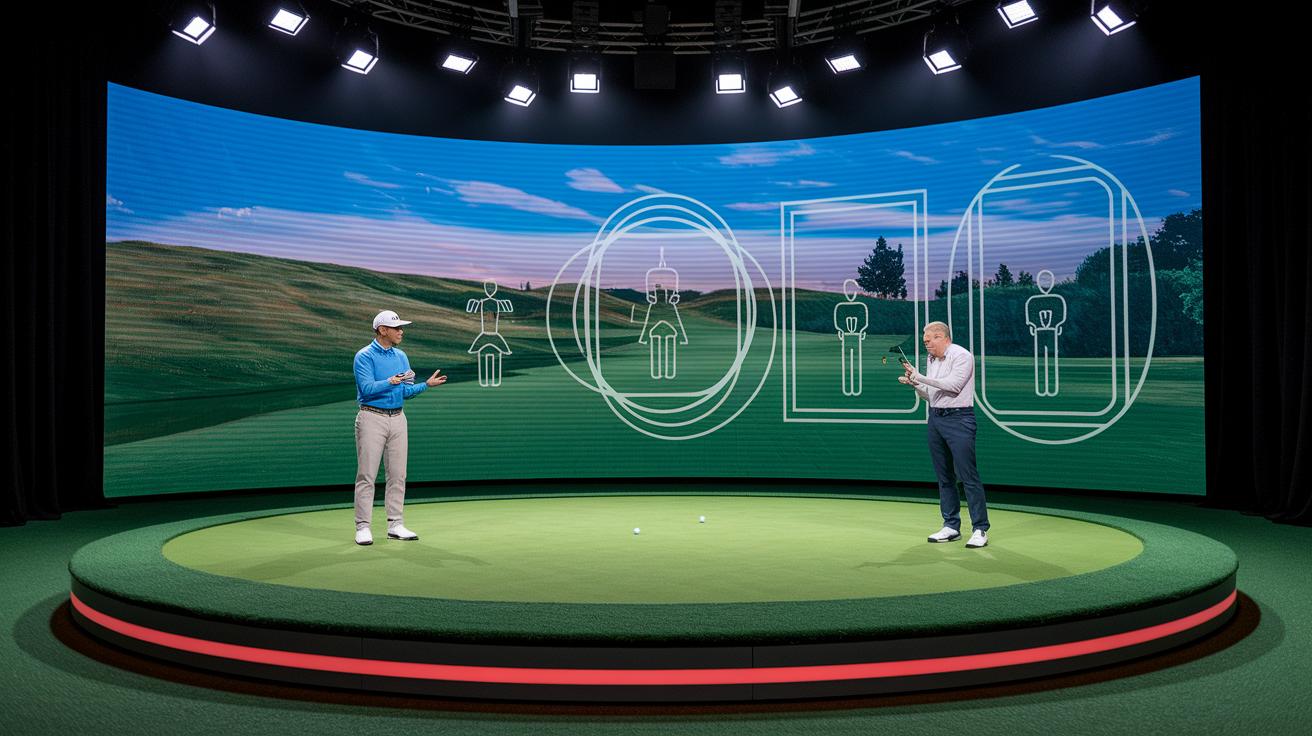
| Lead Analyst | Breaks down plays and strategy | Telestration, simple graphics | Engaging and detailed |
| Field Reporter | Provides course updates and interviews | Live chats, on-site interviews | Friendly and spontaneous |
| Studio Host | Keeps the broadcast smooth and connected | Pre-recorded segments, statistical data | Smooth and conversational |
Each role adds its own spark to the broadcast. The play-by-play experts keep the action real and immediate, while the lead analysts help us understand the game more deeply. Field reporters inject local flavor and fresh insights. And the studio hosts bring everything together for a fun, seamless viewing experience.
When to Employ Play-by-Play vs Golf Commentary During Live Broadcasts
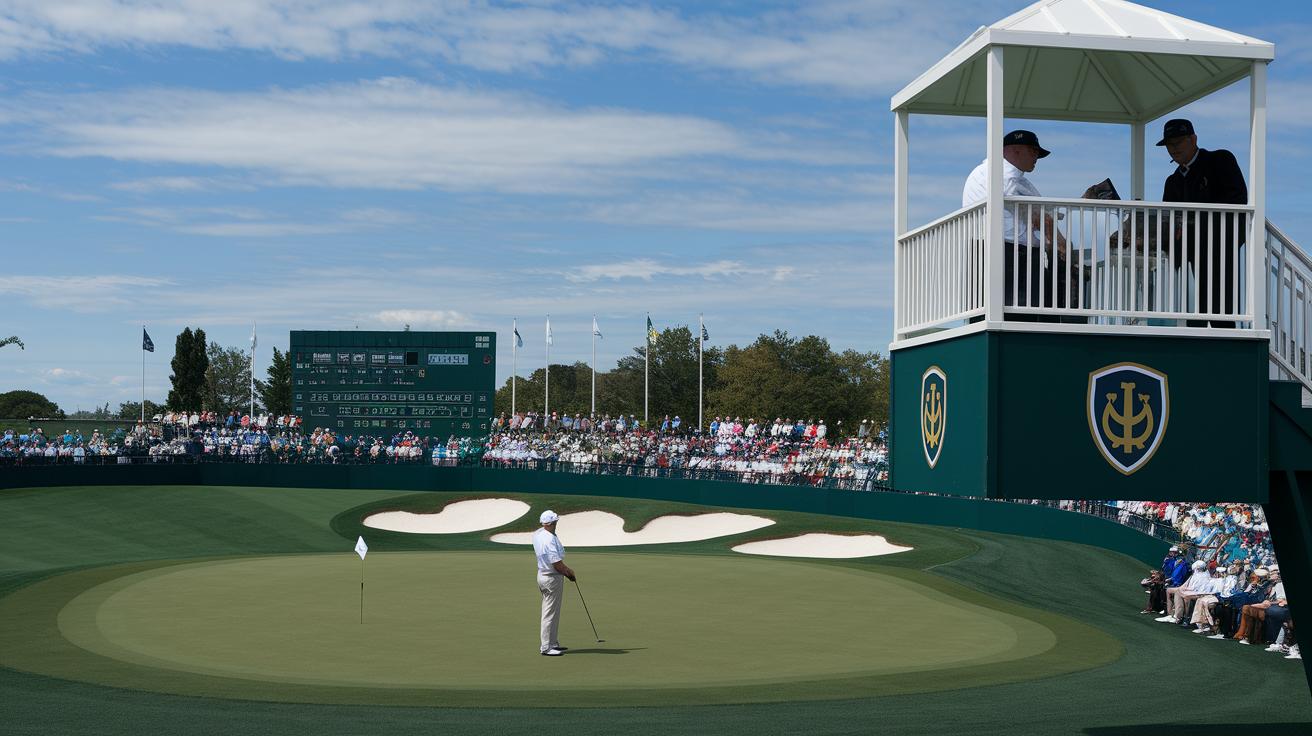
• Big tee shots at major turns where every swing counts call for play-by-play updates.
• On those sudden-death or playoff holes, when every moment matters, play-by-play brings the fast details.
• When the replay shows a key moment, commentary steps in to offer extra insight and context.
• During tee-to-green stretches where strategy and club choices matter, a blend leaning toward commentary works best.
• Before the round starts and during breaks for post-match chats, commentary sets the scene and builds the buzz.
Producers mix both styles to craft a smooth, engaging viewing experience. At high-pressure moments like the start of a playoff, play-by-play provides quick, factual updates so fans never miss a beat. When the pace slows or replays are shown, commentary fills in the story, explaining why a club was chosen or sharing a quick tale from past tournaments. In events such as the Ryder Cup, the coverage shifts between rapid-fire play-by-play and relaxed, in-depth commentary to capture both the thrill of the game and its clever strategies. This balance keeps the broadcast lively, informative, and fun for every golf lover.
Illustrative Broadcast Examples: Commentary and Play-by-Play in Action
Jim Nantz (CBS Masters)
Jim Nantz has a smooth, easy style that pulls you right into the game. His clear calls for distance and vivid play descriptions make you feel like you’re right there on the course. When he calls a "150-yard drive," you almost hear the ball sharing its little secret with the fairway.
Brandel Chamblee (Golf Channel)
Brandel Chamblee paints each swing with quick, clear images. He breaks down every move with simple cues and smart insights, turning every shot into a mini masterclass. It’s like watching a live art piece in motion, with every twist and turn of the swing coming to life before your eyes.
David Feherty (NBC)
David Feherty mixes fun stories with smart, brief play-by-play that makes every moment memorable. His light-hearted quips turn tricky shots into relatable highlights, letting you smile even during a tough bounce. Each comment is a little spark that adds to the excitement of the game.
Jim "Bones" Mackay (NBC)
Jim "Bones" Mackay focuses on the finer details of course management, explaining those subtle green slopes and breaks in a way that feels like a friendly lesson. His clear, step-by-step insights make even the most complicated parts of the game easy to grasp. It’s like having a seasoned pro right next to you, sharing his best tips.
Historical Evolution of Golf Commentary vs Play-by-Play Analysis

Back in the 1950s, radio shows were the main way to catch live golf action. They focused on calling each shot as it happened, giving listeners clear updates without any extra fluff. It was all about the play-by-play, simple and straight to the point. Then in the 1960s, broadcasters like Henry Longhurst on CBS started adding in moments of analysis. They explained swing techniques and shared thoughts on strategy, turning simple recaps into richer stories. This early twist set the stage for the layered, engaging commentary we enjoy today.
By the 2000s, new technology completely changed the game. TV broadcasts started using shot tracers and drone views that let you see the swing's details and course challenges like never before. Live action was now supported by pre- and post-show segments that offered thoughtful insights and visuals. This shift from just plain radio calls to a mix of dynamic graphics and studio commentary perfectly mirrors how viewers today crave a more immersive experience on the course.
Best Practices for Aspiring Broadcasters: Balancing Golf Commentary & Play-by-Play Analysis

- When a shot happens, keep your description crisp. In about 5 seconds, say something like "That drive went 250 yards" and give your listeners a moment to take it all in.
- Build up your collection of fun, personal stories, just like Feherty does, to share during quieter times. These little anecdotes make the broadcast more engaging and feel like a chat with a friend.
- Practice switching your tone. Stay calm and relaxed during standard pars, but ramp it up when an eagle or a big play occurs. This change in energy makes every exciting moment stand out.
- Save your detailed swing breakdowns for the replay segments. Use these moments to dive into a well-researched analysis that helps viewers understand the game better without slowing down the live action.
Keep listening to your audience and tweak your style based on their feedback. With practice, you'll mix fast-paced play-by-play with rich, engaging storytelling that keeps everyone feeling the excitement of the game.
Final Words
In the action, we saw how broadcasters mix real-time shot details with engaging insights to bring every round to life. The article outlined shot-by-shot updates, added context from lively commentary, and how both styles play off each other to enhance golf broadcasts.
The blend of play-by-play and in-depth analysis enriches the thrilling experience, making every moment on the course more memorable. It all boils down to a smart balance between golf commentary vs play-by-play analysis. Enjoy the game!
FAQ
What is the difference between play-by-play commentary and color commentary, and which role might one enjoy trying?
The difference between play-by-play commentary and color commentary is that play-by-play calls real-time shot details while color commentary adds insight, personality, and background. Some might enjoy the rapid pace of play-by-play for its immediacy.
Why is it called a color commentator?
The term color commentator comes from offering additional, vivid insights that bring the game to life. Their role is to add context, interesting observations, and storytelling during the broadcast.
What does a play-by-play commentator do?
A play-by-play commentator delivers real-time updates by detailing each shot, distance, and outcome. Their precise, rhythmic narration keeps viewers informed during the live action.
What is color commentary and can you provide examples?
Color commentary mixes analysis with engaging stories, giving viewers insights on techniques and player backgrounds. Examples include commentators like David Feherty and Brandel Chamblee, who offer detailed, entertaining explanations of game strategies.
What can you say about a color commentator’s salary?
A color commentator’s salary can vary widely based on network, experience, and event type. Earnings may range from moderate for local broadcasts to high for major televised tournaments.
Why is the golf commentary often very quiet?
The quiet golf commentary lets subtle game sounds and natural crowd reactions shine through. It creates a focused listening experience, enhancing viewer immersion during each serene swing and putt.
What are the two main types of golf commentators?
There are two main types: play-by-play commentators who call live action and color commentators who add analytical insights and storytelling to the broadcast.