

Ever wonder why some golf commentary feels like a quiet secret while other styles burst with energy? It all comes down to how the game is described. Some announcers use a soft tone to catch those gentle, quiet moments. Others explain every swing with clear, simple insights that make you understand exactly what’s happening. And then there’s the lively back-and-forth chat that draws you into the excitement, plus well-timed words that build suspense as you watch each shot. Every style gives the game a fresh feel, making each moment on the course feel personal and full of thrill.
Key Distinctive Styles of Golf Commentary
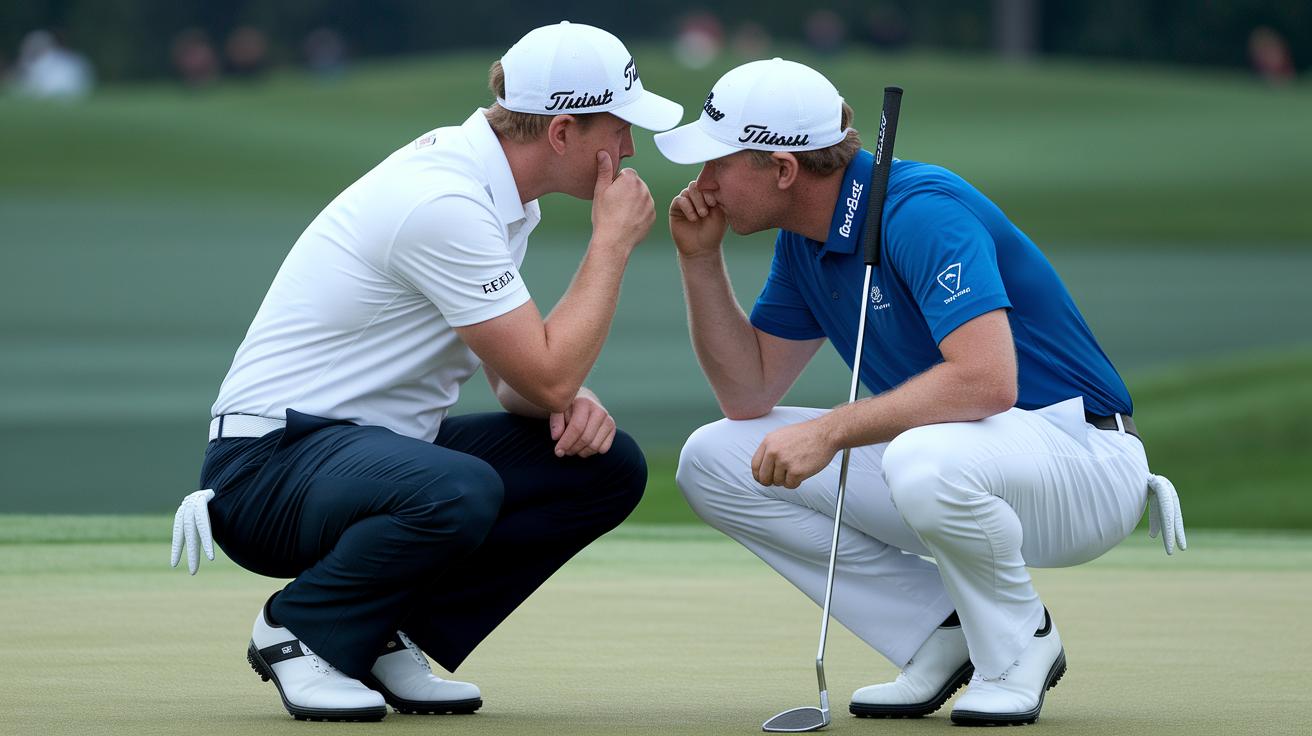
Golf commentary comes in many flavors that capture both the calm and intensity of the game. One style uses a soft, almost whispered tone during key moments, like a tight four-foot putt, to let you feel the player’s focus and share a quiet, private experience. This whisper style started with early golf broadcasts and is still a favorite for keeping things respectful and real.
Another style, often called Analyst Artistry, serves up clear, step-by-step breakdowns of swings and shots paired with fun little anecdotes. It explains everything in everyday words, making complex swings feel as familiar as chatting with a buddy on the course.
Dynamic Banter is all about the friendly back-and-forth between commentators. They trade quick and witty remarks that bring energy and humor to the game while still unpacking smart strategies. It feels like you’re right in the middle of an insider’s chat about every play and twist.
Then there’s Dramatic Narrative Delivery, which builds up the tension with perfectly timed pauses and well-placed words. Every pause and phrase makes a crucial moment hit harder, much like Radar Riley’s famous touch on Tour TV. His approach shows that timing can make a story as gripping as a last-minute putt.
The main distinctive commentary styles are:
- Whisper Style: A gentle tone that respects the player’s focus in high-pressure moments.
- Analyst Artistry: Factual insights mixed with personal, engaging commentary.
- Dynamic Banter: Lively exchanges that blend smart strategy with casual conversation.
- Dramatic Narrative Delivery: Well-timed phrases that build suspense and pull you into the moment.
Radar Riley’s method shines as a perfect example of how precise timing and a personal touch can capture the true spirit of the game.
Whisper Style Commentary in Golf
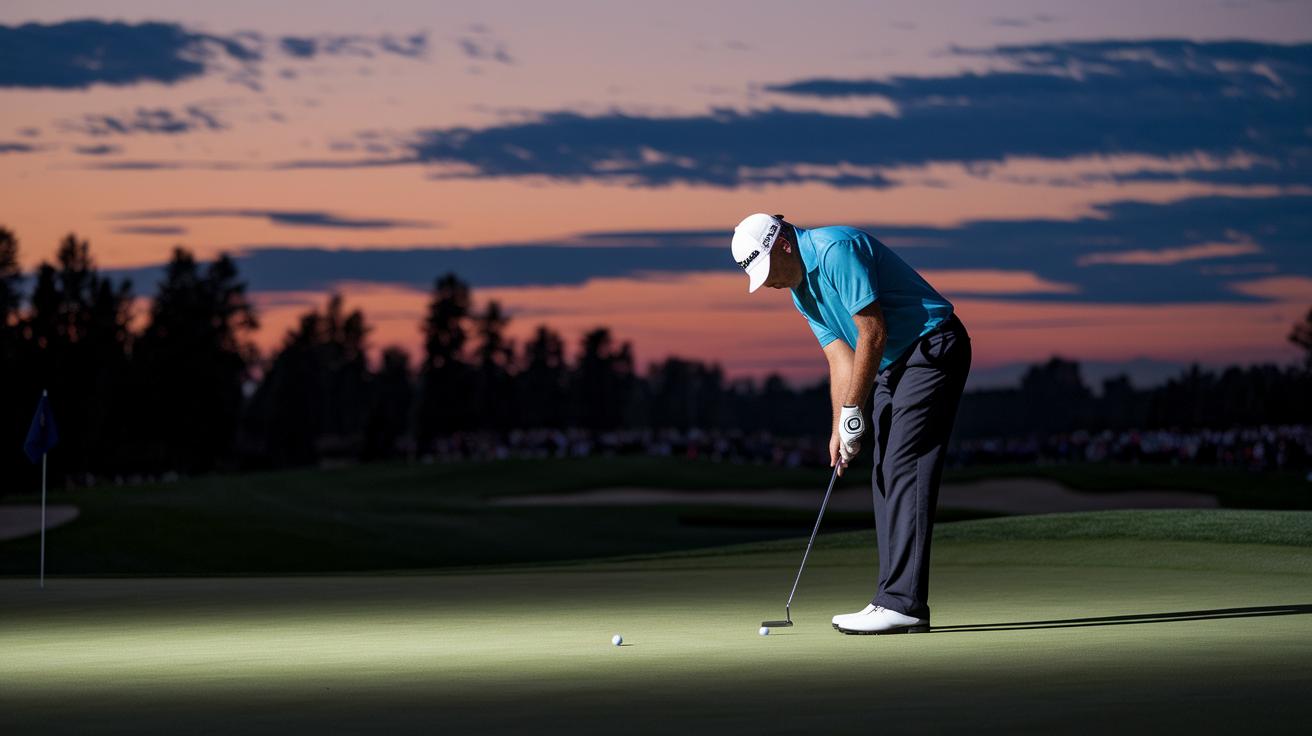
The whisper style makes a big shot feel personal and close. When a tense four-foot putt comes up, commentators drop their voices so you can hear the gentle rustle of the course. This softer talk is a change from the usual loud play-by-play and really pulls you into the moment.
It all began in early televised golf when hosts mixed their voices with the sounds of nature on the green. Over time, they learned to mark big moments without drowning out the live game. For instance, just before a crucial putt, an announcer might lower their tone to build the suspense.
Speaking quietly lets the hosts pick up every tiny shift in focus. The result is an immersive, respectful feel that makes you feel as if you’re right there experiencing each heartbeat of the game.
Analyst Artistry and Dynamic Banter in Golf Commentary

Golf analysts break down each play with clear, easy words and add fun comments that give us fresh details without repeating the same old facts. They describe every swing, saying a swing feels as smooth as a well-oiled machine, so you can really picture a player's focus and style. Ever hear someone say, "That shot curves like a perfect arc at sunset"? It instantly shows the skill behind the move.
Then there’s the lively banter that adds extra punch to the game. They mix real-time insights with spontaneous, off-the-cuff remarks. Instead of repeating known facts, they share new angles, a quick joke about a tricky lie or a nod to a player’s secret practice habits, to bring the scene to life. For instance, someone might remark, "That approach shot mirrors the precision of a master’s putt," turning dry technical talk into a vivid story.
Recent Sky Sports re-runs show how much this style boosts the viewing experience. Combining smart, strategic insights with unexpected commentary creates a full, engaging narrative that captures every swing and putt and lets the audience enjoy the game in a whole new way.
Signature Broadcasters and Memorable On-Air Styles
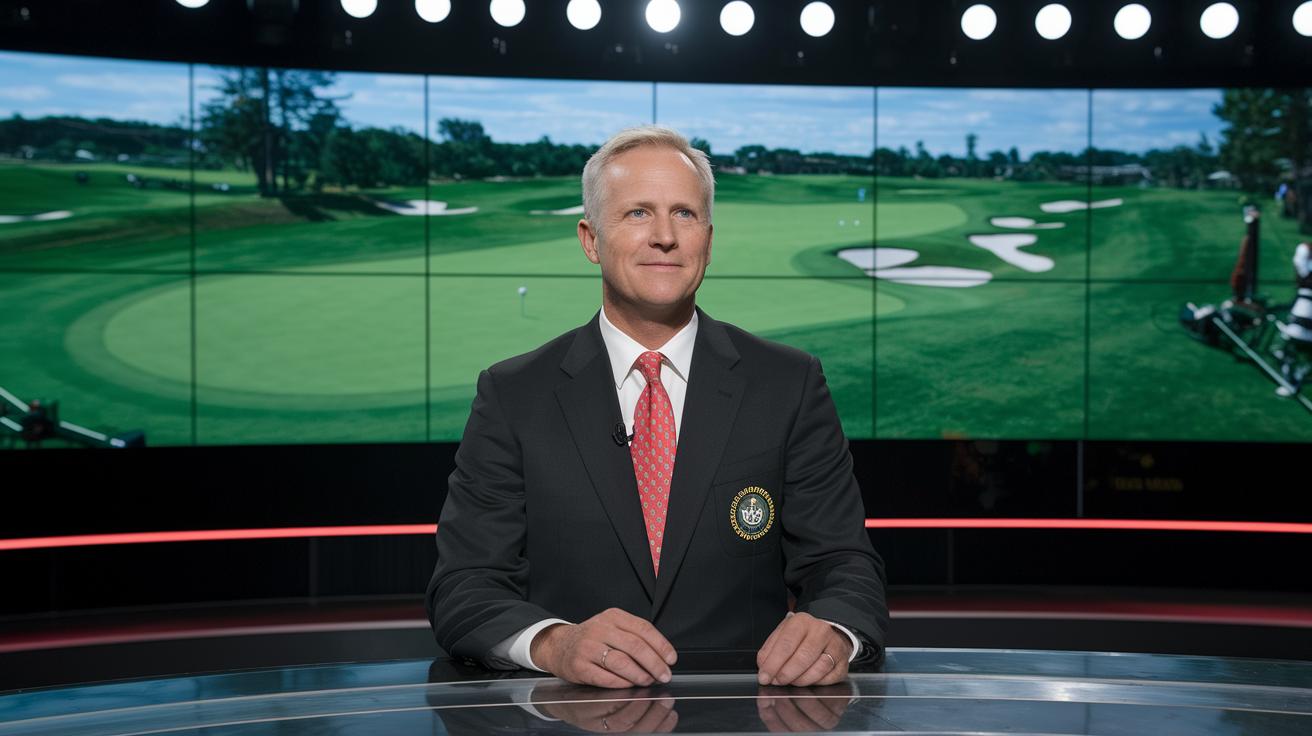
Radar Riley stands out on golf TV. His calm, steady voice has helped boost Tour TV coverage on both sides of the Atlantic. From early tournaments to today's big events, his clear words and unique delivery set the bar high. Each well-timed word pulls you right into the live action, making every moment feel personal and exciting.
Early TV commentators made their mark with catchy phrases during the Ryder Cup and major championships. They mixed clear play-by-play with real personality, creating a style that fans still love today. Voices like Donald, Brazill, and McBride show how a personal touch can transform simple commentary into something special. For more on how these legends turned tradition into art, check out the profiles of famous golf commentators.
| Commentator | Signature Style |
|---|---|
| Donald | Brings subtle humor and vivid shot descriptions. |
| Brazill | Known for a laid-back way that makes tech details fun. |
| McBride | Merges clear insight with energetic storytelling. |
These voices still shape how we enjoy golf, proving that a personal style and memorable lines can turn every broadcast into an unforgettable experience.
Evolution and Emerging Trends in Golf Commentary
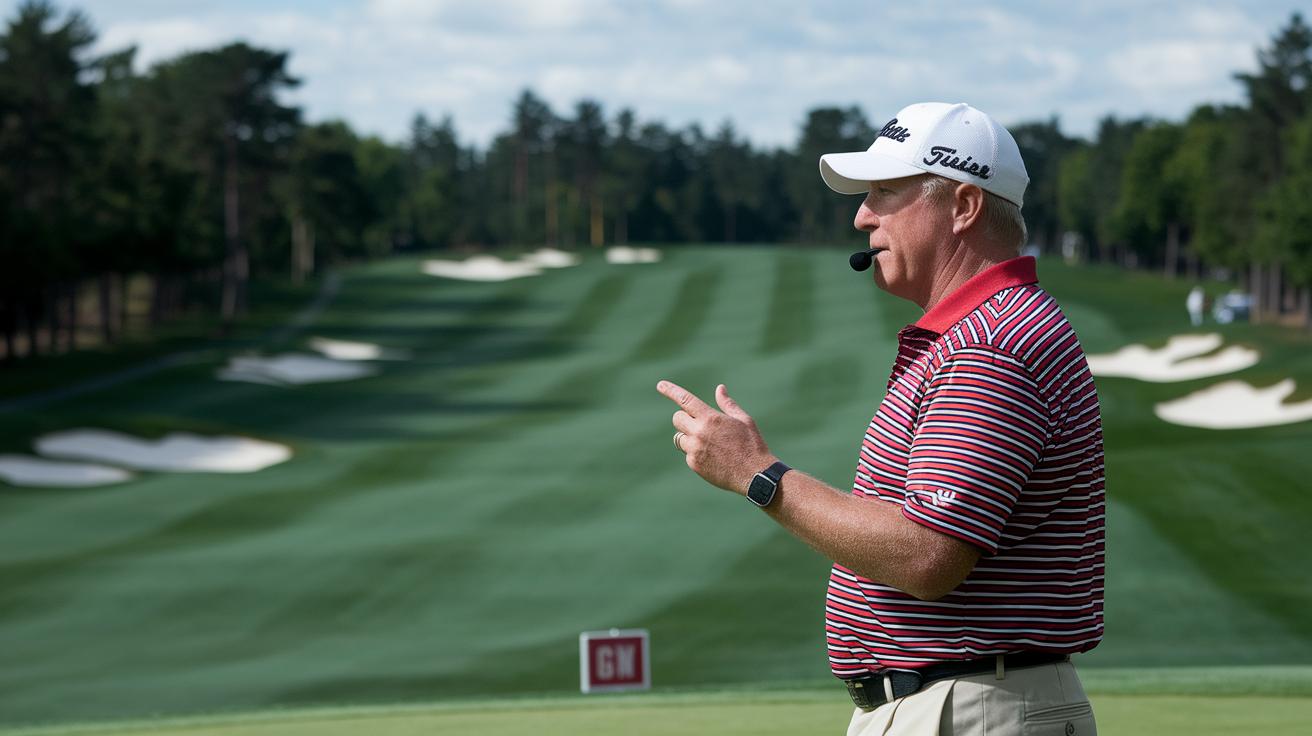
Golf commentary is changing fast. It’s not just about calling the play-by-play anymore; now, you feel like you’re right there on the course. Early broadcasts were calm and straightforward, but today’s reports mix in cool sound tricks. On-course mics catch every little noise, the crisp thwack of a putt and the satisfying crack of a driver, making you feel the game’s heartbeat.
Commentators now share a deeper look at the play. They don’t just tell you what happened; they hint at the smart strategies behind each shot. For example, you might hear, "This shot unfolds like a masterful chess move, where every sound tells a story." It’s like having a friend break down an incredible play right as it unfolds.
New broadcast styles play with timing and tone to build suspense. They let those key moments breathe, creating a quiet tension that makes the game even more exciting. By blending classic storytelling with fresh, on-field tech, golf commentary is stepping into a whole new era.
Final Words
In the action, we broke down four key commentary styles that shape golf broadcasts. We explored the quiet intensity of the whisper style, the expert mix of analyst artistry, the lively exchange of dynamic banter, and the pulse-raising dramatic narrative delivery. Radar Riley’s approach shows that smart timing can elevate the excitement. Each distinctive style of golf commentary adds its special flavor, making every broadcast a thrill. The blend of technical insight and engaging delivery leaves us feeling upbeat about the game’s rich tradition and bright future.
FAQ
What are some distinctive styles of golf commentary on YouTube and other platforms?
Distinctive styles on YouTube, free channels, 2022 formats, and apps include whisper style, analyst artistry, dynamic banter, and dramatic narrative delivery. These styles blend technical focus and engaging storytelling.
What are the key distinctive styles of modern golf commentary?
Modern golf commentary is marked by a near-whisper style during tense moments, analyst artistry that pairs expert insights with fun anecdotes, energetic banter, and dramatic narrative delivery which builds suspense.
How does David Feherty shape golf commentary?
David Feherty shapes golf commentary by mixing sharp technical insights with a humorous, down-to-earth style that entertains fans and adds a personal touch to his on-air presence.
Why did Amanda Balionis leave The Golf Channel?
Amanda Balionis left The Golf Channel to embrace new opportunities and career challenges, marking a shift in her professional journey within the golf broadcast scene.
What does the 80/20 rule in golf signify?
The 80/20 rule in golf signifies focusing on the most impactful 20 percent of strategies that produce 80 percent of a player’s success, highlighting the need for smart decision making.
What are the three P’s in golf commentary?
The three P’s in golf commentary refer to precision, pace, and personality. These elements help create clear, engaging, and well-timed on-air narratives.
What is meant by the 7/10 rule in golf?
The 7/10 rule in golf means that about 70 percent of a golfer’s performance can depend on their form or technique, emphasizing the importance of consistent, focused play.